Performance Agreement For Hr Manager In Philadelphia
Description

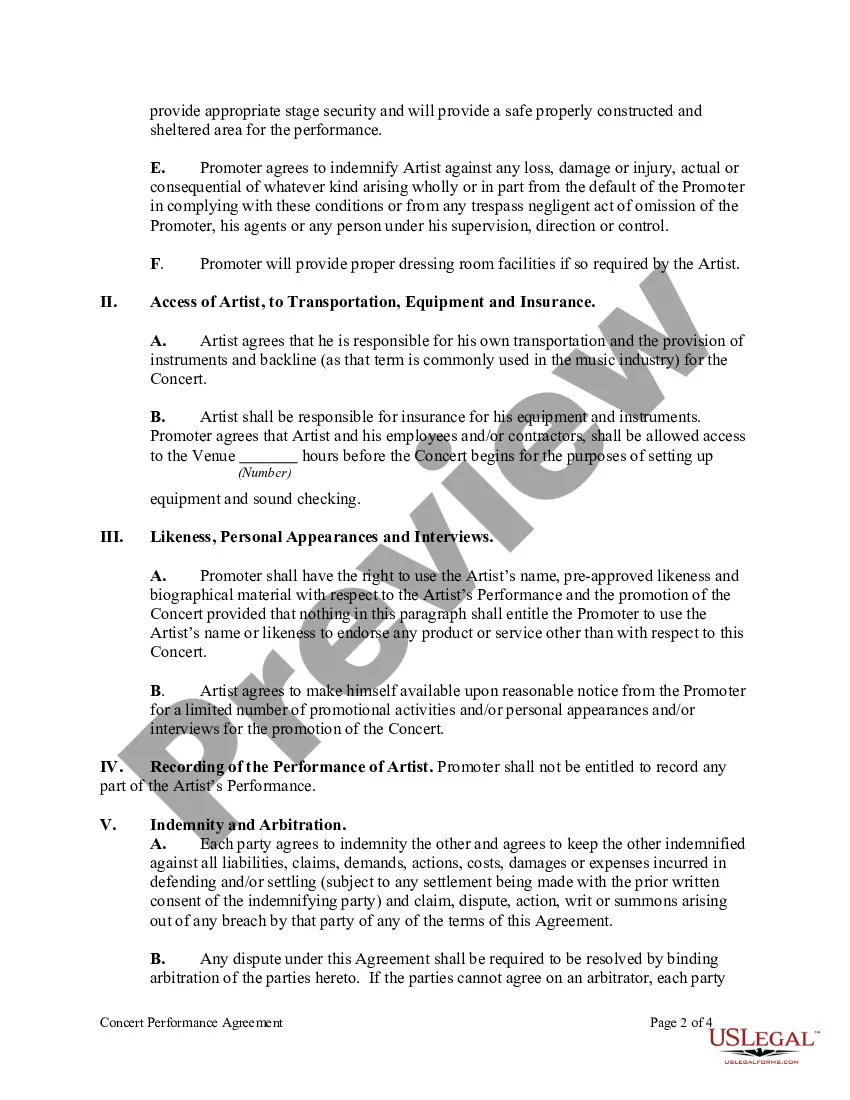
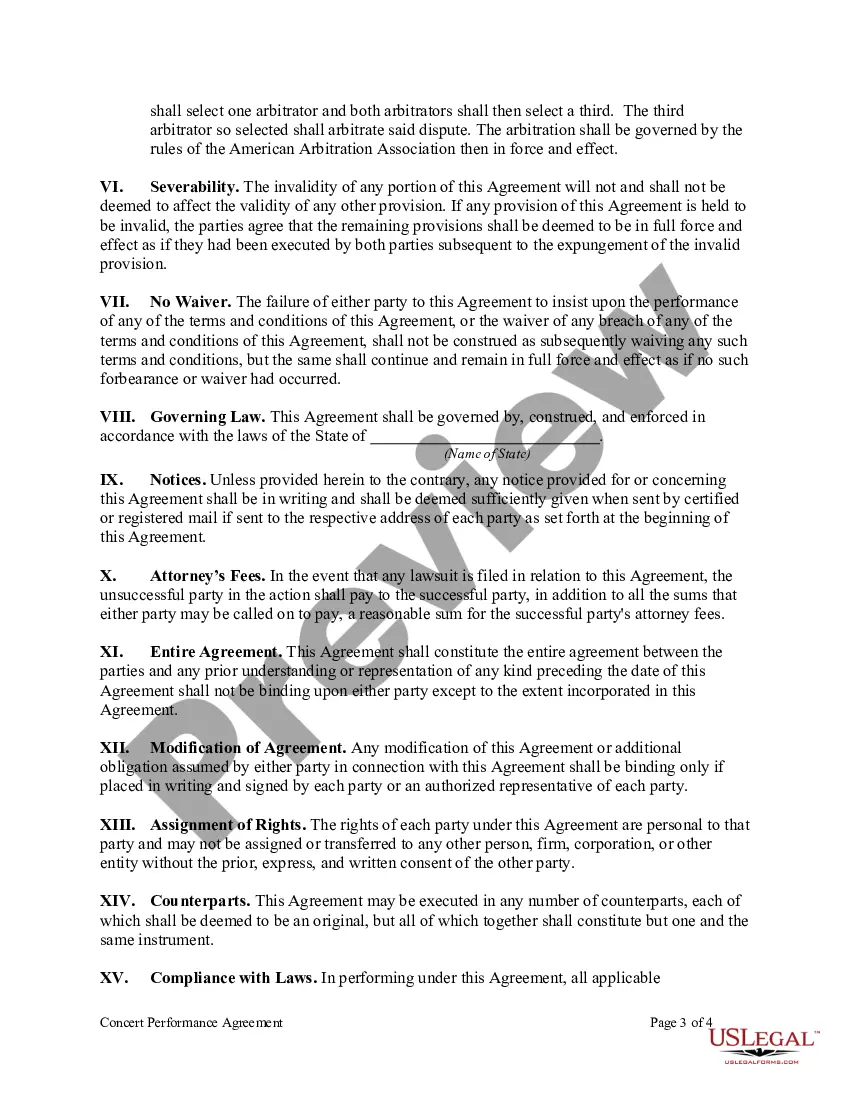
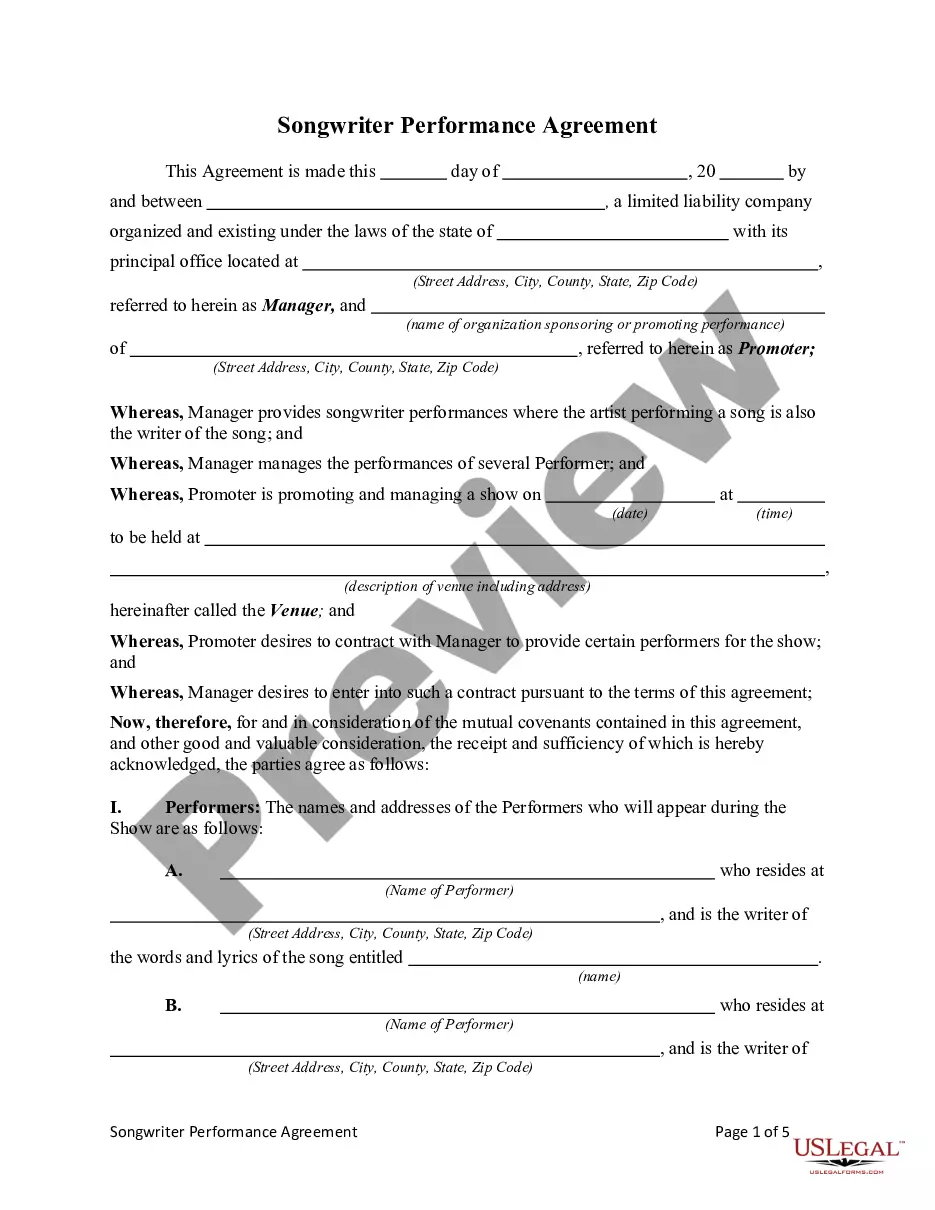
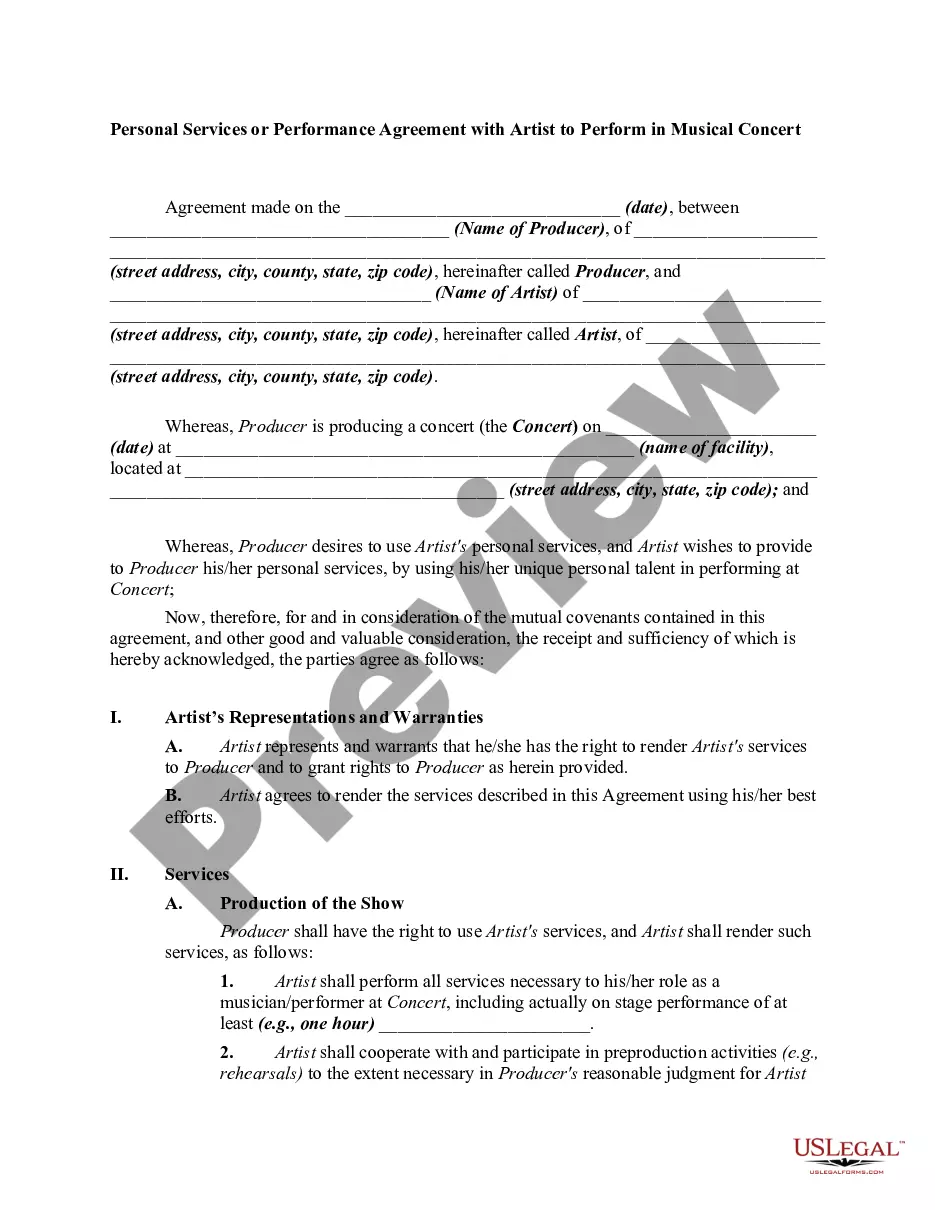
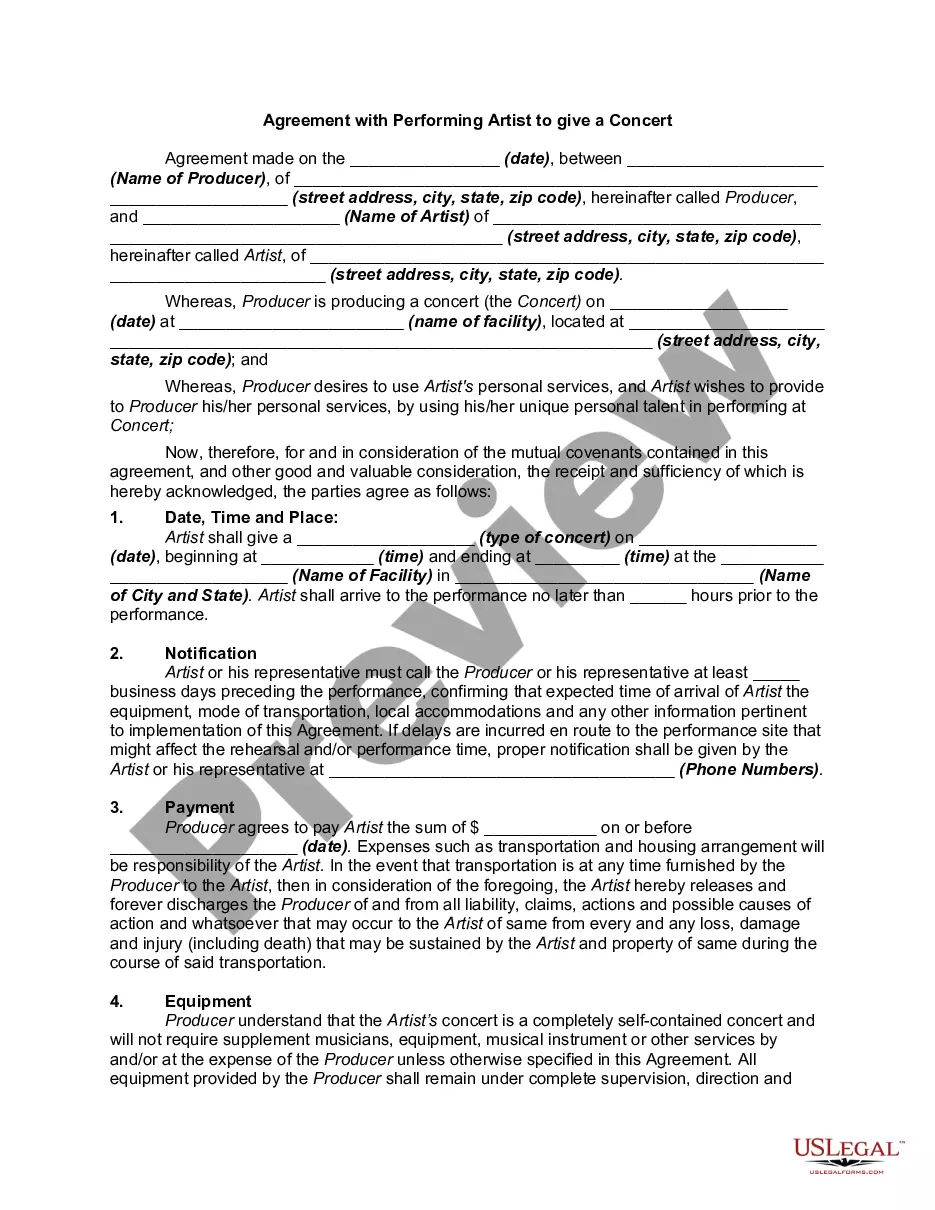
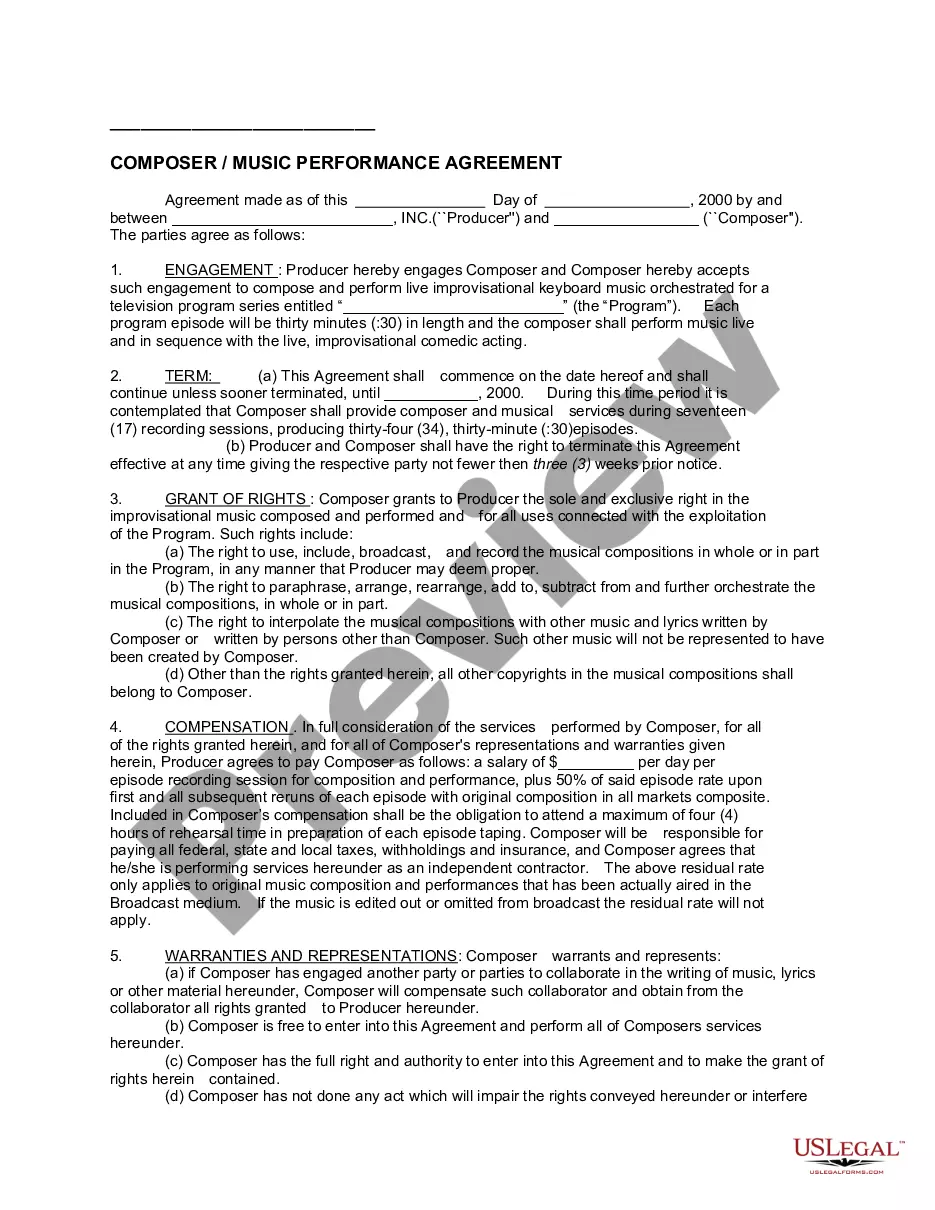
Get your form ready online
Our built-in tools help you complete, sign, share, and store your documents in one place.
Make edits, fill in missing information, and update formatting in US Legal Forms—just like you would in MS Word.
Download a copy, print it, send it by email, or mail it via USPS—whatever works best for your next step.
Sign and collect signatures with our SignNow integration. Send to multiple recipients, set reminders, and more. Go Premium to unlock E-Sign.
If this form requires notarization, complete it online through a secure video call—no need to meet a notary in person or wait for an appointment.
We protect your documents and personal data by following strict security and privacy standards.

Make edits, fill in missing information, and update formatting in US Legal Forms—just like you would in MS Word.

Download a copy, print it, send it by email, or mail it via USPS—whatever works best for your next step.

Sign and collect signatures with our SignNow integration. Send to multiple recipients, set reminders, and more. Go Premium to unlock E-Sign.

If this form requires notarization, complete it online through a secure video call—no need to meet a notary in person or wait for an appointment.

We protect your documents and personal data by following strict security and privacy standards.
Looking for another form?









Form popularity
FAQ
Even though many organisations use the terms Key Performance Indicators (KPIs) and Key Risk Indicators (KRIs) interchangeably, they actually are two different tools with different purposes. Let's take a look at what they are and how they are different. Key Performance Indicators (KPI)
Depending on the organization, its industry and size, there may be five, six, seven or more separate human resources functions. For our purposes, we'll look at the five core areas: recruiting and staffing, compensation and benefits, training and development, talent management, safety and compliance.
HR KPIs are strategic HR metrics measuring how well HR is contributing to the overall achievement of the organization's goals. They are different from one company to another. Examples include employee productivity rate, internal promotion rate, NPS, and quality of hire (among many others).
Key Result Areas (KRA) and Key Performance Indicators (KPI) help companies set goals for their employees and measure performance based on those objectives. Successful companies split the overall organization's goals into various KRAs.
Let's take a look at 6 of the most common performance appraisal methods. Management by Objectives (MBO) Managers and employees work together to establish objectives and goals. 360-degree feedback. Peer review. Behaviorally Anchored Rating Scale (BARS) ... Graphic Rating Scale.
Never discuss personality traits—especially negative ones. You can say, “You have a fabulous attitude.” But saying, “Your attitude isn't great” focuses on personality, not performance. Maybe your employee does have a bad attitude.
How to answer performance review questions Go to the point. Focus on what you have achieved with numbers and clear metrics. It's ok to admit failure if you have a plan. Communication and awareness questions. Feedback on your execution. Meeting expectations. Problems you can solve for your manager/team/company.
Follow these steps to put an effective performance agreement in place for your staff: Start With Clear Expectations. Build in Milestones. Agree on the Terms. Schedule Accountability Meetings. Establish Outcome Results and Consequences. Sign and Date the Agreement.
When you fill the form: Be honest and critical. Analyze your failures and mention the reasons for it. Keep the words minimal. Identify weaknesses. Mention your achievements. Link achievements to the job description and the organization's goals. Set the goals for the next review period. Resolve conflicts and grievances.
Here are five tips to help you answer skill-based interview questions about performance management: Understand the Fundamentals. Use the STAR Method. Highlight Your Soft Skills. Discuss Continuous Improvement. Prepare Examples of Challenges and Solutions.
