Performance Agreement To In Pennsylvania
Description

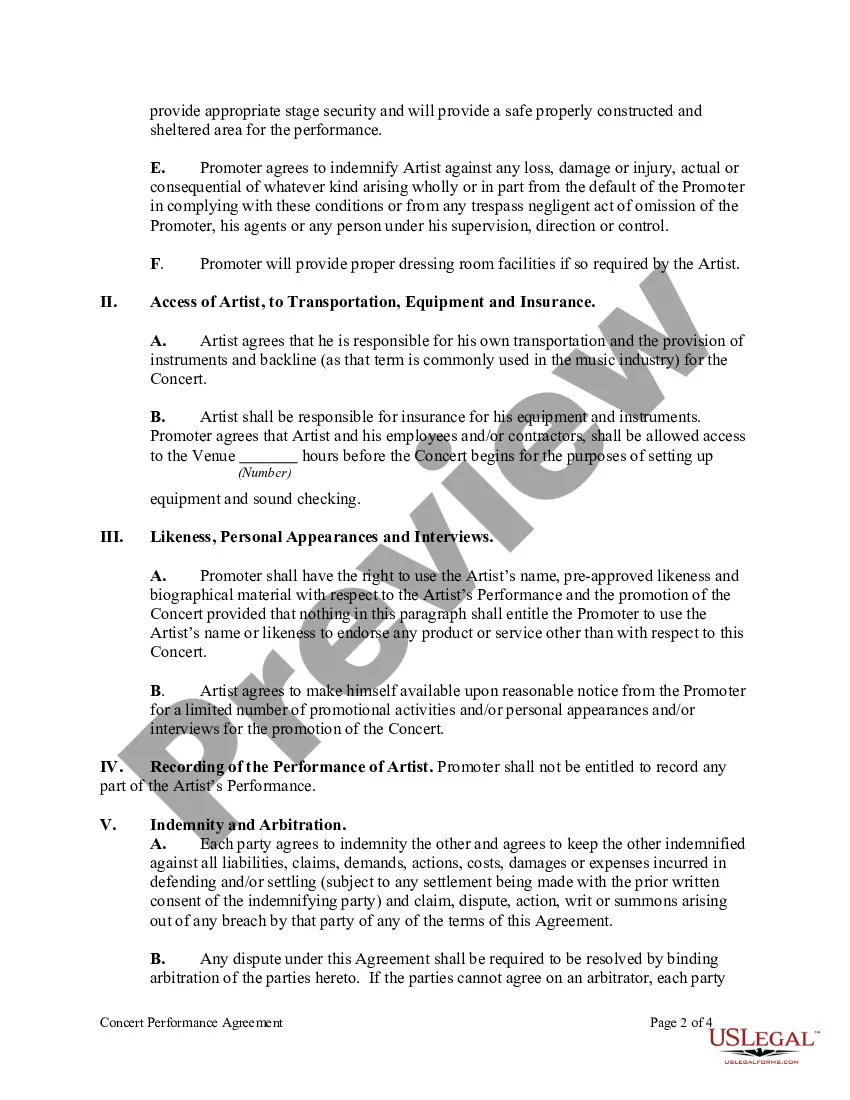
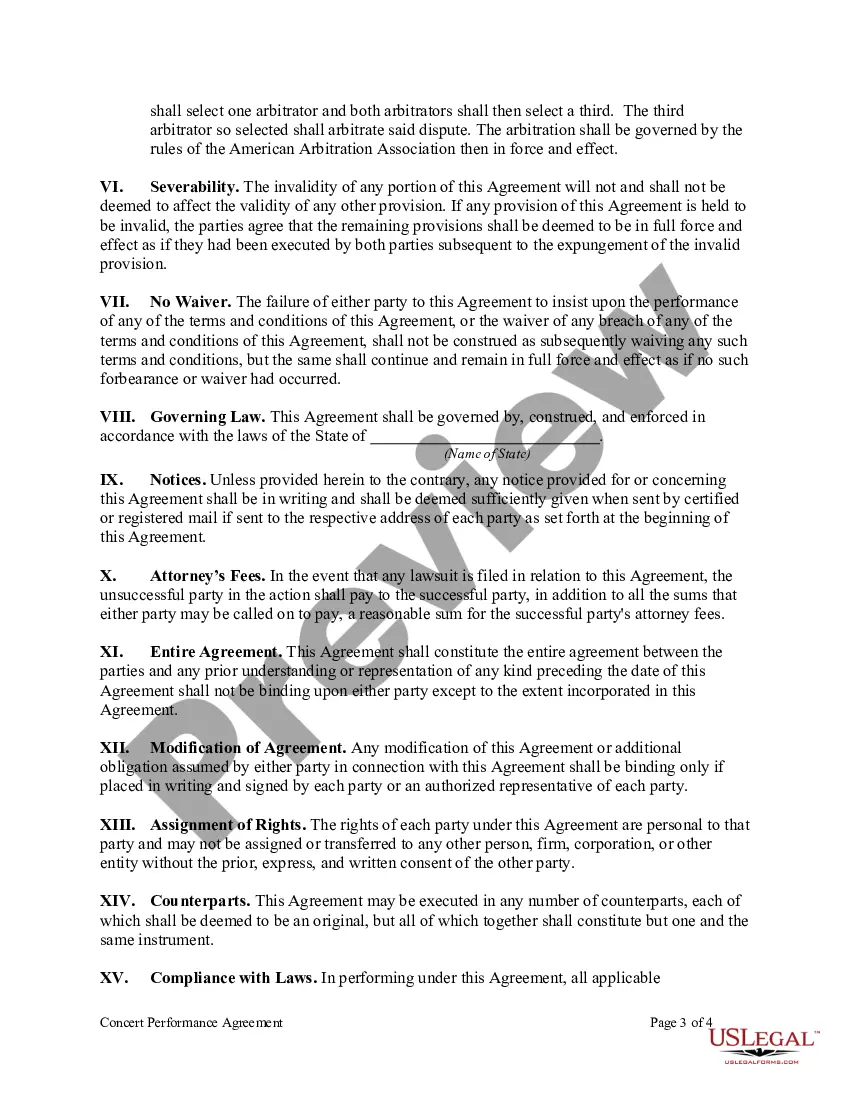
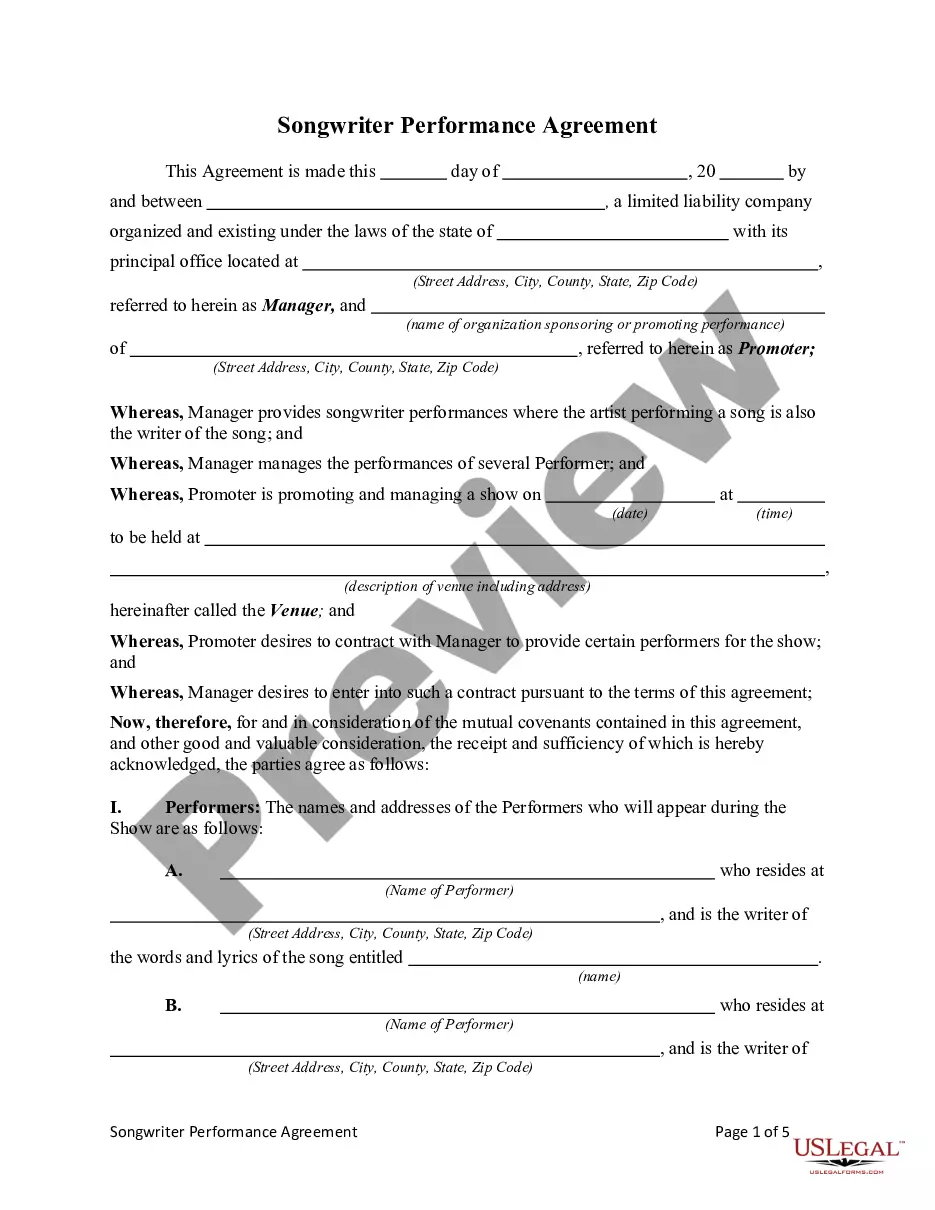
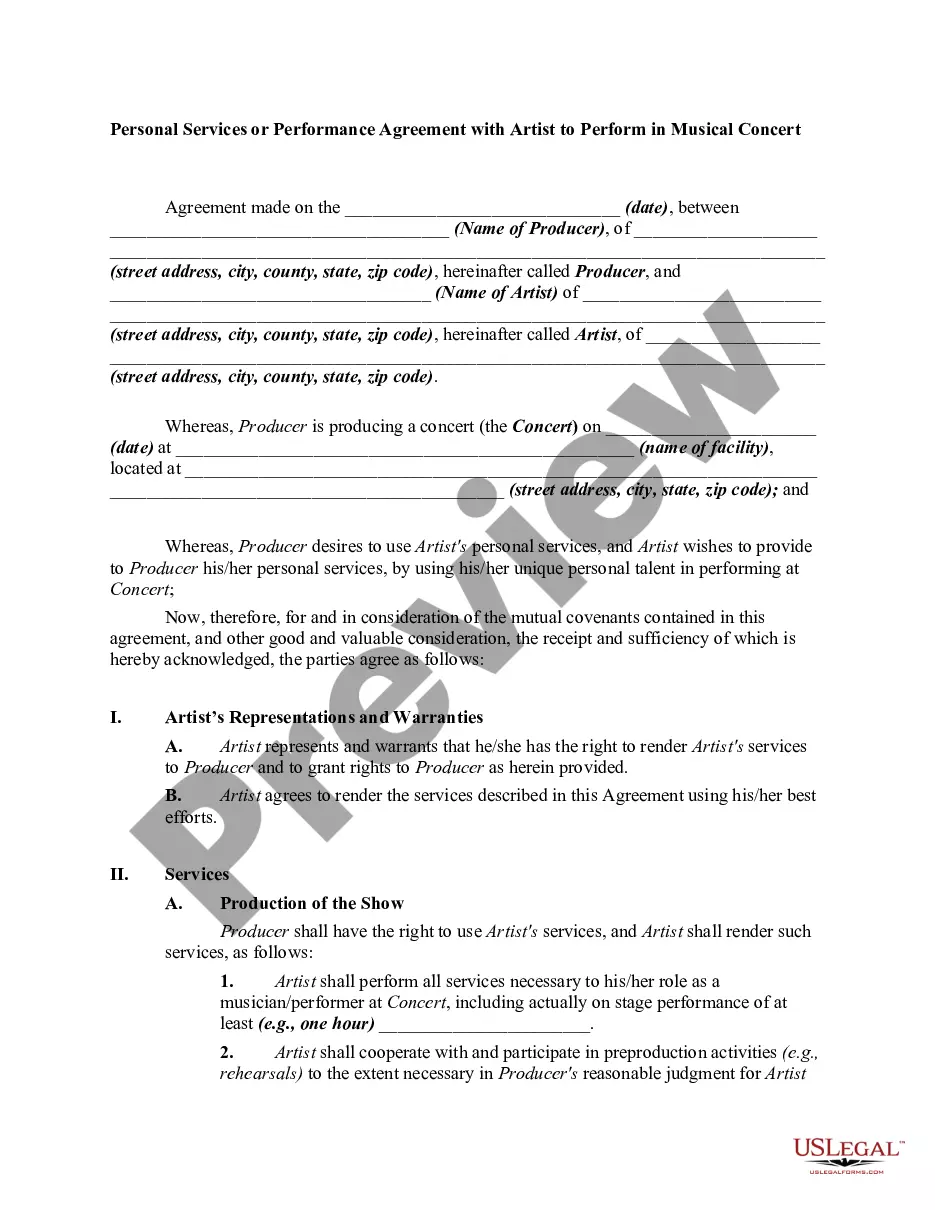
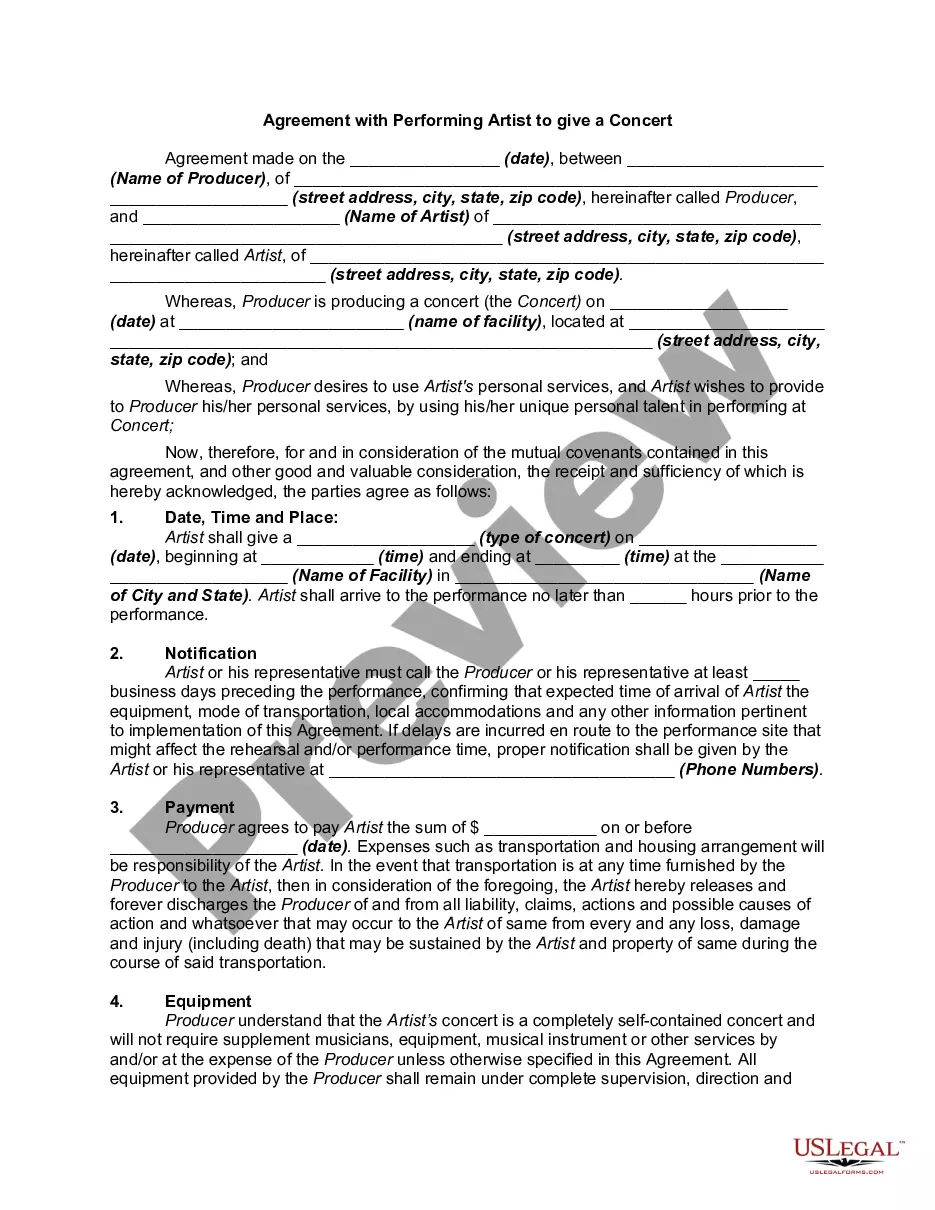
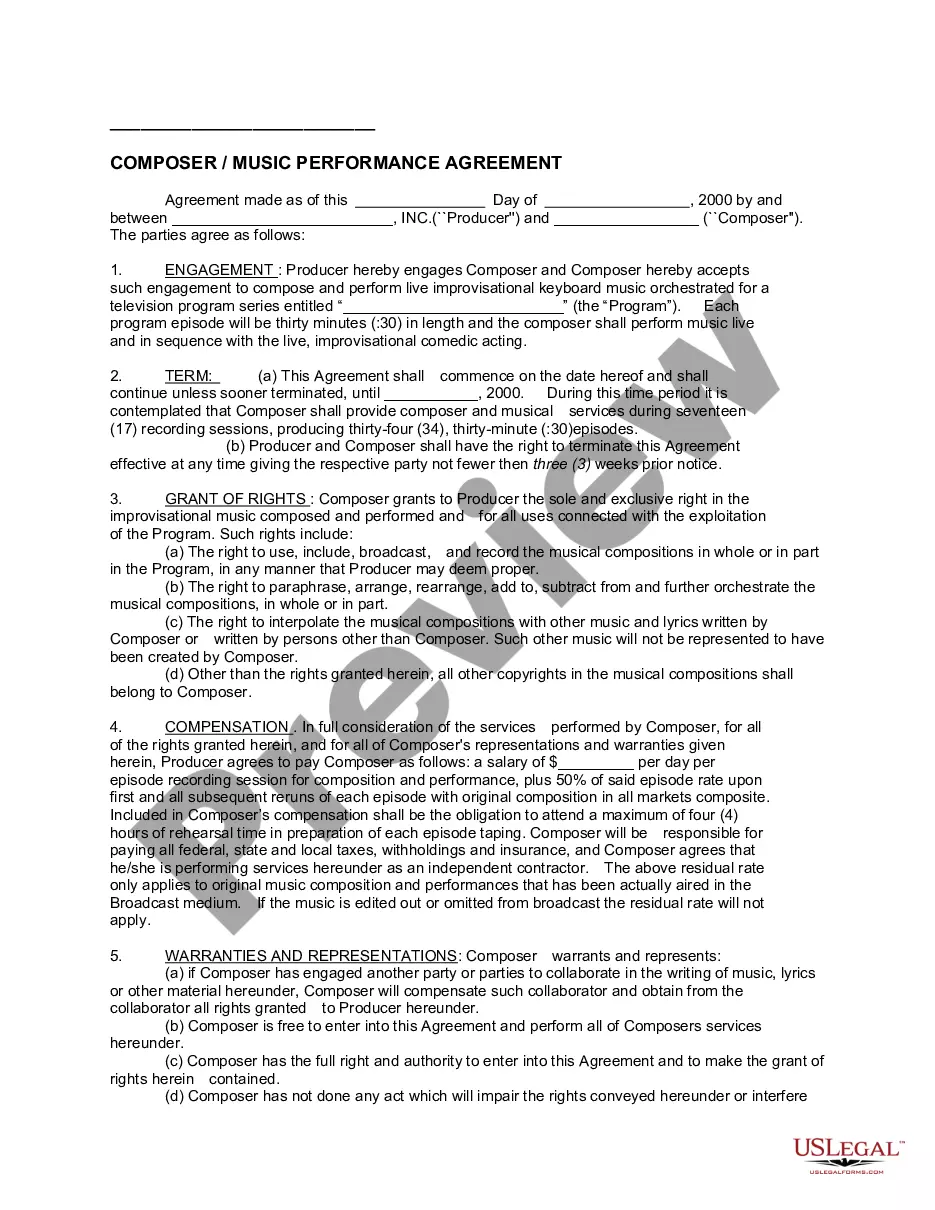
Get your form ready online
Our built-in tools help you complete, sign, share, and store your documents in one place.
Make edits, fill in missing information, and update formatting in US Legal Forms—just like you would in MS Word.
Download a copy, print it, send it by email, or mail it via USPS—whatever works best for your next step.
Sign and collect signatures with our SignNow integration. Send to multiple recipients, set reminders, and more. Go Premium to unlock E-Sign.
If this form requires notarization, complete it online through a secure video call—no need to meet a notary in person or wait for an appointment.
We protect your documents and personal data by following strict security and privacy standards.

Make edits, fill in missing information, and update formatting in US Legal Forms—just like you would in MS Word.

Download a copy, print it, send it by email, or mail it via USPS—whatever works best for your next step.

Sign and collect signatures with our SignNow integration. Send to multiple recipients, set reminders, and more. Go Premium to unlock E-Sign.

If this form requires notarization, complete it online through a secure video call—no need to meet a notary in person or wait for an appointment.

We protect your documents and personal data by following strict security and privacy standards.
Looking for another form?

Form popularity
FAQ
In Pennsylvania, three elements are necessary to properly plead a cause of action for breach of contract: "(1) the existence of a contract, including its essential terms, (2) a breach of a duty imposed by the contract and (3) resultant damages." CoreStates Bank, Nat'l Assn. v. Cutillo, 723 A. 2d 1053, 1058 (Pa.
A partnership must file a PA-20S/PA-65 Information Return to report the income, deductions, gains, losses etc. from their operations. The partnership passes through any profits (losses) to the resident and nonresident partners.
A contract requires several legal requirements to be valid and enforceable: Consideration: The parties must exchange something of value. Without such an exchange, there is no agreement. Offer and Acceptance: One party must make an offer, and the other must accept it.
When a party breaches a contract, Pennsylvania law allows for recovery of damages in a breach of contract action. In general, damages in a breach of contract action will total a sum that compensates the nonbreaching party for the loss they sustained.
In Pennsylvania, the statute of limitations for breach of a written contract is generally four years. This means that if someone breaches a contract, the injured party has up to four years from the date of the breach to file a lawsuit seeking damages.
For a written contract, you generally must file your lawsuit within 4 years of when the agreement is broken. For a verbal contract, you must file it within 2 years of when the agreement is broken.
Every resident, part-year resident or nonresident individual must file a Pennsylvania Income Tax Return (PA-40) when he or she realizes income generating $1 or more in tax, even if no tax is due (e.g., when an employee receives compensation where tax is withheld).
Assignment. Employment agreements will also often contain an assignment provision to prohibit you from assigning your contract to someone else. This clause is included for your employer's protection. Less often, a contract will contain language limiting your employer's ability to assign your contract to another entity.
Under Pennsylvania law, an employment agreement will be recognized where both parties manifest a clear intent to be bound by its terms, the terms are sufficiently definite to be enforced, and the agreement is supported by consideration.
--An assignment of "the contract" or of "all my rights under the contract" or an assignment in similar general terms is an assignment of rights and unless the language or the circumstances (as in an assignment for security) indicate the contrary, it is a delegation of performance of the duties of the assignor and its ...
