Performance Agreements For Employees In Ohio
Description

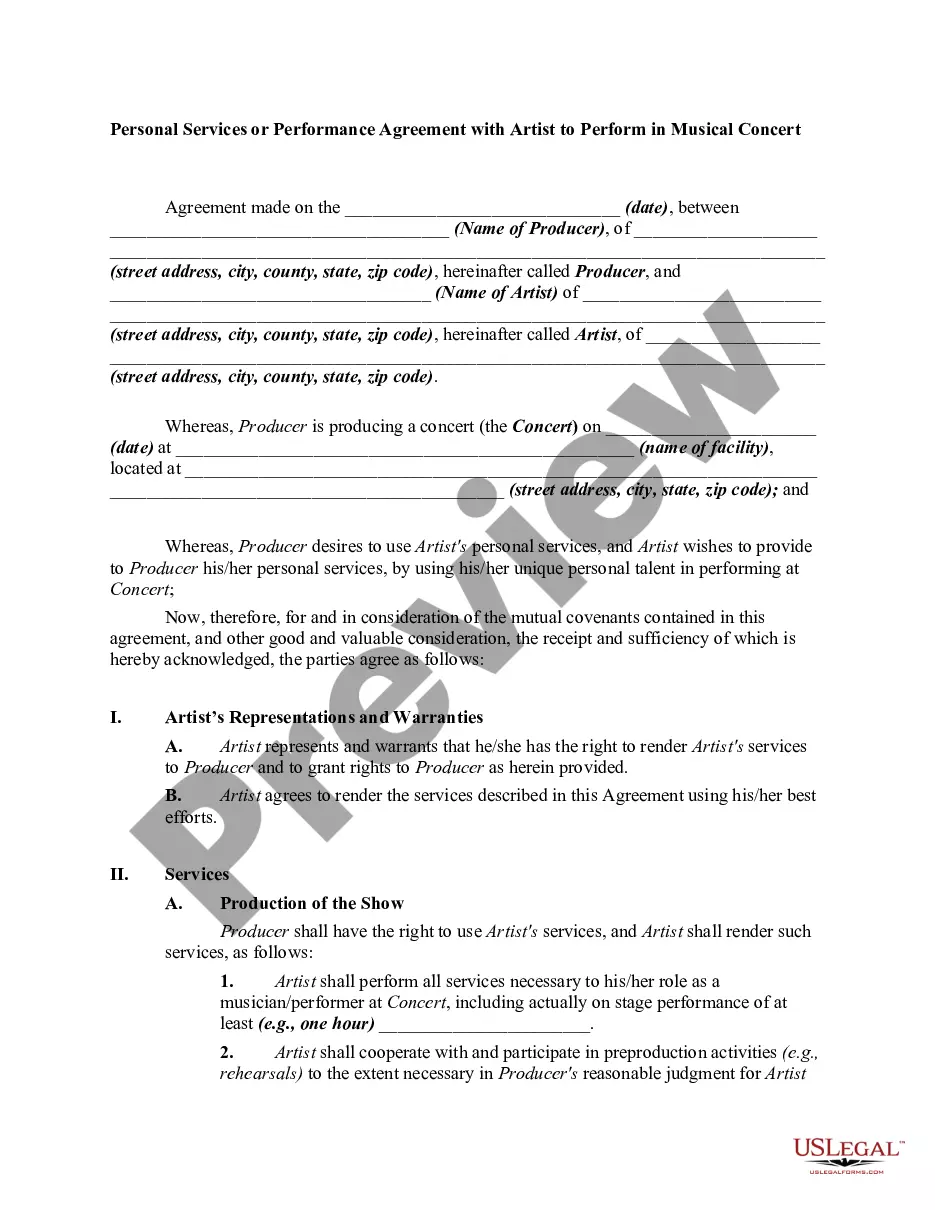
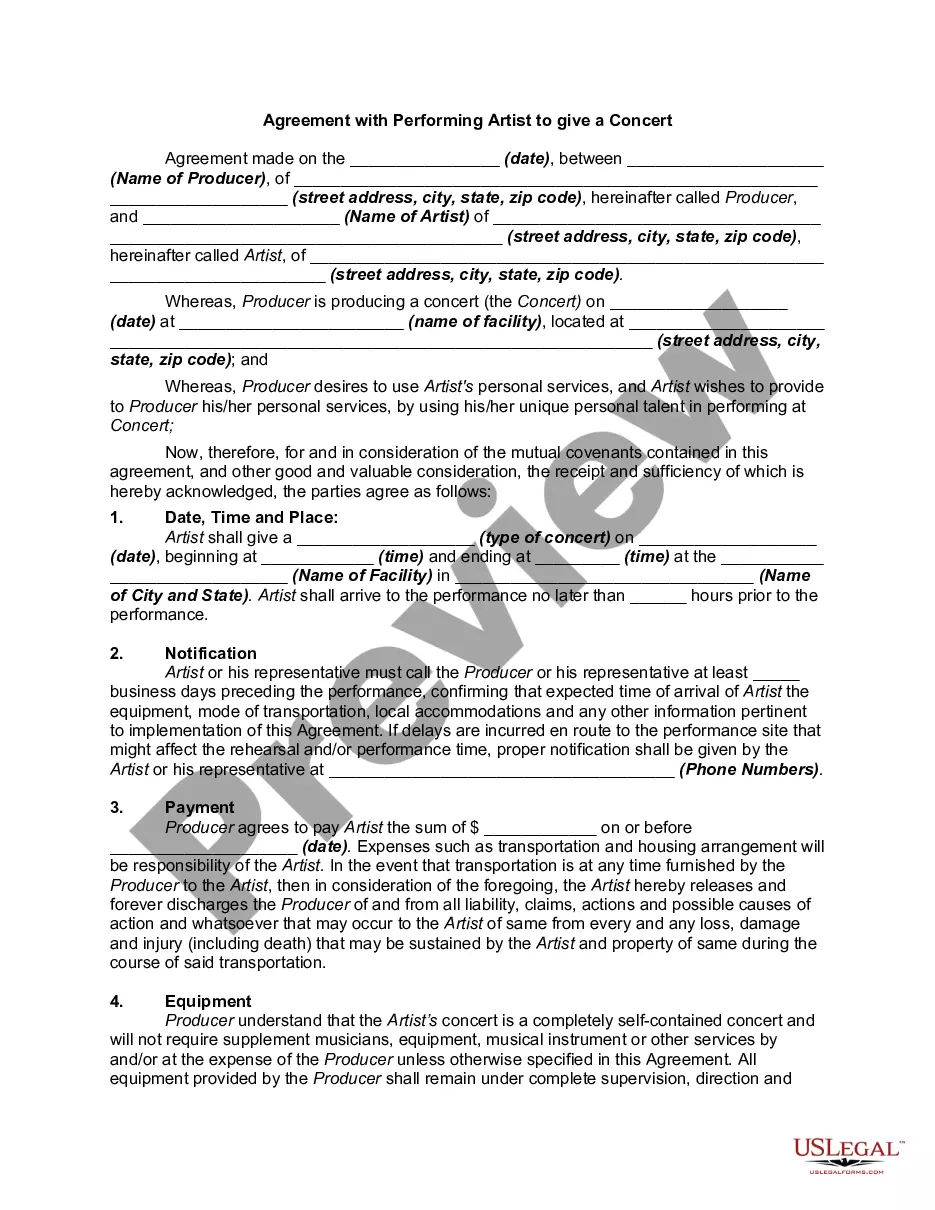
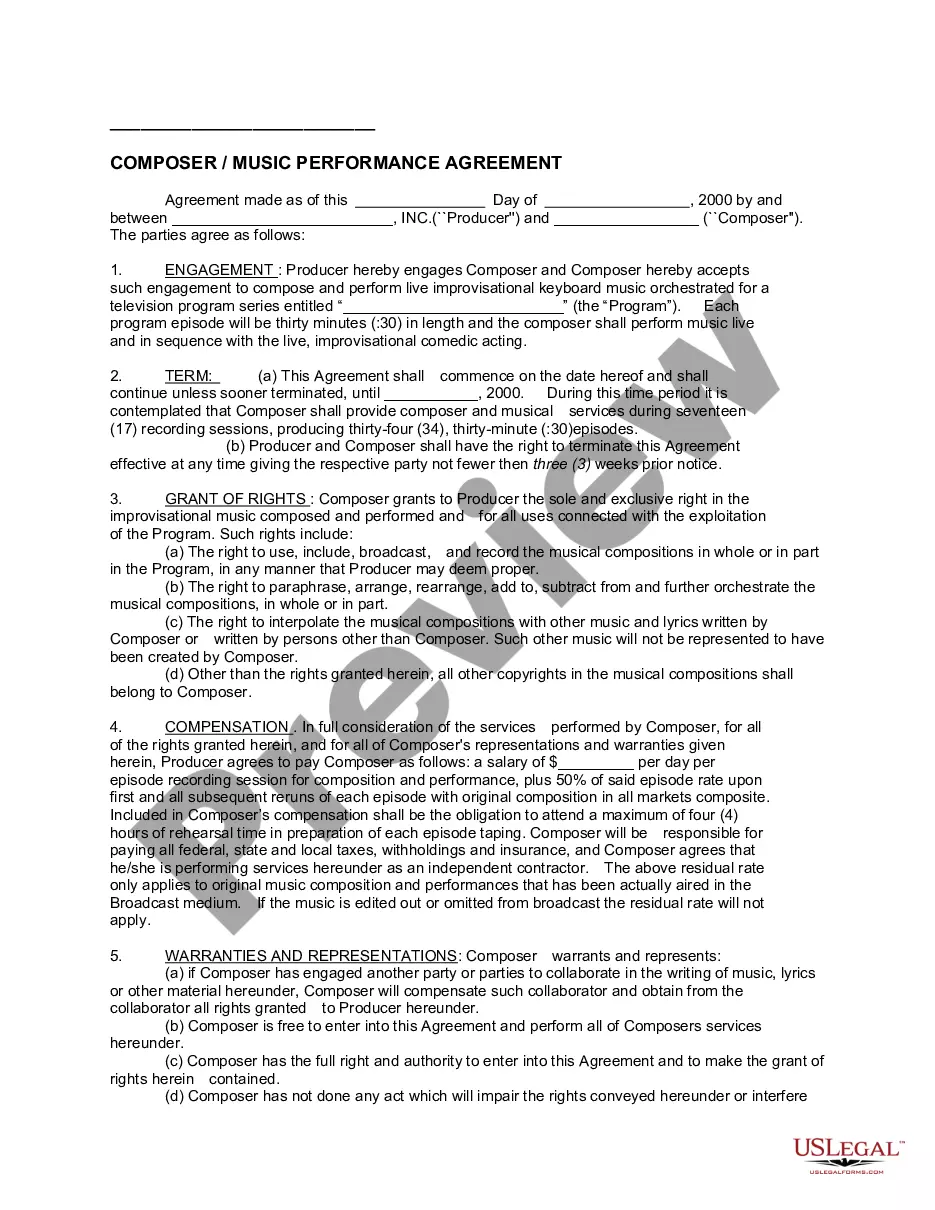
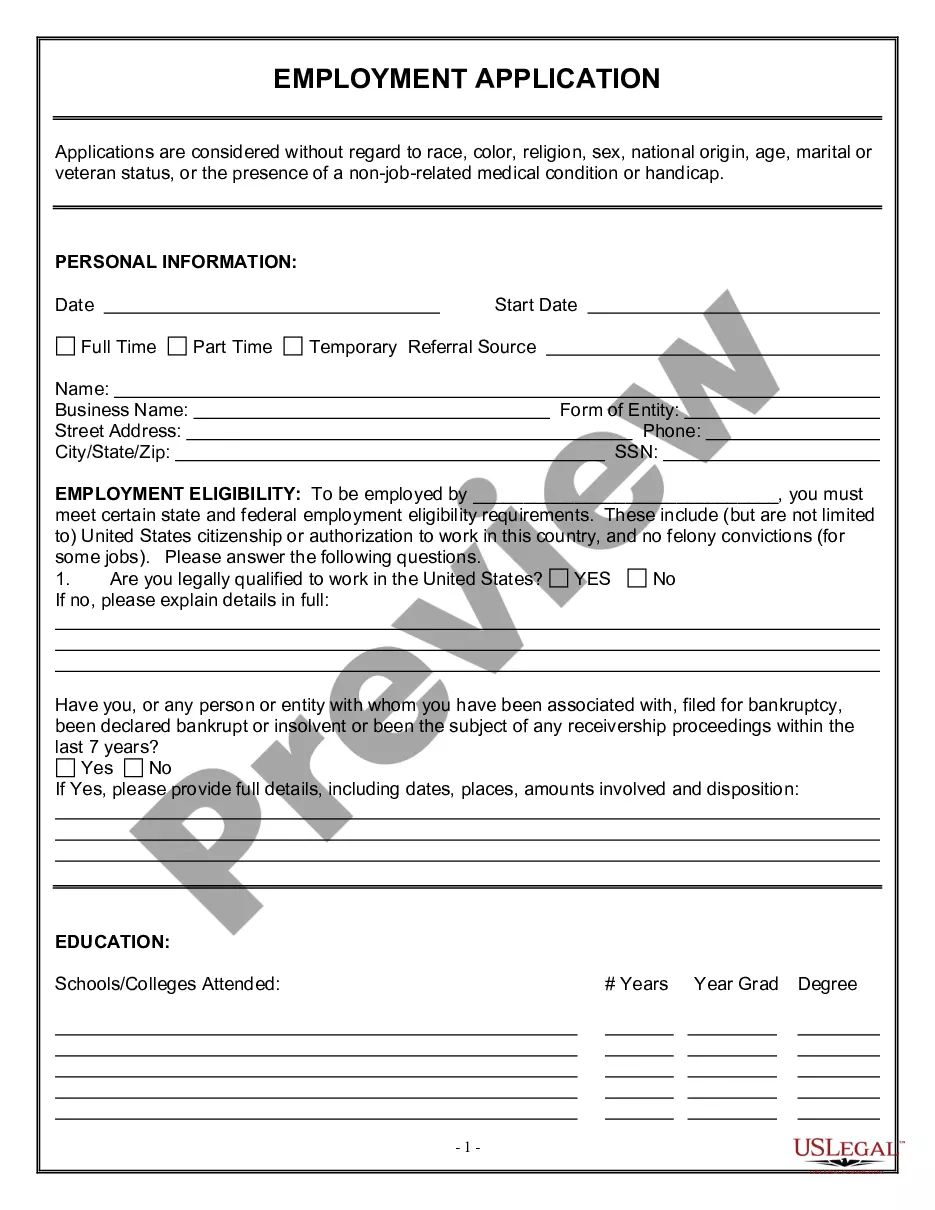
Get your form ready online
Our built-in tools help you complete, sign, share, and store your documents in one place.
Make edits, fill in missing information, and update formatting in US Legal Forms—just like you would in MS Word.
Download a copy, print it, send it by email, or mail it via USPS—whatever works best for your next step.
Sign and collect signatures with our SignNow integration. Send to multiple recipients, set reminders, and more. Go Premium to unlock E-Sign.
If this form requires notarization, complete it online through a secure video call—no need to meet a notary in person or wait for an appointment.
We protect your documents and personal data by following strict security and privacy standards.

Make edits, fill in missing information, and update formatting in US Legal Forms—just like you would in MS Word.

Download a copy, print it, send it by email, or mail it via USPS—whatever works best for your next step.

Sign and collect signatures with our SignNow integration. Send to multiple recipients, set reminders, and more. Go Premium to unlock E-Sign.

If this form requires notarization, complete it online through a secure video call—no need to meet a notary in person or wait for an appointment.

We protect your documents and personal data by following strict security and privacy standards.
Looking for another form?








Form popularity
FAQ
Yes. Employment contracts are enforceable in Ohio and are governed by Ohio contract laws. This means that to be enforceable the contract must contain an offer, acceptance of the offer, and consideration. In employment contracts consideration is most often the work performed in exchange for compensation.
Yes. Employment contracts are enforceable in Ohio and are governed by Ohio contract laws. This means that to be enforceable the contract must contain an offer, acceptance of the offer, and consideration. In employment contracts consideration is most often the work performed in exchange for compensation.
New Hire Paperwork and Compliance Guide for Ohio I-9 Form. W-4 Form. W-9 Form. New Hire Reporting. Ohio State Income Tax. Unemployment Insurance. Workers' Compensation. Final Thoughts.
An employer's obligations to maintain employee personnel files and make them available for inspection are largely governed by state law. In Ohio, employers are not required to maintain personnel files, and thus, neither current nor former employees have a legal right to access their complete personnel files or records.
These include fraud, broad or impossible-to-fill provisions, or a lack of consideration. If this is the case, an employee can legally refuse to complete the terms of their contract, and you would be unable to hold them responsible as the contract would be rendered null and void.
In Ohio, for a contract to be legally enforceable, certain elements—like a valid offer, acceptance, and a meeting of the minds—must be present within the document or verbal agreement. These elements help ensure the enforceability of the contract and confirm the agreement is valid and binding under the law.
To again cite the EEOC, workplace harassment that could cross the line into creating a hostile work environment “may include, but is not limited to, offensive jokes, slurs, epithets or name calling, physical assaults or threats, intimidation, ridicule or mockery, insults or put-downs, offensive objects or pictures, and ...
Ohio law and federal law do not require that an employer provide any breaks (except for minors) for any duration. So what does that mean for short breaks such as cigarette breaks, coffee breaks, or rest breaks? Breaks of a short duration, running from 5 minutes to about 20 minutes, are common in the work place.
In Ohio, as in many other states, employment is considered “at-will.” This essentially means that an employer can fire or terminate an employee at any time for any reason, including reasons that are unfair or for no reason at all.
