Performance Agreement For In Oakland
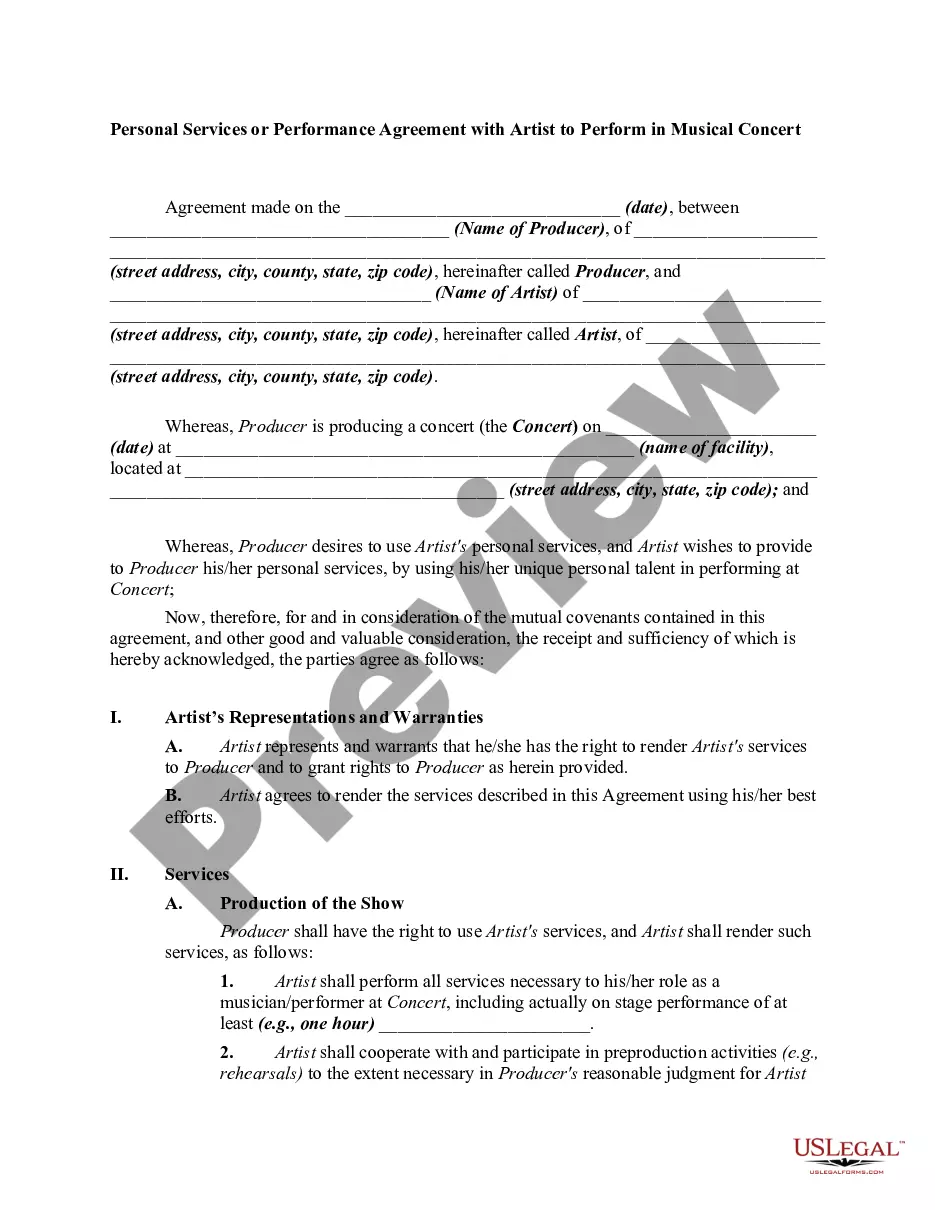
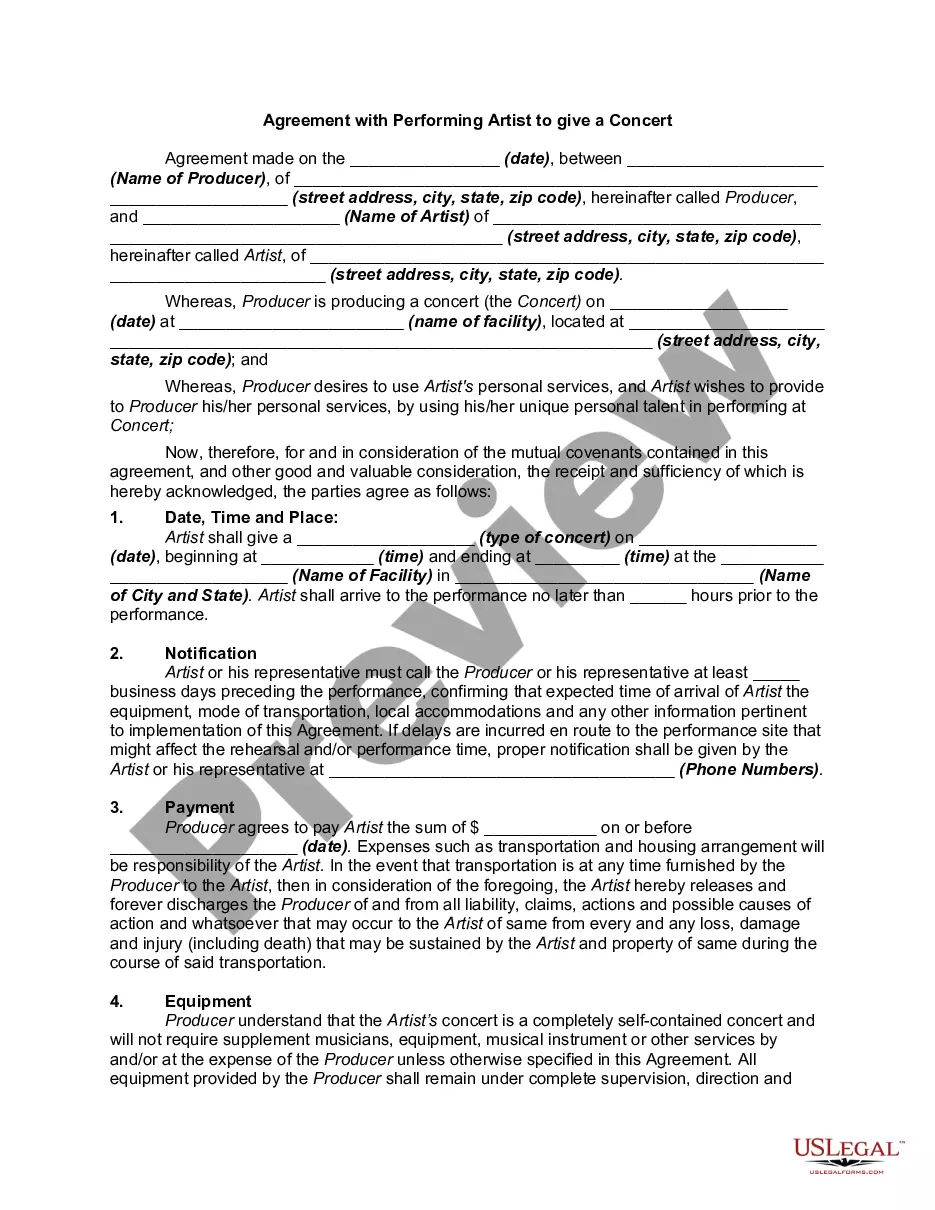
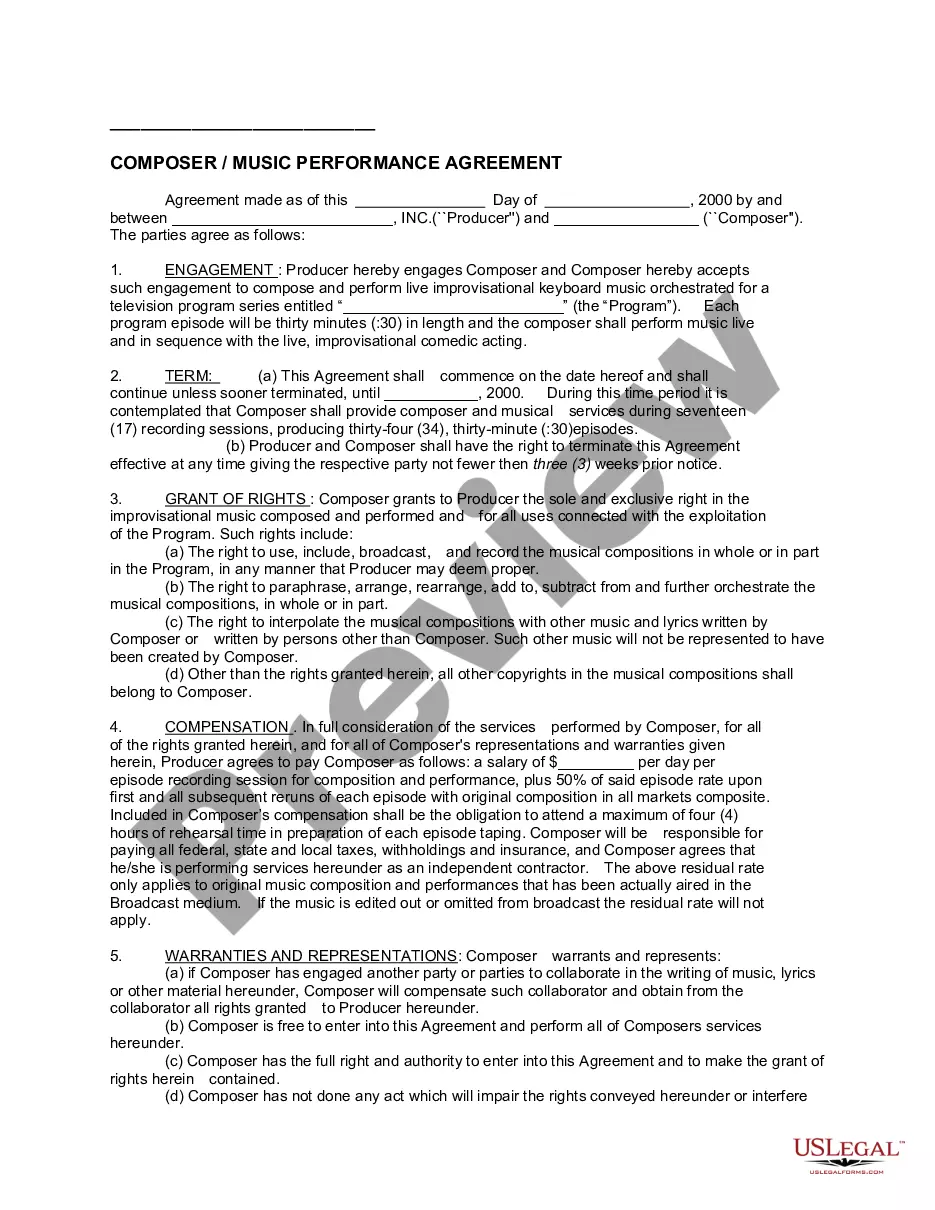
Description

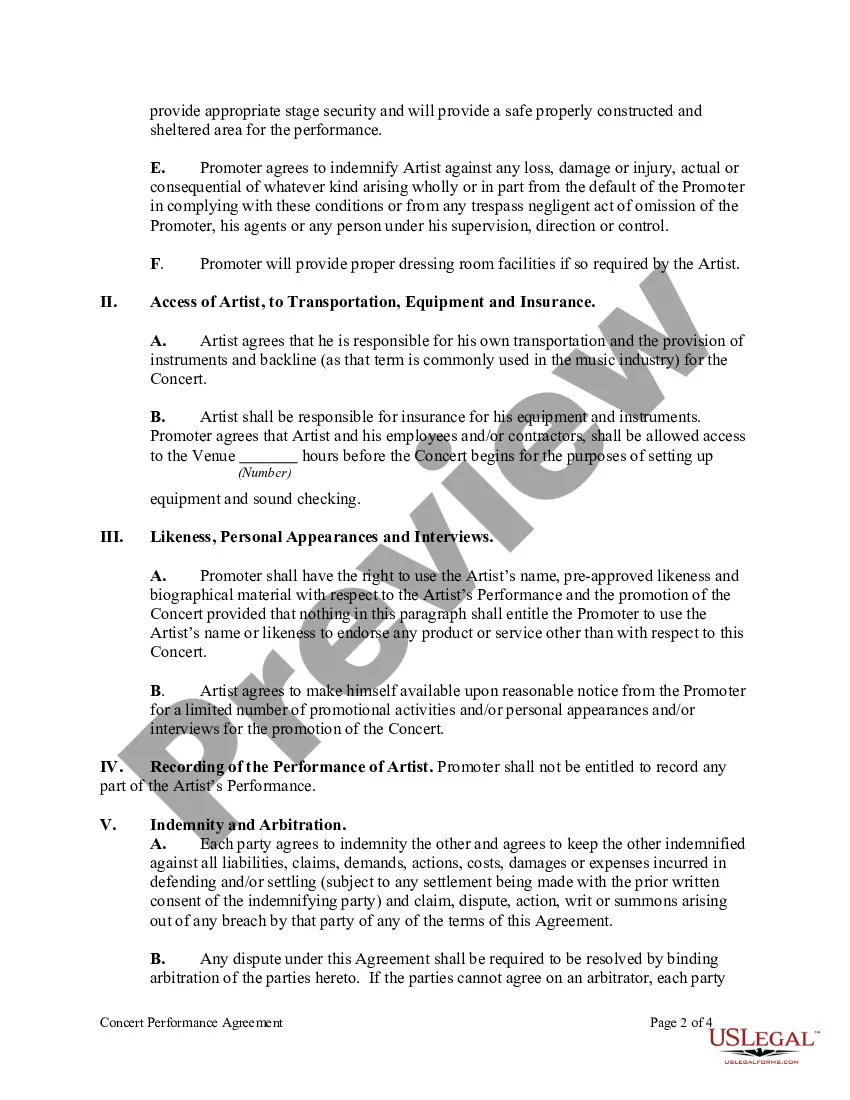
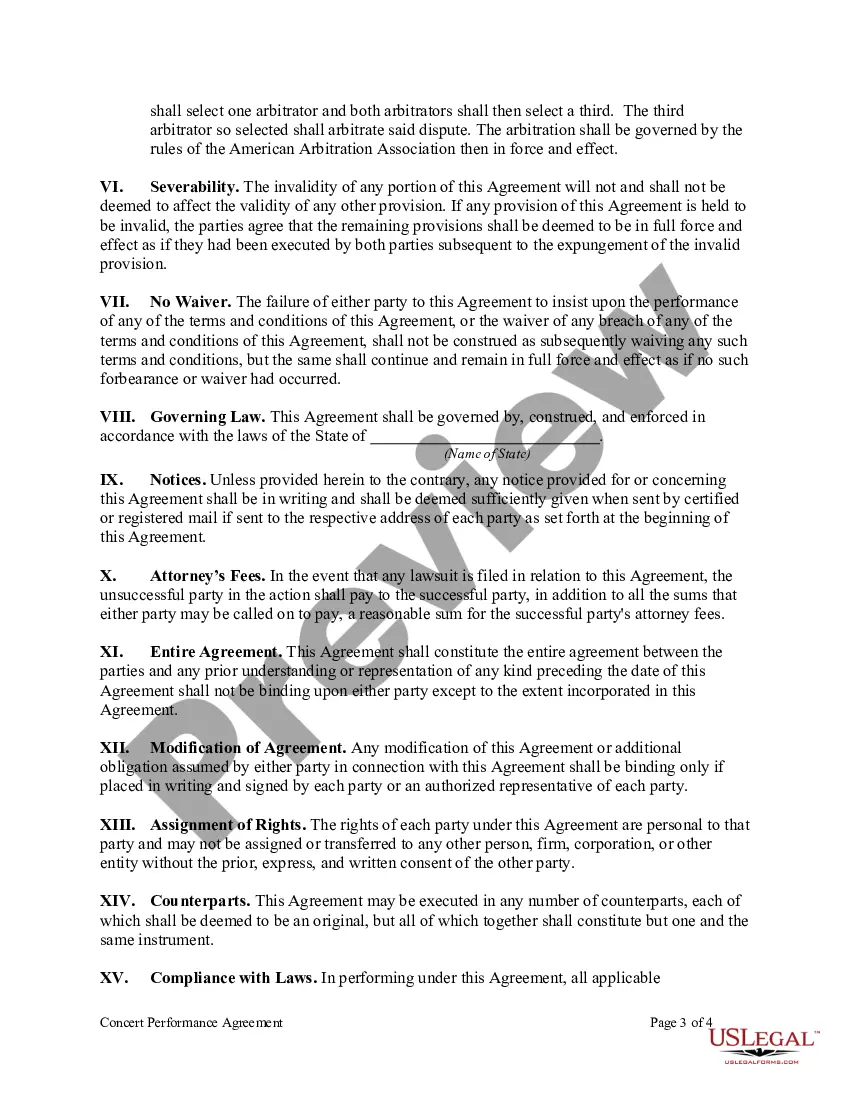
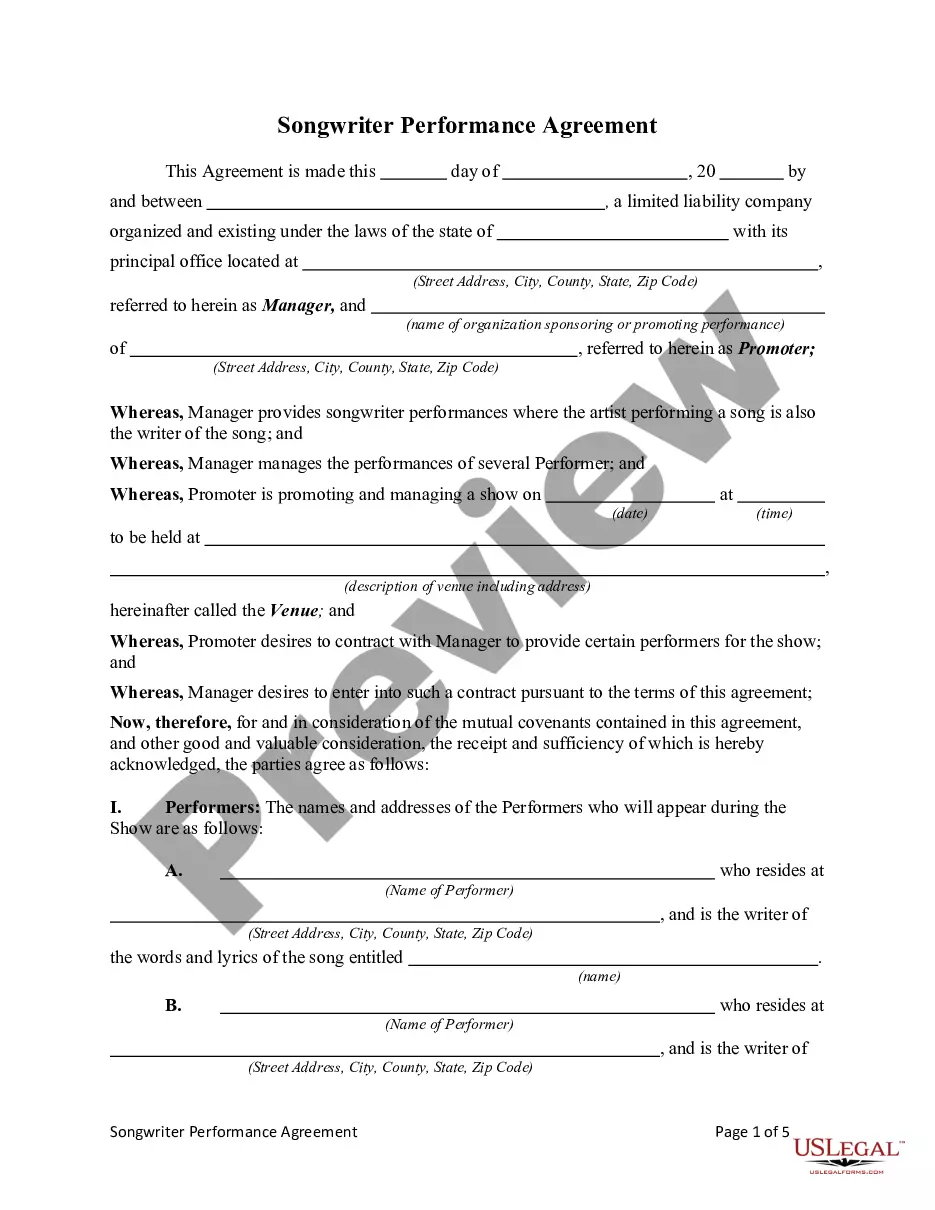
Get your form ready online
Our built-in tools help you complete, sign, share, and store your documents in one place.
Make edits, fill in missing information, and update formatting in US Legal Forms—just like you would in MS Word.
Download a copy, print it, send it by email, or mail it via USPS—whatever works best for your next step.
Sign and collect signatures with our SignNow integration. Send to multiple recipients, set reminders, and more. Go Premium to unlock E-Sign.
If this form requires notarization, complete it online through a secure video call—no need to meet a notary in person or wait for an appointment.
We protect your documents and personal data by following strict security and privacy standards.

Make edits, fill in missing information, and update formatting in US Legal Forms—just like you would in MS Word.

Download a copy, print it, send it by email, or mail it via USPS—whatever works best for your next step.

Sign and collect signatures with our SignNow integration. Send to multiple recipients, set reminders, and more. Go Premium to unlock E-Sign.

If this form requires notarization, complete it online through a secure video call—no need to meet a notary in person or wait for an appointment.

We protect your documents and personal data by following strict security and privacy standards.
Looking for another form?







Form popularity
FAQ
Performance Agreement (PA) is an annual individual performance planning document aligned to the Annual and Unit Plan, stating the agreed upon objectives to which the individual should contribute and related strategic initiatives. It also includes leadership and Annual objectives.
Performance Agreement: An arrangement between an employer and an employee, or a business and a contractor, which outlines the terms, expectations, goals, and standards of performance for each party. Scope: The range of activities, duties, and expectations covered by an agreement.
Take your time Take as much time as you can to reach an agreement you prefer. Rather than rushing into a negotiation, read through each document carefully. Before each meeting you have, review your notes again and develop any deliverables you plan to present. This can help address everything in the contract.
In the entertainment industry, performer agreements are essential contracts that outline the terms and conditions between performers and production companies or event organizers. These agreements ensure that all parties are on the same page regarding expectations, compensation, and responsibilities.
Here are the largest contracts in A's franchise history: Luis Severino: 3 years, $67 million. Eric Chavez: 6 years, $66 million. Yoenis Cespedes: 4 years, $36 million. Khris Davis: 2 years, $33.5 million. Trevor Cahill: 5 years, $30.5 million.
When you fill the form: Be honest and critical. Analyze your failures and mention the reasons for it. Keep the words minimal. Identify weaknesses. Mention your achievements. Link achievements to the job description and the organization's goals. Set the goals for the next review period. Resolve conflicts and grievances.
Follow these steps to put an effective performance agreement in place for your staff: Start With Clear Expectations. Build in Milestones. Agree on the Terms. Schedule Accountability Meetings. Establish Outcome Results and Consequences. Sign and Date the Agreement.
