Performance Agreement For Managers In Montgomery
Description

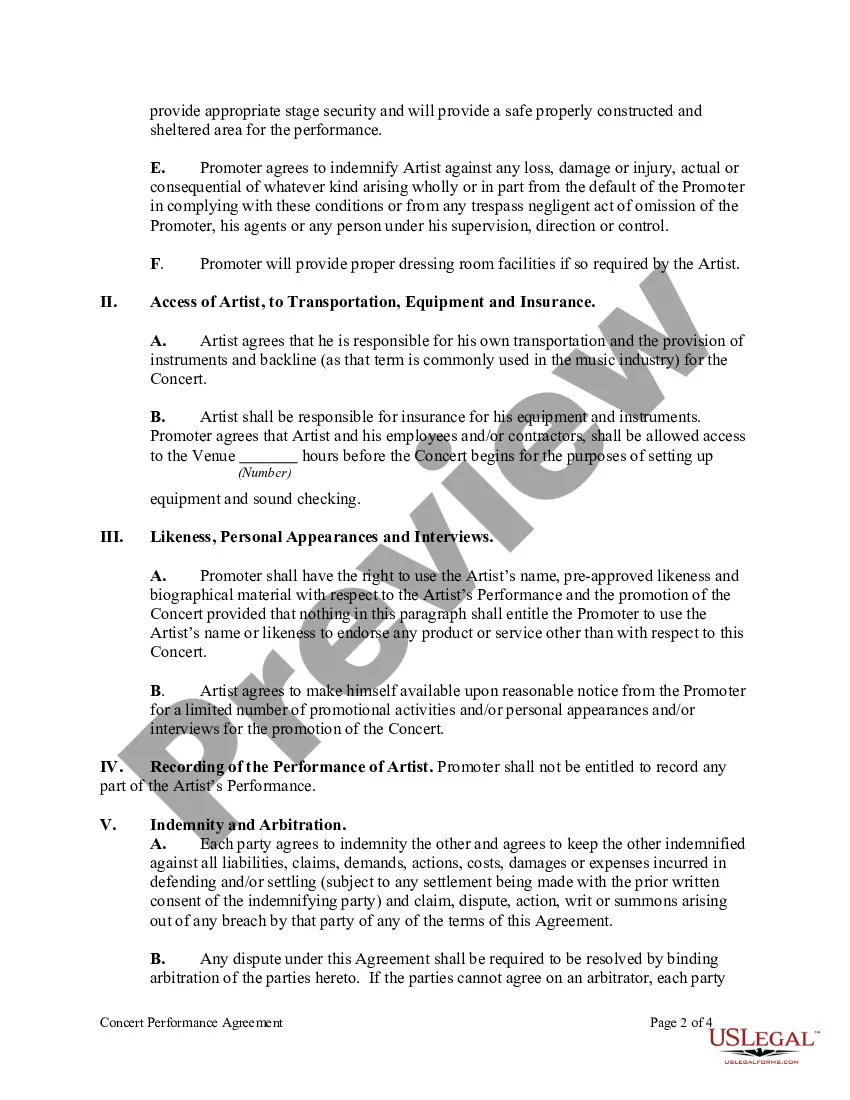
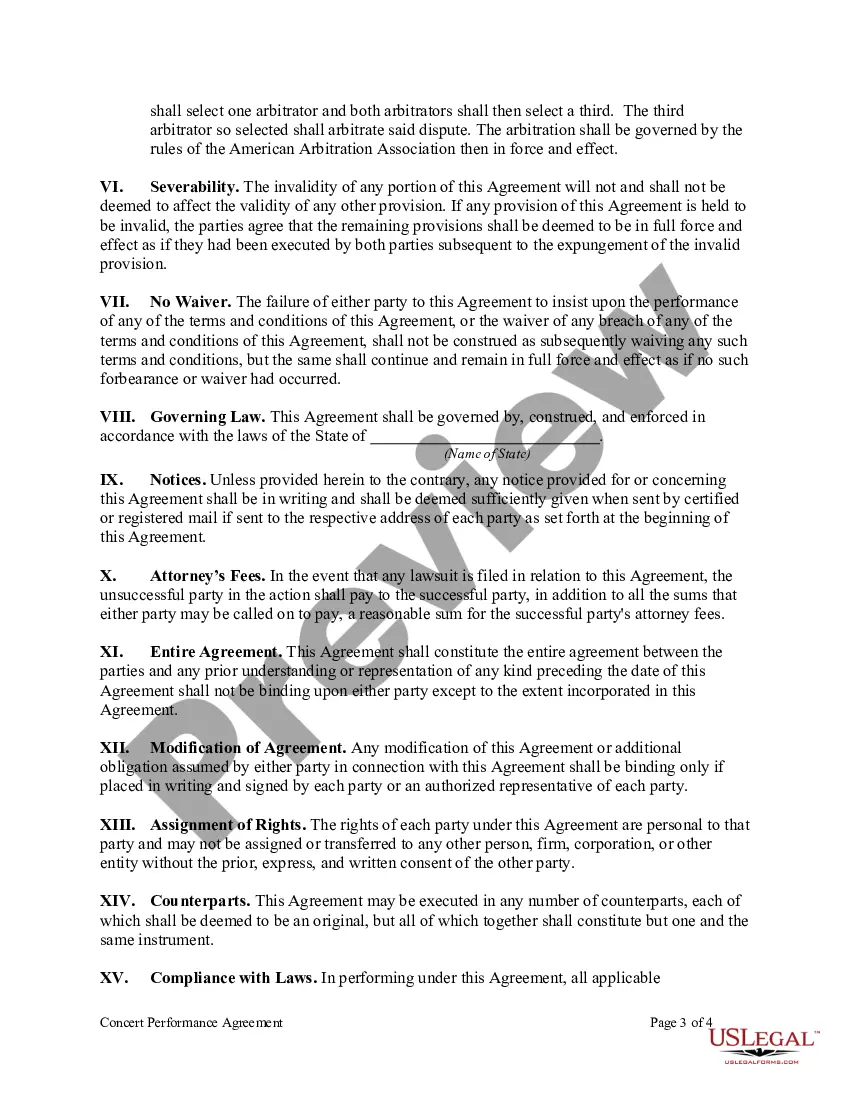
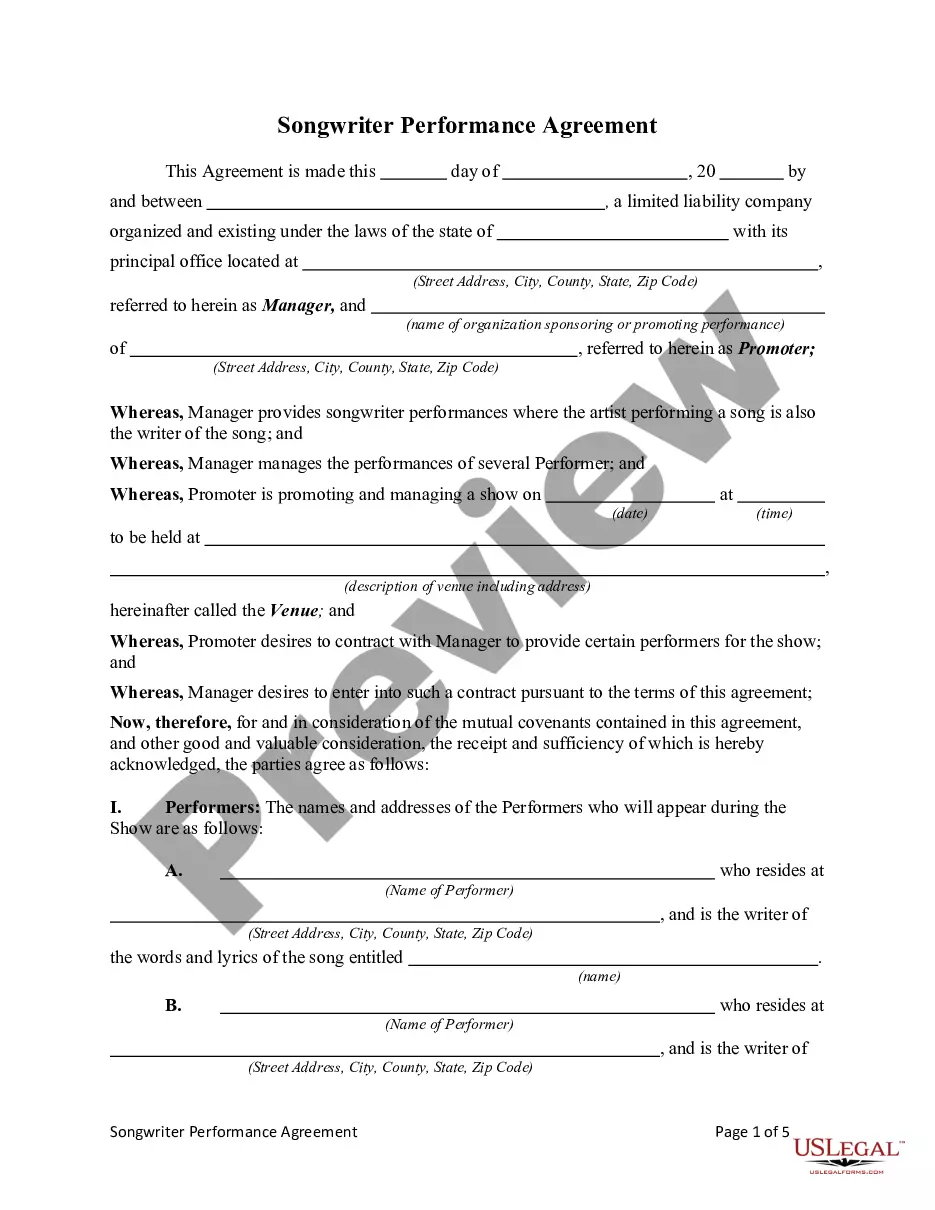
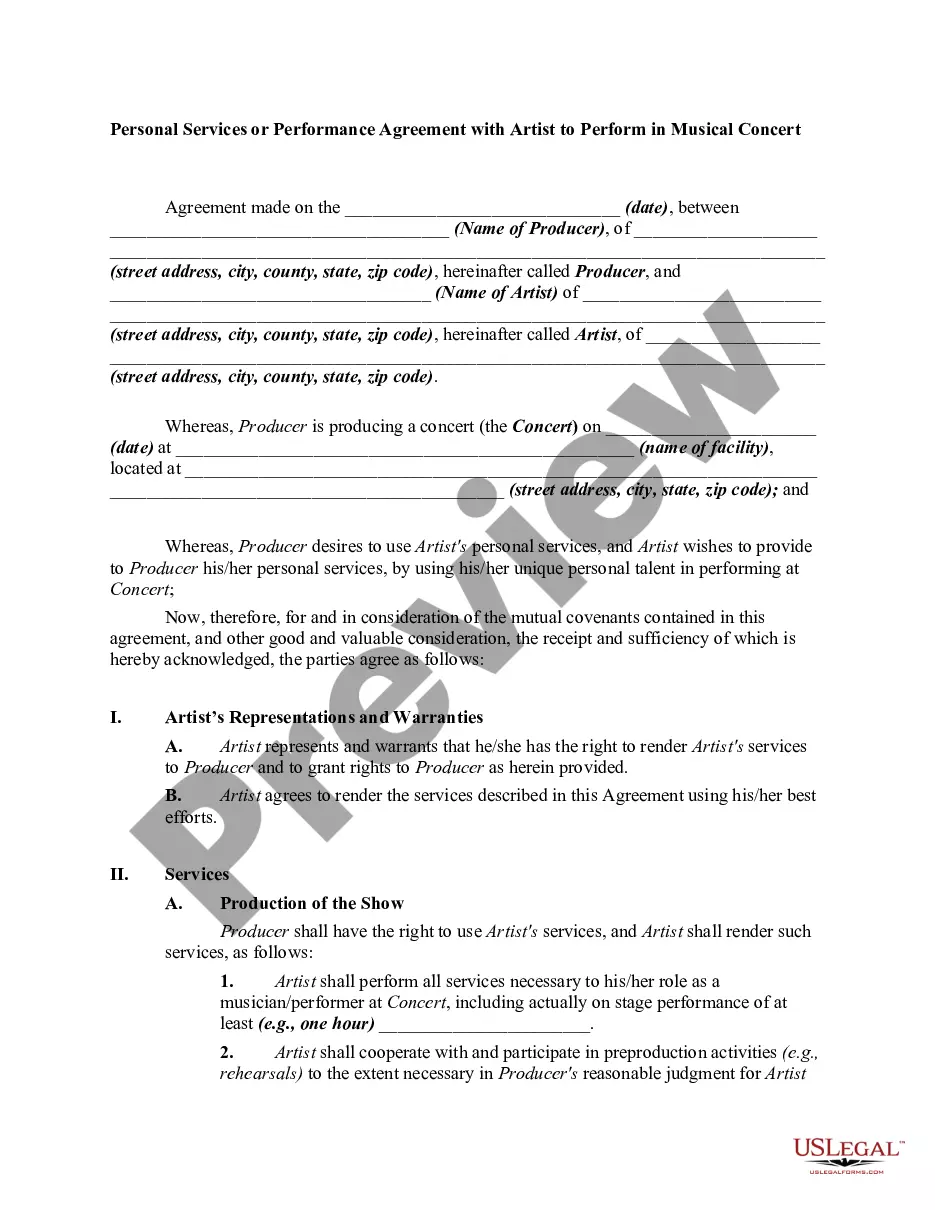
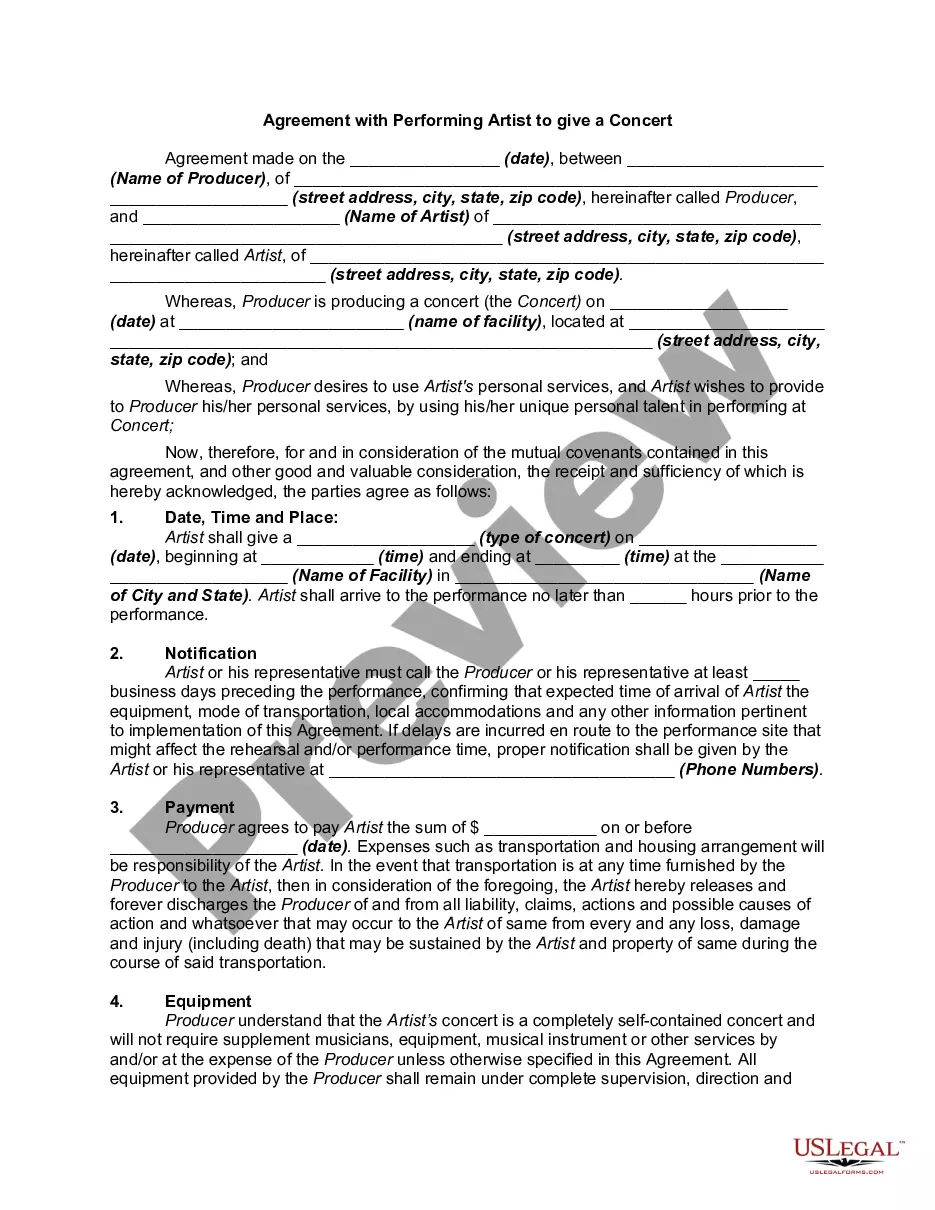
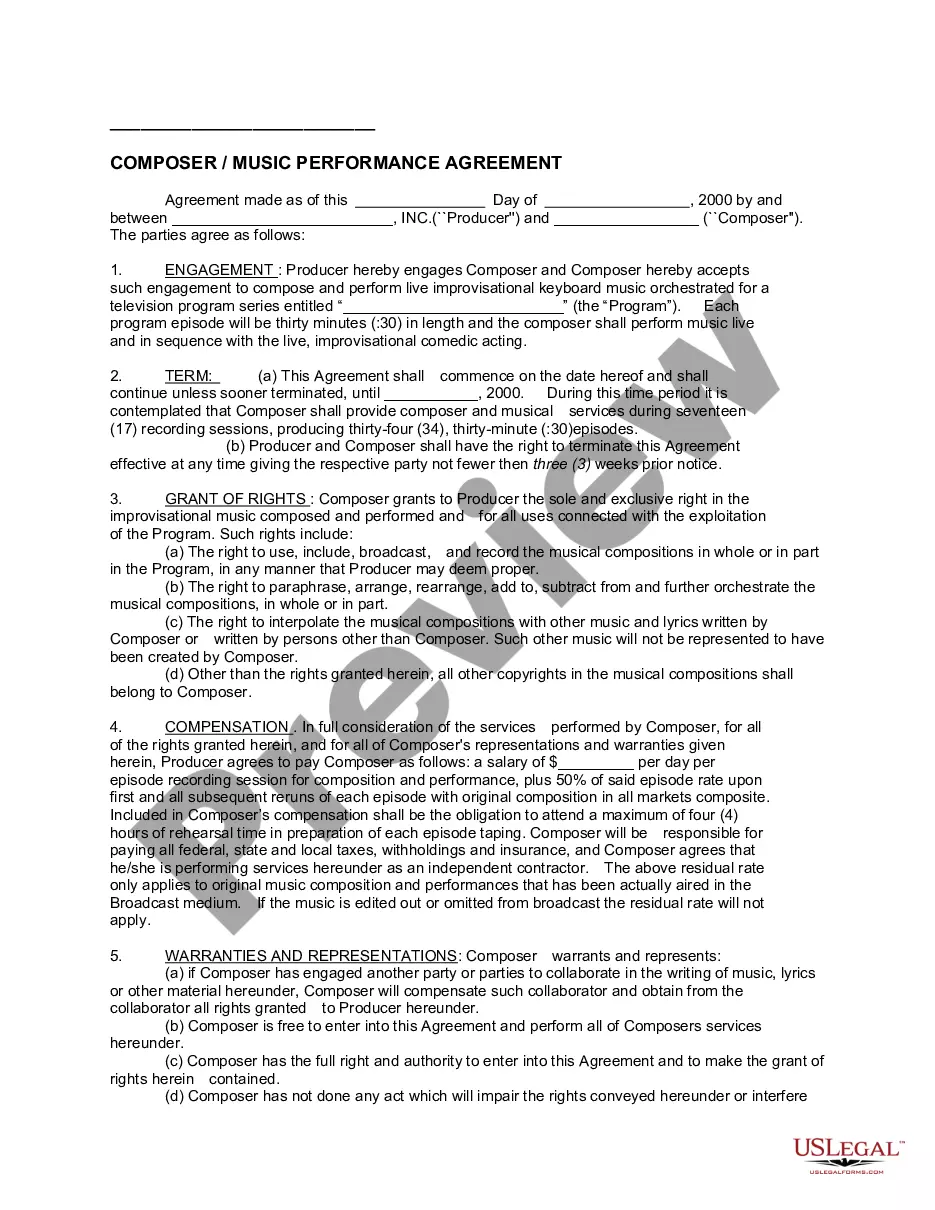
Get your form ready online
Our built-in tools help you complete, sign, share, and store your documents in one place.
Make edits, fill in missing information, and update formatting in US Legal Forms—just like you would in MS Word.
Download a copy, print it, send it by email, or mail it via USPS—whatever works best for your next step.
Sign and collect signatures with our SignNow integration. Send to multiple recipients, set reminders, and more. Go Premium to unlock E-Sign.
If this form requires notarization, complete it online through a secure video call—no need to meet a notary in person or wait for an appointment.
We protect your documents and personal data by following strict security and privacy standards.

Make edits, fill in missing information, and update formatting in US Legal Forms—just like you would in MS Word.

Download a copy, print it, send it by email, or mail it via USPS—whatever works best for your next step.

Sign and collect signatures with our SignNow integration. Send to multiple recipients, set reminders, and more. Go Premium to unlock E-Sign.

If this form requires notarization, complete it online through a secure video call—no need to meet a notary in person or wait for an appointment.

We protect your documents and personal data by following strict security and privacy standards.
Looking for another form?









Form popularity
FAQ
When you fill the form: Be honest and critical. Analyze your failures and mention the reasons for it. Keep the words minimal. Identify weaknesses. Mention your achievements. Link achievements to the job description and the organization's goals. Set the goals for the next review period. Resolve conflicts and grievances.
When you fill the form: Be honest and critical. Analyze your failures and mention the reasons for it. Keep the words minimal. Identify weaknesses. Mention your achievements. Link achievements to the job description and the organization's goals. Set the goals for the next review period. Resolve conflicts and grievances.
Reflect on your key accomplishments and contributions over the review period. Assess your performance against the goals, objectives, or key performance indicators (KPIs) set for your role. Identify areas where you demonstrated strong skills and competencies. Acknowledge any areas for improvement or development needs.
Example Phrases about Quality of Work "Your attention to detail and commitment to excellence are clearly reflected in your work." "You consistently deliver high-quality work, which significantly contributes to our project success." "Your work is frequently cited as a model of excellence for the team."
The 5 stages of a performance management cycle Planning. Each performance management cycle should start with setting performance expectations, goals, and key performance indicators (KPIs). Monitoring. Developing. Rating. Rewarding. HR professionals. Managers. Employees.
Generally, a self-evaluation should at the very least include where you see yourself excelling (and how) with regard to your job duties, where you feel like you might improve, some quantifiable or clear examples of your successes, and what your next-step goals are.
Performance agreements define executive accountability for specific organizational goals, help executives align daily operations, and clarify how work unit activities contribute to the agency's goals and objectives. Collaboration across organizational boundaries.
How to answer performance review questions Go to the point. Focus on what you have achieved with numbers and clear metrics. It's ok to admit failure if you have a plan. Communication and awareness questions. Feedback on your execution. Meeting expectations. Problems you can solve for your manager/team/company.
Here are five tips to help you answer skill-based interview questions about performance management: Understand the Fundamentals. Use the STAR Method. Highlight Your Soft Skills. Discuss Continuous Improvement. Prepare Examples of Challenges and Solutions.
When you fill the form: Be honest and critical. Analyze your failures and mention the reasons for it. Keep the words minimal. Identify weaknesses. Mention your achievements. Link achievements to the job description and the organization's goals. Set the goals for the next review period. Resolve conflicts and grievances.
