Performance Agreement For Receptionist In Minnesota
Description

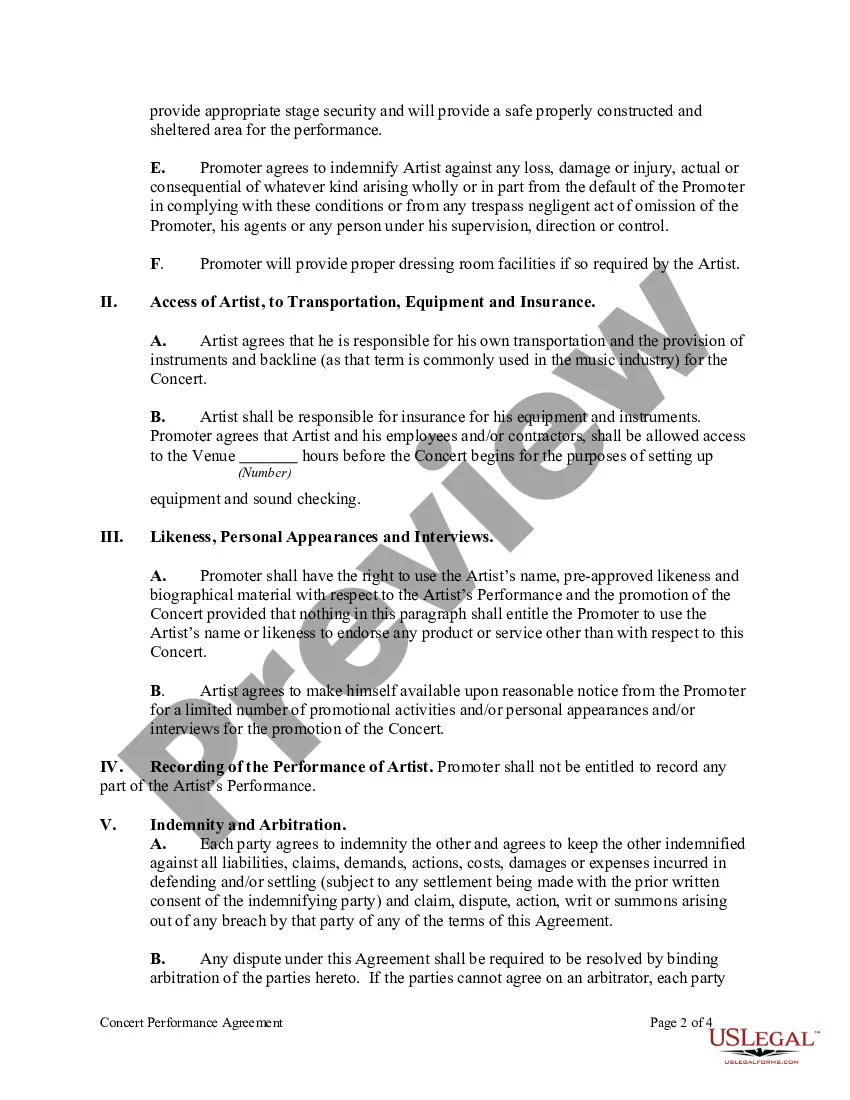
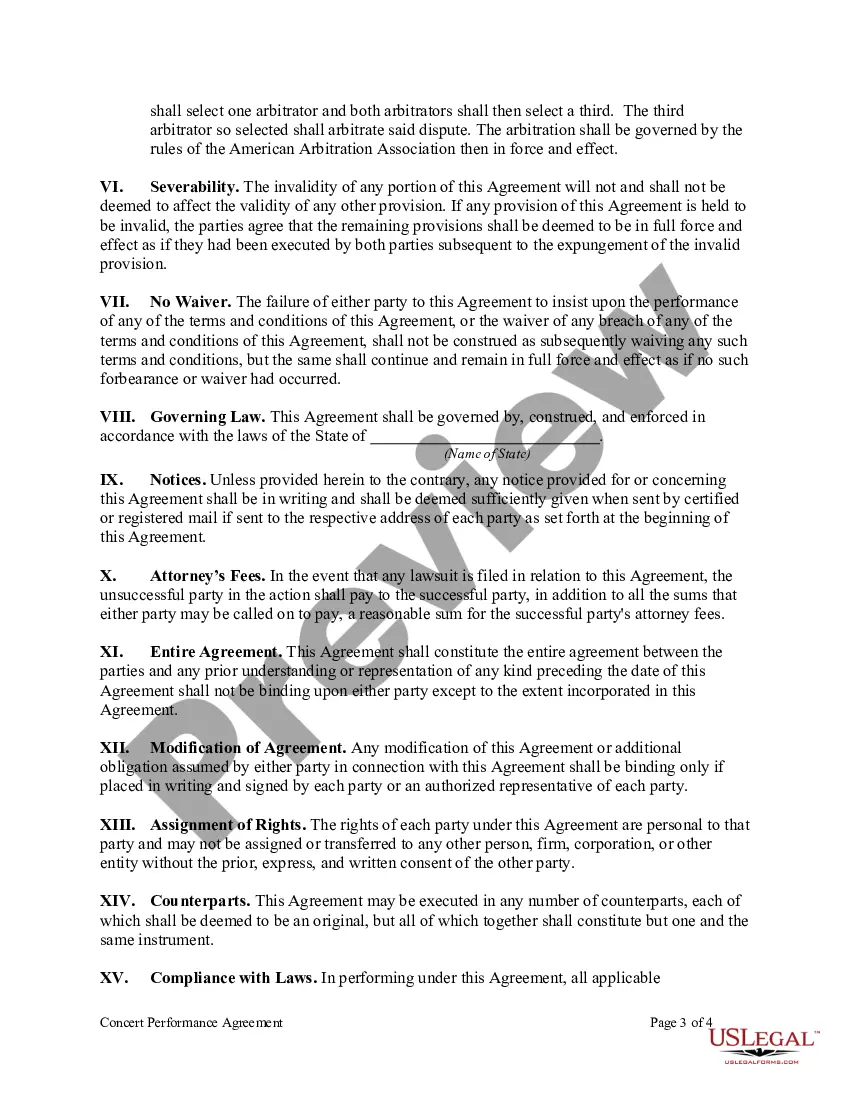
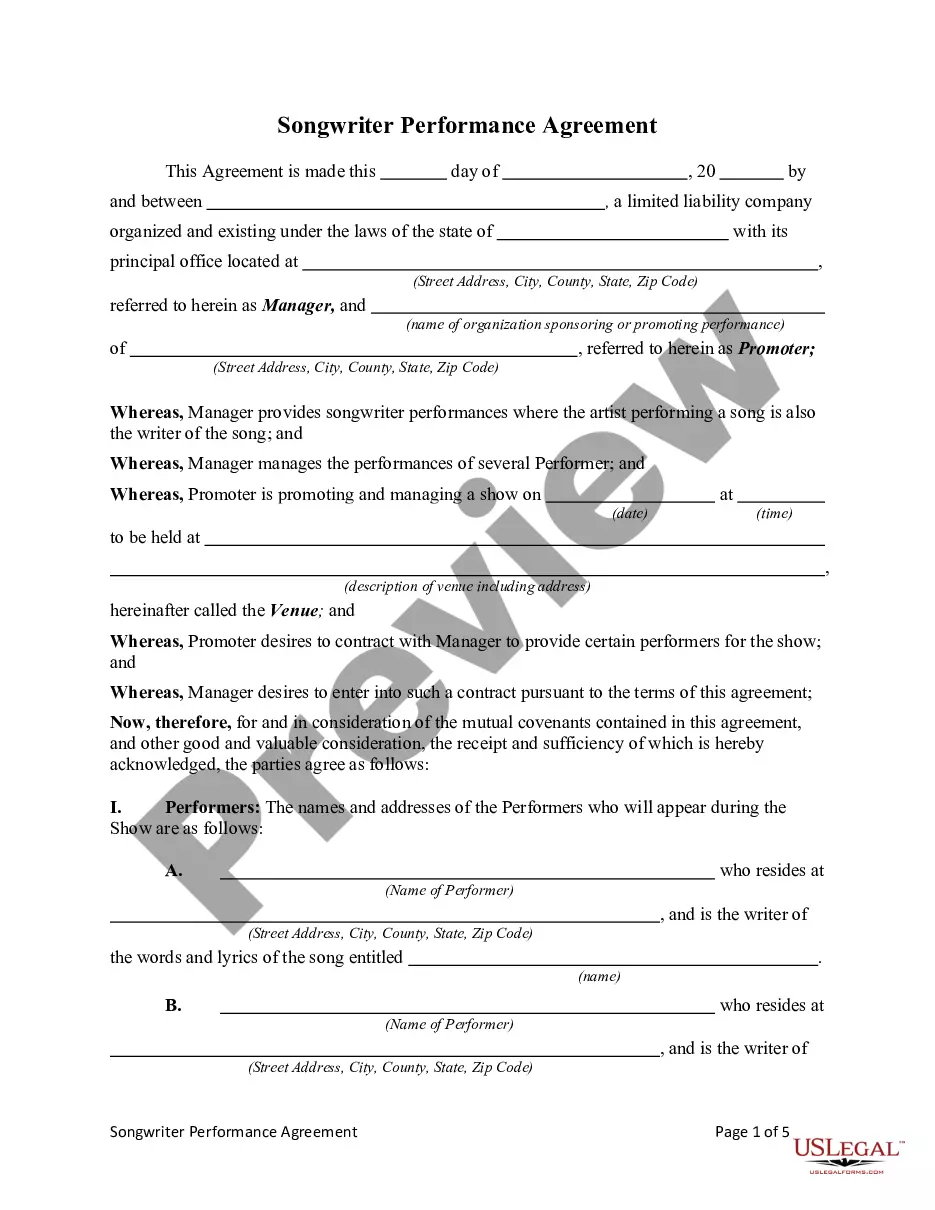
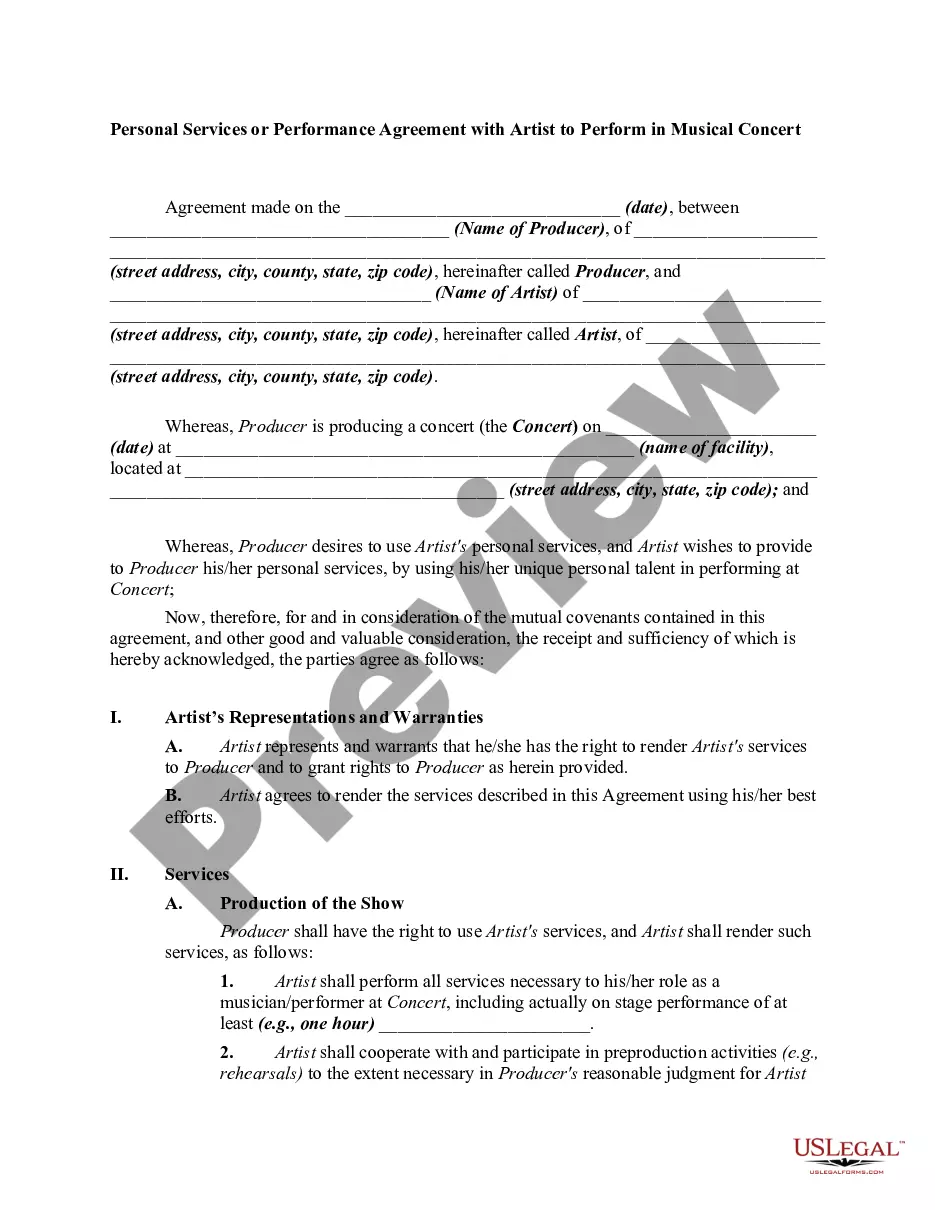
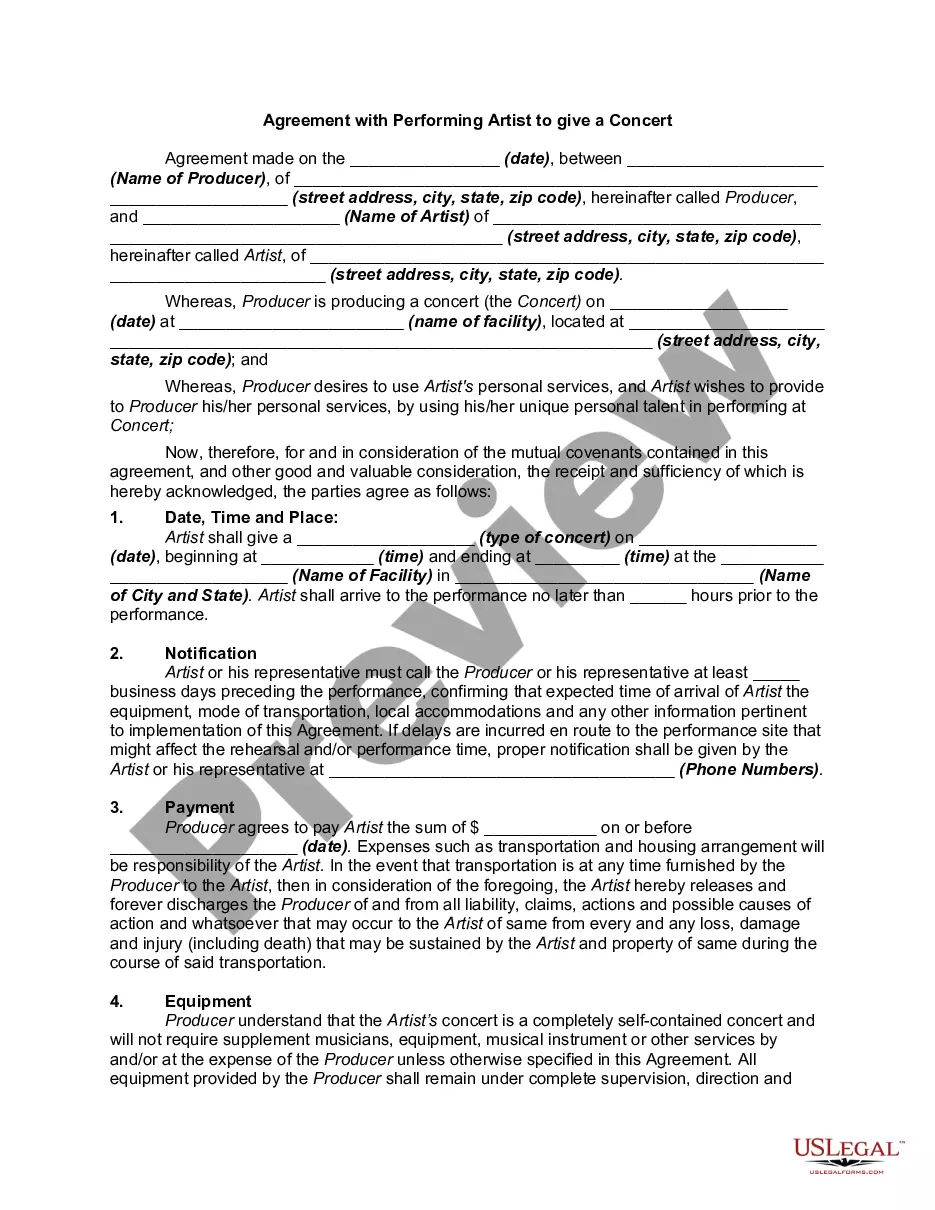
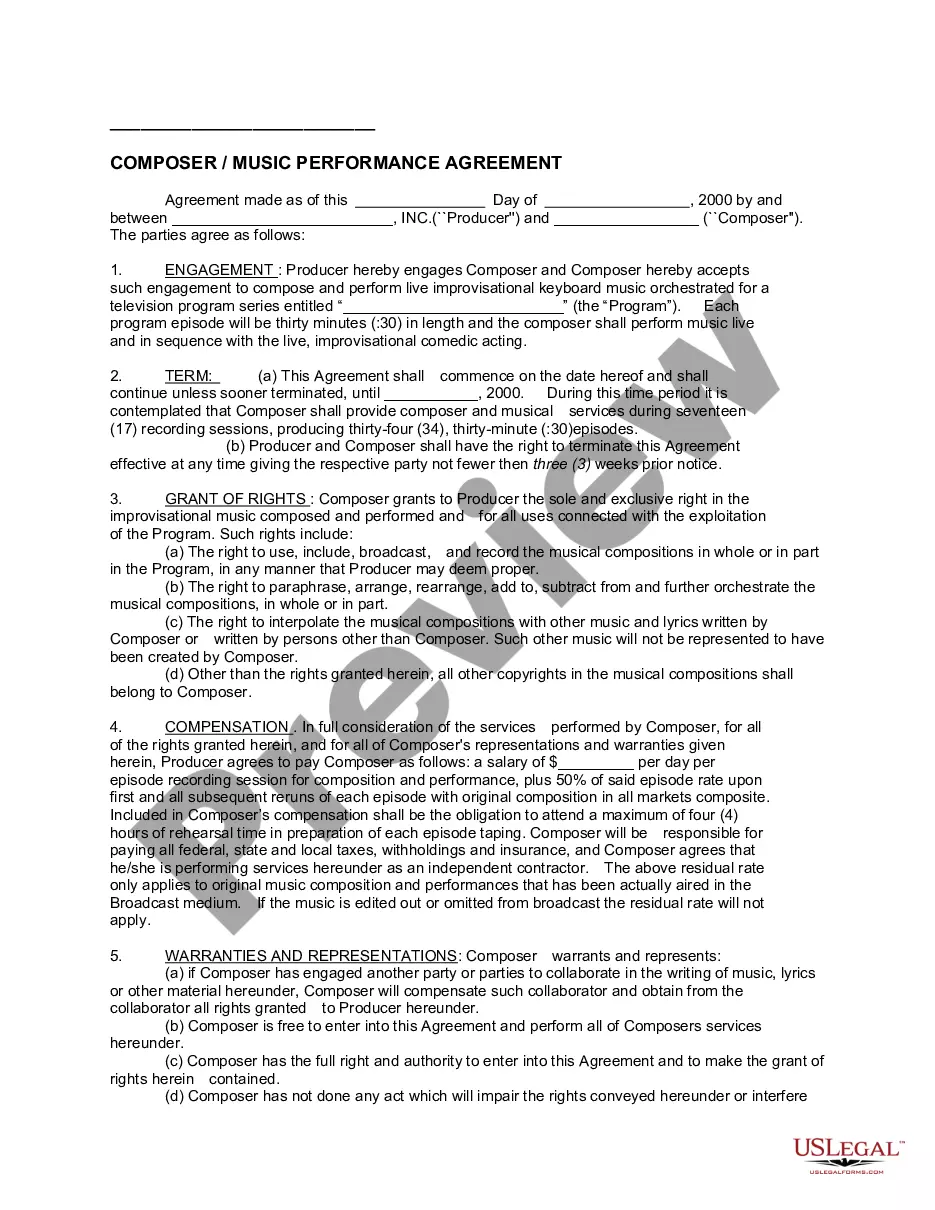
Get your form ready online
Our built-in tools help you complete, sign, share, and store your documents in one place.
Make edits, fill in missing information, and update formatting in US Legal Forms—just like you would in MS Word.
Download a copy, print it, send it by email, or mail it via USPS—whatever works best for your next step.
Sign and collect signatures with our SignNow integration. Send to multiple recipients, set reminders, and more. Go Premium to unlock E-Sign.
If this form requires notarization, complete it online through a secure video call—no need to meet a notary in person or wait for an appointment.
We protect your documents and personal data by following strict security and privacy standards.

Make edits, fill in missing information, and update formatting in US Legal Forms—just like you would in MS Word.

Download a copy, print it, send it by email, or mail it via USPS—whatever works best for your next step.

Sign and collect signatures with our SignNow integration. Send to multiple recipients, set reminders, and more. Go Premium to unlock E-Sign.

If this form requires notarization, complete it online through a secure video call—no need to meet a notary in person or wait for an appointment.

We protect your documents and personal data by following strict security and privacy standards.
Looking for another form?



Form popularity
FAQ
Mutual Agreement Between Performance Contractors The performance objectives, metrics, and timeline must be clearly defined. It should be transparent and encapsulate the shared understanding of the expectations. A performance contract cannot exist without all the parties involved agreeing with the contents.
A: The key elements of a Performance Agreement typically include details about the roles and responsibilities of each party in the agreement; any performance standards or goals which must be met; timelines for completion of tasks; payment terms; termination provisions; dispute resolution clauses; confidentiality ...
Follow these steps to put an effective performance agreement in place for your staff: Start With Clear Expectations. Build in Milestones. Agree on the Terms. Schedule Accountability Meetings. Establish Outcome Results and Consequences. Sign and Date the Agreement.
A Performance Agreement is a document that outlines the expectations of both parties in a work relationship. It is a way to ensure that both parties have agreed to the same terms and conditions, and is used to outline performance expectations, roles and responsibilities, timelines, and other pertinent information.
All five component processes (i.e., planning, monitoring, developing, rating, rewarding) work together and support each other, resulting in natural, effective performance management. Effective employee performance management encompasses the five key components presented above.
Permanent employment contract In the US, a permanent employee contract, sometimes called an open-ended contract, generally refers to an agreement between an employer and an employee where the employee is hired indefinitely. They are the most common type of contract and can be used for full- and part-time positions.
All employers must complete a Form I-9, Employment Eligibility Verification, to verify an employee's identity and employment authorization. Federal law also protects employees from discrimination based on national origin or citizenship status.
In Minnesota, non-disclosure agreements must adhere to state laws governing confidentiality agreements. These laws outline the essential elements that must be included in an NDA to make it legally binding.
Doesn't my employer have to give me a break? The state law requires employers to provide restroom time and sufficient time to eat a meal. If the break is less than 20 minutes in duration, it must be counted as hours worked. Time to use the nearest restroom must be provided within each four consecutive hours of work.
Most NDAs will have the specific penalties for violation laid out in their terms, which lets you know up-front what will happen should you break it. And, just as with any other breach of contract, it is possible that your employer will sue you in order to recoup the damages that your breach caused.
