Performance Agreement For Supply Chain Manager In Michigan
Description

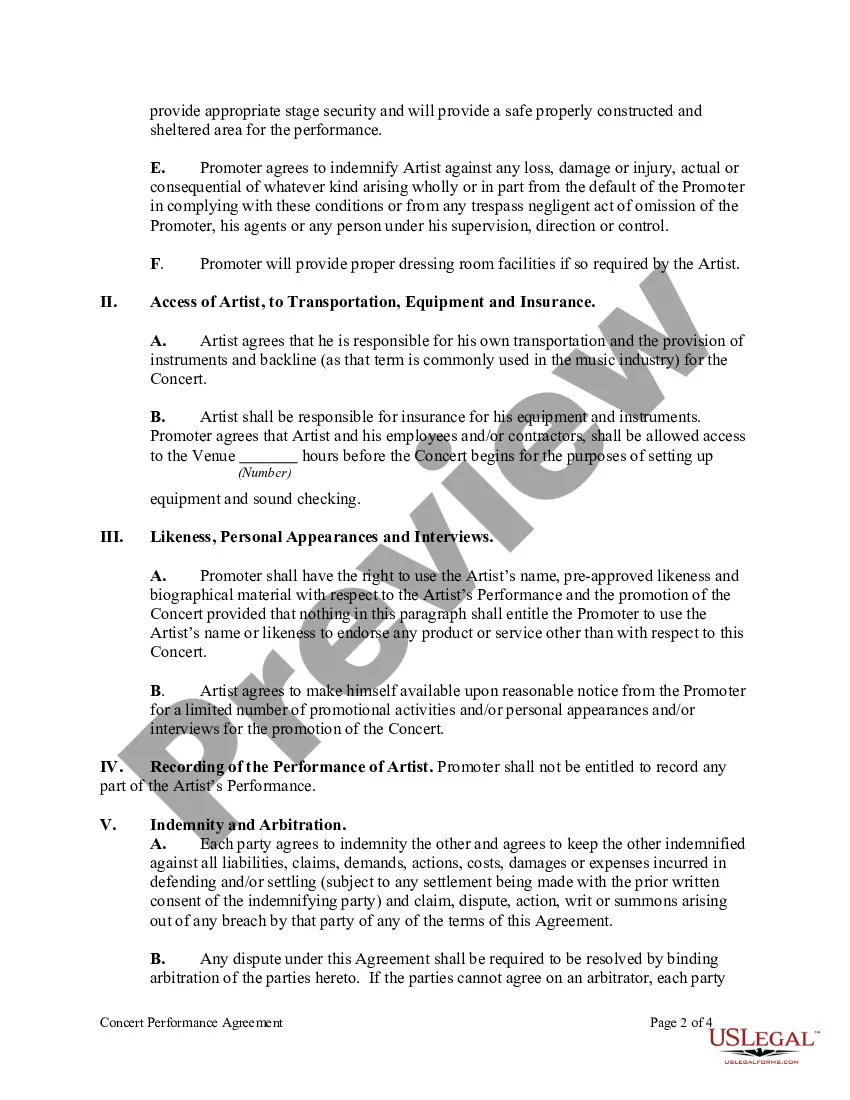
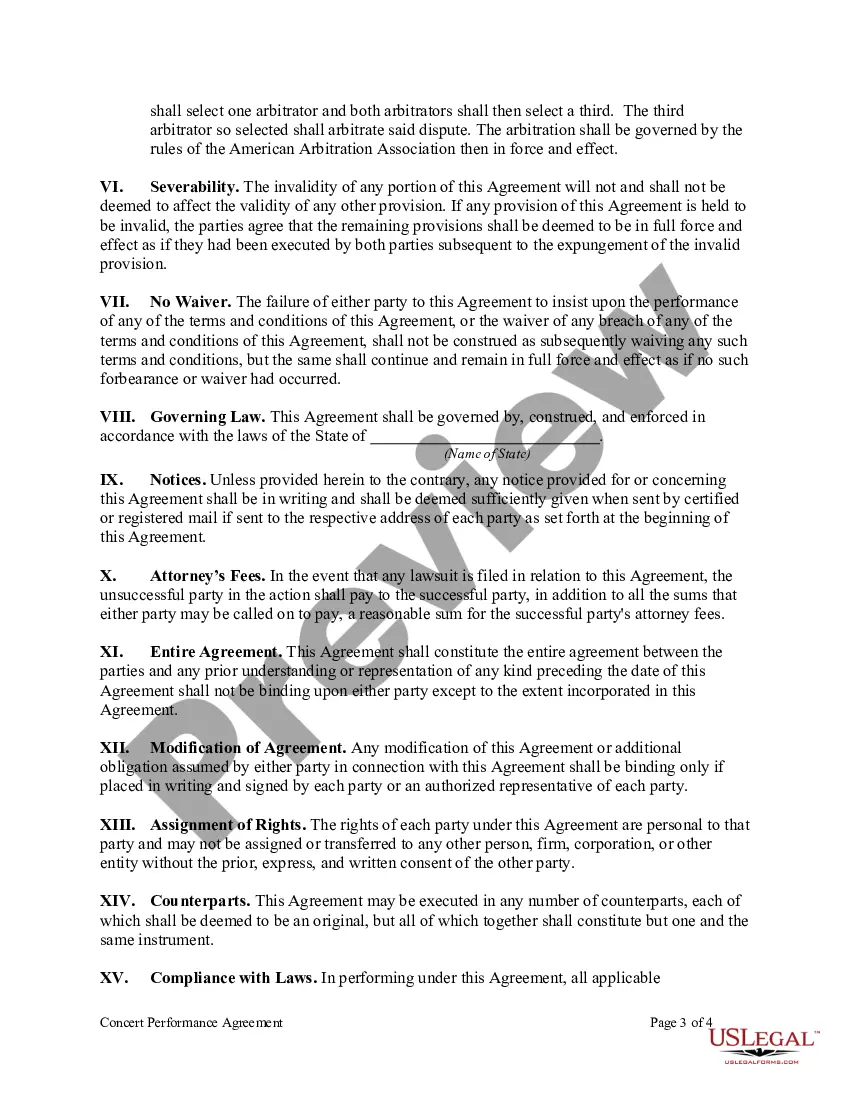
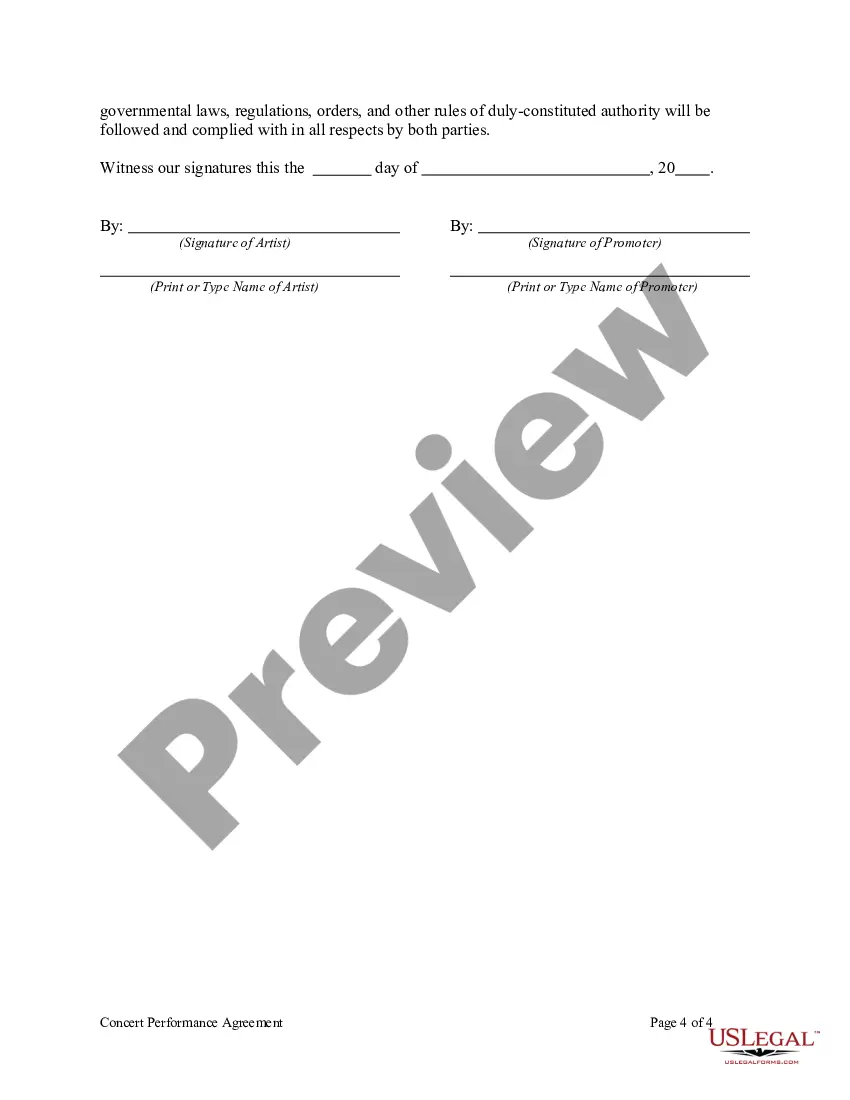
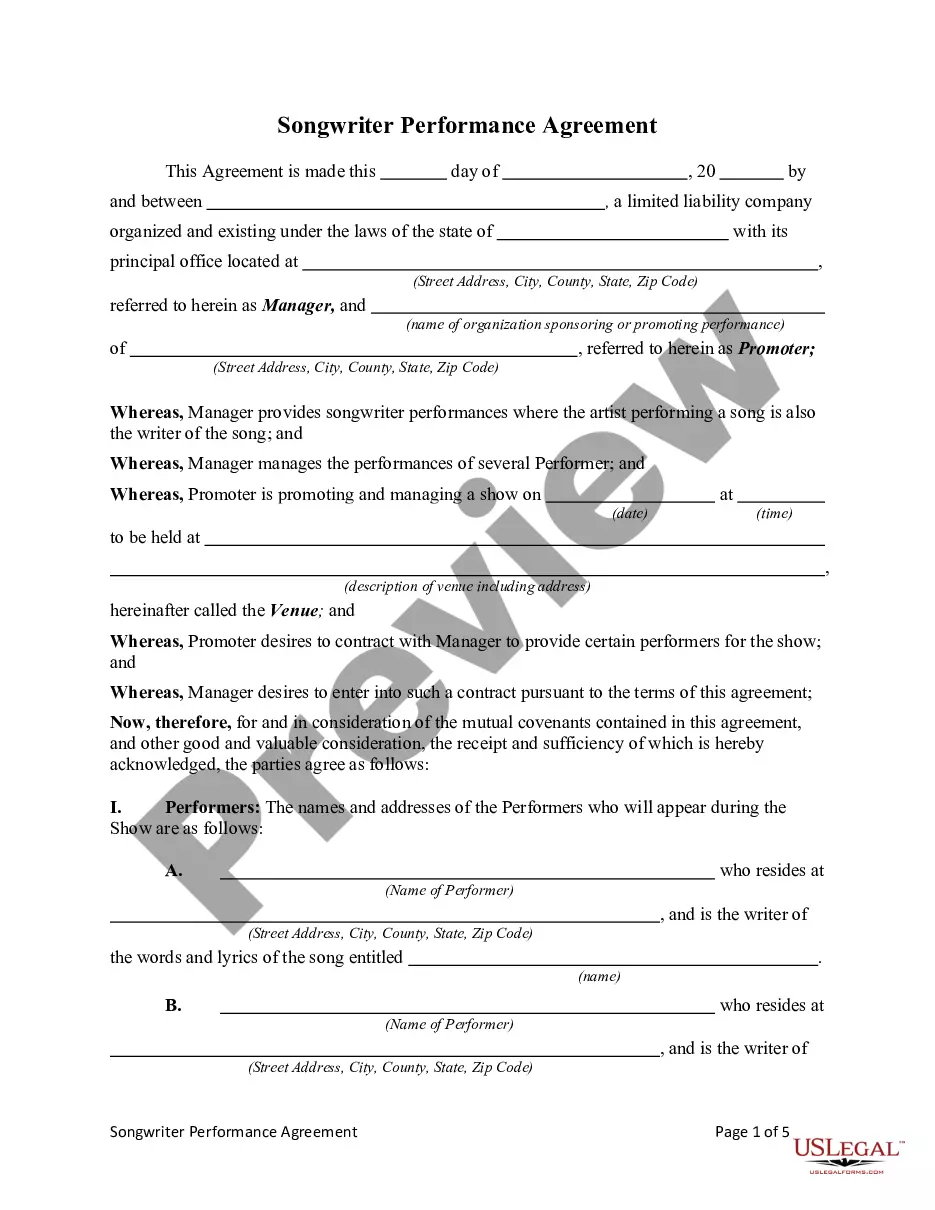
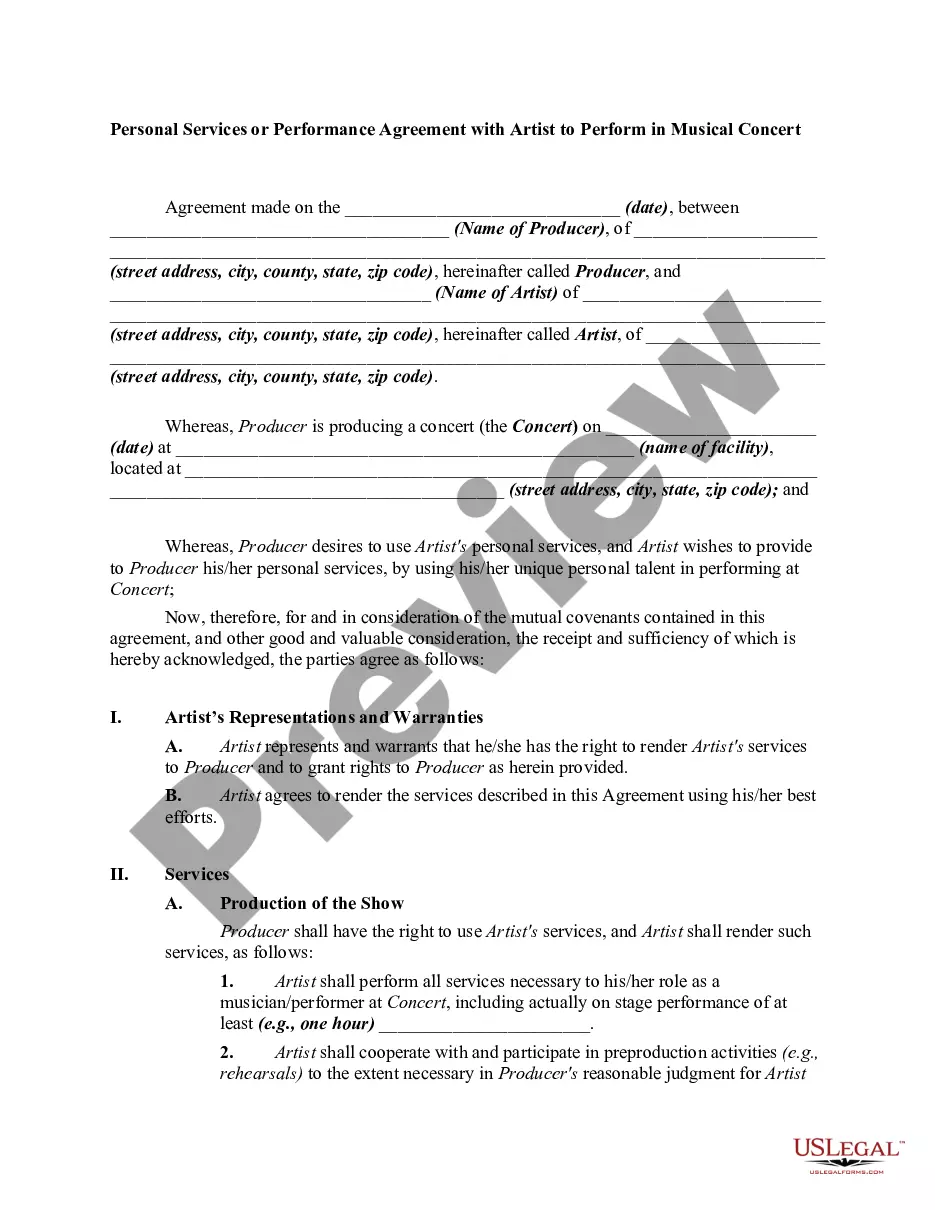
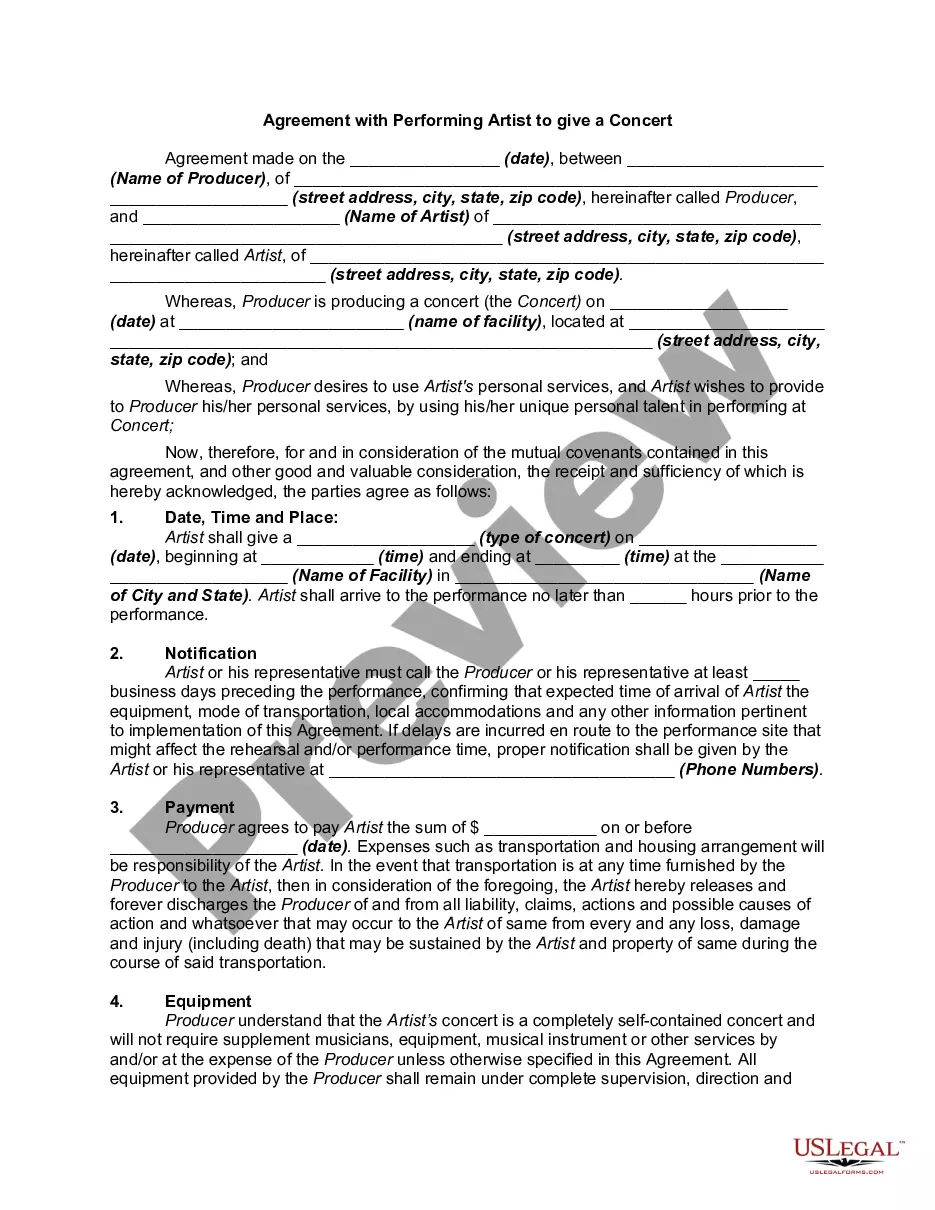
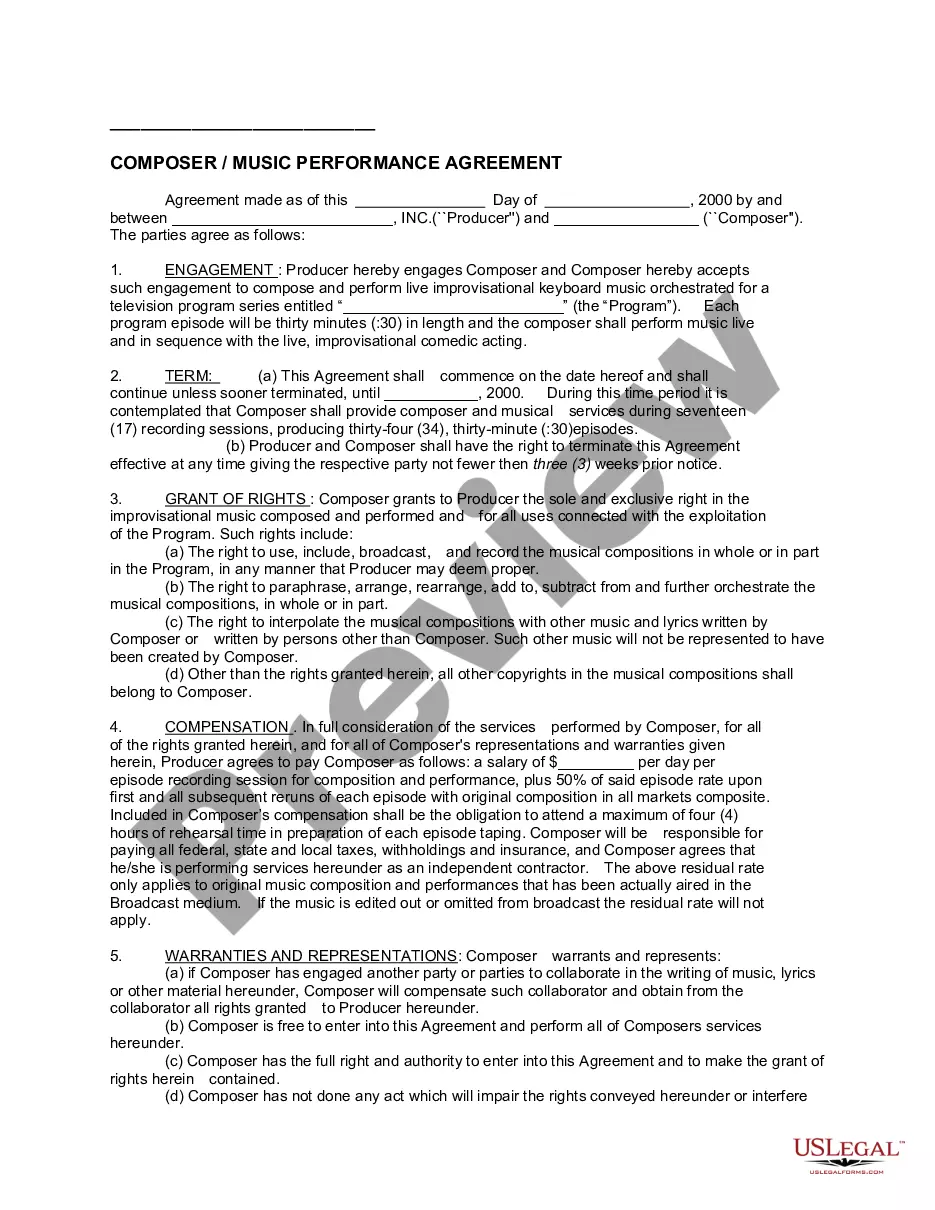
Get your form ready online
Our built-in tools help you complete, sign, share, and store your documents in one place.
Make edits, fill in missing information, and update formatting in US Legal Forms—just like you would in MS Word.
Download a copy, print it, send it by email, or mail it via USPS—whatever works best for your next step.
Sign and collect signatures with our SignNow integration. Send to multiple recipients, set reminders, and more. Go Premium to unlock E-Sign.
If this form requires notarization, complete it online through a secure video call—no need to meet a notary in person or wait for an appointment.
We protect your documents and personal data by following strict security and privacy standards.

Make edits, fill in missing information, and update formatting in US Legal Forms—just like you would in MS Word.

Download a copy, print it, send it by email, or mail it via USPS—whatever works best for your next step.

Sign and collect signatures with our SignNow integration. Send to multiple recipients, set reminders, and more. Go Premium to unlock E-Sign.

If this form requires notarization, complete it online through a secure video call—no need to meet a notary in person or wait for an appointment.

We protect your documents and personal data by following strict security and privacy standards.
Looking for another form?








Form popularity
FAQ
State of Michigan Procurement is the State of Michigan's central purchasing office and serves as the Department of Technology, Management and Budget's (DTMB) central purchasing authority.
Contract management is a systematic process of managing contracts to minimize operational and functional risks and optimize vendor performance. It involves contract creation, execution, and analysis. Depending on the business operations, it also consists of termination of contracts.
Per contract law, a contract is only considered to be legally binding if it is mutually beneficial for all parties involved. This is also known as consideration. When one party does something without getting anything in return, the contract is typically considered unenforceable by the courts.
Procurement management is the strategic administration of an organization's spend, which includes the purchasing of goods and services. Procurement management involves vetting out quality products, services and vendors from a set budget within a specific timeframe.
Follow these steps to put an effective performance agreement in place for your staff: Start With Clear Expectations. Build in Milestones. Agree on the Terms. Schedule Accountability Meetings. Establish Outcome Results and Consequences. Sign and Date the Agreement.
Here's the proven 9-step process for developing a performance plan: Automate the process. Explain performance reviews. Align goals. Define tactics. Connect employees to the bigger picture. Discuss performance. Create an ongoing communication plan. Set regular performance reviews.
Some examples of Contract Management activities are: Phone calls with suppliers; Meetings with suppliers; Score carding of suppliers; Site visits; Analysing performance information; Problem solving; Benchmarking against other similar contracts/suppliers; Analysing management information.
The Management and Budget Act, Public Act 431 of 1984.
Contract management is defined as the overall process of effectively planning, administering and managing commercial contracts with various entities such as vendors, partners, customers, and employees at all stages of their engagement with a business.
Mutuality of Obligation: Conditions for All Signees Mutuality of obligation means that both parties to the contract are bound by its terms. Mutuality is not present if one party is obligated to perform, but the other party is not. A contract will be found void if it lacks mutuality of obligation.
