Performance Agreement For Receptionist In Michigan
Description

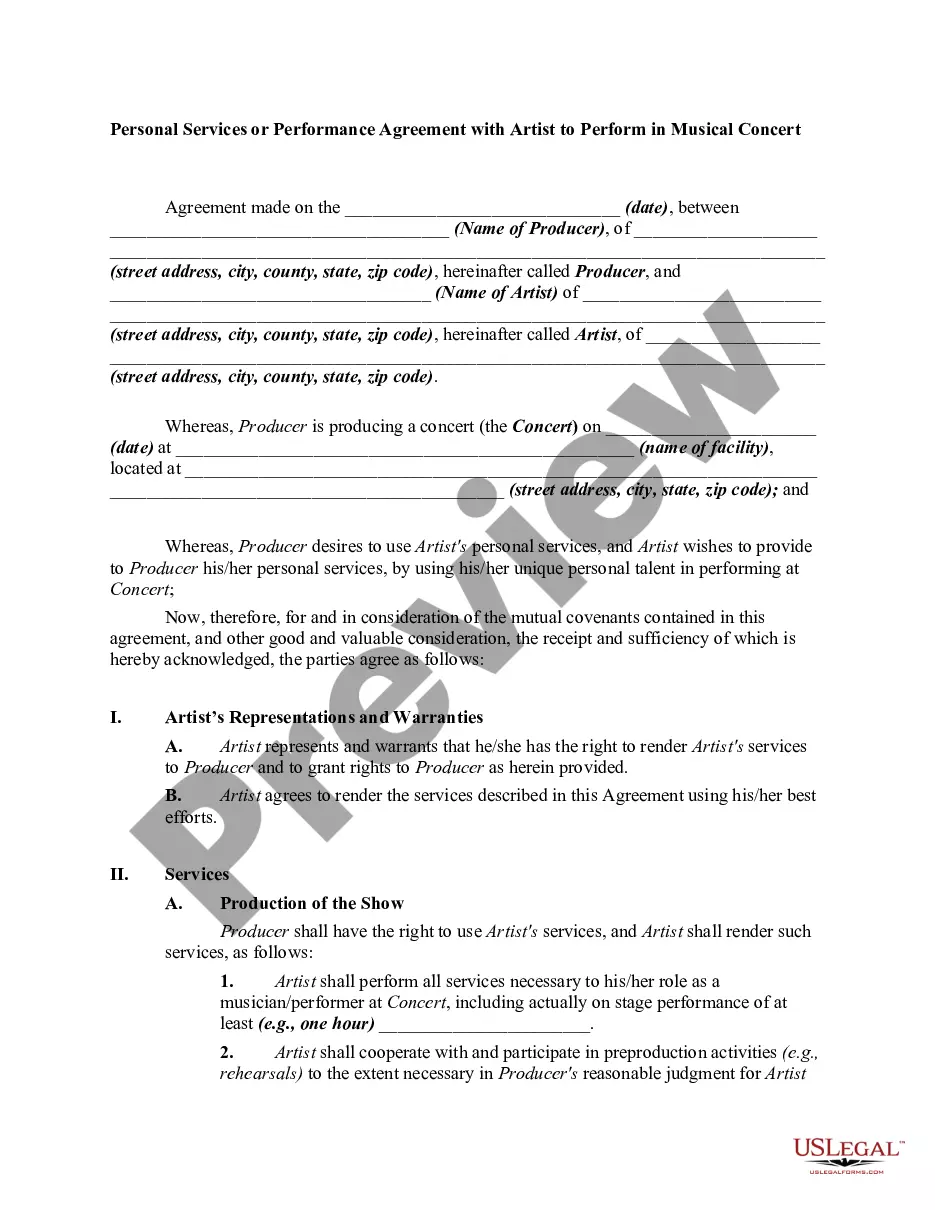
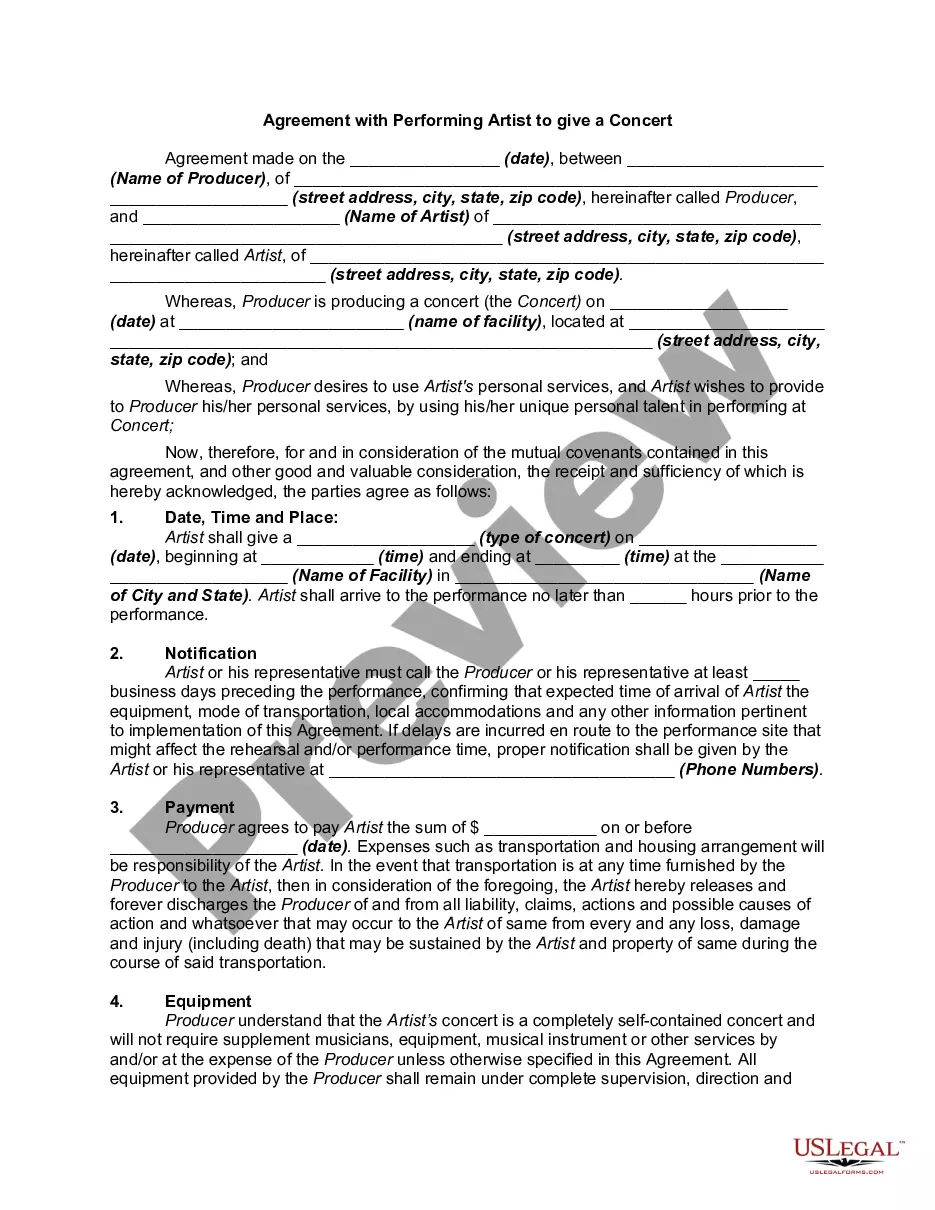
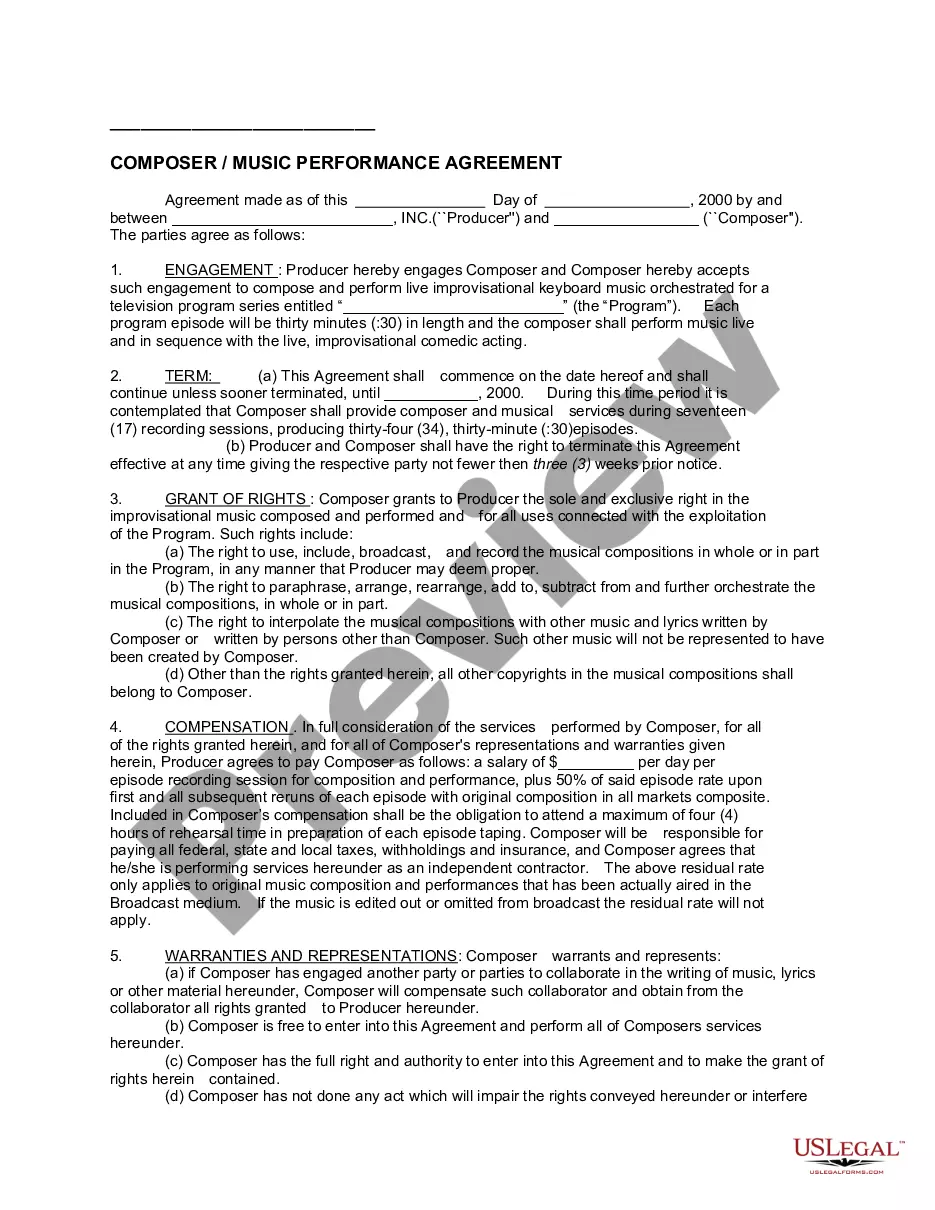
Get your form ready online
Our built-in tools help you complete, sign, share, and store your documents in one place.
Make edits, fill in missing information, and update formatting in US Legal Forms—just like you would in MS Word.
Download a copy, print it, send it by email, or mail it via USPS—whatever works best for your next step.
Sign and collect signatures with our SignNow integration. Send to multiple recipients, set reminders, and more. Go Premium to unlock E-Sign.
If this form requires notarization, complete it online through a secure video call—no need to meet a notary in person or wait for an appointment.
We protect your documents and personal data by following strict security and privacy standards.

Make edits, fill in missing information, and update formatting in US Legal Forms—just like you would in MS Word.

Download a copy, print it, send it by email, or mail it via USPS—whatever works best for your next step.

Sign and collect signatures with our SignNow integration. Send to multiple recipients, set reminders, and more. Go Premium to unlock E-Sign.

If this form requires notarization, complete it online through a secure video call—no need to meet a notary in person or wait for an appointment.

We protect your documents and personal data by following strict security and privacy standards.
Looking for another form?










Form popularity
FAQ
Performance Agreement: An arrangement between an employer and an employee, or a business and a contractor, which outlines the terms, expectations, goals, and standards of performance for each party. Scope: The range of activities, duties, and expectations covered by an agreement.
Backstage at every great live show is a contract working just as hard as the act on stage — the live performance contract. A live performance contract is a contract between the client (the venue) and a performer when the performer is hired to provide entertainment services at an event.
Follow these steps to put an effective performance agreement in place for your staff: Start With Clear Expectations. Build in Milestones. Agree on the Terms. Schedule Accountability Meetings. Establish Outcome Results and Consequences. Sign and Date the Agreement.
Follow these steps to put an effective performance agreement in place for your staff: Start With Clear Expectations. Build in Milestones. Agree on the Terms. Schedule Accountability Meetings. Establish Outcome Results and Consequences. Sign and Date the Agreement.
(3) An employer shall maintain the records required under this section for not less than 3 years. Those records shall be open to inspection by the director of labor or an authorized representative of the director at any reasonable time.
Yes. Employment contracts are enforceable in Michigan, but certain provisions of employment contracts must follow state laws to be enforceable. The employment contract clauses that are most regulated are restrictive covenants that limit an employee's ability for future employment like a non-competition clause.
Finally, employers must maintain these records for at least three years and keep them open for inspection by Michigan Department of Licensing and Regulatory Affairs (LARA) during the retention period.
Keep all records of employment taxes for at least four years after filing the 4th quarter for the year. These should be available for IRS review. Records should include: Your employer identification number.
MCL - Act 397 of 1978. AN ACT to permit employees to review personnel records; to provide criteria for the review; to prescribe the information which may be contained in personnel records; and to provide penalties.
Often, employers will use a 7-year rule for purging terminated employee files as this typically covers state and federal statutes of limitations; although shorter retention periods may suffice for some records such as I-9 forms and longer periods may apply to other records such as OSHA exposure records.
