Performance Agreements For Employees In Maryland
Description

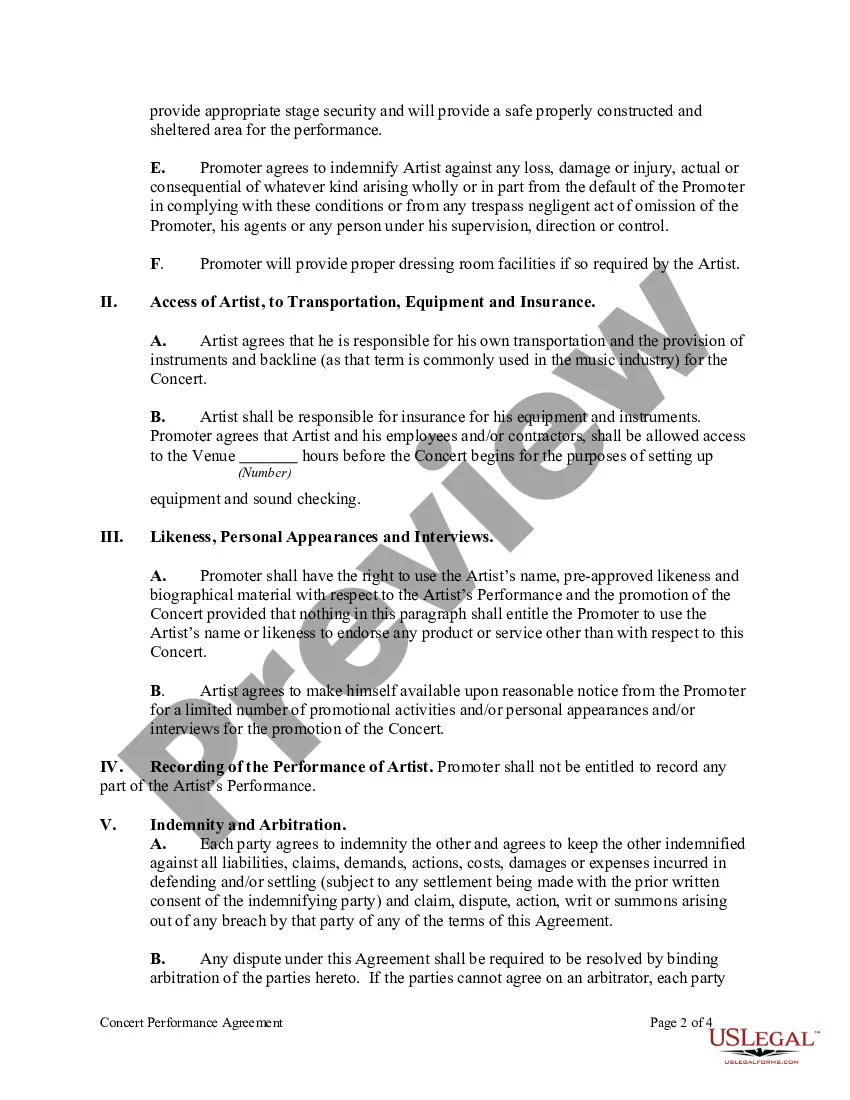
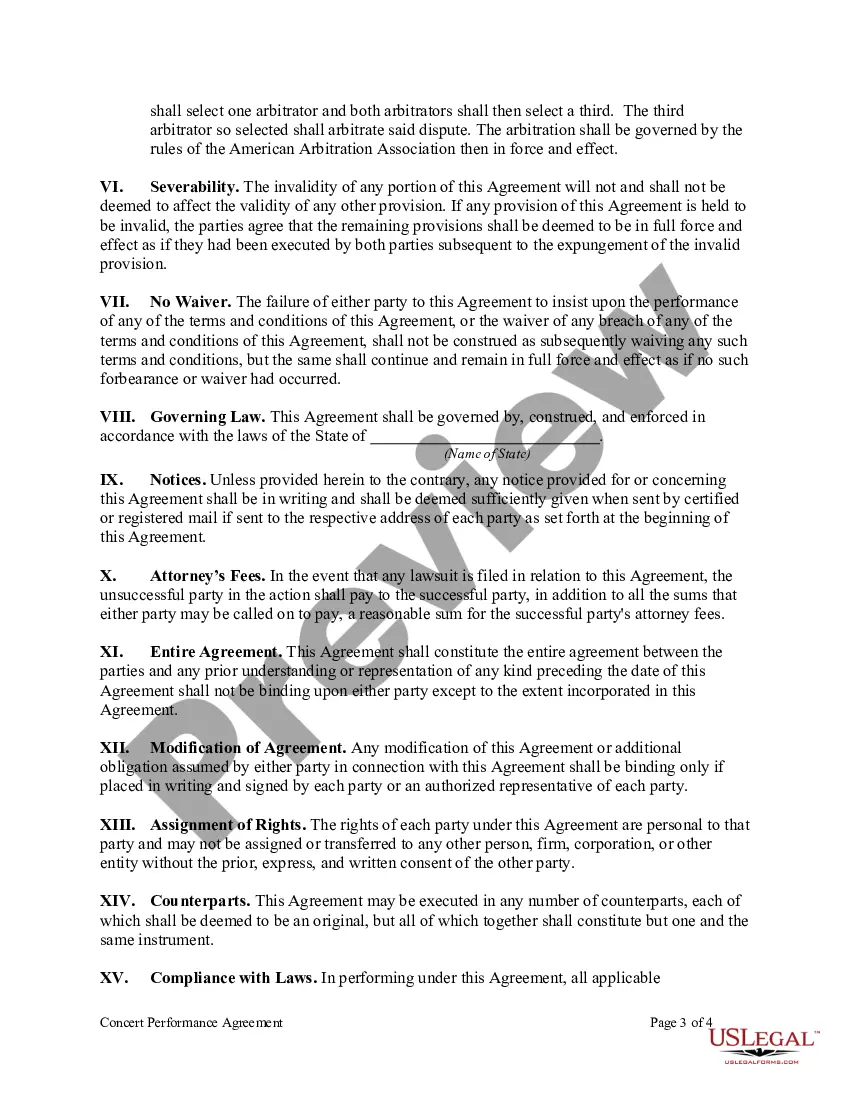
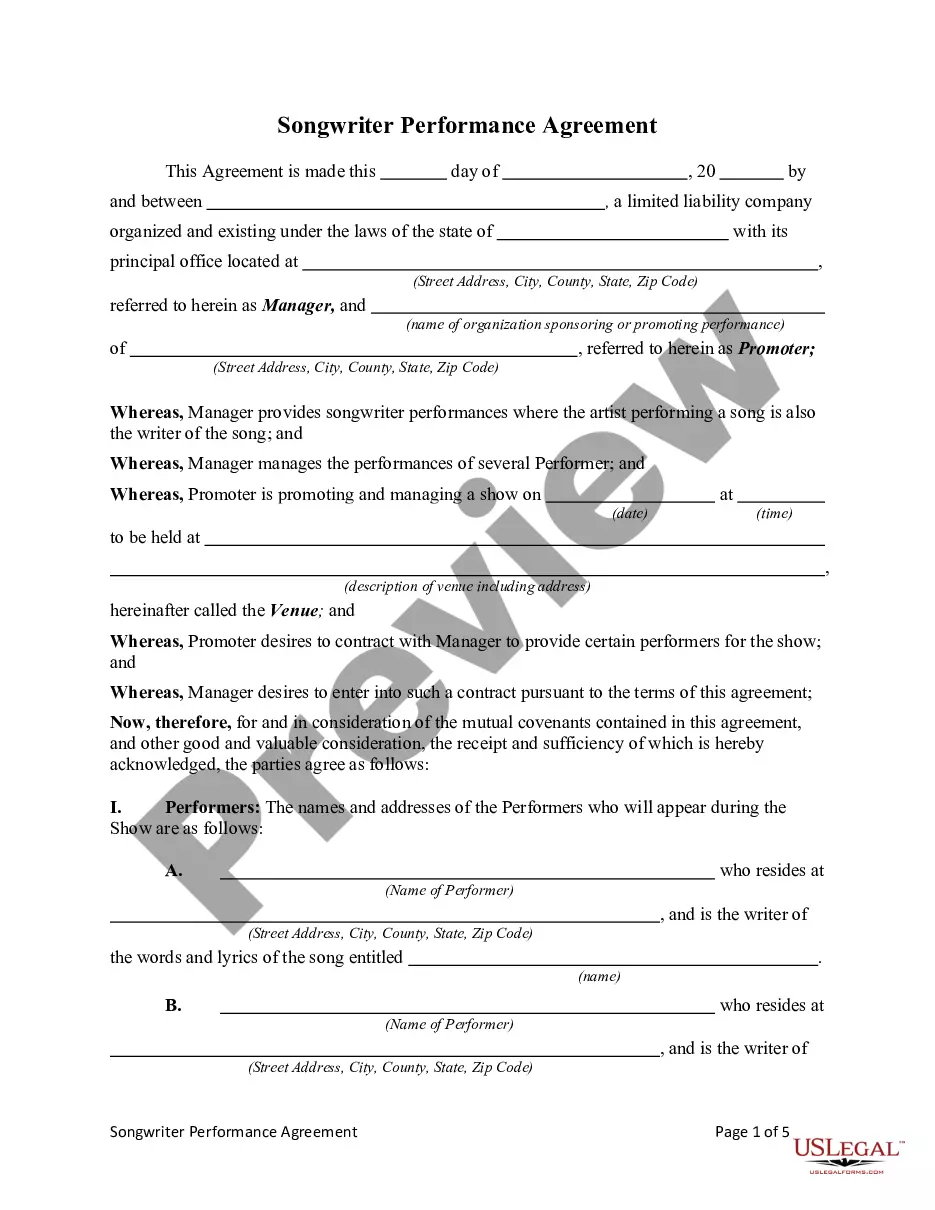
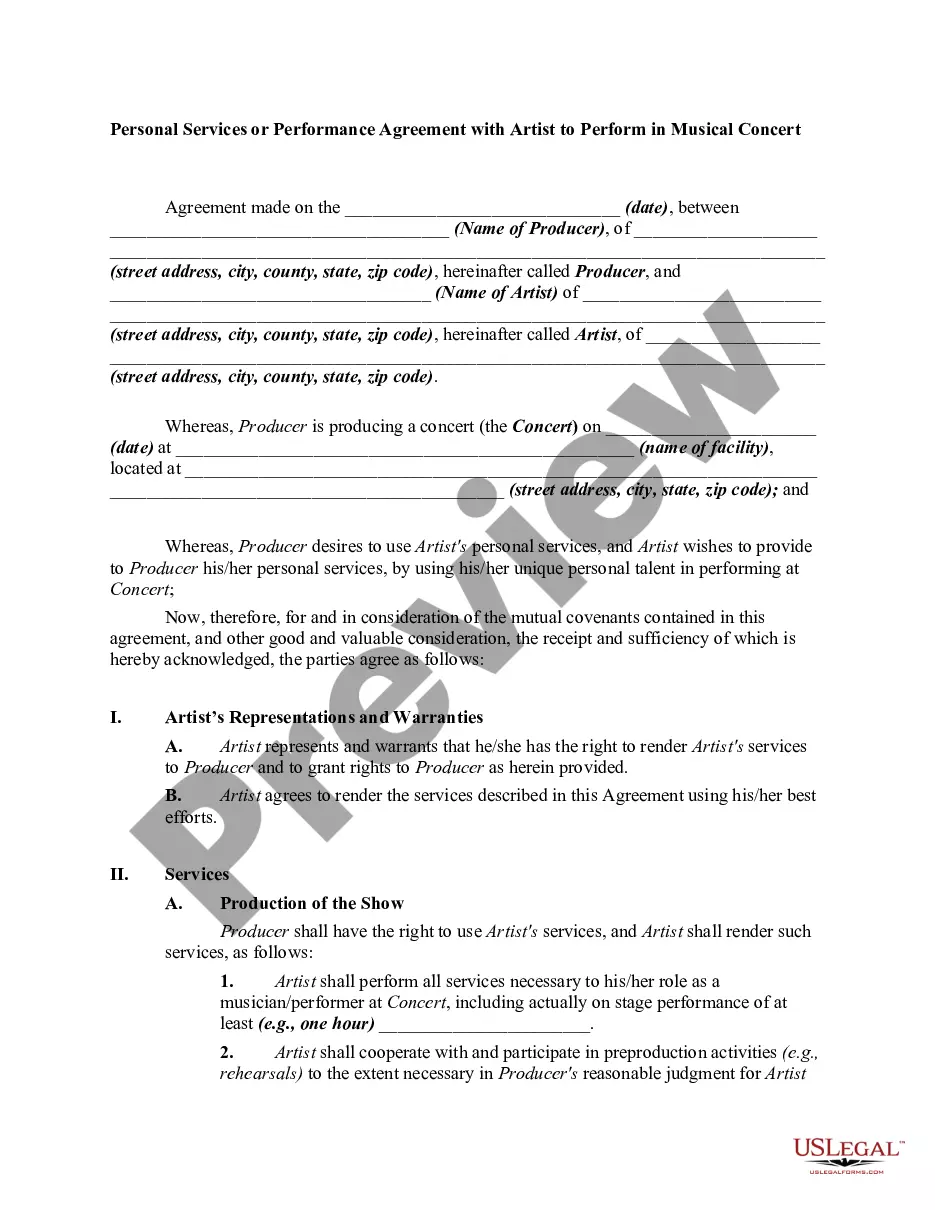
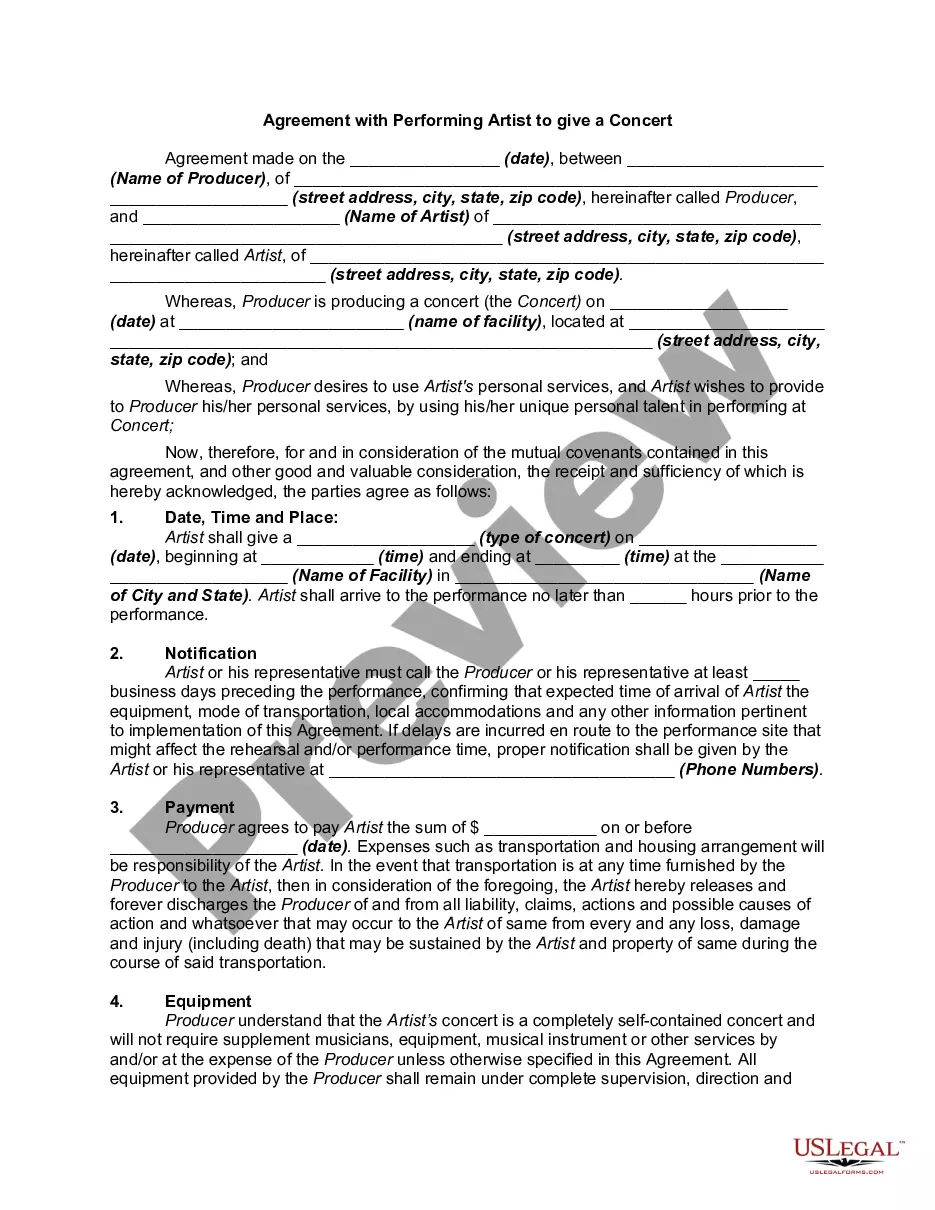
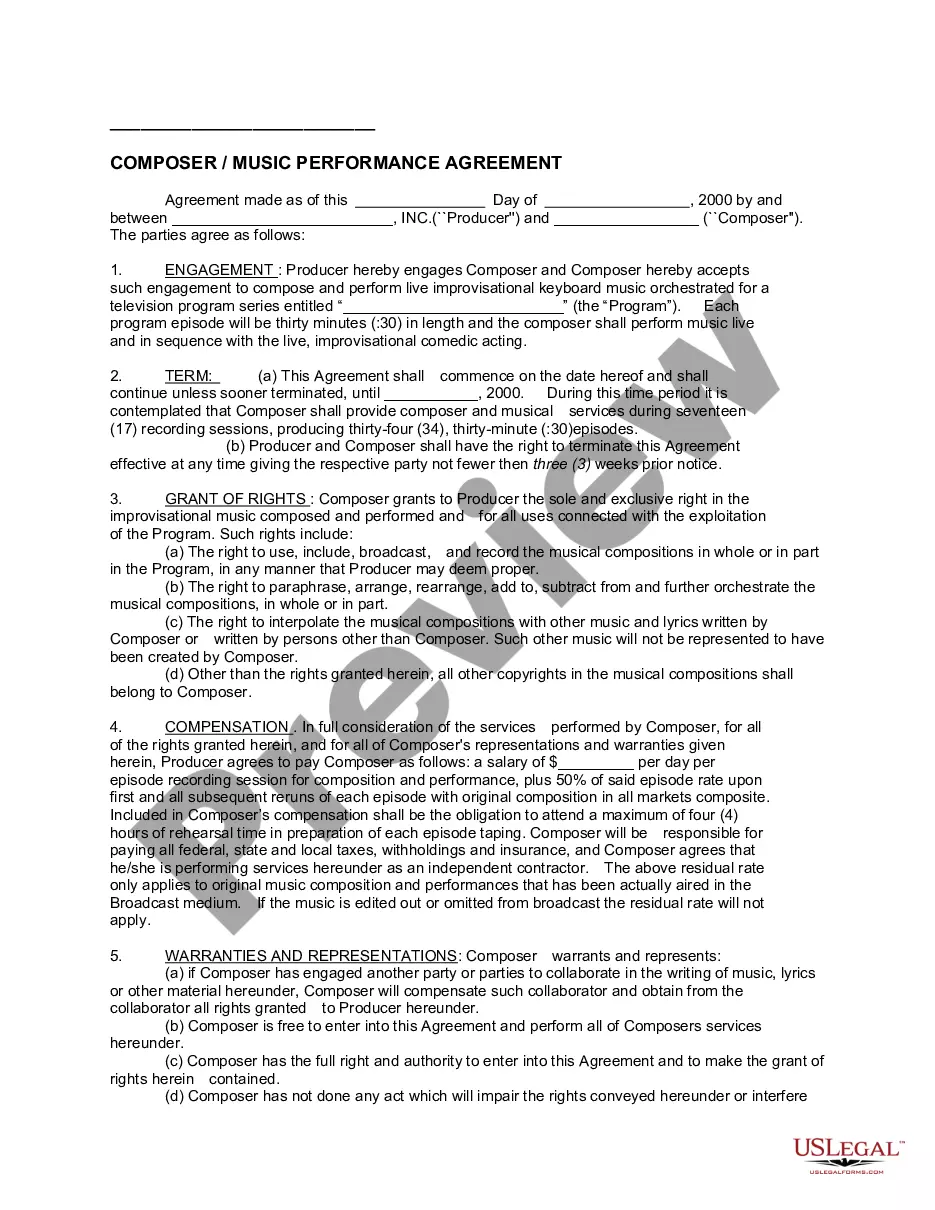
Get your form ready online
Our built-in tools help you complete, sign, share, and store your documents in one place.
Make edits, fill in missing information, and update formatting in US Legal Forms—just like you would in MS Word.
Download a copy, print it, send it by email, or mail it via USPS—whatever works best for your next step.
Sign and collect signatures with our SignNow integration. Send to multiple recipients, set reminders, and more. Go Premium to unlock E-Sign.
If this form requires notarization, complete it online through a secure video call—no need to meet a notary in person or wait for an appointment.
We protect your documents and personal data by following strict security and privacy standards.

Make edits, fill in missing information, and update formatting in US Legal Forms—just like you would in MS Word.

Download a copy, print it, send it by email, or mail it via USPS—whatever works best for your next step.

Sign and collect signatures with our SignNow integration. Send to multiple recipients, set reminders, and more. Go Premium to unlock E-Sign.

If this form requires notarization, complete it online through a secure video call—no need to meet a notary in person or wait for an appointment.

We protect your documents and personal data by following strict security and privacy standards.
Looking for another form?







Form popularity
FAQ
UNC Professor Elad Sherf recommends using the framework of the three Cs — Clarity, Contextual Meaning, and Composure — as a guide for turning every performance review into an opportunity to demonstrate empathy and help employees achieve lasting growth, learning, and improvement.
When you fill the form: Be honest and critical. Analyze your failures and mention the reasons for it. Keep the words minimal. Identify weaknesses. Mention your achievements. Link achievements to the job description and the organization's goals. Set the goals for the next review period. Resolve conflicts and grievances.
When you fill the form: Be honest and critical. Analyze your failures and mention the reasons for it. Keep the words minimal. Identify weaknesses. Mention your achievements. Link achievements to the job description and the organization's goals. Set the goals for the next review period. Resolve conflicts and grievances.
In Maryland, employees work "at the will" of their employers. This means, in the absence of an express contract, agreement or policy to the contrary, an employee may be hired or fired for almost any reason -- whether fair or not -- or for no reason at all; based on non-discrimination.
A: The PEP process requires employees and their supervisors to meet at least twice a year. Employees shall receive written performance evaluations at six (6) month intervals based on their entry-on-duty date (EOD). There will be a mid-cycle and an end-of-cycle evaluation that includes a numerical performance rating.
Here are some things to keep in mind when writing performance evaluation comments: Review past and present performance. Be honest and clear. Provide concrete examples. Choose your words carefully. End on a positive note.
Reflect on your key accomplishments and contributions over the review period. Assess your performance against the goals, objectives, or key performance indicators (KPIs) set for your role. Identify areas where you demonstrated strong skills and competencies. Acknowledge any areas for improvement or development needs.
``Please provide your assessment of your overall performance. Include what you accomplished and how well it was completed. Cite your strengths and weaknesses, obstacles you experienced, challenges you overcame, new responsibilities you took on, new skills you acquired and anything else you feel is relevant.''
There are a number of federal and state laws that prohibit discrimination because of age, race, color, gender, national origin, disability, sexual orientation, gender identity, religion, and pregnancy. Several Maryland laws prohibit retaliation against an employee who has disclosed wrongdoing by an employer.
It's perfectly legal in most cases for employers to deny end-of-year PTO requests for ``business needs'' and at the same time to have policies that prohibit carrying them over.
