Performance Agreement In Hr In Maricopa
Description

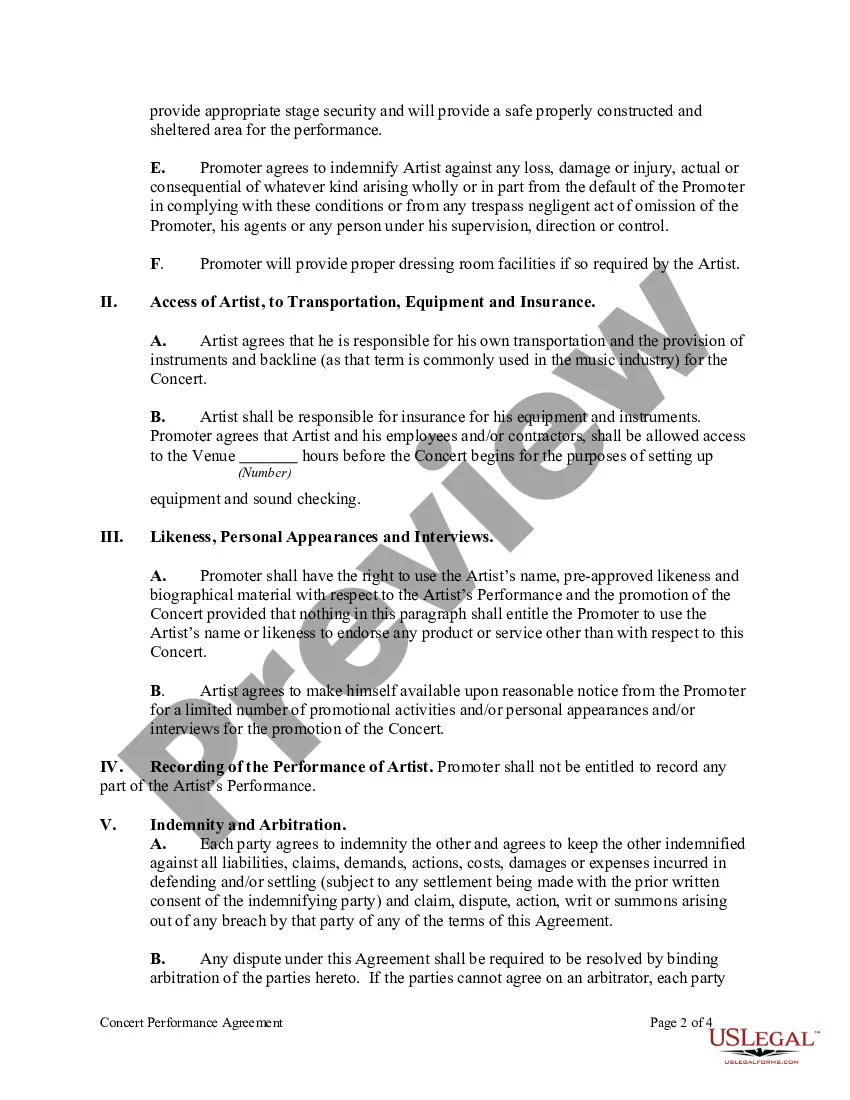
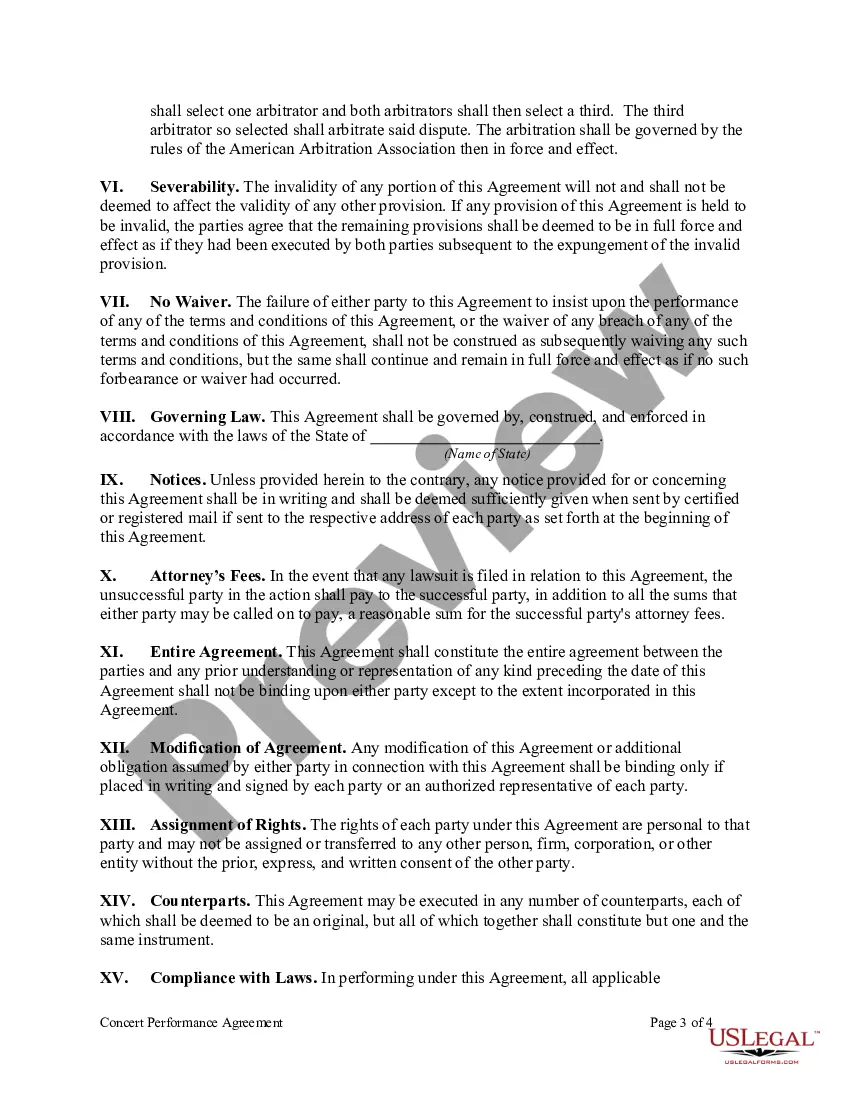
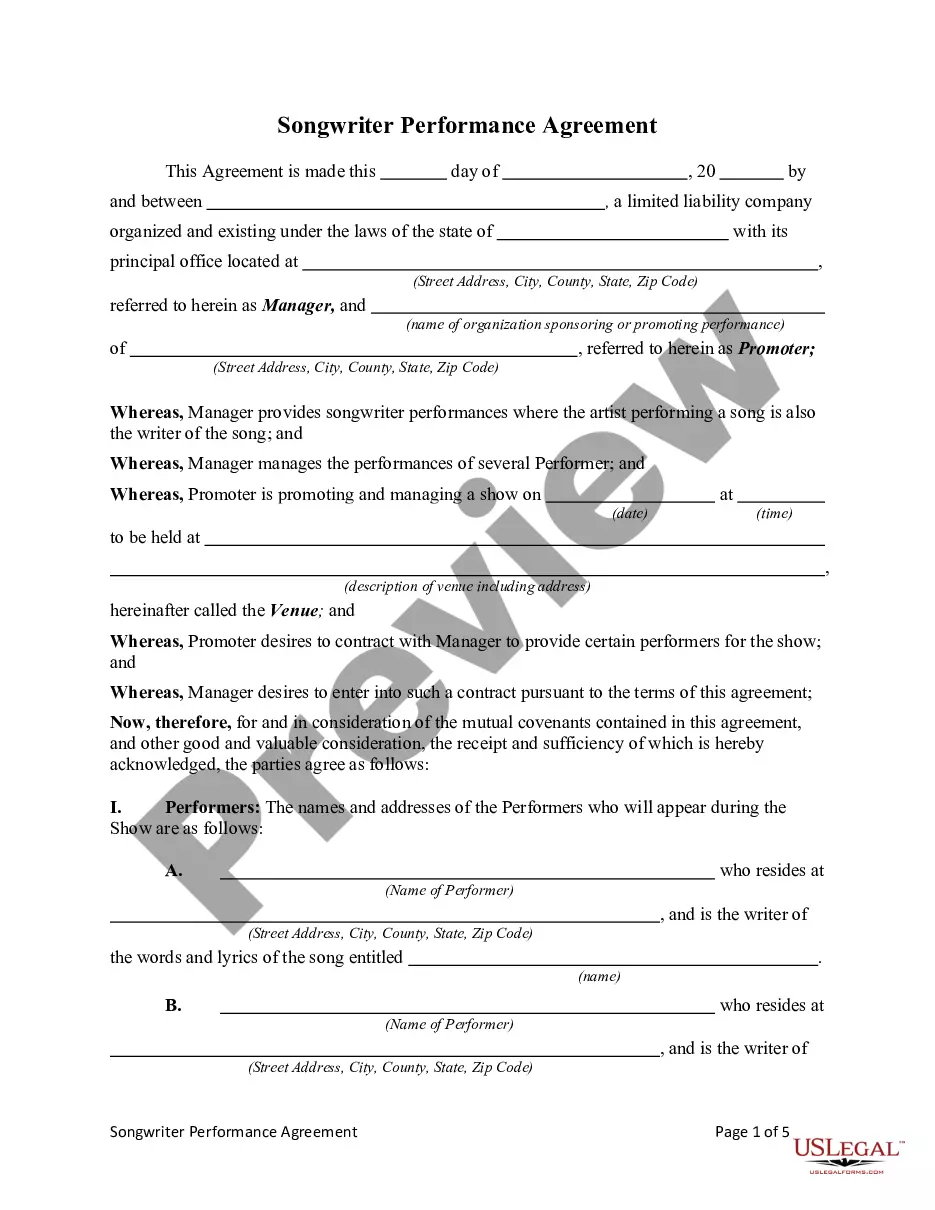
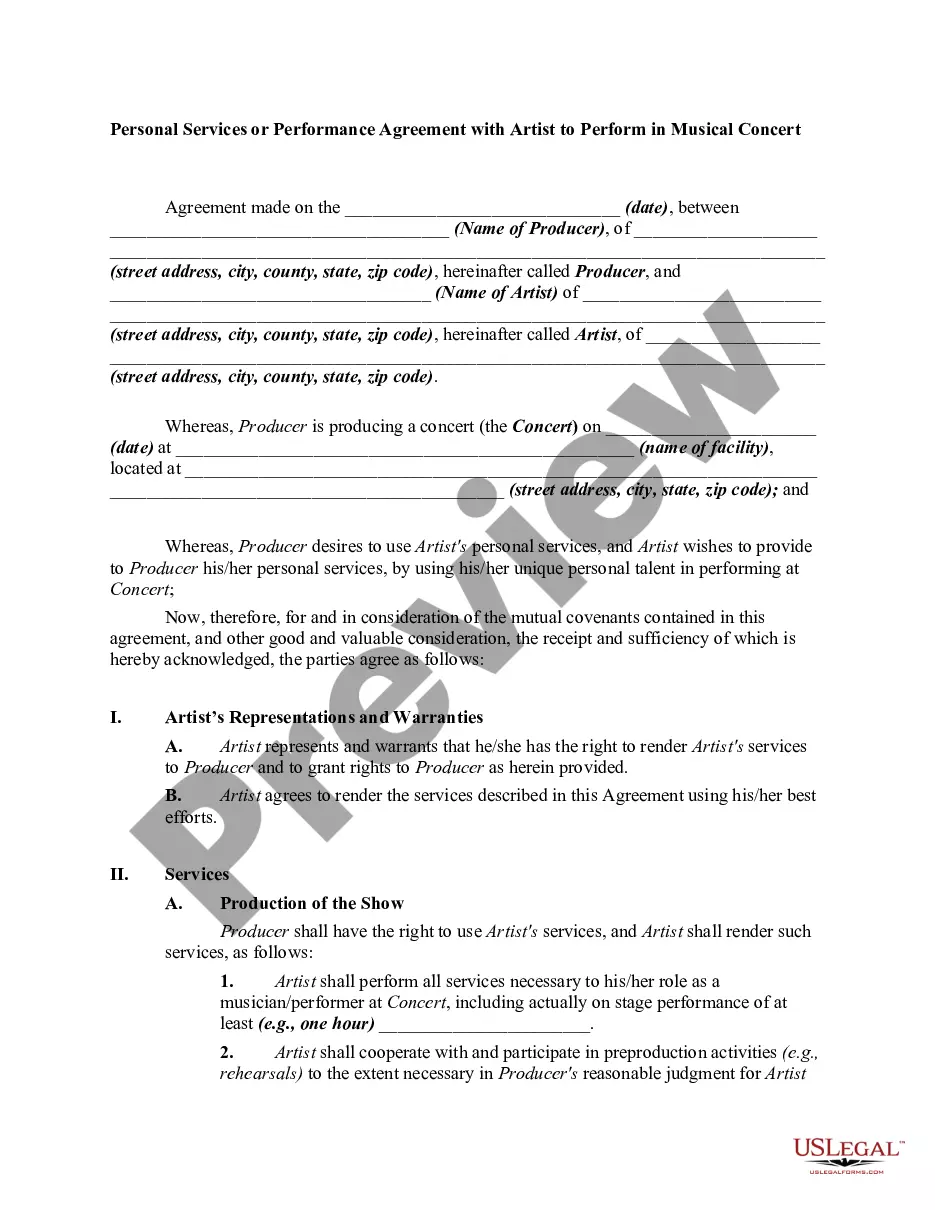
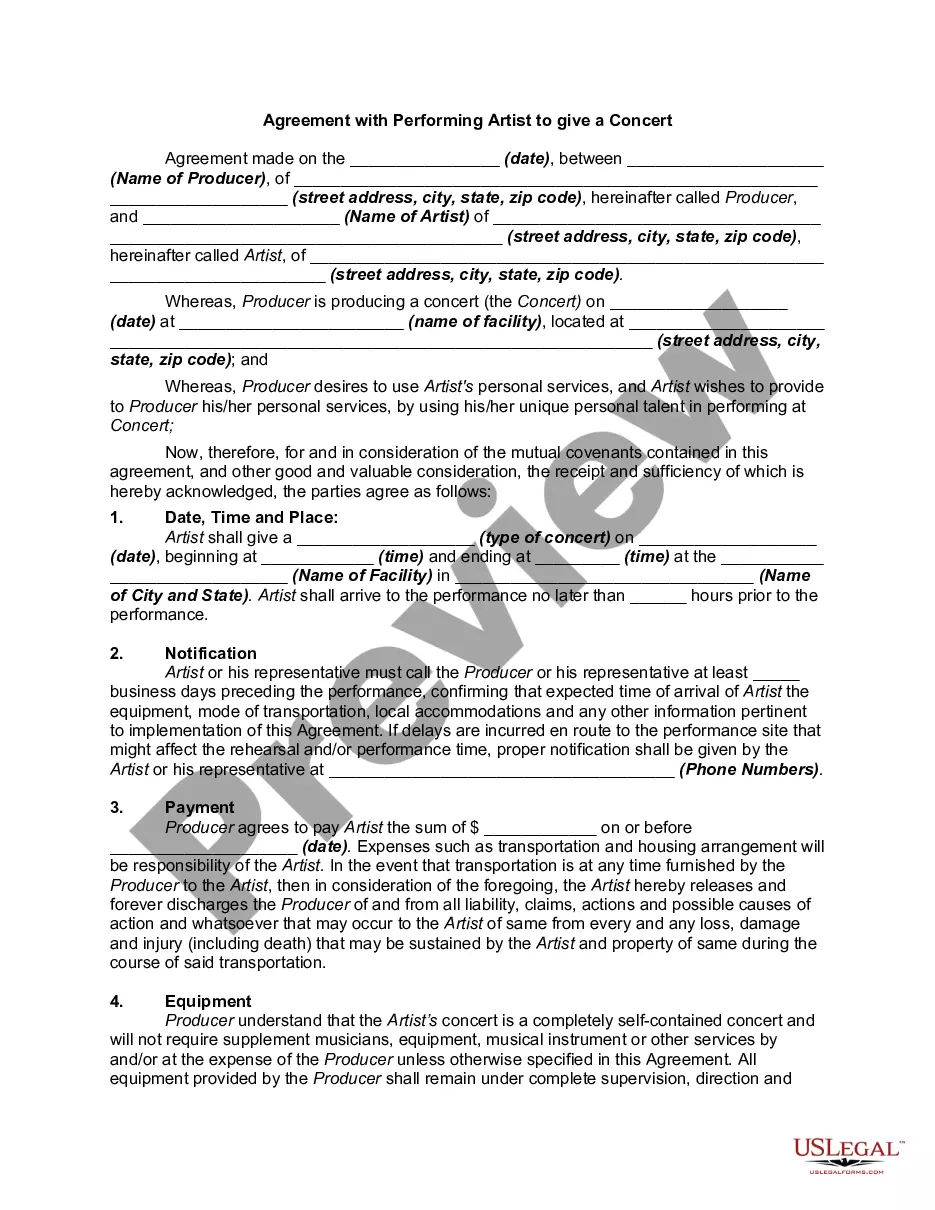
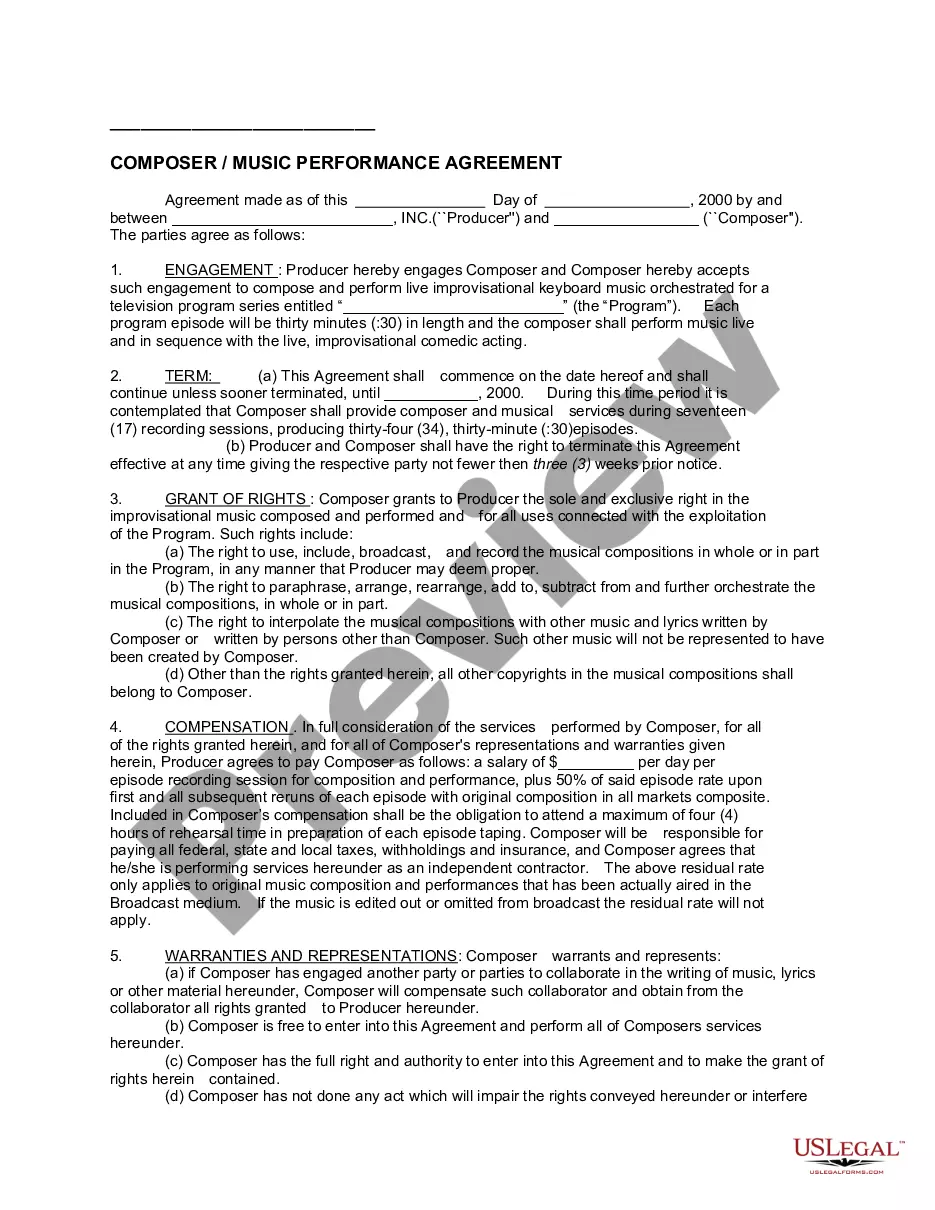
Get your form ready online
Our built-in tools help you complete, sign, share, and store your documents in one place.
Make edits, fill in missing information, and update formatting in US Legal Forms—just like you would in MS Word.
Download a copy, print it, send it by email, or mail it via USPS—whatever works best for your next step.
Sign and collect signatures with our SignNow integration. Send to multiple recipients, set reminders, and more. Go Premium to unlock E-Sign.
If this form requires notarization, complete it online through a secure video call—no need to meet a notary in person or wait for an appointment.
We protect your documents and personal data by following strict security and privacy standards.

Make edits, fill in missing information, and update formatting in US Legal Forms—just like you would in MS Word.

Download a copy, print it, send it by email, or mail it via USPS—whatever works best for your next step.

Sign and collect signatures with our SignNow integration. Send to multiple recipients, set reminders, and more. Go Premium to unlock E-Sign.

If this form requires notarization, complete it online through a secure video call—no need to meet a notary in person or wait for an appointment.

We protect your documents and personal data by following strict security and privacy standards.
Looking for another form?







Form popularity
FAQ
Larry Gubbels - Director Human Resources - Maricopa County | LinkedIn.
A human resource (HR) director or chief human resources officer (CHRO) is a senior executive who oversees the planning, development, and management of all aspects related to human resources. Their primary responsibility is to ensure an organization's workforce is aligned with company goals.
Sara Thompson | Phoenix Group.
An HR director plans, leads, and manages the HR policies and overviews the ongoing operations. In contrast, an HR manager manages HR employees and executes and implements the day-to-day operations like recruitment, application screening, and interviewing the candidates.
Monica Boyd, MPA, SHRM-CP - Human Resources Director - City of Scottsdale | LinkedIn.
Performance agreements define executive accountability for specific organizational goals, help executives align daily operations, and clarify how work unit activities contribute to the agency's goals and objectives. Collaboration across organizational boundaries.
