Performance Agreements For Employees In Georgia
Description

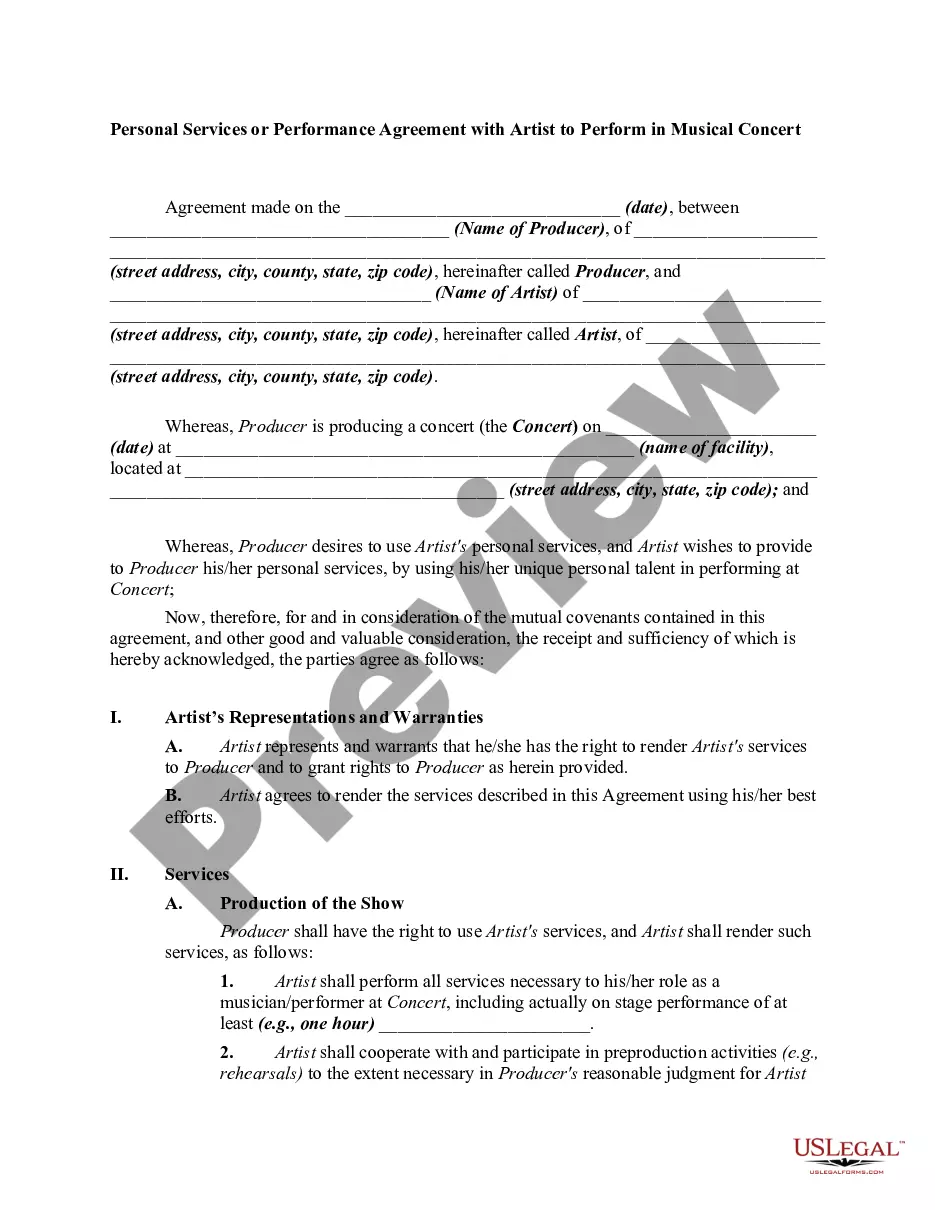
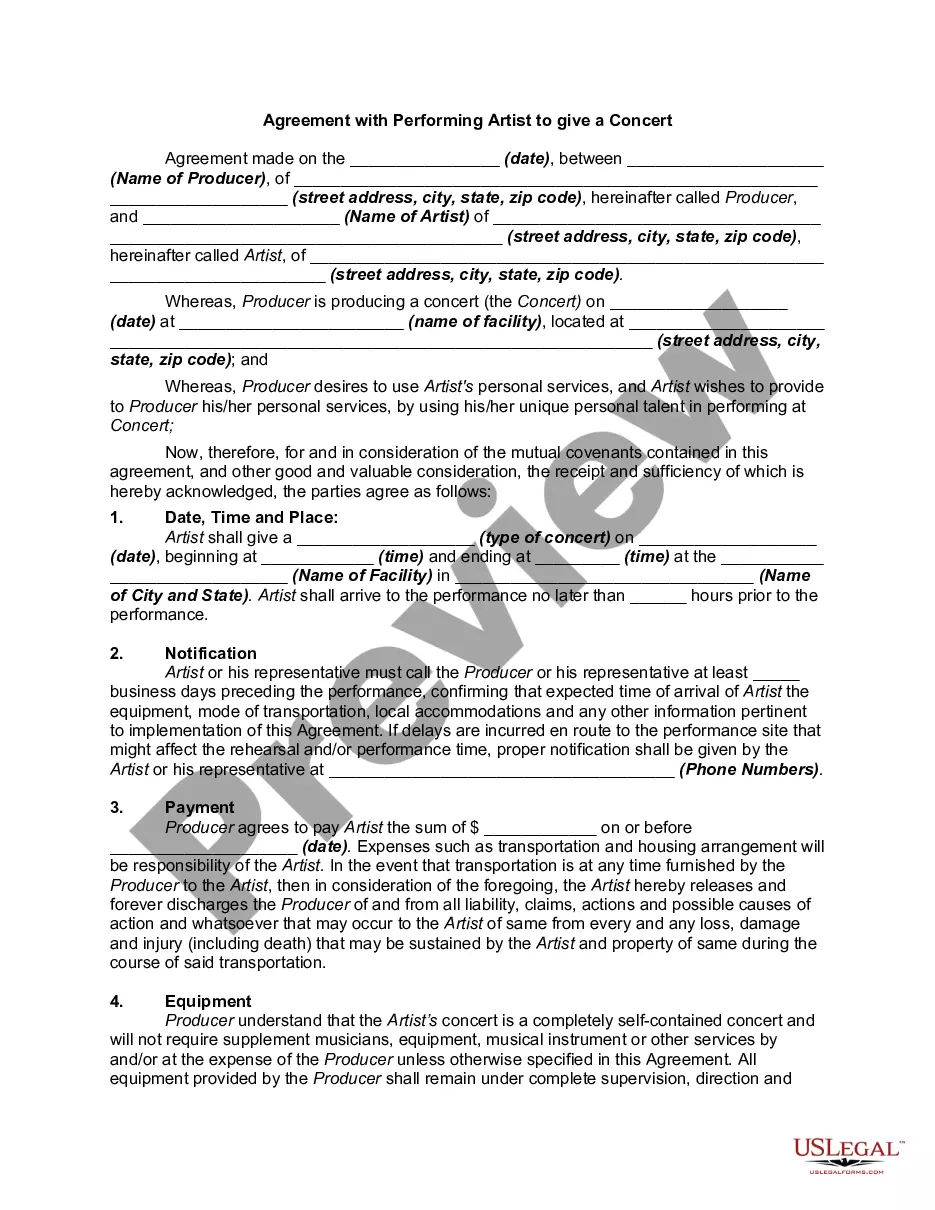
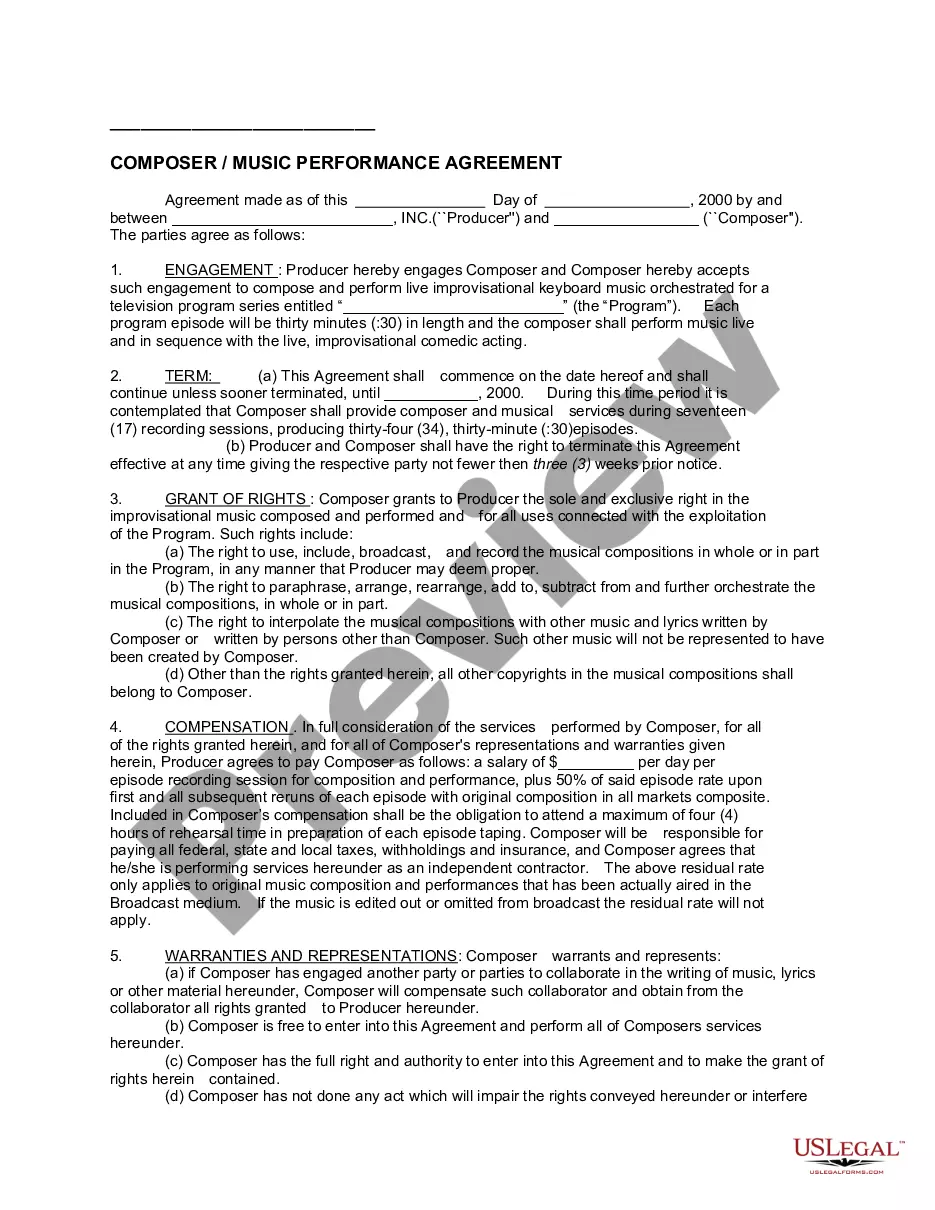
Get your form ready online
Our built-in tools help you complete, sign, share, and store your documents in one place.
Make edits, fill in missing information, and update formatting in US Legal Forms—just like you would in MS Word.
Download a copy, print it, send it by email, or mail it via USPS—whatever works best for your next step.
Sign and collect signatures with our SignNow integration. Send to multiple recipients, set reminders, and more. Go Premium to unlock E-Sign.
If this form requires notarization, complete it online through a secure video call—no need to meet a notary in person or wait for an appointment.
We protect your documents and personal data by following strict security and privacy standards.

Make edits, fill in missing information, and update formatting in US Legal Forms—just like you would in MS Word.

Download a copy, print it, send it by email, or mail it via USPS—whatever works best for your next step.

Sign and collect signatures with our SignNow integration. Send to multiple recipients, set reminders, and more. Go Premium to unlock E-Sign.

If this form requires notarization, complete it online through a secure video call—no need to meet a notary in person or wait for an appointment.

We protect your documents and personal data by following strict security and privacy standards.
Looking for another form?







Form popularity
FAQ
“The elements for a breach of contract claim in Georgia are the (1) breach and the (2) resultant damages (3) to the party who has the right to complain about the contract being broken.” (Citations omitted.) Bazemore v.
Every case is obviously different but, in general, most parties to a breach of contract action agree that (1) a contract exists, (2) the contract is enforceable and not void, and (3) that they performed under the contract.
Once the plaintiff proves that a valid contract existed, they must show that they upheld their part. After that, the plaintiff must show that the defendant did not fulfill their obligations. And finally there must be evidence of actual damages that the plaintiff suffered as a result.
A breach of contract in California require proving the following elements (1) the existence of the contract; (2) plaintiff's performance of the contract or excuse for non-performance; (3) defendant's breach of the contract; and (4) the resulting damage to the plaintiff.
Proving a Breach of Contract In a breach of contract case, the burden of proof lies with the party alleging the breach, typically referred to as the plaintiff or claimant.
Performance agreements define executive accountability for specific organizational goals, help executives align daily operations, and clarify how work unit activities contribute to the agency's goals and objectives. Collaboration across organizational boundaries.
Continuous performance management promotes frequent review of employee progress throughout the year, and avoids the pitfalls of annual appraisals where managers give more weight to recent events because those are freshest in their mind.
The cycle of performance is based on 4 key pillars: planning, monitoring, reviewing and rewarding. Let's take a look at each of these 4 stages in a bit more detail to help you understand the performance management cycle.
It's easy to overcomplicate Performance Management. But you don't have to. We believe that there are four elements that need to be used as the foundation of a performance culture: Purpose, Outcomes, Accountability and Teamwork.
A 4-Step Process for Strategic Planning Step 1: Analysing the Environment. The first step in strategic planning involves analysing the external and internal environment in which your organisation operates. Step 2: Developing a Strategy. Step 3: Implementing Strategy. Step 4: Evaluating Strategies.
