Performance Agreement For Managers In Dallas
Description

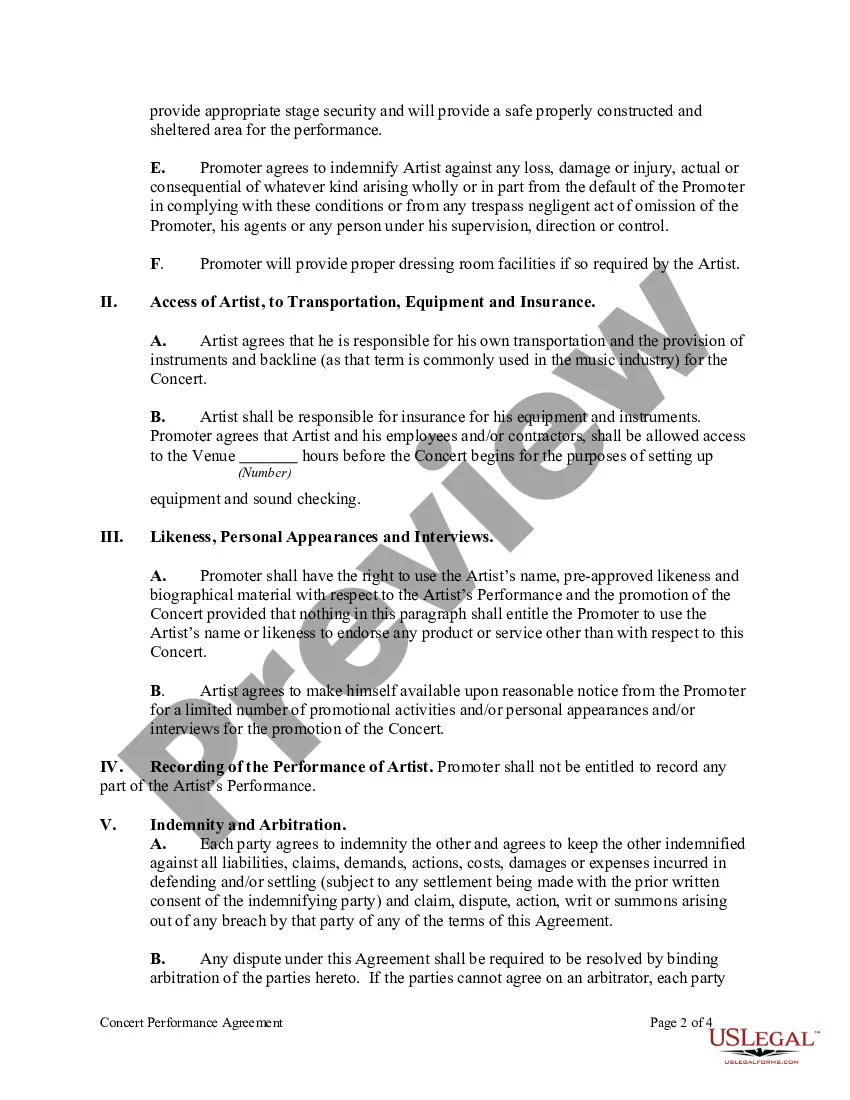
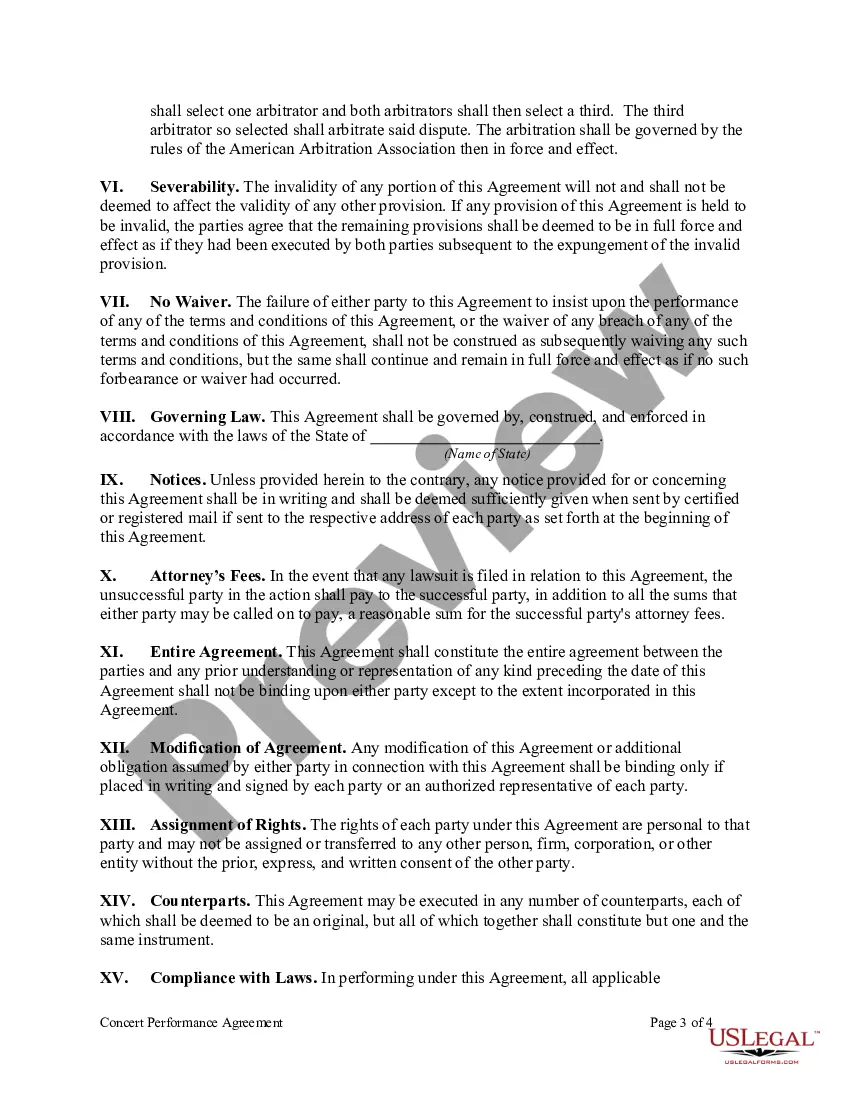
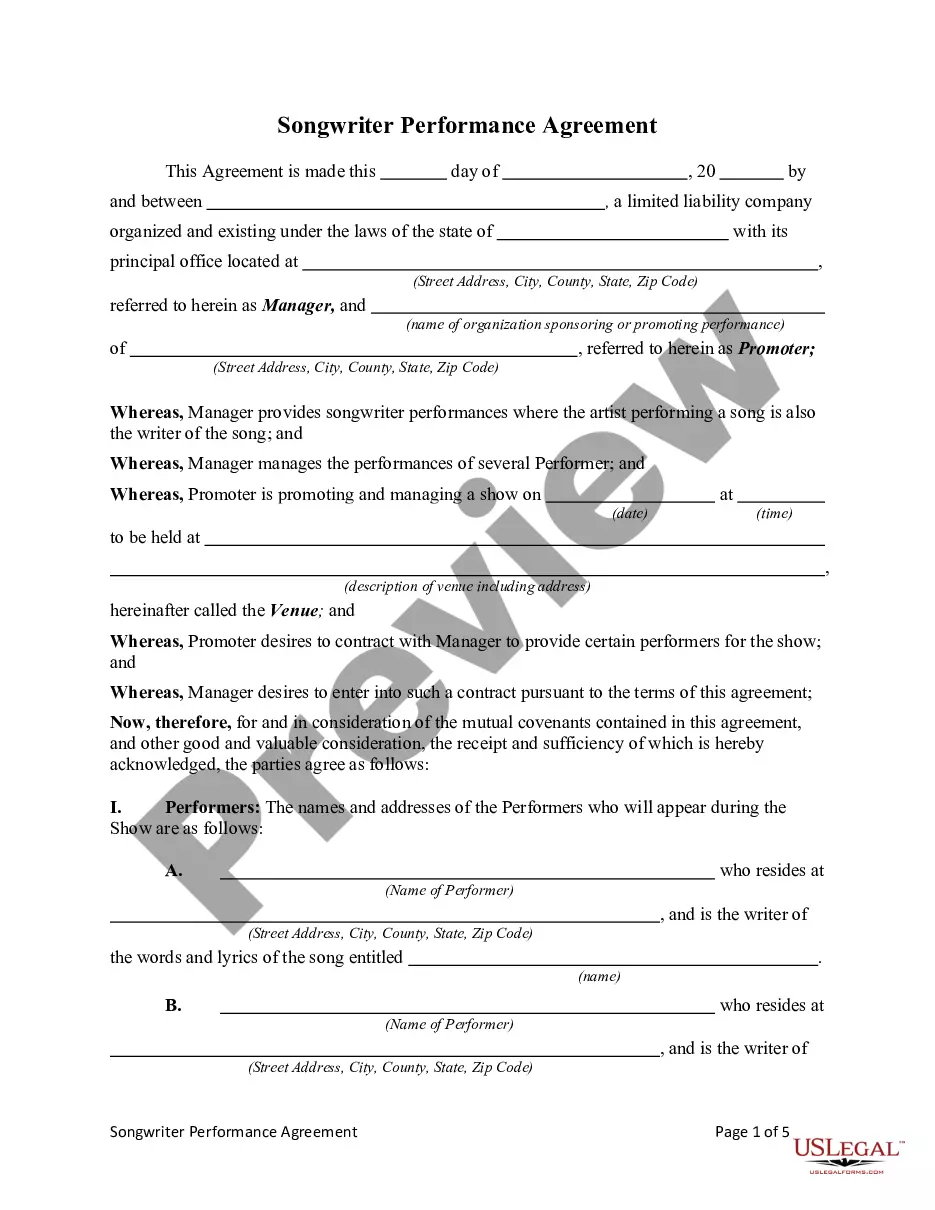
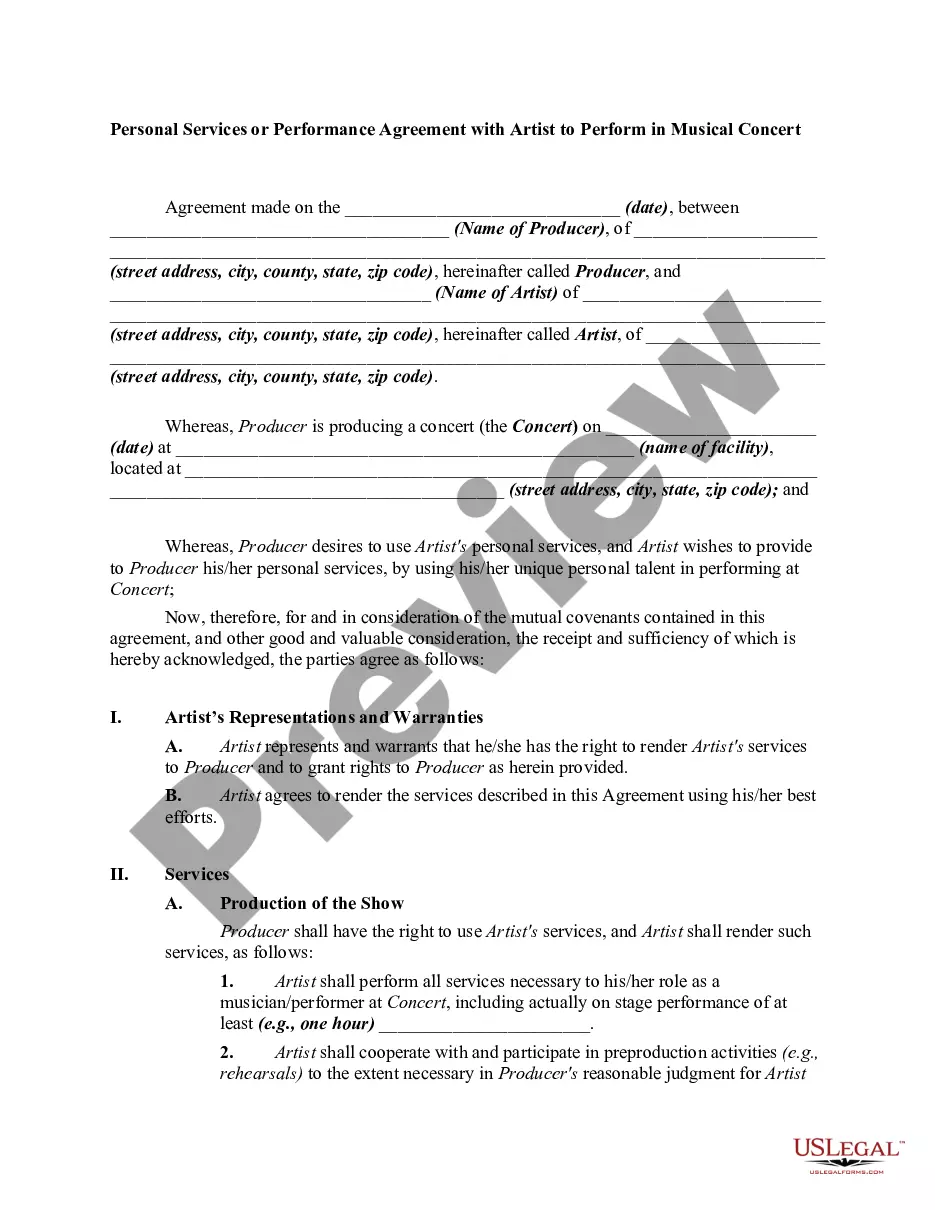
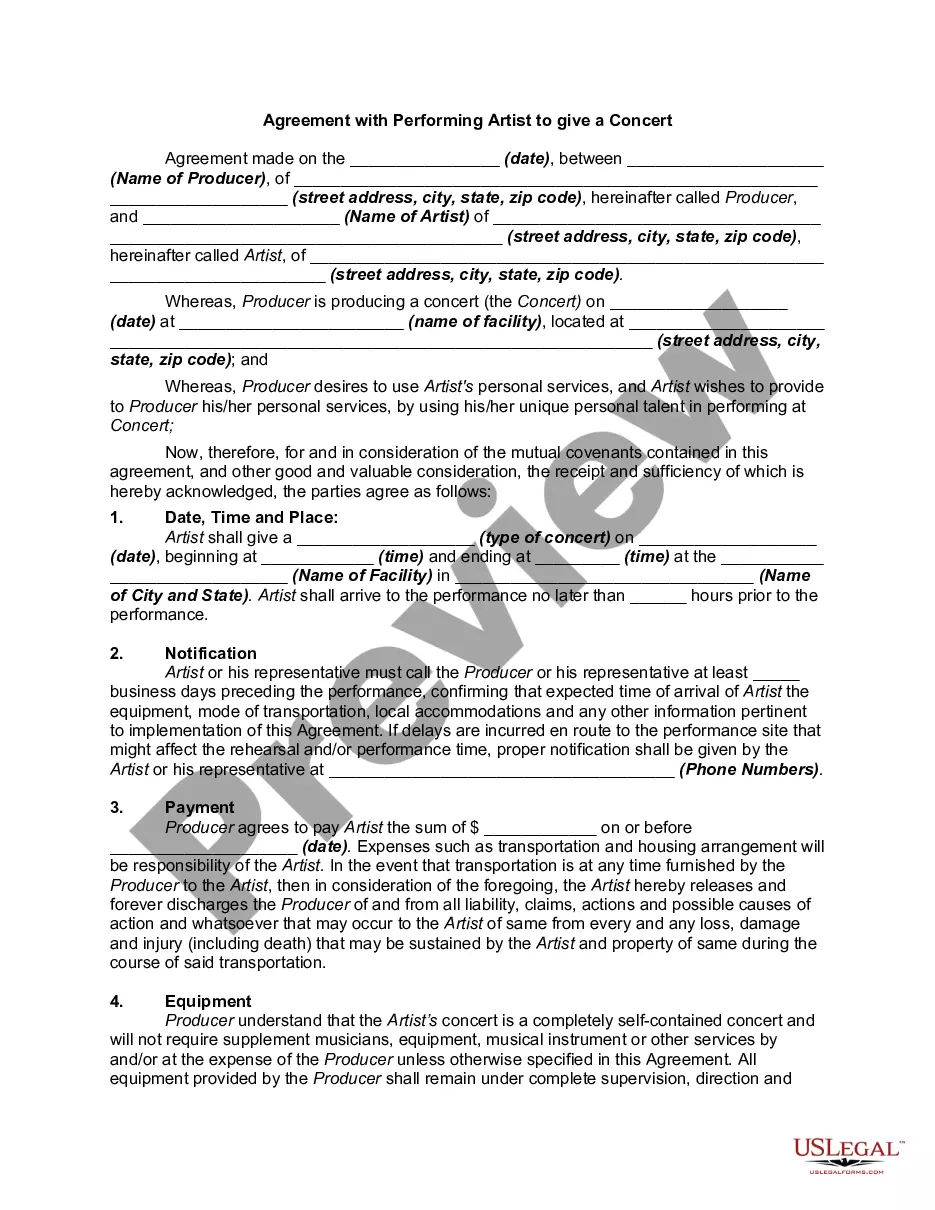
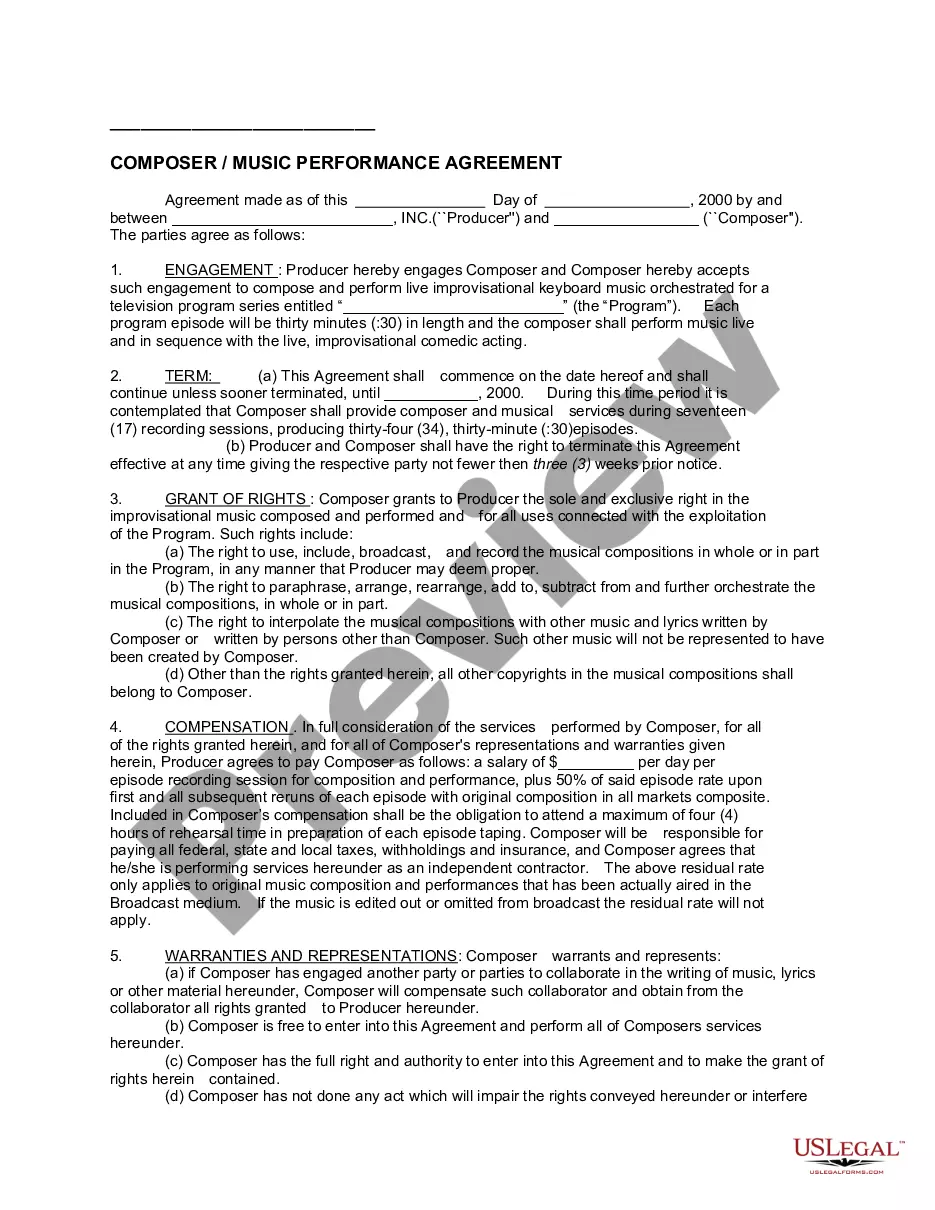
Get your form ready online
Our built-in tools help you complete, sign, share, and store your documents in one place.
Make edits, fill in missing information, and update formatting in US Legal Forms—just like you would in MS Word.
Download a copy, print it, send it by email, or mail it via USPS—whatever works best for your next step.
Sign and collect signatures with our SignNow integration. Send to multiple recipients, set reminders, and more. Go Premium to unlock E-Sign.
If this form requires notarization, complete it online through a secure video call—no need to meet a notary in person or wait for an appointment.
We protect your documents and personal data by following strict security and privacy standards.

Make edits, fill in missing information, and update formatting in US Legal Forms—just like you would in MS Word.

Download a copy, print it, send it by email, or mail it via USPS—whatever works best for your next step.

Sign and collect signatures with our SignNow integration. Send to multiple recipients, set reminders, and more. Go Premium to unlock E-Sign.

If this form requires notarization, complete it online through a secure video call—no need to meet a notary in person or wait for an appointment.

We protect your documents and personal data by following strict security and privacy standards.
Looking for another form?








Form popularity
FAQ
How to write a performance plan Identify performance or behavioral issues that need improvement. Explain the level of performance and behavior expected. Supply helpful suggestions for employee improvement. Schedule progress meetings with the employee. Outline consequences for not meeting standards.
How to write a performance plan Identify performance or behavioral issues that need improvement. Explain the level of performance and behavior expected. Supply helpful suggestions for employee improvement. Schedule progress meetings with the employee. Outline consequences for not meeting standards.
Target. area. Detail specific. area where. performance. Performance. concern. Detail specific. dates and. examples of where. Expected. standard of. performance. Detail what is expected of. the employee in terms of. their performance i.e. what. Agreed. improvement. actions. Detail what actions need. to be taken to meet. expected standard of.
A PIP typically states the employee's performance issues, such as productivity or skills gaps, and details a list of goals for them to reach by certain deadlines—usually 30, 60 or 90 days.
A performance improvement plan (PIP) letter is a document that outlines the expectations, goals, and actions for an employee who is not meeting the required standards of their role. A PIP letter can help an employee improve their performance, avoid disciplinary action, and achieve their potential.
While it's true that PIPs are often a prelude to a termination, that's not always the case. If you're given a performance improvement plan, there's hope yet — in some cases, you can still fix the issues and keep your job.
How to Write a Performance Improvement Plan Step 1: Identify the Performance Issues. Step 2: Set Clear and Measurable Goals. Step 3: Develop an Action Plan. Step 4: Establish Check-Ins and Evaluation Criteria. Step 5: Document and Communicate the PIP.
Performance agreements define executive accountability for specific organizational goals, help executives align daily operations, and clarify how work unit activities contribute to the agency's goals and objectives. Collaboration across organizational boundaries.
Stick with the facts and write down just what you said and what the employee said. Ensure the employee is clear on what the expectations are and how he or she did or did not meet them. Performance expectations must be consistent with the employee's position description. Document and Follow-up.
How to implement performance management plans in 7 easy steps Step 1: Define your objectives. Step 2: Gather the right tools. Step 3: Communicate your plan. Step 4: Set up performance meetings. Step 5: Provide training. Step 6: Collect feedback.
