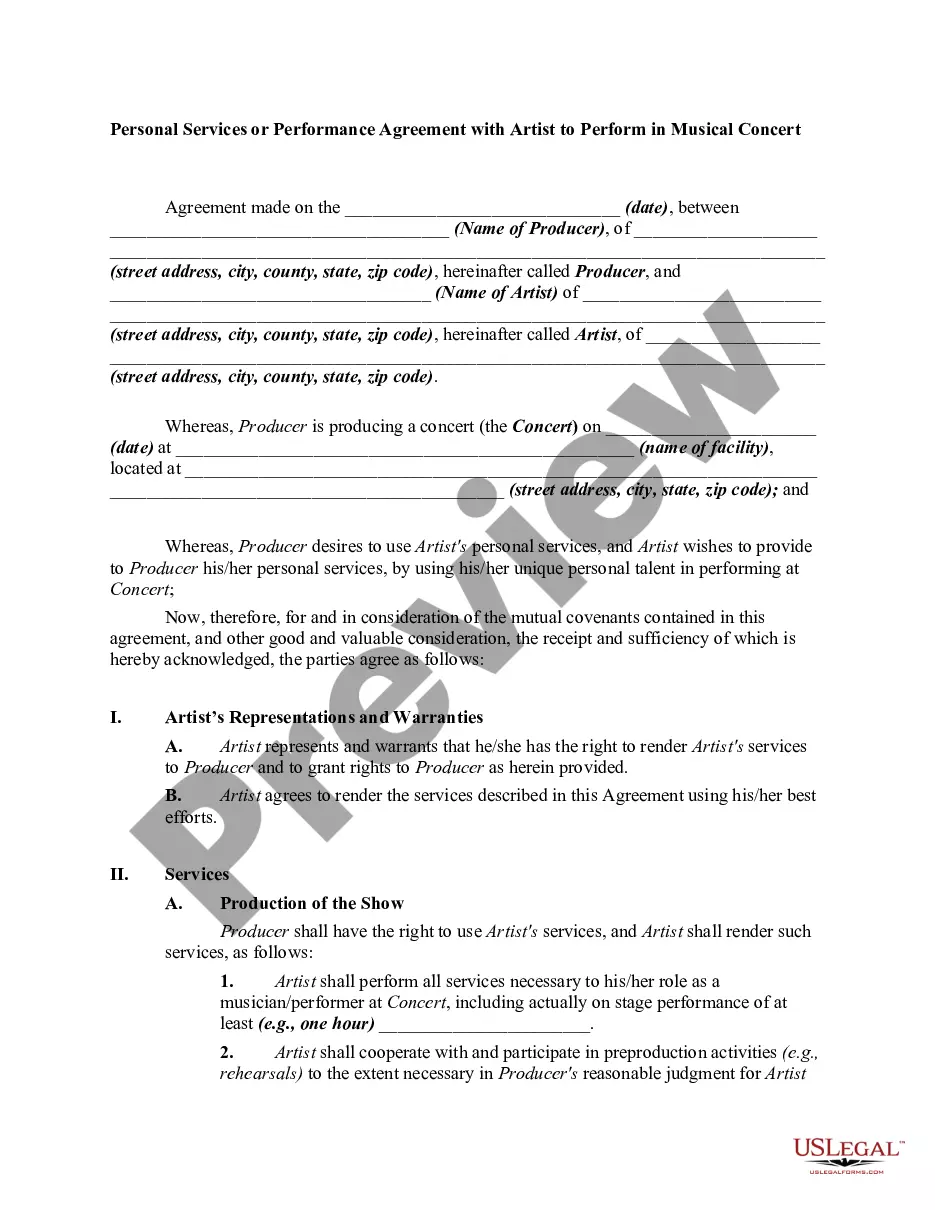
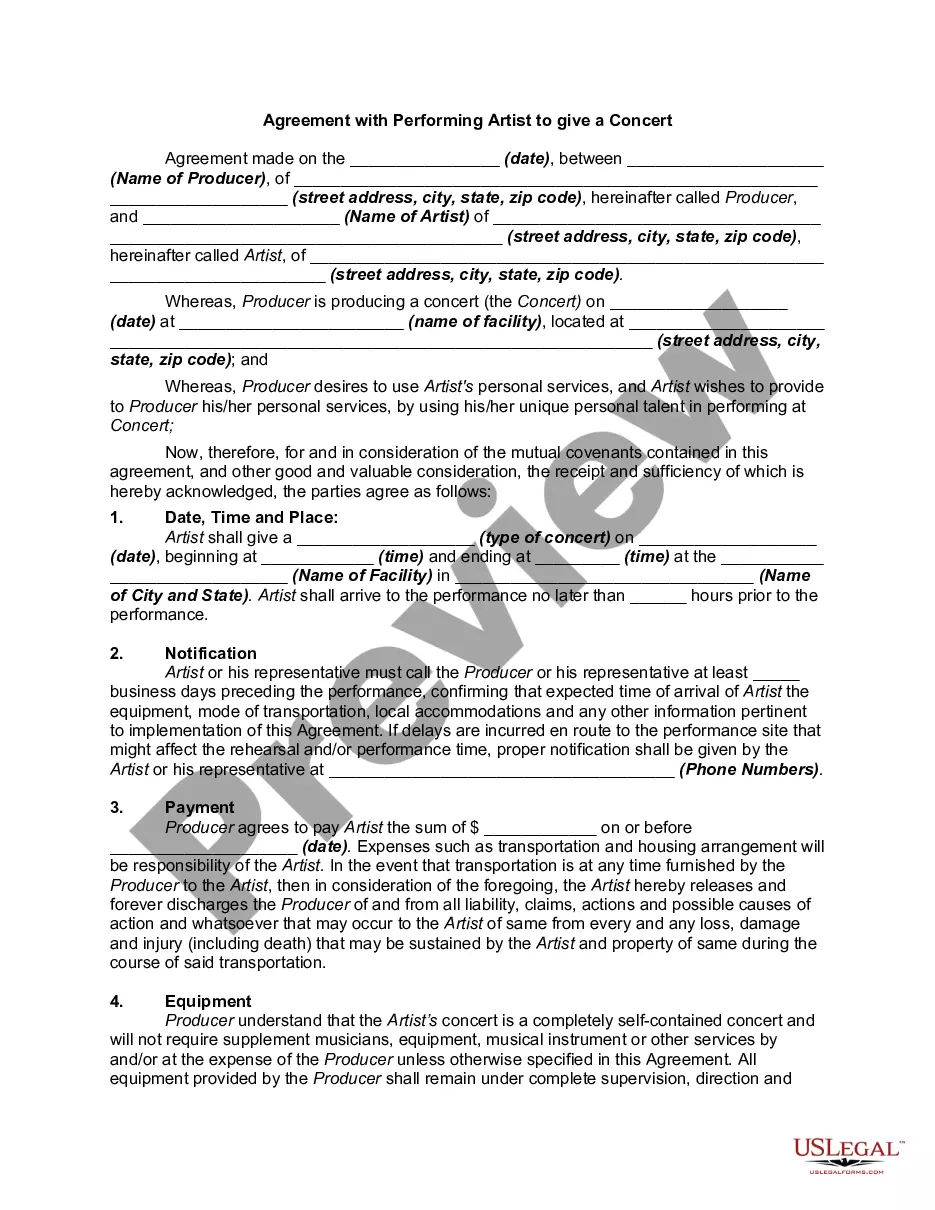
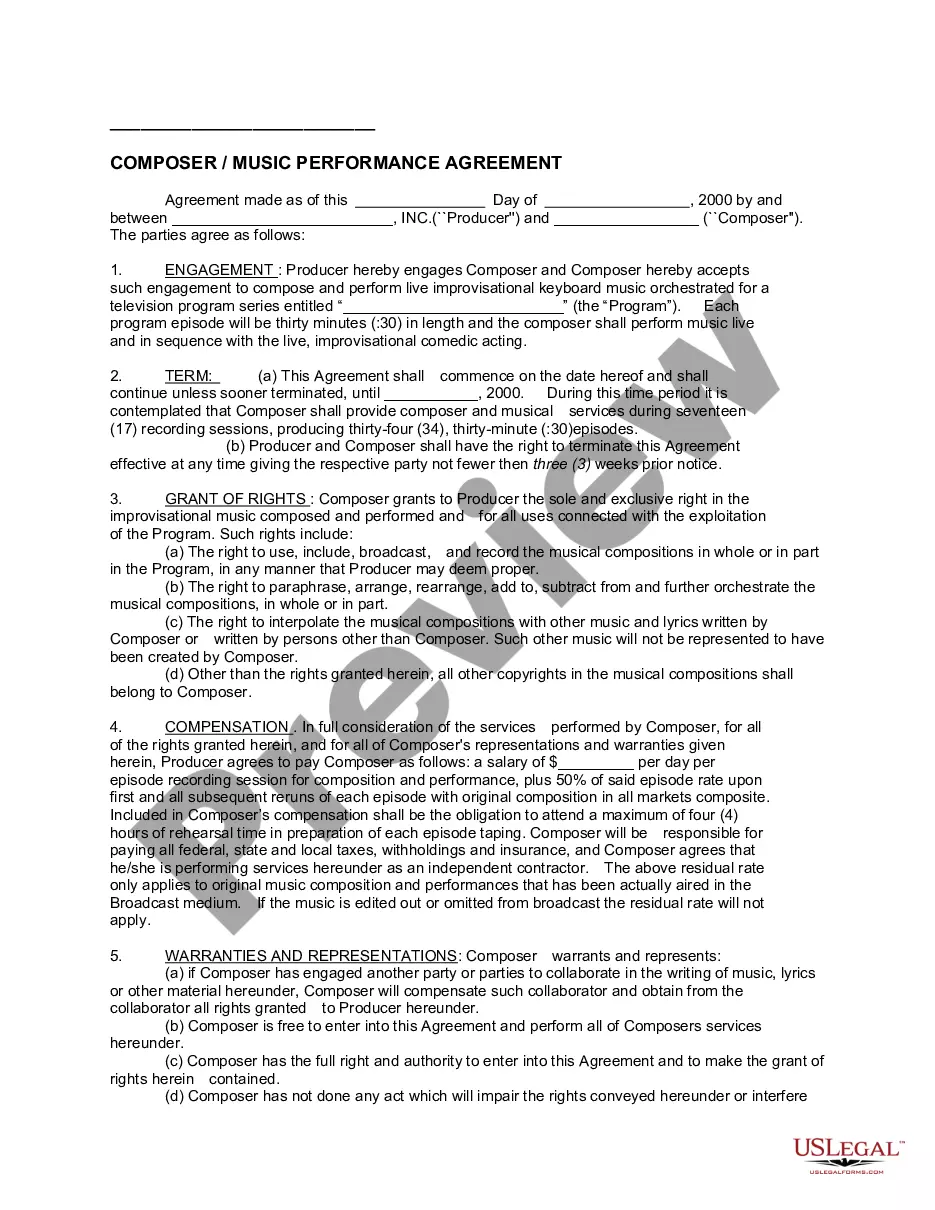
Performance Agreement For Hr Manager In Arizona
Description

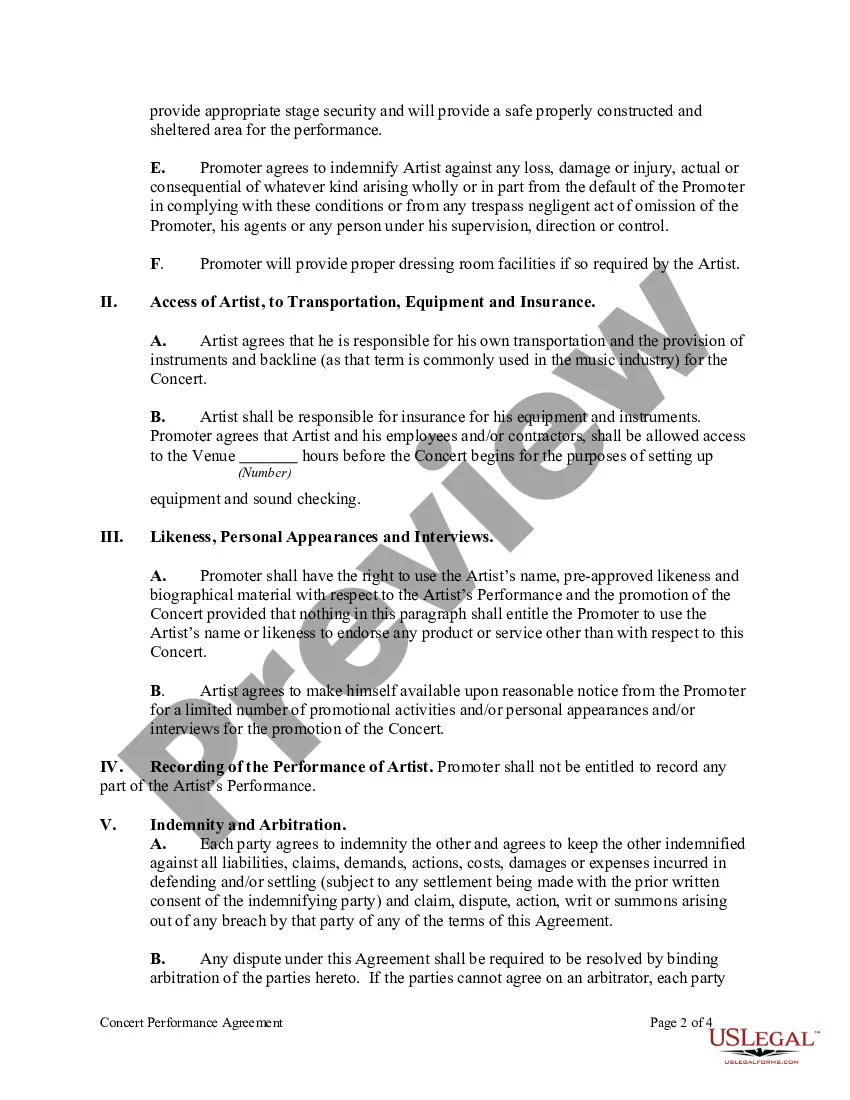
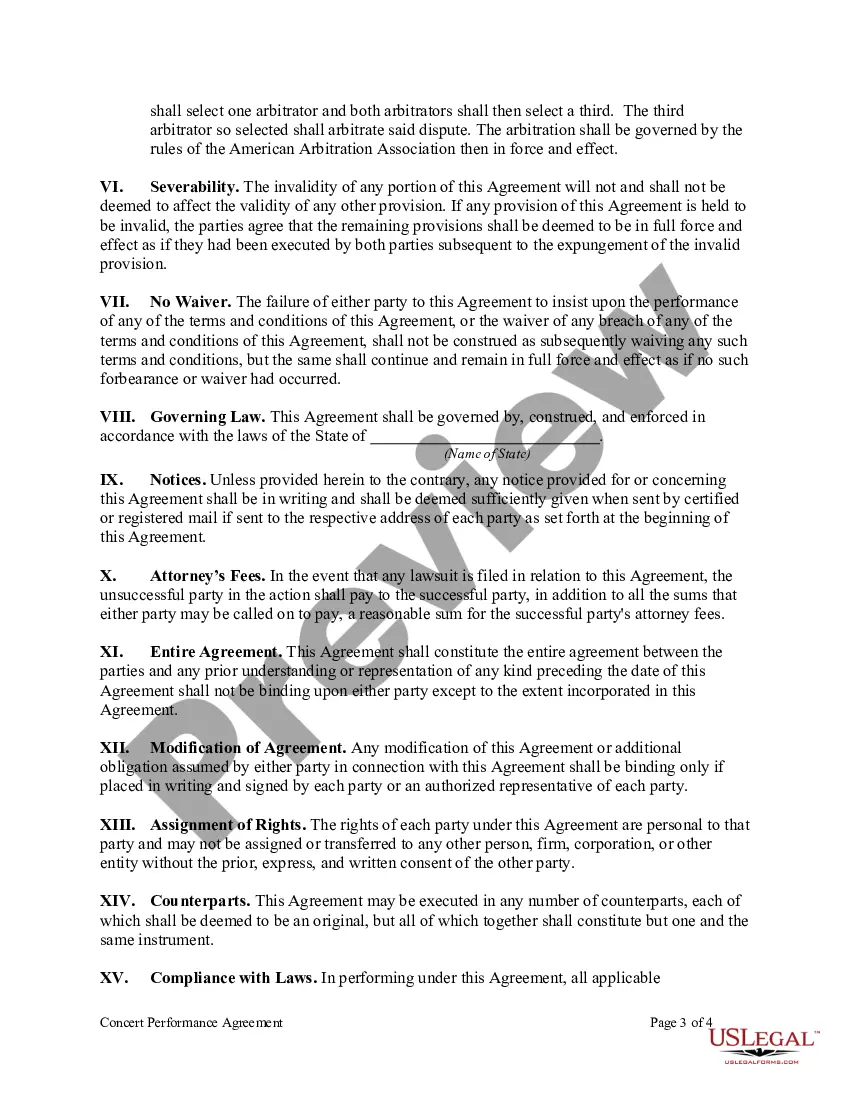
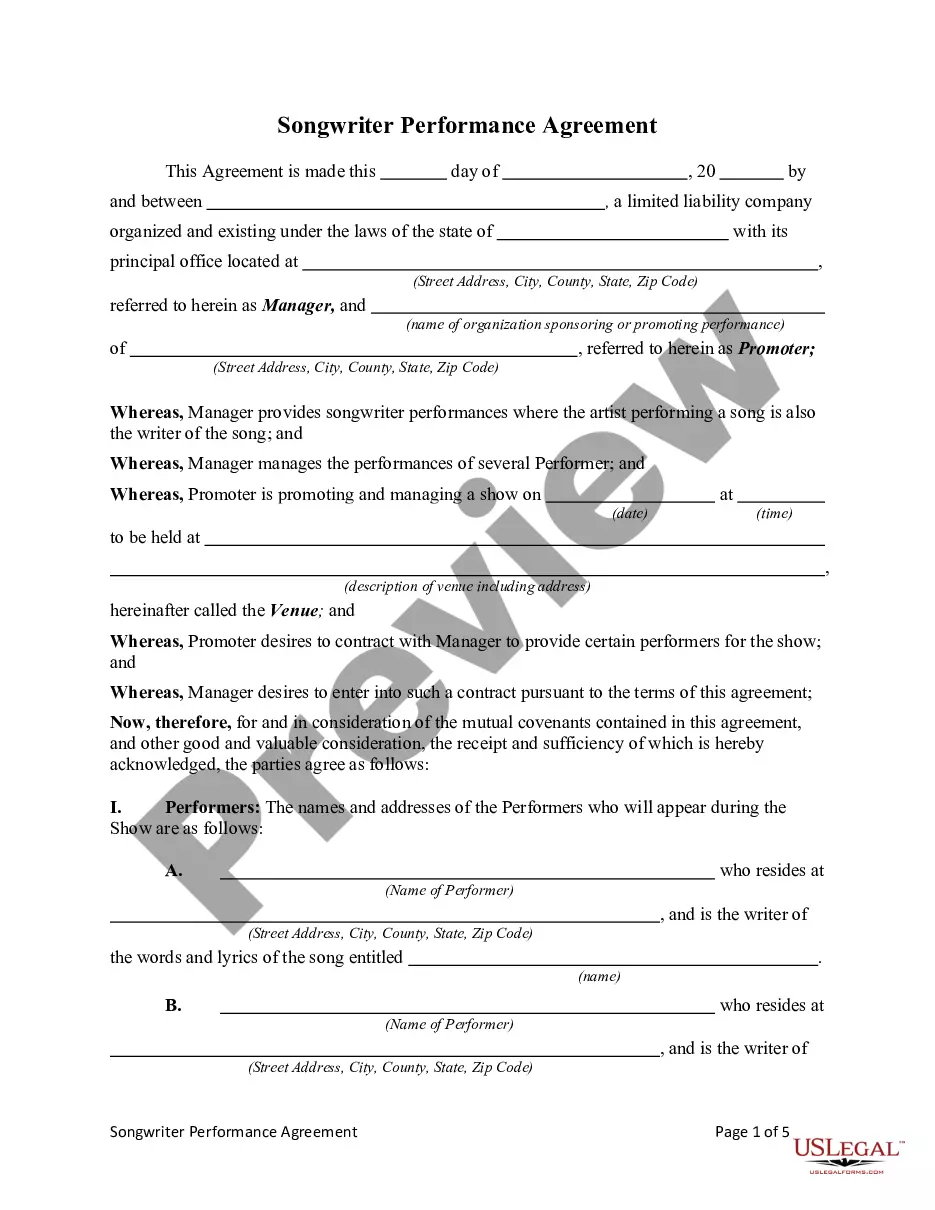
Get your form ready online
Our built-in tools help you complete, sign, share, and store your documents in one place.
Make edits, fill in missing information, and update formatting in US Legal Forms—just like you would in MS Word.
Download a copy, print it, send it by email, or mail it via USPS—whatever works best for your next step.
Sign and collect signatures with our SignNow integration. Send to multiple recipients, set reminders, and more. Go Premium to unlock E-Sign.
If this form requires notarization, complete it online through a secure video call—no need to meet a notary in person or wait for an appointment.
We protect your documents and personal data by following strict security and privacy standards.

Make edits, fill in missing information, and update formatting in US Legal Forms—just like you would in MS Word.

Download a copy, print it, send it by email, or mail it via USPS—whatever works best for your next step.

Sign and collect signatures with our SignNow integration. Send to multiple recipients, set reminders, and more. Go Premium to unlock E-Sign.

If this form requires notarization, complete it online through a secure video call—no need to meet a notary in person or wait for an appointment.

We protect your documents and personal data by following strict security and privacy standards.
Looking for another form?









Form popularity
FAQ
Peer reviews: Involves colleagues evaluating each other's performance. Graphic rating scale: Rates workers on a numbered scale for their role's desired traits and behaviours. Ranking: Ranks each employee based on certain factors with high performers at the top and low performers at the bottom.
Follow these steps to put an effective performance agreement in place for your staff: Start With Clear Expectations. Build in Milestones. Agree on the Terms. Schedule Accountability Meetings. Establish Outcome Results and Consequences. Sign and Date the Agreement.
A performance appraisal is a regular and structured method of assessing an employee's job performance with predetermined job expectations. It involves a subjective analysis of the individual's strengths and areas for improvement, their value to the organization, and their potential for future growth and development.
To create a performance evaluation system in your practice, follow these five steps: Develop an evaluation form. Identify performance measures. Set guidelines for feedback. Create disciplinary and termination procedures. Set an evaluation schedule.
Let's look at them one by one: Offer feedback: give the employee objective information about their work over the last few months, as well as convey the company's expectations. Decide on promotions: the appraisal process gives us objective data for making decisions about who is ready to take on new responsibilities.
Written evaluation Quality of work (accuracy, thoroughness, competence) Quantity of work (productivity level, time management, ability to meet deadlines) Job knowledge (skills and understanding of the work) Working relationships (ability to work with others, communication skills)
When you fill the form: Be honest and critical. Analyze your failures and mention the reasons for it. Keep the words minimal. Identify weaknesses. Mention your achievements. Link achievements to the job description and the organization's goals. Set the goals for the next review period. Resolve conflicts and grievances.
All five component processes (i.e., planning, monitoring, developing, rating, rewarding) work together and support each other, resulting in natural, effective performance management. Effective employee performance management encompasses the five key components presented above.
At the most fundamental level, management is a discipline that consists of a set of five general functions: planning, organizing, staffing, leading and controlling.
In short, HR acts as a facilitator in performance management, providing the people on the ground with the tools they need to benefit from its processes. Enabling successful performance management is a critical HR function, ensuring its value to employees, management and the organization itself.
