Define Habeas Corpus In Law In Virginia
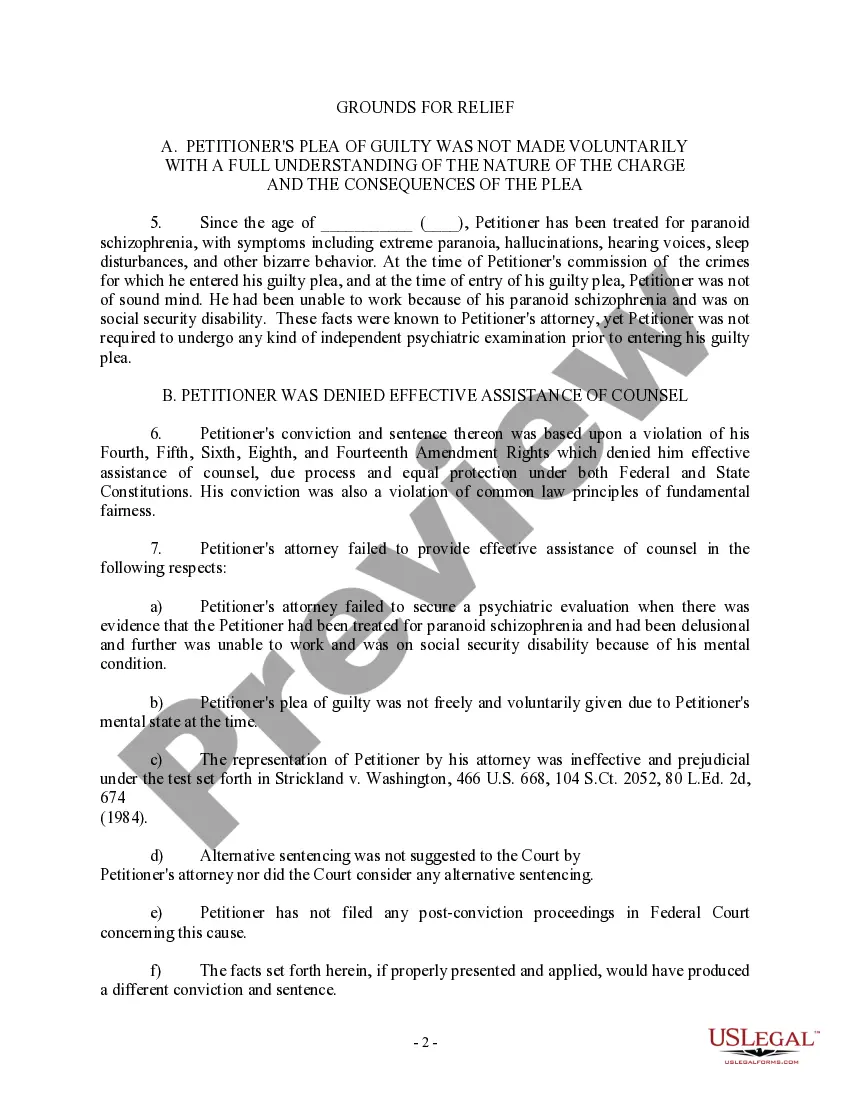
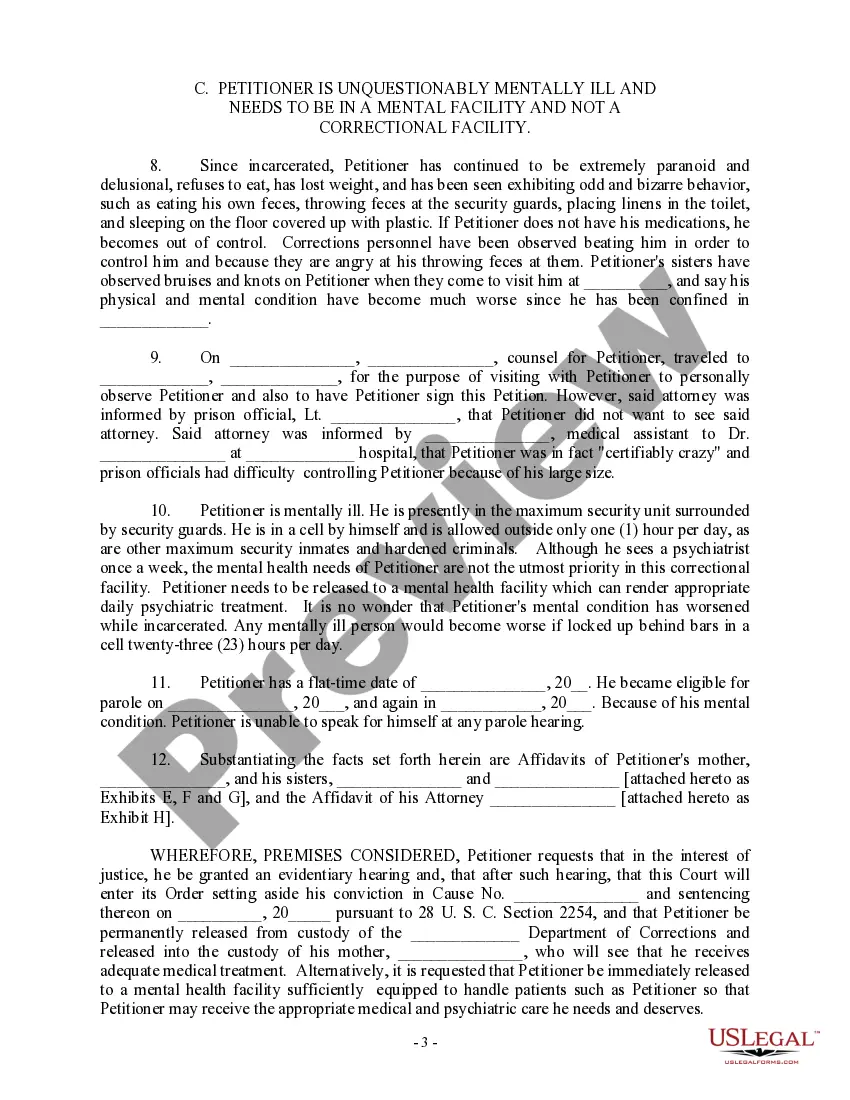
Description

Get your form ready online
Our built-in tools help you complete, sign, share, and store your documents in one place.
Make edits, fill in missing information, and update formatting in US Legal Forms—just like you would in MS Word.
Download a copy, print it, send it by email, or mail it via USPS—whatever works best for your next step.
Sign and collect signatures with our SignNow integration. Send to multiple recipients, set reminders, and more. Go Premium to unlock E-Sign.
If this form requires notarization, complete it online through a secure video call—no need to meet a notary in person or wait for an appointment.
We protect your documents and personal data by following strict security and privacy standards.

Make edits, fill in missing information, and update formatting in US Legal Forms—just like you would in MS Word.

Download a copy, print it, send it by email, or mail it via USPS—whatever works best for your next step.

Sign and collect signatures with our SignNow integration. Send to multiple recipients, set reminders, and more. Go Premium to unlock E-Sign.

If this form requires notarization, complete it online through a secure video call—no need to meet a notary in person or wait for an appointment.

We protect your documents and personal data by following strict security and privacy standards.
Looking for another form?







Form popularity
FAQ
A habeas corpus petition attacking a criminal conviction or sentence shall be filed within two years from the date of final judgment in the trial court or within one year from either final disposition of the direct appeal in state court or the time for filing such appeal has expired, whichever is later.
Habeas Corpus is a Latin word meaning which literally means 'to have the body of'. It is an order issued by the court to a person who has detained another person, to produce the body of the latter before it. The court then examines the cause and legality of detention.
A petition for a writ of habeas corpus ad subjiciendum may be filed in the Supreme Court or any circuit court showing by affidavits or other evidence that the petitioner is detained without lawful authority.
In Virginia, an IAC claim can only be made in a habeas corpus proceeding, pursuant to Va. Code § 8.01-654, only after the final judgment of conviction in a case has been entered. The claim must be raised separately on habeas and can be done simultaneously while the direct appeal is in process.
Rule . — All final judgments, orders, and decrees, irrespective of terms of court, remain under the control of the trial court and may be modified, vacated, or suspended for twenty-one days after the date of entry, and no longer.
Civil Appeals - Notices of Appeal to the Court of Appeals of Virginia and the Supreme Court of Virginia should be filed with the Case Status Team in Suite 321. For questions or more information, please contact the Case Status Team at (703) 691-7320 press 3, 1, 3.
The rules for filing a federal writ of habeas corpus are codified in 28 U.S.C. §§ 2241-2256. Generally, one cannot file a writ of habeas corpus unless they show the government has detained them. State prisoners cannot file a federal writ unless they exhaust all available state remedies.
The petition for a writ of habeas corpus challenging a criminal conviction or sentence, except as provided in Rule A for cases in which the death penalty has been imposed, shall be filed within two years from the date of the final judgment in the trial court or within one year from either final disposition of the ...
A petition for a writ of habeas corpus ad subjiciendum may be filed in the Supreme Court or any circuit court showing by affidavits or other evidence that the petitioner is detained without lawful authority.
