Petition Custody Form With Child Support In Suffolk
Description

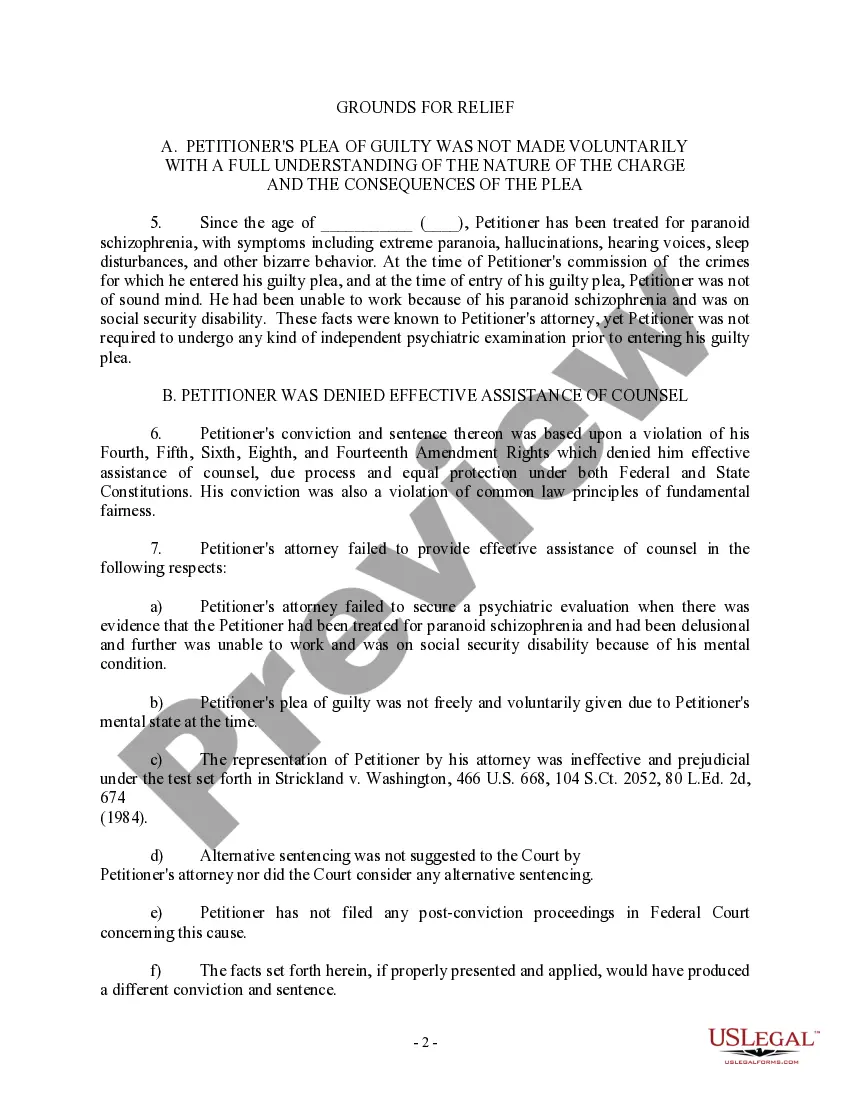
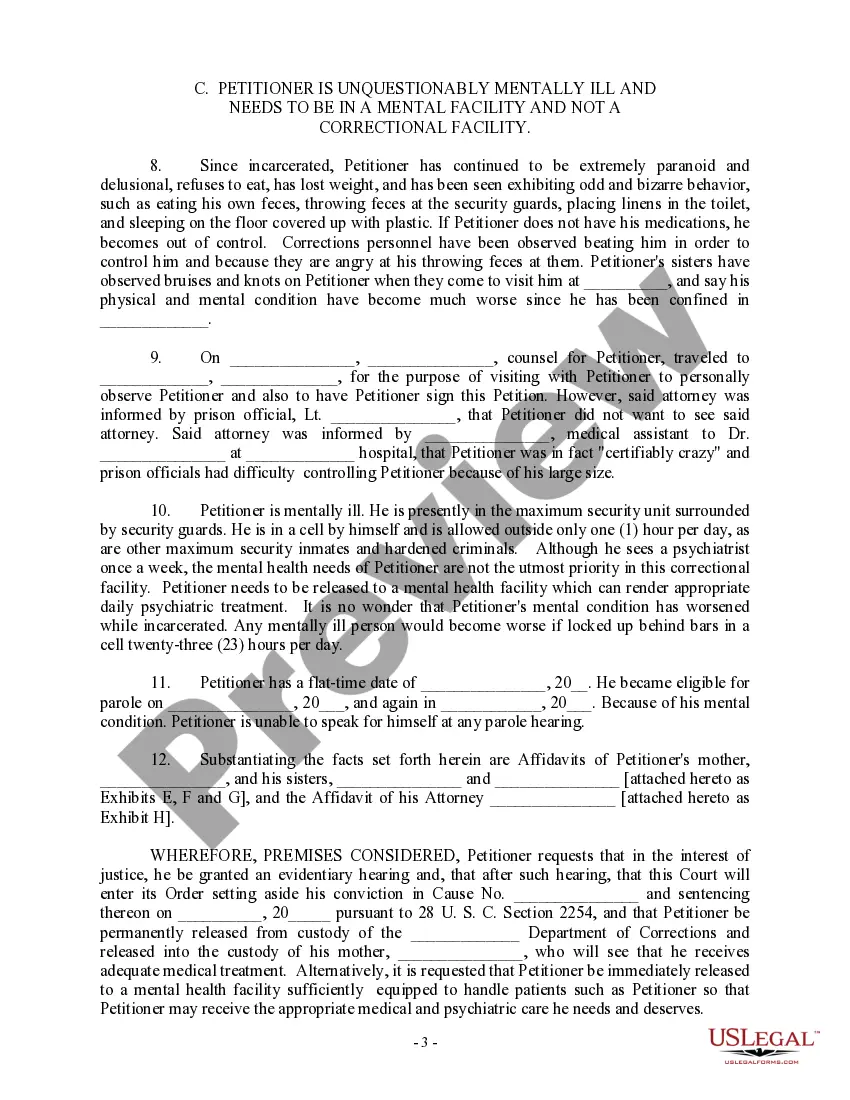

Get your form ready online
Our built-in tools help you complete, sign, share, and store your documents in one place.
Make edits, fill in missing information, and update formatting in US Legal Forms—just like you would in MS Word.
Download a copy, print it, send it by email, or mail it via USPS—whatever works best for your next step.
Sign and collect signatures with our SignNow integration. Send to multiple recipients, set reminders, and more. Go Premium to unlock E-Sign.
If this form requires notarization, complete it online through a secure video call—no need to meet a notary in person or wait for an appointment.
We protect your documents and personal data by following strict security and privacy standards.

Make edits, fill in missing information, and update formatting in US Legal Forms—just like you would in MS Word.

Download a copy, print it, send it by email, or mail it via USPS—whatever works best for your next step.

Sign and collect signatures with our SignNow integration. Send to multiple recipients, set reminders, and more. Go Premium to unlock E-Sign.

If this form requires notarization, complete it online through a secure video call—no need to meet a notary in person or wait for an appointment.

We protect your documents and personal data by following strict security and privacy standards.
Looking for another form?










Form popularity
FAQ
You may choose to file your own Family Court petition. To do so, go to the website listed below and choose the type of petition you want to file. Completed petitions must be filed with the General Clerk of the Family Court (631-853-4289).
Generally, in most US states, including California, you don't need a lawyer to start a custody case. This is because you have the right of self-representation in court. You may agree if you and your ex-partner are willing to work out your differences. You can do this by going to a mediation service.
If you are helping both parents get a green card, you will need to file a separate Form I-130 for each parent. Generally, most people can file the I-130 petition on their own. However, adopted petitioners that want to help a parent get a green card should consult with an experienced immigration attorney.
A parent, grandparent or a person with a substantial connection or relationship with the child may file a petition in Family Court requesting that the court place the child in his or her custody.
In some circumstances, you file a petition or a motion. The court has several complaint forms that you may use in drafting your complaint. The forms are available online and at the Pro Se Intake Unit. You may also write your own complaint without using a court form.
Disrespectful Language : Avoid using any form of disrespect, such as insults, sarcasm, or derogatory remarks about the judge, the opposing party, or even the legal system. Negative Comments About the Other Parent : Speaking poorly about the other parent can reflect badly on you. Emotional Outbursts
The affidavit should explicitly discuss how the arrangement aligns with the best interests of the child by protecting his or her health, safety and overall well-being. Supporting facts: details about the preferred arrangement and evidence or documentation proving the individual's ability to meet the child's needs.
Provide a concise summary of the key issues and events pertaining to the custody situation. Focus on highlighting factors that would be in the best interests of any children involved, such as stability, safety, and meeting the children's needs. Avoid making accusations or attacking your former spouse directly.
A custodial parent may file a petition with their local child support agency. That petition will then be forwarded to the New York City Law Department office in the county where the non-custodial parent resides. This matter will then be litigated in the New York City Family Court located in the same borough.
