Federal Habeas Corpus Rules In Pima
Description

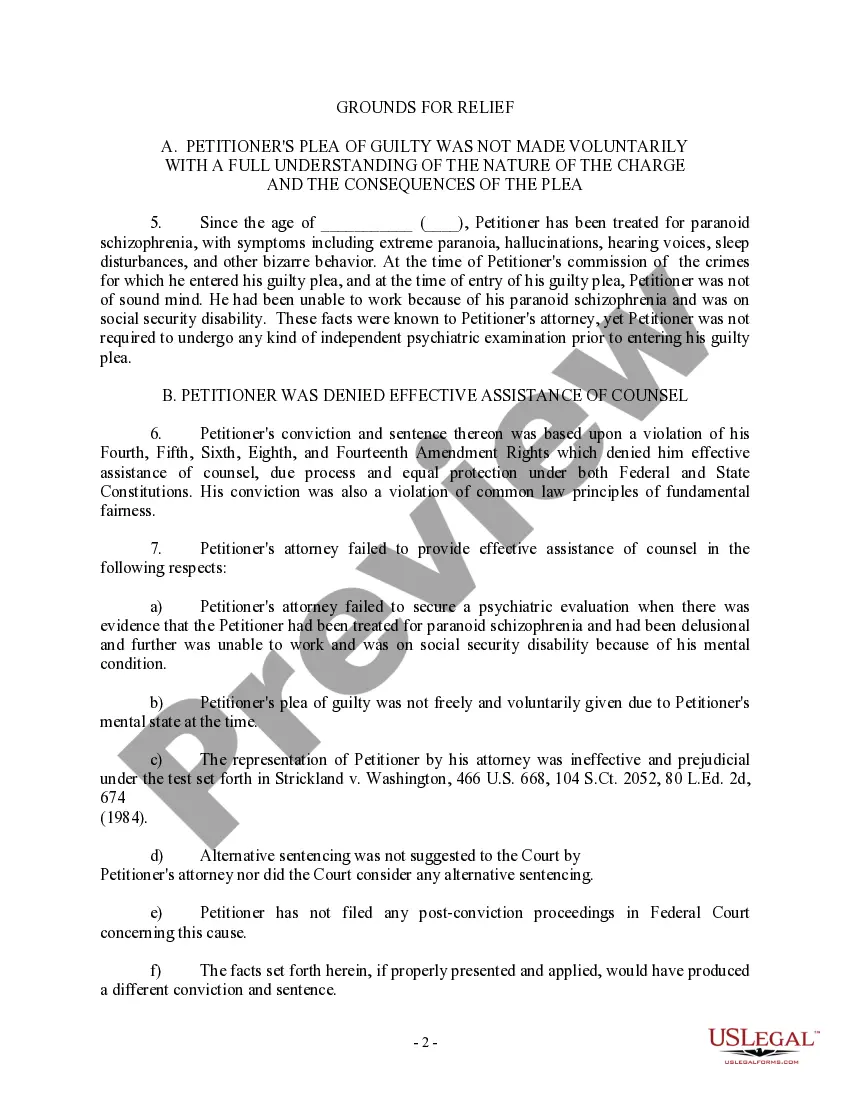
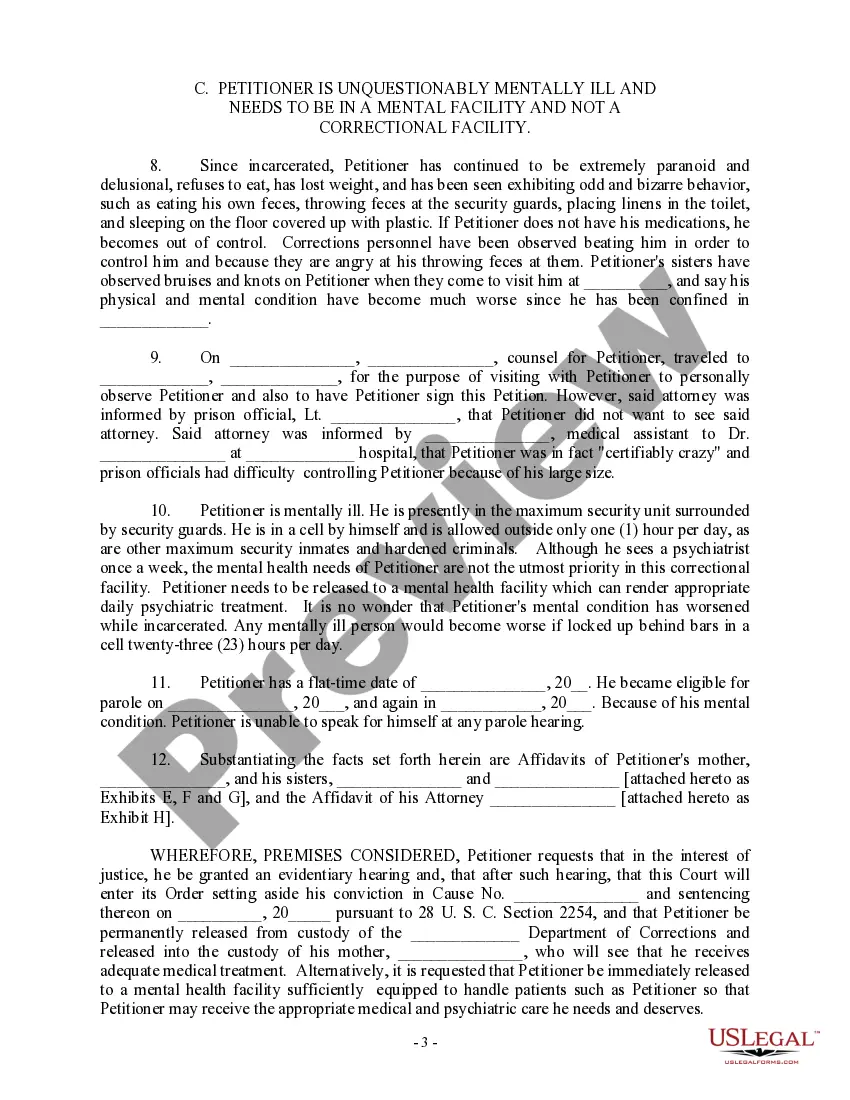
Get your form ready online
Our built-in tools help you complete, sign, share, and store your documents in one place.
Make edits, fill in missing information, and update formatting in US Legal Forms—just like you would in MS Word.
Download a copy, print it, send it by email, or mail it via USPS—whatever works best for your next step.
Sign and collect signatures with our SignNow integration. Send to multiple recipients, set reminders, and more. Go Premium to unlock E-Sign.
If this form requires notarization, complete it online through a secure video call—no need to meet a notary in person or wait for an appointment.
We protect your documents and personal data by following strict security and privacy standards.

Make edits, fill in missing information, and update formatting in US Legal Forms—just like you would in MS Word.

Download a copy, print it, send it by email, or mail it via USPS—whatever works best for your next step.

Sign and collect signatures with our SignNow integration. Send to multiple recipients, set reminders, and more. Go Premium to unlock E-Sign.

If this form requires notarization, complete it online through a secure video call—no need to meet a notary in person or wait for an appointment.

We protect your documents and personal data by following strict security and privacy standards.
Looking for another form?








Form popularity
FAQ
A Writ of Habeas Corpus usually addresses claims of ineffective assistance of counsel, prosecutorial misconduct, newly discovered evidence, jury misconduct, and claims of actual innocence.
Under Federal Rule of Criminal Procedure 11, a plea of nolo contendere shall be accepted by the court only with its consent and only after it gives due consideration to the views of the parties and the interest of the public in the effective administration of justice.
Rule 11. Before entering the final order, the court may direct the parties to submit arguments on whether a certificate should issue. If the court issues a certificate, the court must state the specific issue or issues that satisfy the showing required by 28 U.S.C. § 2253(c)(2).
Signing of Pleadings, Motions, and Other Papers; Sanctions. Every pleading, motion, and other paper of a party represented by an attorney shall be signed by or for the attorney of record in the signing attorney's own individual name, whose address and telephone number shall be stated.
Every pleading, written motion, and other paper must be signed by at least one attorney of record in the attorney's name – or by a party personally if the party is unrepresented.
The individual filing the petition for habeas corpus relief bears the burden of proving that federal law was violated by a “preponderance of the evidence.” As a general rule, the federal court will presume that the findings of the state court during the appeal or state habeas corpus process are correct, unless there is ...
§ 2254 deals specifically with state custody, providing that habeas corpus shall apply only “in behalf of a person in custody pursuant to a judgment of a state court .” In Preiser v.
The difference between these two writs is that habeas corpus is designed to enforce the right to freedom of the person, whereas amparo is designed to protect those other fundamental human rights enshrined in the Constitution but not covered by the writ of habeas corpus.”
Habeas Corpus is a Latin word meaning which literally means 'to have the body of'. It is an order issued by the court to a person who has detained another person, to produce the body of the latter before it. The court then examines the cause and legality of detention. Further Reading: Types of Writs.
Jurisdiction and Courts Authorized to Issue the Writ The power to issue the Writ of Habeas Corpus in the Philippines rests with the Supreme Court, the Court of Appeals, and Regional Trial Courts. The writ can be invoked by any detained individual, their relatives, or authorized representatives.
