Petition Visitation Form With Answer In Philadelphia
Description


Get your form ready online
Our built-in tools help you complete, sign, share, and store your documents in one place.
Make edits, fill in missing information, and update formatting in US Legal Forms—just like you would in MS Word.
Download a copy, print it, send it by email, or mail it via USPS—whatever works best for your next step.
Sign and collect signatures with our SignNow integration. Send to multiple recipients, set reminders, and more. Go Premium to unlock E-Sign.
If this form requires notarization, complete it online through a secure video call—no need to meet a notary in person or wait for an appointment.
We protect your documents and personal data by following strict security and privacy standards.

Make edits, fill in missing information, and update formatting in US Legal Forms—just like you would in MS Word.

Download a copy, print it, send it by email, or mail it via USPS—whatever works best for your next step.

Sign and collect signatures with our SignNow integration. Send to multiple recipients, set reminders, and more. Go Premium to unlock E-Sign.

If this form requires notarization, complete it online through a secure video call—no need to meet a notary in person or wait for an appointment.

We protect your documents and personal data by following strict security and privacy standards.
Looking for another form?


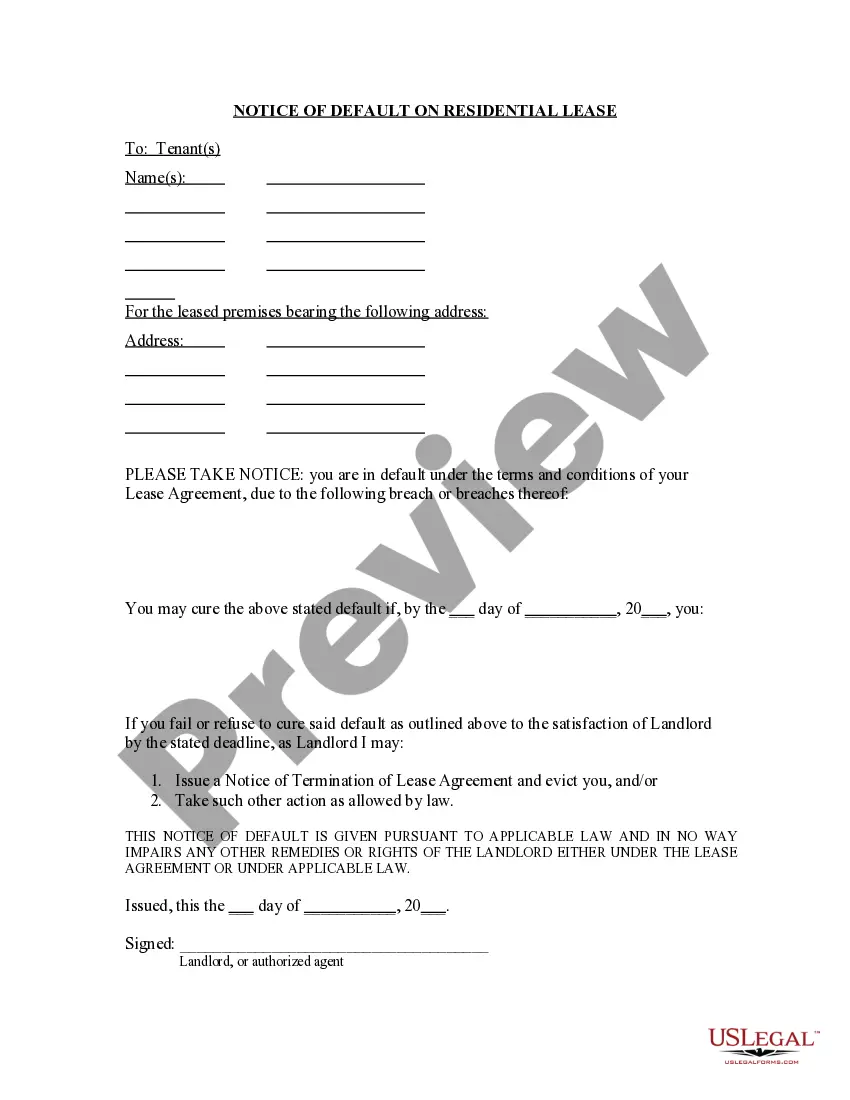

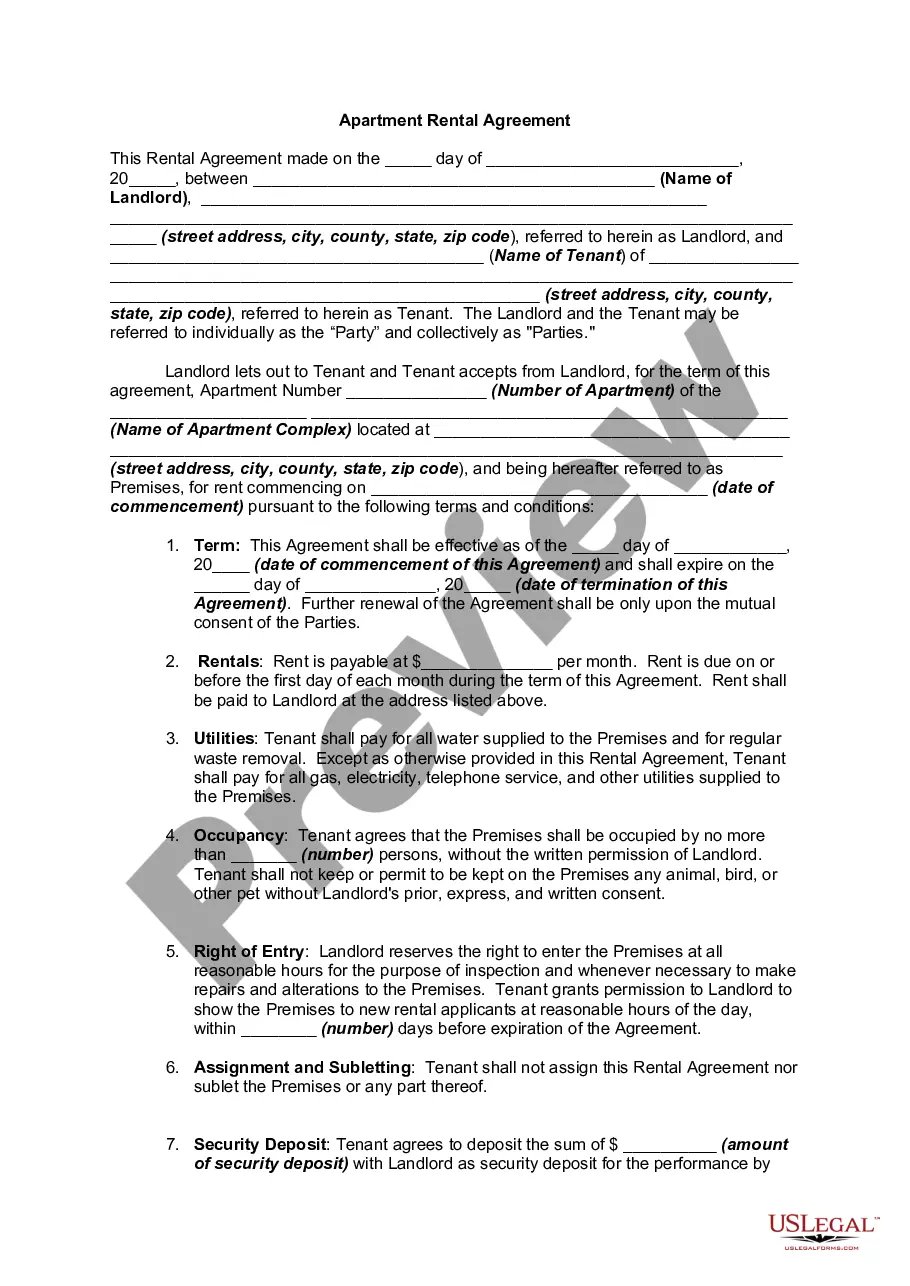

Form popularity
FAQ
A parent has the option of filing an emergency custody order when they feel that their child is in immediate risk of harm. To file is to essentially request for the courts to immediately intervene to place a child in either the petitioning parent's custody or someone else's custody until it is safe to lift the order.
Find and Download official court forms for California Child Custody and Visitation FL-300 · Request for Order. FL-320 · Responsive Declaration to Request for Order. FL-340 · Findings and Order After Hearing. FL-341 · Child Custody and Visitation (Parenting Time) Order Attachment.
Steps to File for Visitation Rights in California Determine Your Case Type. Determine whether you need to file for divorce, establish parentage, or modify an existing custody order. Fill Out the Necessary Forms. File Your Forms with the Court. Serve the Other Parent. Attend Mediation. Attend Your Court Hearing.
Mothers historically have won more custody battles due to traditional roles and perceptions of mothers as the primary caregivers.
Yes, it would have to go through the court. Then a judge will determine if that is in the child's best interest. You can't just not send them to see their father. That's a violation of a court order and can have consequences.
You cannot deny the noncustodial parent visitation unless there are legitimate safety concerns. You may be able to get an emergency order to temporarily restrict the noncustodial parent's access to your child while you work on getting a long-term order change from the court.
If you have a family law case, you can file a Request for Order in that case. If there's already a family law case involving the child in California, then you can file a Request for Order (form FL-300) to ask the judge to make or change an order in that case about child custody and visitation (parenting time).
In Pennsylvania, supervised visitation can be granted when the non-custodial parent isn't deemed ready to spend time alone with the children. This could be due to a history of domestic violence, child abuse, or drug or alcohol abuse, for example.
These are some mistakes you're going to want to be mindful to avoid. TALKING BADLY ABOUT THE OTHER PARENT TO THE CHILD. FAILING TO TAKE ON CHALLENGING TASKS. NOT COMMUNICATING WITH THE OTHER PARENT. TRYING TO MAKE YOUR CHILDREN FEEL SORRY FOR YOU. PREVENTING THE OTHER PARENT'S ACCESS TO THE CHILDREN.
These are some mistakes you're going to want to be mindful to avoid. TALKING BADLY ABOUT THE OTHER PARENT TO THE CHILD. FAILING TO TAKE ON CHALLENGING TASKS. NOT COMMUNICATING WITH THE OTHER PARENT. TRYING TO MAKE YOUR CHILDREN FEEL SORRY FOR YOU. PREVENTING THE OTHER PARENT'S ACCESS TO THE CHILDREN.
