Petition Custody Form With Two Points In Maricopa
Description

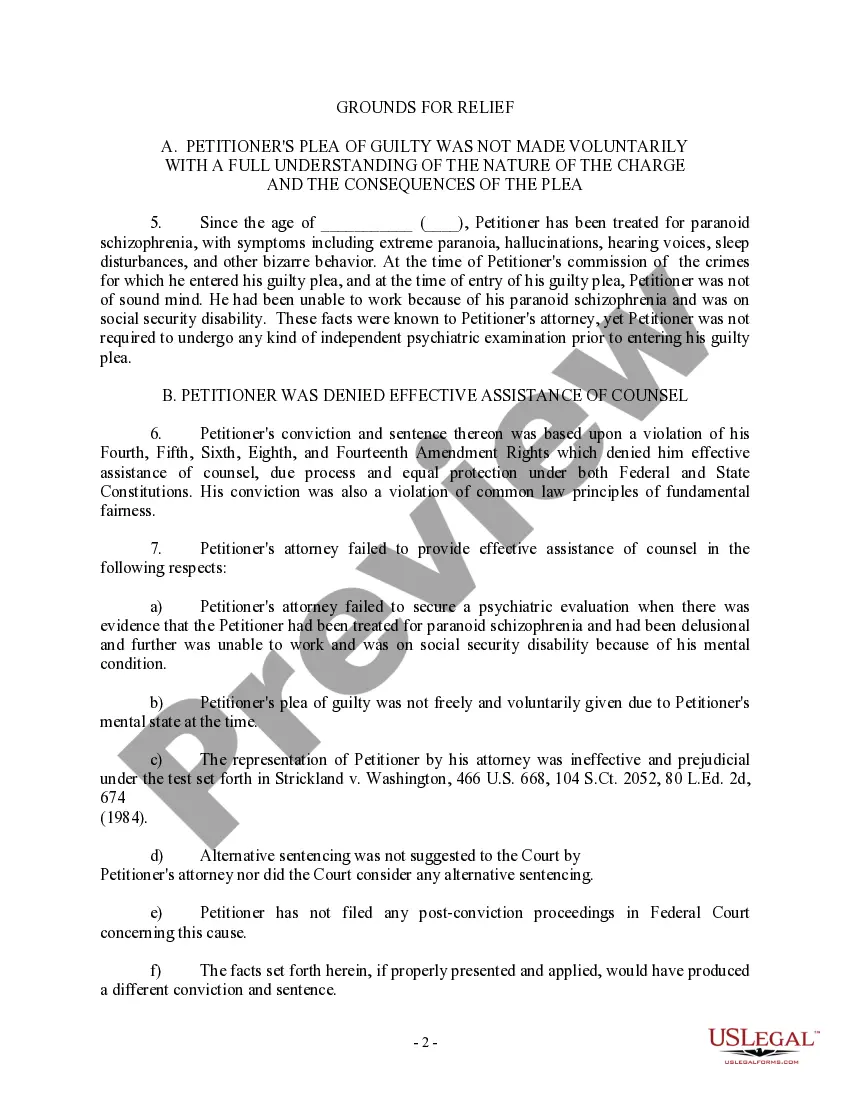
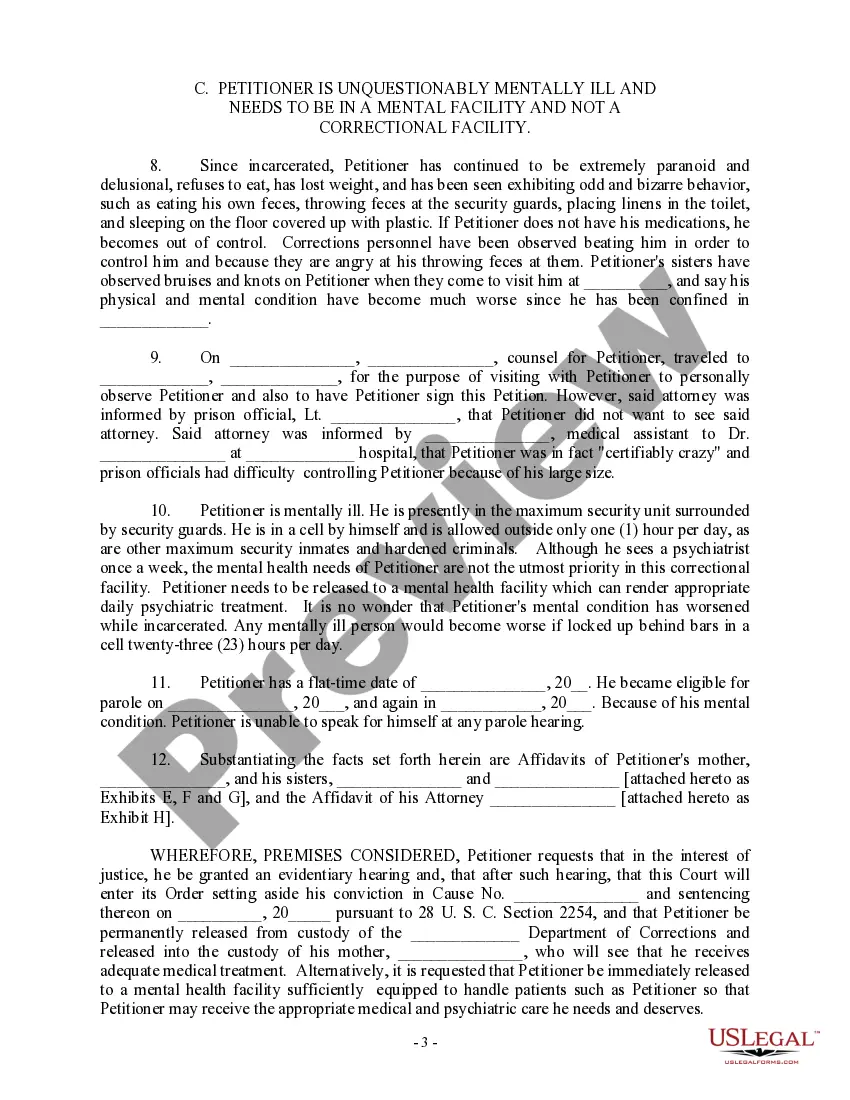

Get your form ready online
Our built-in tools help you complete, sign, share, and store your documents in one place.
Make edits, fill in missing information, and update formatting in US Legal Forms—just like you would in MS Word.
Download a copy, print it, send it by email, or mail it via USPS—whatever works best for your next step.
Sign and collect signatures with our SignNow integration. Send to multiple recipients, set reminders, and more. Go Premium to unlock E-Sign.
If this form requires notarization, complete it online through a secure video call—no need to meet a notary in person or wait for an appointment.
We protect your documents and personal data by following strict security and privacy standards.

Make edits, fill in missing information, and update formatting in US Legal Forms—just like you would in MS Word.

Download a copy, print it, send it by email, or mail it via USPS—whatever works best for your next step.

Sign and collect signatures with our SignNow integration. Send to multiple recipients, set reminders, and more. Go Premium to unlock E-Sign.

If this form requires notarization, complete it online through a secure video call—no need to meet a notary in person or wait for an appointment.

We protect your documents and personal data by following strict security and privacy standards.
Looking for another form?










Form popularity
FAQ
Arizona courts consider factors such as the child's needs, parental involvement, and each parent's ability to provide a nurturing environment when determining custody arrangements. This information is often outlined in a parenting plan to ensure the child's well-being and development.
Unfortunately, you cannot get full child custody without going to court. This is because, under California law, child custody is something that must be ordered by a court with jurisdiction over the children involved. Thus, any custody determinations in California must inherently go through the court system.
To modify any type of legal decision-making or parenting time order a person shall submit an affidavit or verified petition setting forth detailed facts supporting the requested modification and shall give notice, together with a copy of the affidavit or verified petition, to other parties to the proceeding, who may ...
Child custody cases in Arizona can take three months to a year to conclude because of the many things that influence the case. It can take longer than that if both parents do not discuss an agreement.
The plan must include compelling reasons that shared custody isn't in the child's best interests in order for a judge to sign the agreement into final orders. If the other parent doesn't agree to allow their spouse sole custody, the parents must take the matter before a judge in a custody trial.
If The Parents Agree, Child Support Can Be Changed or Removed. Because of changes in circumstances for either of the parents, the two parties may agree to forgo payments. This can happen when the marital status of the custodial parent changes, the income of a parent changes, or other circumstances.
Specific details should include the agreed-upon arrangements for schooling, medical care, and extracurricular activities. Clarity in the joint custody affidavit helps the court understand the cooperative relationship between parents, promoting the child's overall welfare.
Reasons the Court May Agree Sole Custody is Appropriate: Drug or Alcohol Abuse. Child Abuse. Criminal History. Domestic Violence. Mental Health Problems.
Parental Conflict: If there is significant conflict between the parents, a 50/50 arrangement can exacerbate tensions, which may negatively impact the child. Logistical Challenges: Coordinating schedules, transportation, and other logistics can be complicated and stressful, which can affect the child indirectly.
