Define Habeas Corpus In In Los Angeles
Description

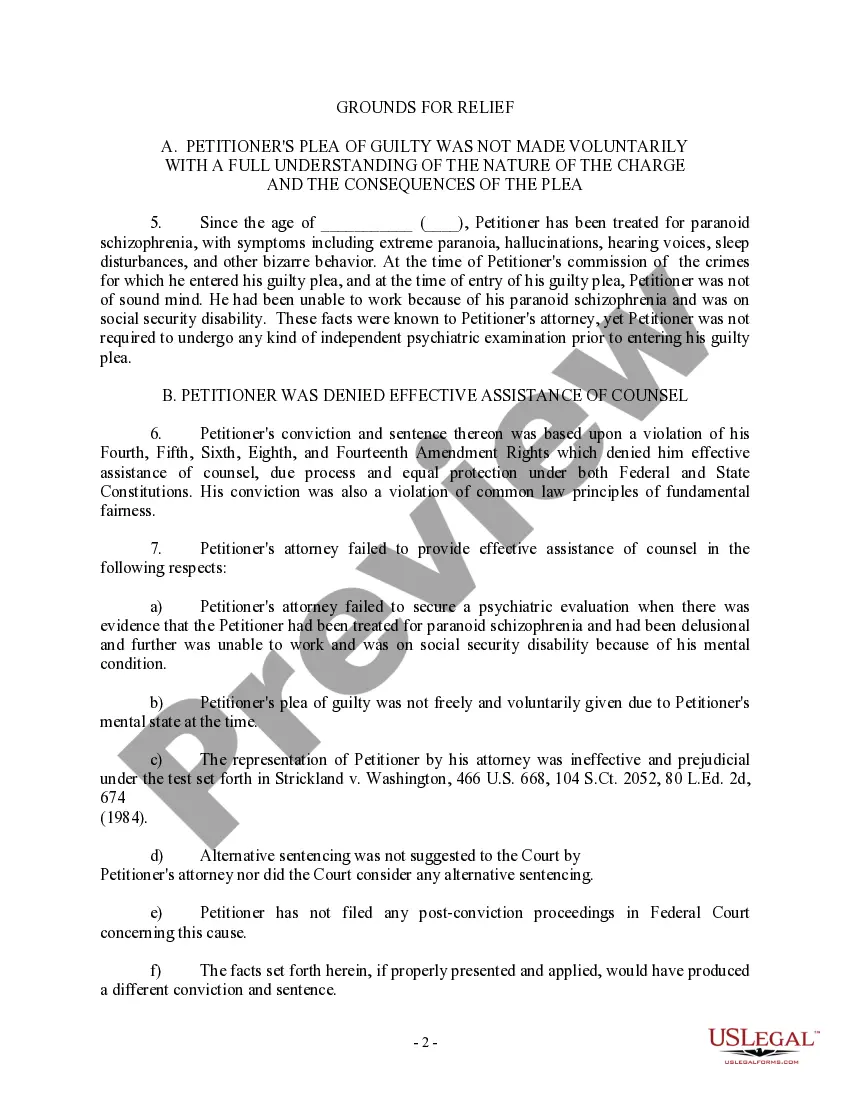
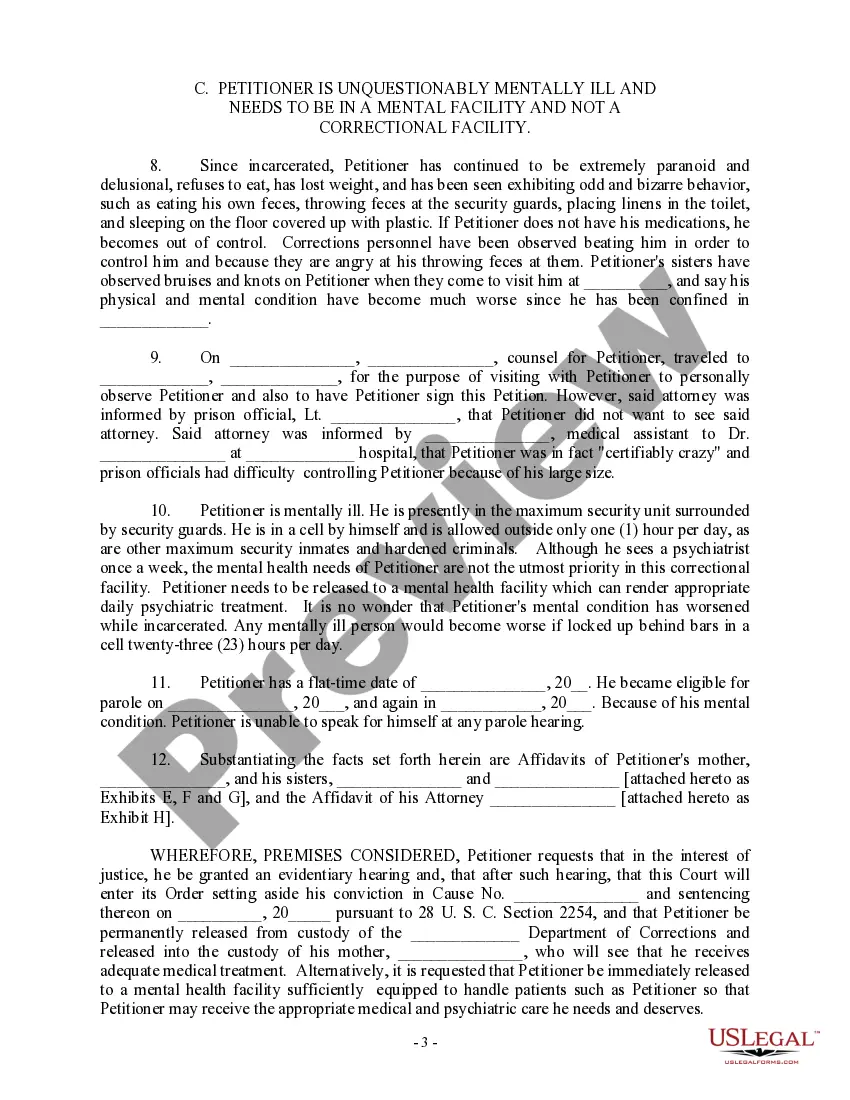
Get your form ready online
Our built-in tools help you complete, sign, share, and store your documents in one place.
Make edits, fill in missing information, and update formatting in US Legal Forms—just like you would in MS Word.
Download a copy, print it, send it by email, or mail it via USPS—whatever works best for your next step.
Sign and collect signatures with our SignNow integration. Send to multiple recipients, set reminders, and more. Go Premium to unlock E-Sign.
If this form requires notarization, complete it online through a secure video call—no need to meet a notary in person or wait for an appointment.
We protect your documents and personal data by following strict security and privacy standards.

Make edits, fill in missing information, and update formatting in US Legal Forms—just like you would in MS Word.

Download a copy, print it, send it by email, or mail it via USPS—whatever works best for your next step.

Sign and collect signatures with our SignNow integration. Send to multiple recipients, set reminders, and more. Go Premium to unlock E-Sign.

If this form requires notarization, complete it online through a secure video call—no need to meet a notary in person or wait for an appointment.

We protect your documents and personal data by following strict security and privacy standards.
Looking for another form?









Form popularity
FAQ
The court must rule on a petition for writ of habeas corpus within 60 days after the petition is filed. (B) If the court fails to rule on the petition within 60 days of its filing, the petitioner may file a notice and request for ruling.
The term "habeas corpus" is Latin for "you should have the body." It is a legal mechanism that enables prisoners and detainees to challenge the conditions of their conviction, sentencing, or detainment—effectively stating that they have been wrongfully imprisoned or detained.
The literal meaning of habeas corpus is "you should have the body"—that is, the judge or court should (and must) have any person who is being detained brought forward so that the legality of that person's detention can be assessed.
The Privilege of the Writ of Habeas Corpus shall not be suspended, unless when in Cases of Rebellion or Invasion the public Safety may require it.
If an inmate meets all the requirements to file a petition for writ of habeas corpus, they will file their petition in the superior court in the court of conviction. Within 60 days, the court will review the petition to determine if the inmate raised a prima facie case entitling them to relief.
The Writ of Habeas Corpus is an outstanding post-conviction remedy available to you. Through it, you can attain many kinds of successes in your case, including immediate release from custody, reduction of your sentence, stop illegal conditions to your incarceration, and even potentially seek a new trial.
James Liebman, Professor of Law at Columbia Law School, stated in 1996 that his study found that when habeas corpus petitions in death penalty cases were traced from conviction to completion of the case that there was "a 40 percent success rate in all capital cases from 1978 to 1995." Similarly, a study by Ronald Tabek ...
The court must rule on a petition for writ of habeas corpus within 60 days after the petition is filed. (B) If the court fails to rule on the petition within 60 days of its filing, the petitioner may file a notice and request for ruling.
State every ground (reason) that supports your claim that you are being held in violation of the Constitution, laws, or treaties of the United States. Attach additional pages if you have more than four grounds. State the facts supporting each ground. Any legal arguments must be submitted in a separate memorandum.
(a) A person unlawfully imprisoned or restrained of their liberty, under any pretense, may prosecute a writ of habeas corpus to inquire into the cause of the imprisonment or restraint.
