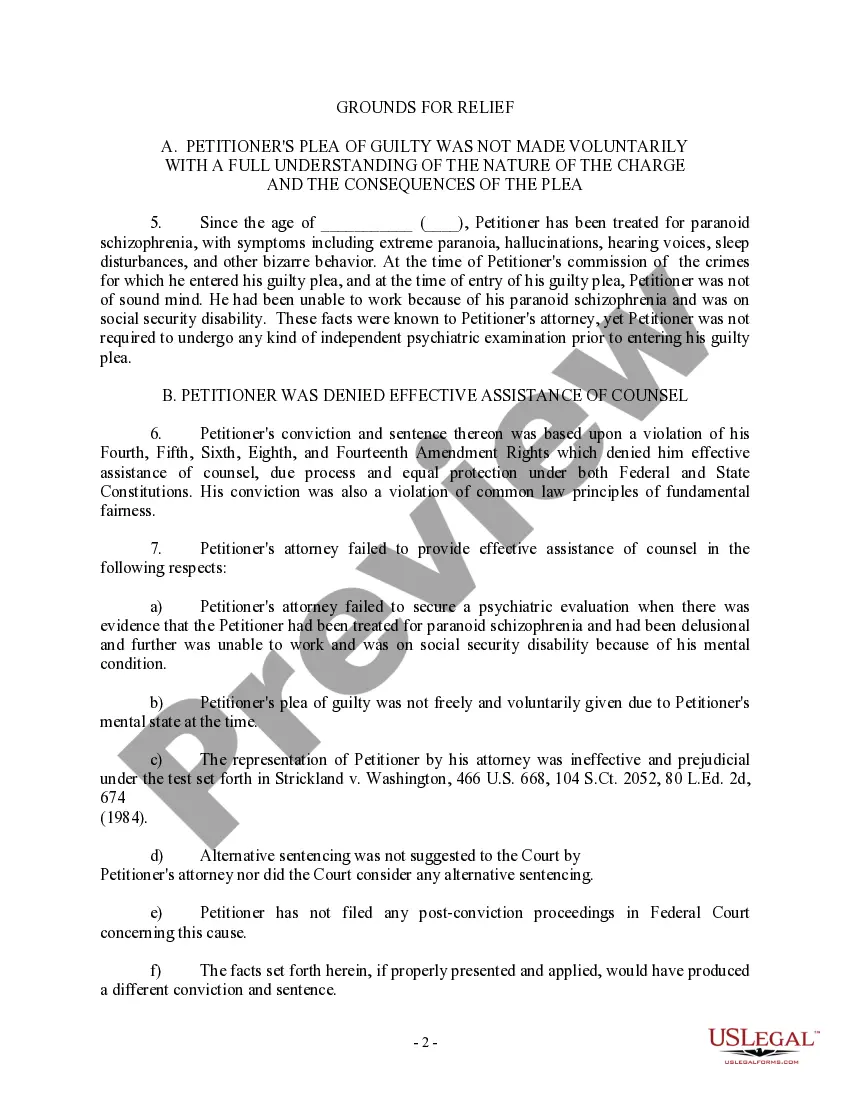
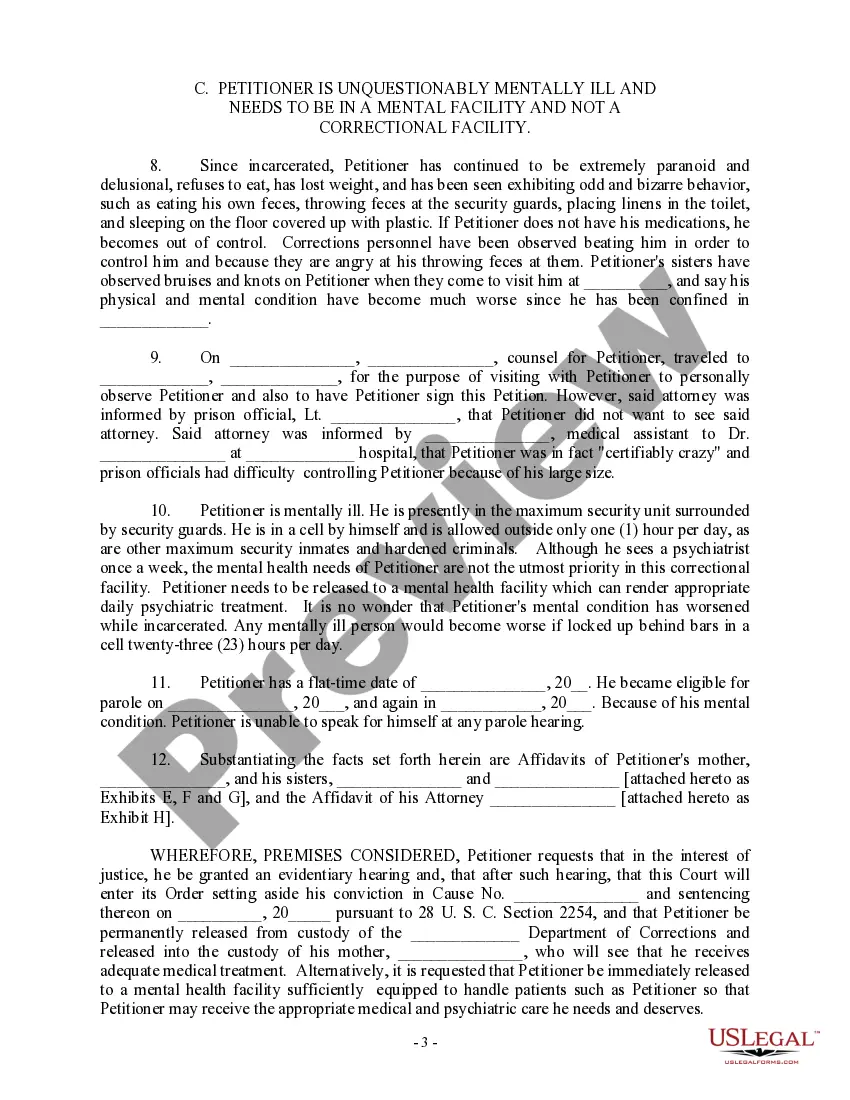
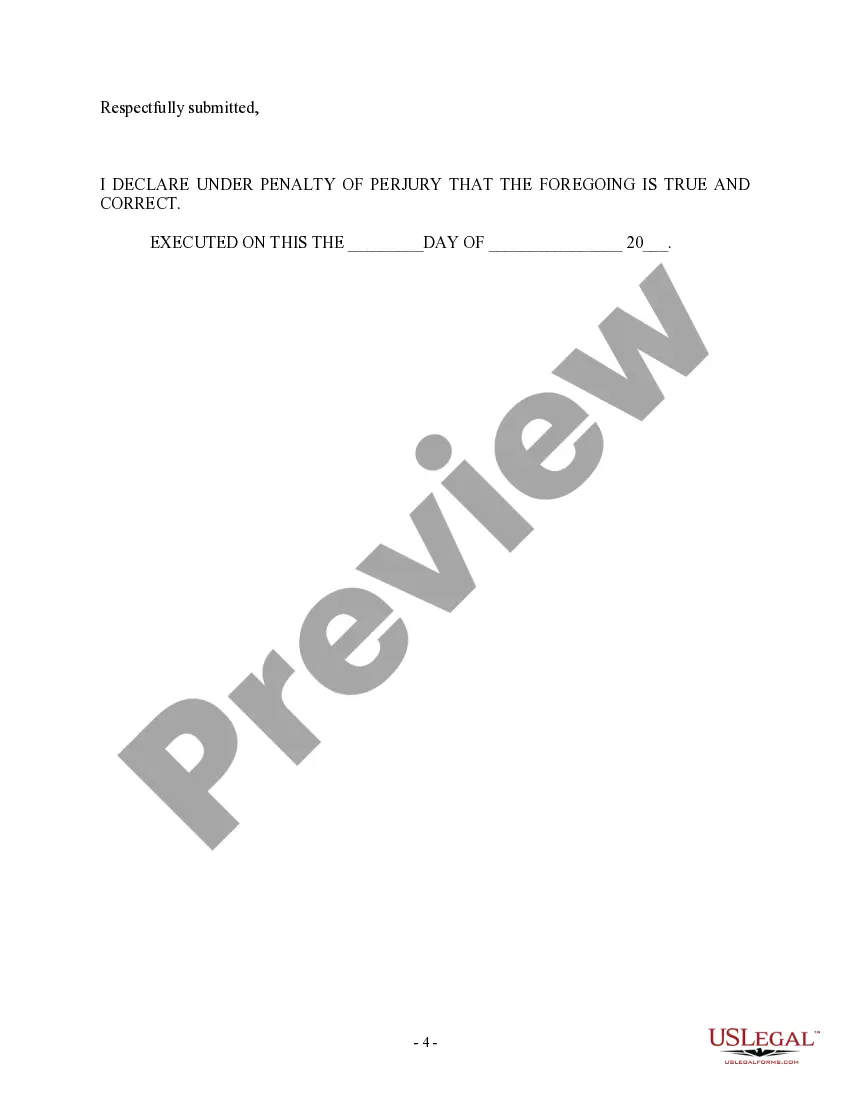
Habeas Corpus Petition Form With Attorney General In California
Description

Get your form ready online
Our built-in tools help you complete, sign, share, and store your documents in one place.
Make edits, fill in missing information, and update formatting in US Legal Forms—just like you would in MS Word.
Download a copy, print it, send it by email, or mail it via USPS—whatever works best for your next step.
Sign and collect signatures with our SignNow integration. Send to multiple recipients, set reminders, and more. Go Premium to unlock E-Sign.
If this form requires notarization, complete it online through a secure video call—no need to meet a notary in person or wait for an appointment.
We protect your documents and personal data by following strict security and privacy standards.

Make edits, fill in missing information, and update formatting in US Legal Forms—just like you would in MS Word.

Download a copy, print it, send it by email, or mail it via USPS—whatever works best for your next step.

Sign and collect signatures with our SignNow integration. Send to multiple recipients, set reminders, and more. Go Premium to unlock E-Sign.

If this form requires notarization, complete it online through a secure video call—no need to meet a notary in person or wait for an appointment.

We protect your documents and personal data by following strict security and privacy standards.
Looking for another form?









Form popularity
FAQ
A federal petition for writ of habeas corpus under 28 U.S.C. § 2254 is used by a (1) state prisoner (2) being held in state custody (3) to challenge the validity of a state criminal conviction or sentence (4) for the purpose of obtaining release from custody.
The following are some common grounds for writ of habeas corpus petitions: Introduction of new evidence that points to your innocence. Changes in the law. Incompetency during trial. Ineffective assistance of counsel. Conviction under unconstitutional law. Prosecutorial misconduct. No jurisdiction.
Filing the Petition To file a state habeas corpus petition, individuals must use the official Judicial Council Form HC-001, which should be filled out completely and clearly. The petition should include detailed information about the grounds for relief, supporting facts, and relevant legal authorities.
Thus, to effectively file a writ of habeas corpus in California state court, an inmate must have been convicted and either serving a sentence of incarceration, probation or parole. They must have also filed a direct appeal to the appellate court and then to the California Supreme Court.
The lawyer filed a habeas corpus petition since his client was being held without charges. When his due process rights were violated, he sought relief through a writ of habeas corpus. With parole granted but not implemented, he chose to file for habeas corpus.
State every ground (reason) that supports your claim that you are being held in violation of the Constitution, laws, or treaties of the United States. Attach additional pages if you have more than four grounds. State the facts supporting each ground. Any legal arguments must be submitted in a separate memorandum.
(A) If a party serves an acceptance of the additur or remittitur within the time for accepting the additur or remittitur, the time to appeal from the judgment is extended for all parties until 30 days after the date the party serves the acceptance.
Rule of Court, rule 8.78(a).) Under the rule, counsel who register to use the TF system are automatically deemed to have agreed to accept electronic service. ingly, the counsel list that pre-populates your case entry in TF have agreed to accept eService.
Habeas Corpus is a Latin word meaning which literally means 'to have the body of'. It is an order issued by the court to a person who has detained another person, to produce the body of the latter before it. The court then examines the cause and legality of detention. Further Reading: Types of Writs.
