Petition Visitation Form With Grandparent In Broward
Description

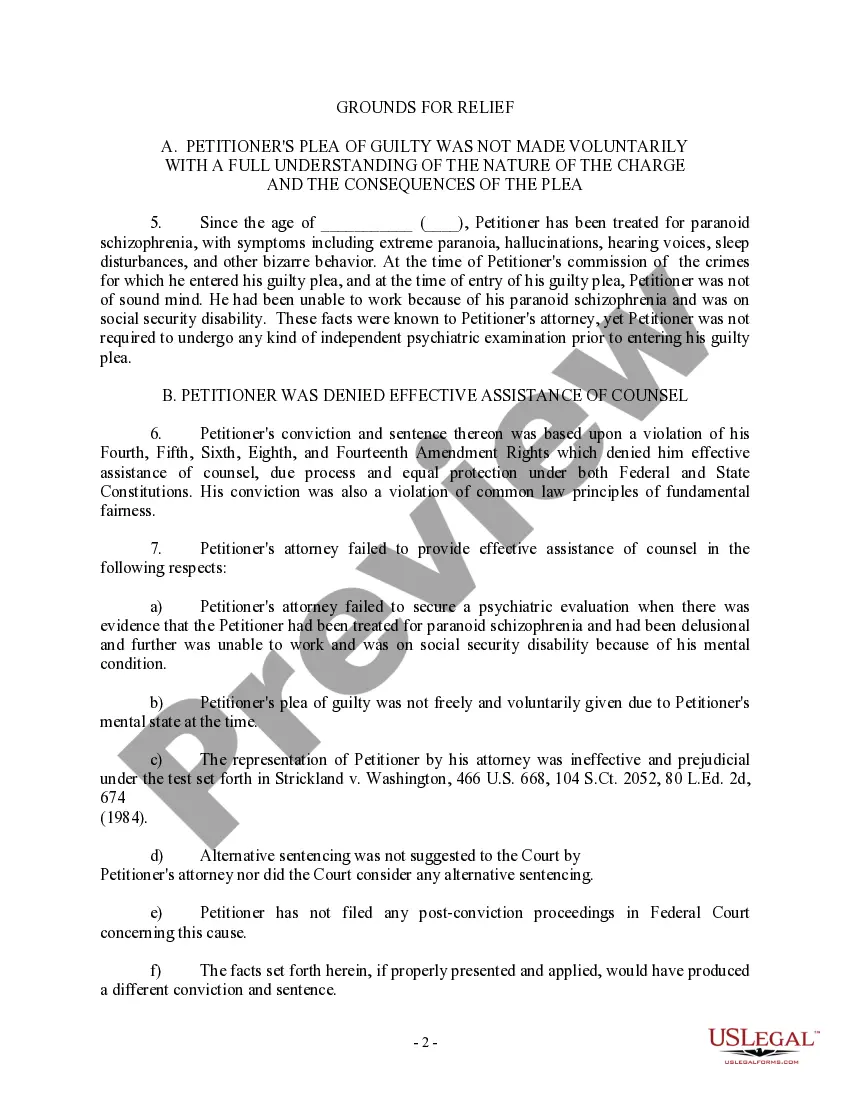
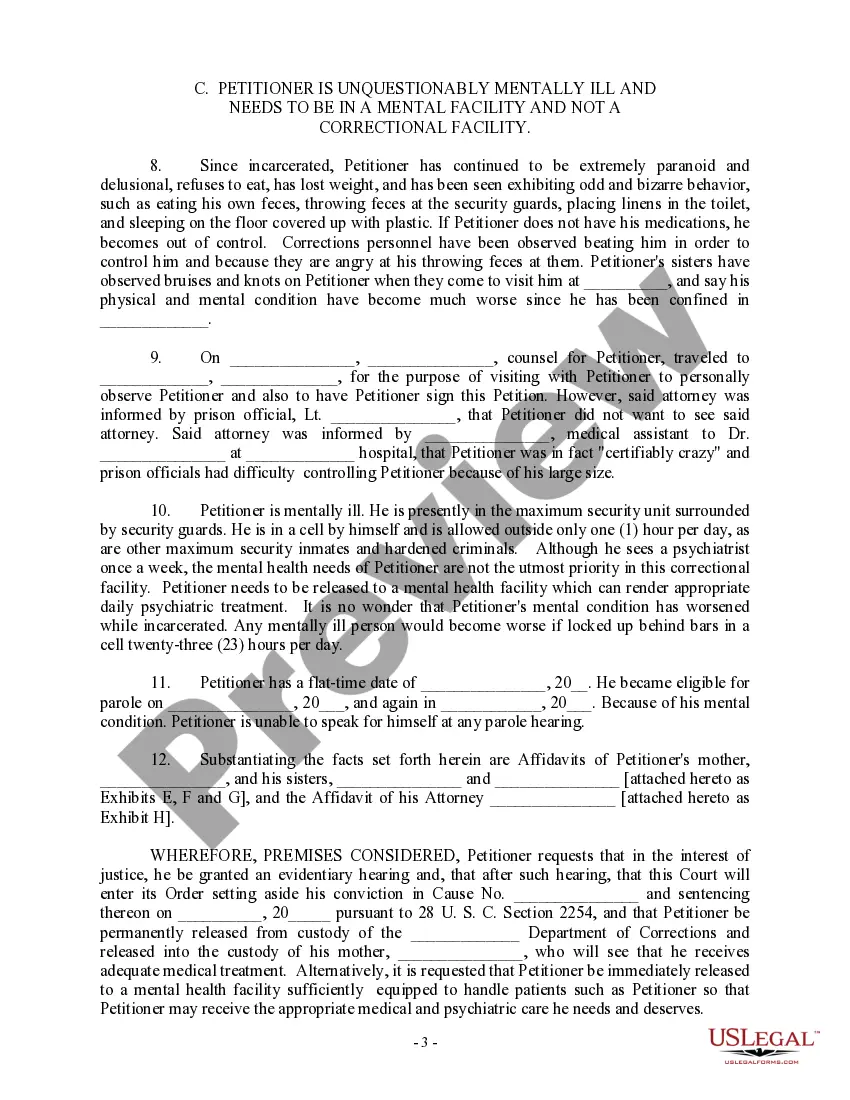
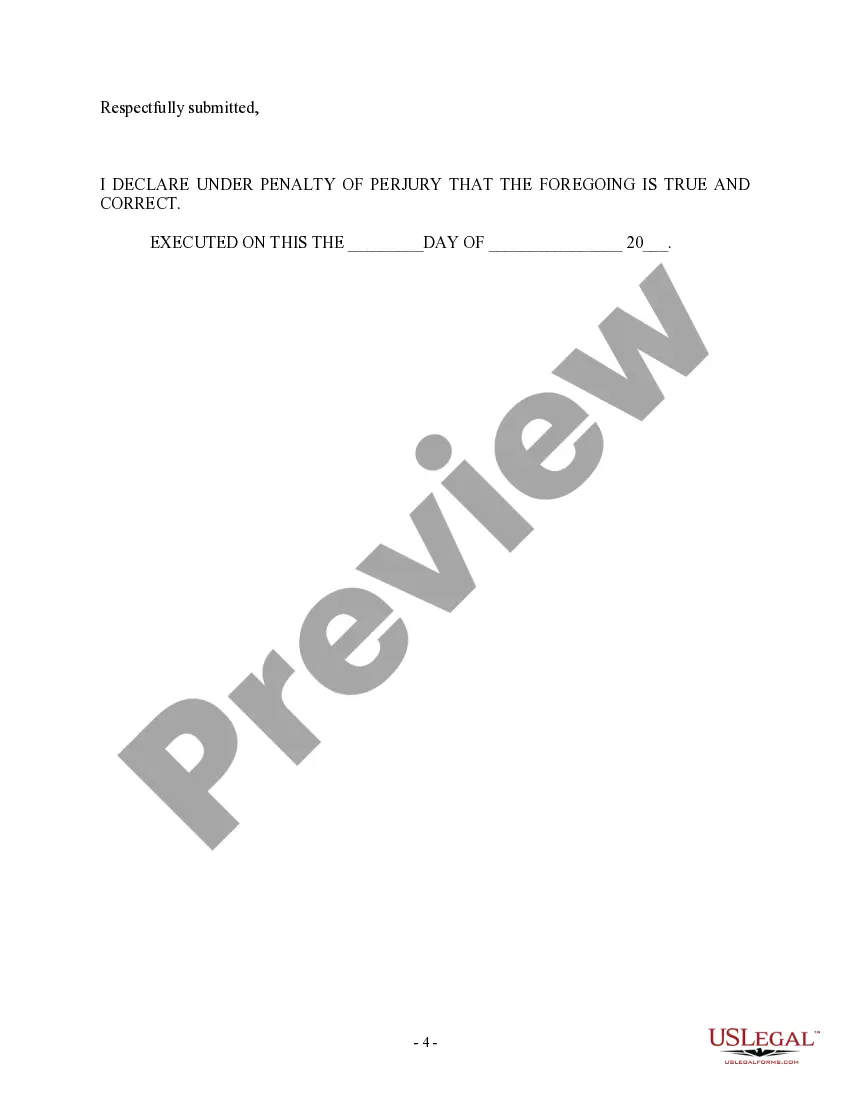
Get your form ready online
Our built-in tools help you complete, sign, share, and store your documents in one place.
Make edits, fill in missing information, and update formatting in US Legal Forms—just like you would in MS Word.
Download a copy, print it, send it by email, or mail it via USPS—whatever works best for your next step.
Sign and collect signatures with our SignNow integration. Send to multiple recipients, set reminders, and more. Go Premium to unlock E-Sign.
If this form requires notarization, complete it online through a secure video call—no need to meet a notary in person or wait for an appointment.
We protect your documents and personal data by following strict security and privacy standards.

Make edits, fill in missing information, and update formatting in US Legal Forms—just like you would in MS Word.

Download a copy, print it, send it by email, or mail it via USPS—whatever works best for your next step.

Sign and collect signatures with our SignNow integration. Send to multiple recipients, set reminders, and more. Go Premium to unlock E-Sign.

If this form requires notarization, complete it online through a secure video call—no need to meet a notary in person or wait for an appointment.

We protect your documents and personal data by following strict security and privacy standards.
Looking for another form?










Form popularity
FAQ
Specifically, the bill creates a presumption that a court may award a grandparent reasonable visitation with a grandchild in cases where a court has found that one parent of a child is criminally liable for the death of the other parent of the child or is civilly liable for an intentional tort causing the death of the ...
—Notwithstanding any other provision of law, a maternal or paternal grandparent as well as a stepgrandparent is entitled to reasonable visitation with his or her grandchild who has been adjudicated a dependent child and taken from the physical custody of the parent unless the court finds that such visitation is not in ...
2021 Florida Statutes (Including 2021B Session) (1) For purposes of this section, the term “immediate family” means a person's spouse or the parent, child, grandparent, grandchild, or sibling of the person or the person's spouse.
Although all 50 states have grandparents' rights in place, around 20 states have what are called restrictive visitation statutes. These states, like Alabama and Georgia, only allow a grandparent to petition the court for visitation rights if the child's parents are getting divorced or if one or both parents pass away.
Specifically, the bill creates a presumption that a court may award a grandparent reasonable visitation with a grandchild in cases where a court has found that one parent of a child is criminally liable for the death of the other parent of the child or is civilly liable for an intentional tort causing the death of the ...
To seek visitation rights as a grandparent, you must file a petition with the family court. The court will consider factors such as the relationship between the grandparent and grandchild, the child's best interests, the parent's objections to visitation, and any other relevant circumstances.
Grandparents can request temporary child custody if one or both parents have passed away, abandoned the child or otherwise neglected to provide a safe and healthy environment for the child.
Who Determines the Grandparent Visitation Schedule? There is no one-size-fits-all answer to how often you should be allowed to see your grandchild. This will depend largely on the child's best interests and what the parent's schedule reasonably allows.
Getting Custody as Grandparents You must petition the court for visitation or custody of your grandchildren in Florida. The court will then schedule a preliminary hearing before a judge so that the grandparents, parents, and a guardian ad litem—if a judge has assigned one to represent the child—can present their case.
