Federal Habeas Corpus Form 2255 In Bexar
Description

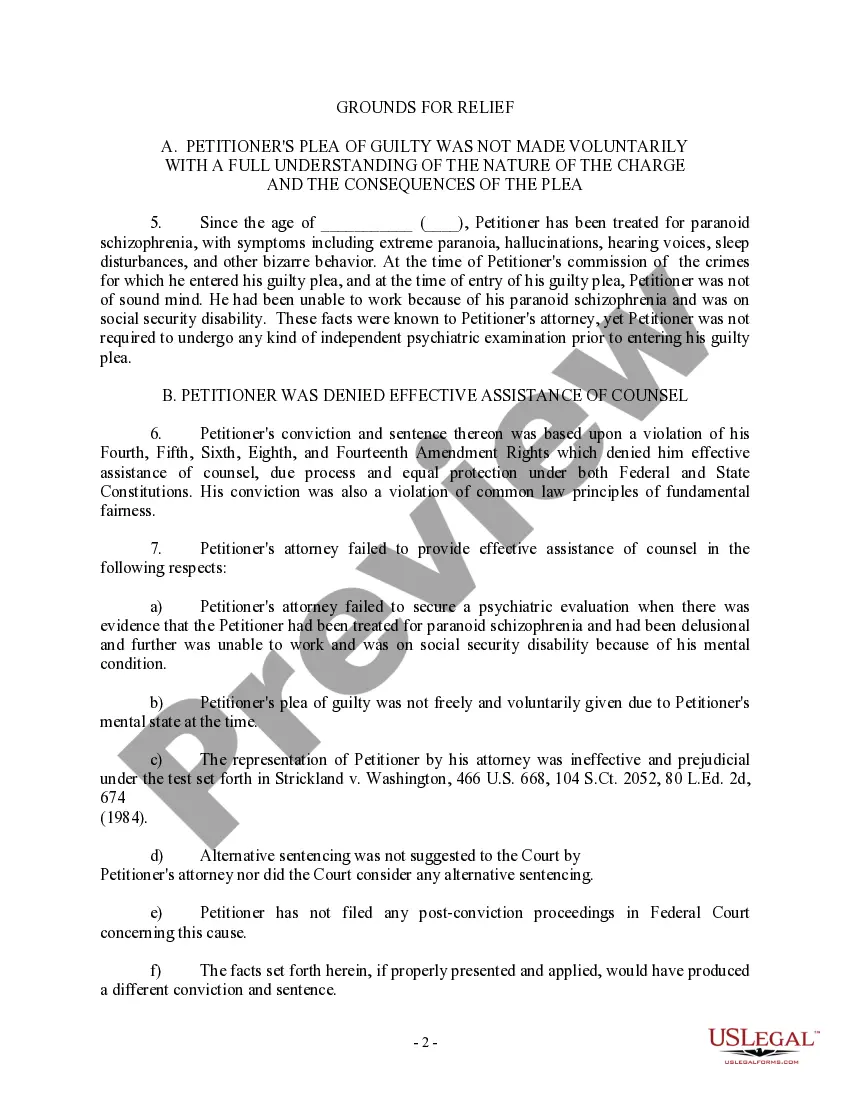
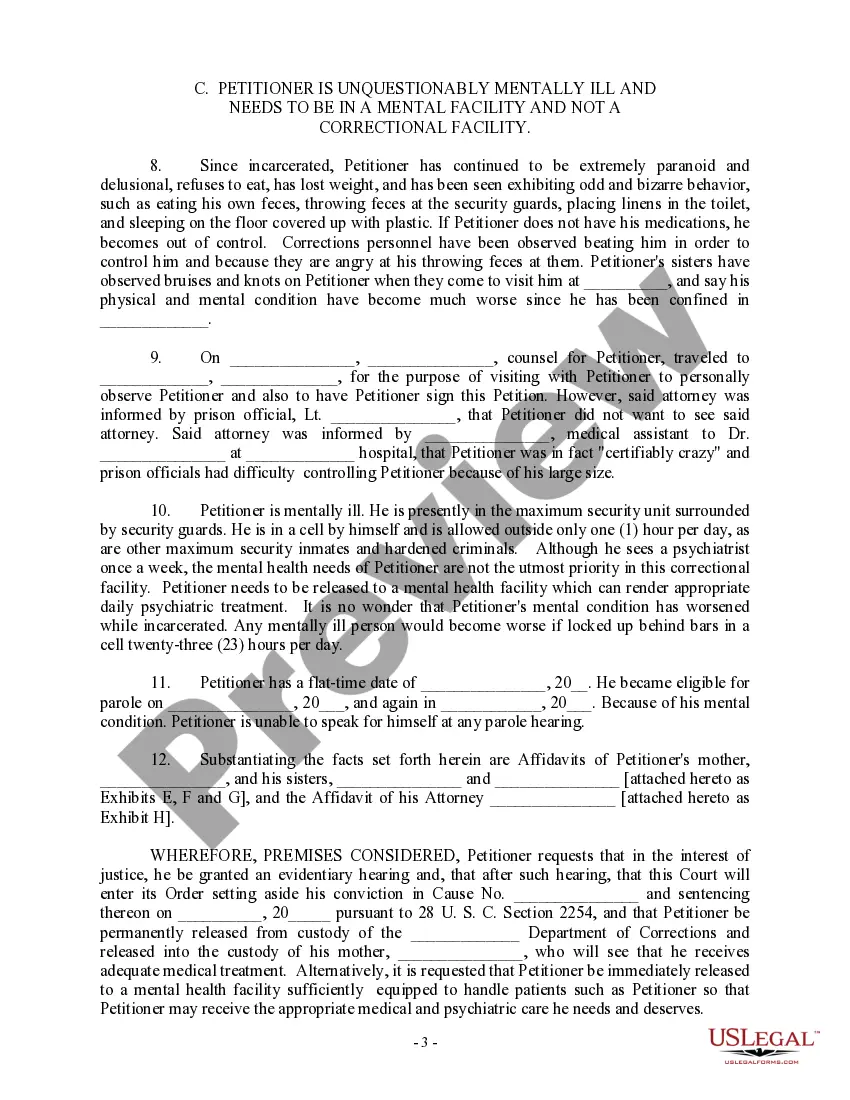
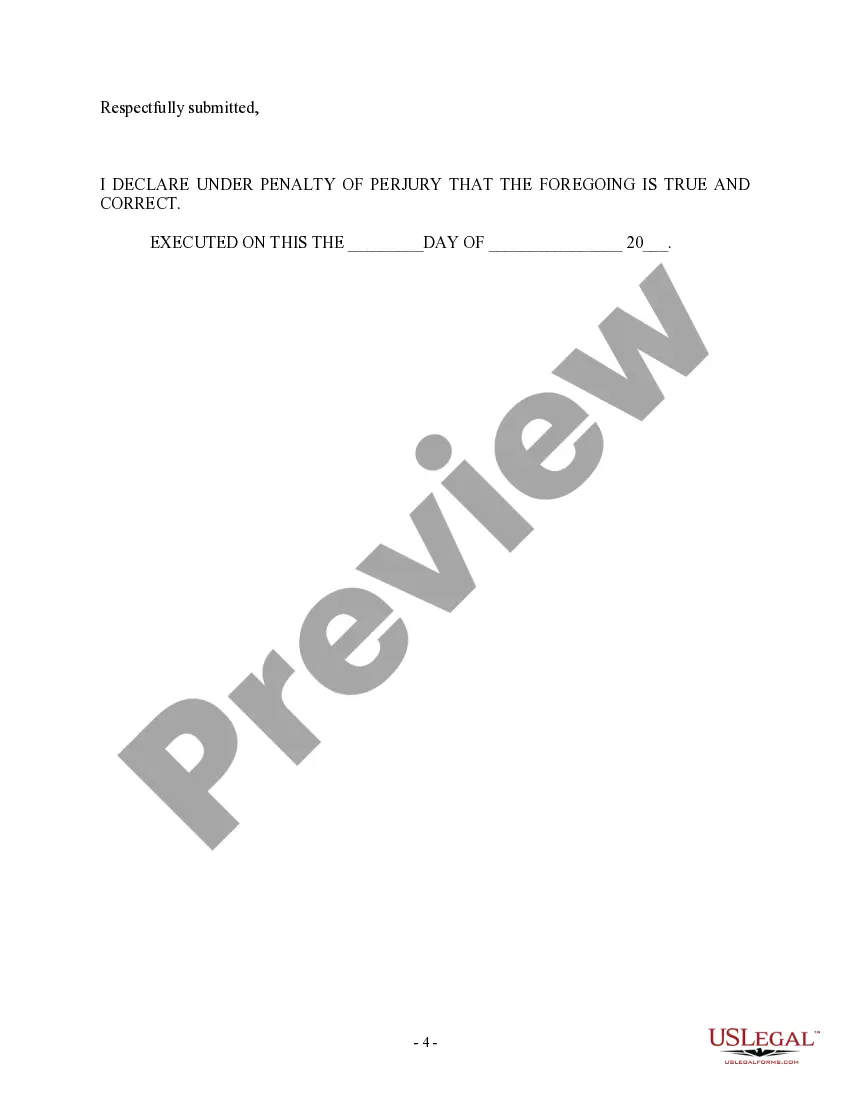
Get your form ready online
Our built-in tools help you complete, sign, share, and store your documents in one place.
Make edits, fill in missing information, and update formatting in US Legal Forms—just like you would in MS Word.
Download a copy, print it, send it by email, or mail it via USPS—whatever works best for your next step.
Sign and collect signatures with our SignNow integration. Send to multiple recipients, set reminders, and more. Go Premium to unlock E-Sign.
If this form requires notarization, complete it online through a secure video call—no need to meet a notary in person or wait for an appointment.
We protect your documents and personal data by following strict security and privacy standards.

Make edits, fill in missing information, and update formatting in US Legal Forms—just like you would in MS Word.

Download a copy, print it, send it by email, or mail it via USPS—whatever works best for your next step.

Sign and collect signatures with our SignNow integration. Send to multiple recipients, set reminders, and more. Go Premium to unlock E-Sign.

If this form requires notarization, complete it online through a secure video call—no need to meet a notary in person or wait for an appointment.

We protect your documents and personal data by following strict security and privacy standards.
Looking for another form?




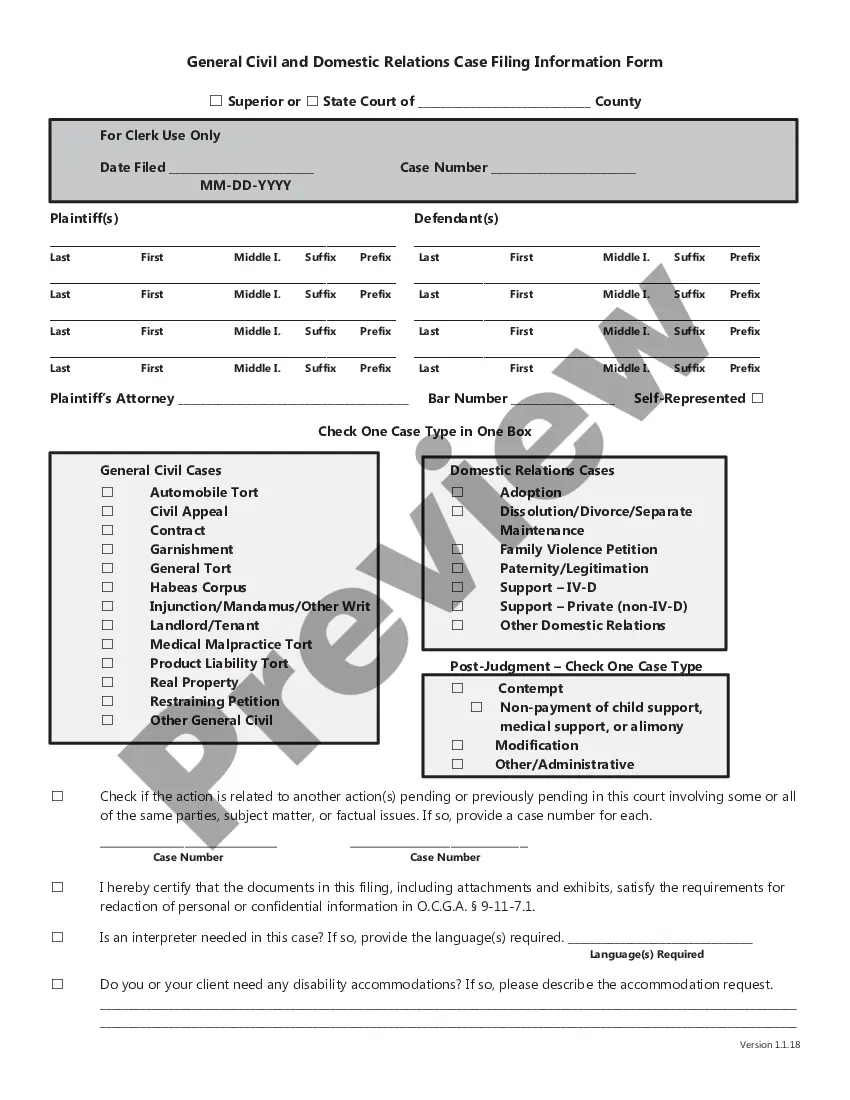


Form popularity
FAQ
A Writ of Habeas Corpus is usually filed by submitting a Petition, a Memorandum of Points and Authorities, a Declaration from the defendant, and other evidence which supports the Writ of Habeas Corpus. The Memorandum of Points of Authorities is a legal memorandum, which contains the legal arguments of the defendant.
A motion to vacate one's conviction and/or sentence under Section 2255 will be referred to as a “motion to vacate” or “Section 2255.” A petition under Section 2241 will be referred to as a “habeas corpus petition.”
You must file this form in the United States district court that entered the judgment that you are challenging. If you want to challenge a federal judgment that imposed a sentence to be served in the future, you should file the motion in the federal court that entered the judgment.
A 2255 petition may be filed by a person in federal custody to challenge a federal criminal conviction and/or sentence. Unlike a 2254 petition, which challenges a state-court conviction and/or sentence, a 2255 petition is not limited to federal constitutional claims.
If you want to file a motion, the process is generally something like this: You write your motion. You file your motion with the court clerk. The court clerk inserts the date and time your motion will be heard by the judge. You “serve” (mail) your motion to the other side.
Because it's one of the “12(b)” defenses, a motion to dismiss for failure to state a claim may be raised by motion filed before an answer. FRCP 12(b). Such motions are often made at the earliest stage of the case to defeat or limit a claim or to stall the case before proceeding to costly and time-consuming discovery.
Length of the Process Once a defendant files a § 2255 motion, it can take anywhere from several weeks (in the event of a summary dismissal) to over a year (if the government is ordered to respond, and a hearing is held) for a court either to grant or dismiss a § 2255 motion.
(b) An application for writ of habeas corpus filed after final conviction in a felony case, other than a case in which the death penalty is imposed, must be filed with the clerk of the court in which the conviction being challenged was obtained, and the clerk shall assign the application to that court.
