Habeas Corpus Petition Format For Missing Person In Alameda
Description

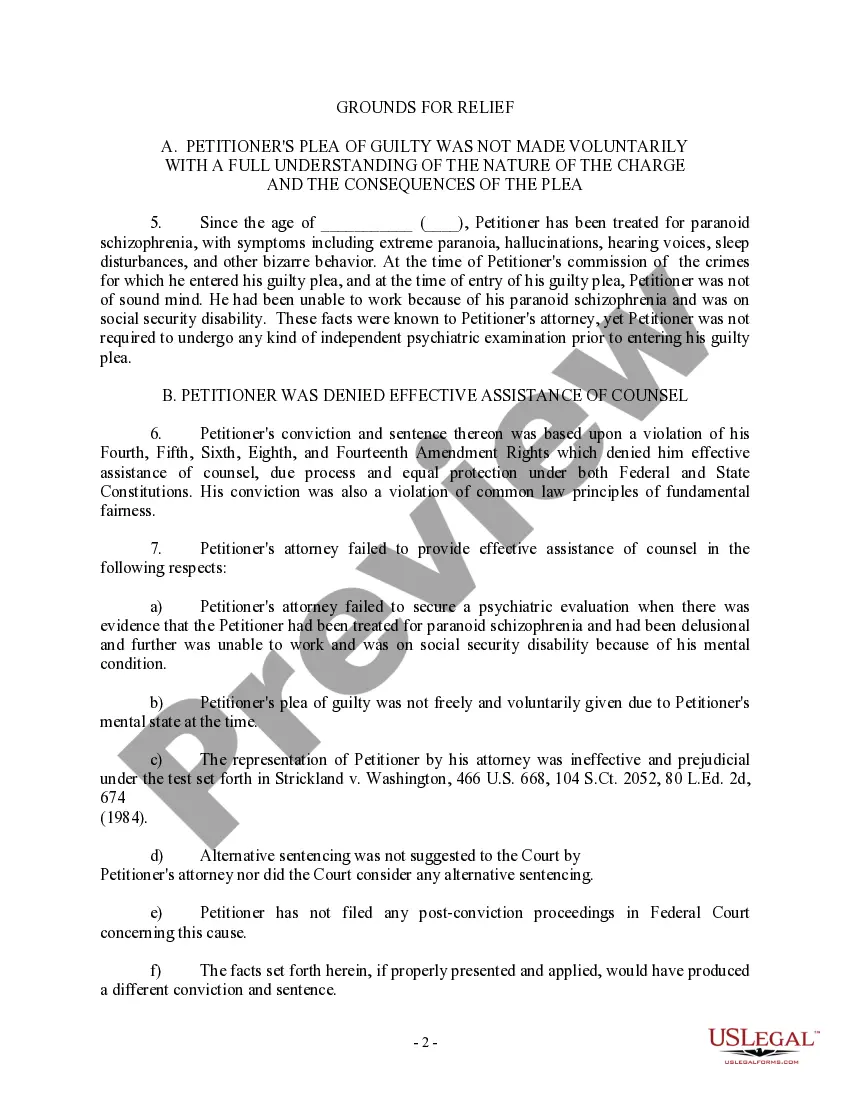
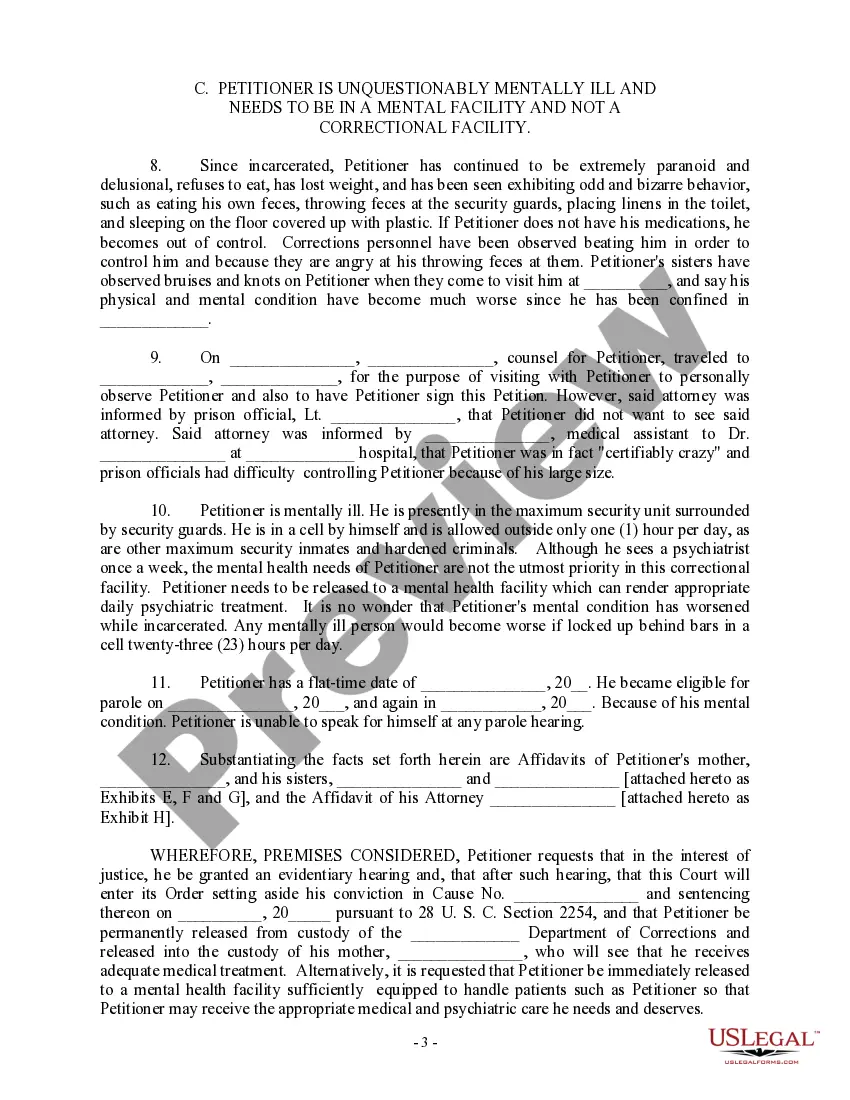
Get your form ready online
Our built-in tools help you complete, sign, share, and store your documents in one place.
Make edits, fill in missing information, and update formatting in US Legal Forms—just like you would in MS Word.
Download a copy, print it, send it by email, or mail it via USPS—whatever works best for your next step.
Sign and collect signatures with our SignNow integration. Send to multiple recipients, set reminders, and more. Go Premium to unlock E-Sign.
If this form requires notarization, complete it online through a secure video call—no need to meet a notary in person or wait for an appointment.
We protect your documents and personal data by following strict security and privacy standards.

Make edits, fill in missing information, and update formatting in US Legal Forms—just like you would in MS Word.

Download a copy, print it, send it by email, or mail it via USPS—whatever works best for your next step.

Sign and collect signatures with our SignNow integration. Send to multiple recipients, set reminders, and more. Go Premium to unlock E-Sign.

If this form requires notarization, complete it online through a secure video call—no need to meet a notary in person or wait for an appointment.

We protect your documents and personal data by following strict security and privacy standards.
Looking for another form?





Form popularity
FAQ
The petitioner, typically through an attorney, files a writ of habeas corpus to the relevant court, usually the California Superior Court, and the arguments as to why the petitioner has been illegally detained. The petitioner's lawyer files a writ of habeas corpus to explain why they have been illegally detained.
(A) On filing, the clerk of the court must immediately deliver the petition to the presiding judge or his or her designee. The court must rule on a petition for writ of habeas corpus within 60 days after the petition is filed.
California Code, Penal Code - PEN § 1473. (a) A person unlawfully imprisoned or restrained of their liberty, under any pretense, may prosecute a writ of habeas corpus to inquire into the cause of the imprisonment or restraint.
California statutes are the laws enacted by the California legislature and signed by the California Governor. California regulations are issued by the various California administrative agencies, which get their authority to regulate from specific California statutes.
Habeas corpus, an ancient common-law writ, issued by a court or judge directing one who holds another in custody to produce the person before the court for some specified purpose.
Habeas Corpus is a Latin word meaning which literally means 'to have the body of'. It is an order issued by the court to a person who has detained another person, to produce the body of the latter before it. The court then examines the cause and legality of detention. Further Reading: Types of Writs.
New section 410.10 of the Code of Civil Procedure, which becomes effective July 1, 1970, succinctly states: "A court of this state may exercise jurisdiction on any basis not inconsistent with the Constitution of this state or of the United States." Thus California, after nearly 100 years of living with a patchwork ...
Petition for writ of habeas corpus filed by an attorney for a party. (1) A petition for habeas corpus filed by an attorney need not be filed on Petition for Writ of Habeas Corpus (form HC-001) but must contain the information requested in that form and must be verified.
