Letter For Recovery In Virginia
Description



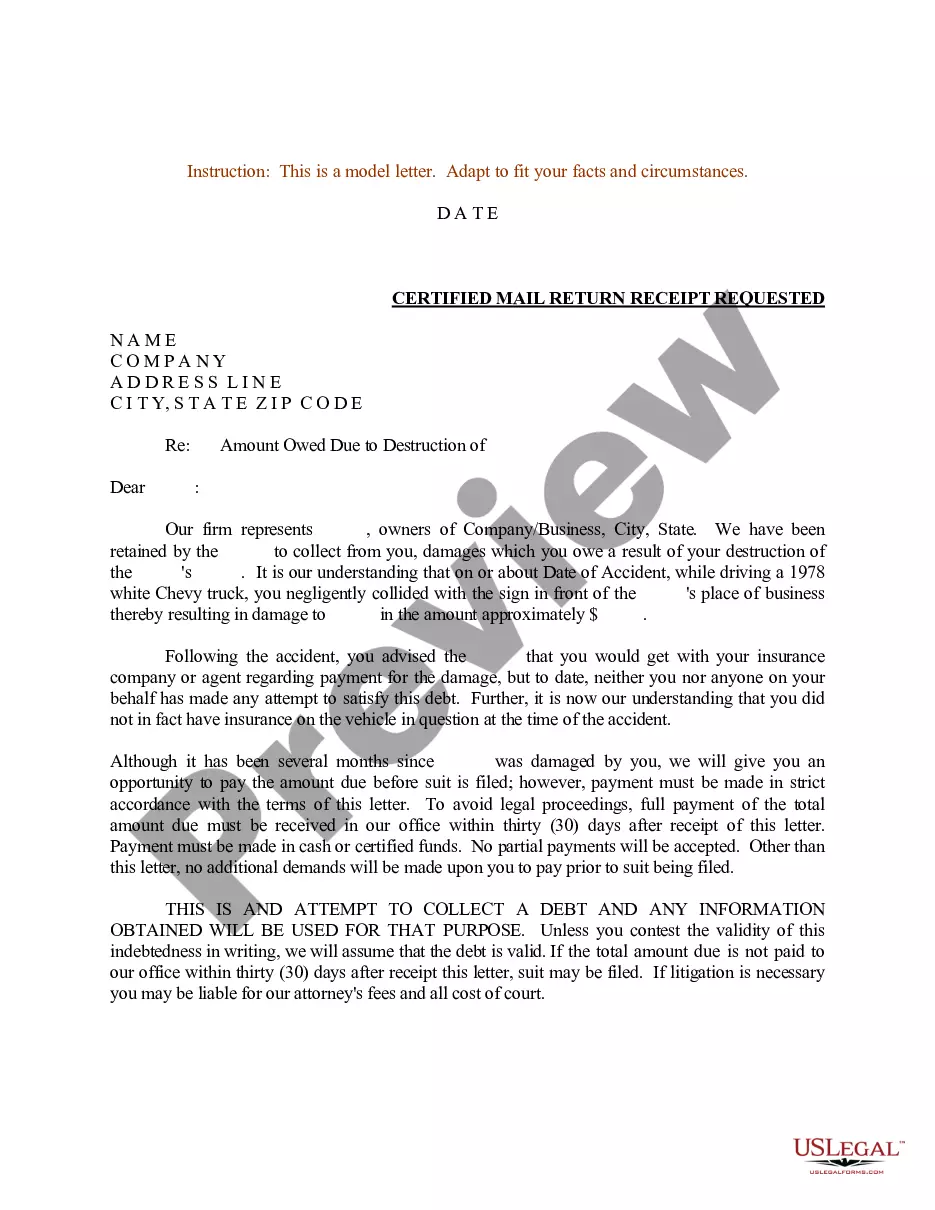

Get your form ready online
Our built-in tools help you complete, sign, share, and store your documents in one place.
Make edits, fill in missing information, and update formatting in US Legal Forms—just like you would in MS Word.
Download a copy, print it, send it by email, or mail it via USPS—whatever works best for your next step.
Sign and collect signatures with our SignNow integration. Send to multiple recipients, set reminders, and more. Go Premium to unlock E-Sign.
If this form requires notarization, complete it online through a secure video call—no need to meet a notary in person or wait for an appointment.
We protect your documents and personal data by following strict security and privacy standards.
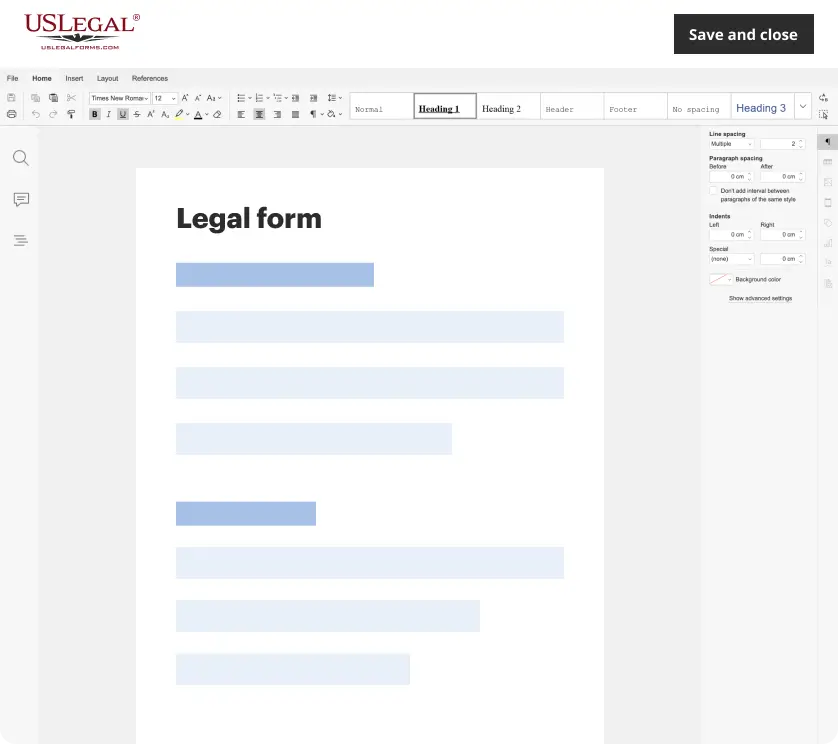
Make edits, fill in missing information, and update formatting in US Legal Forms—just like you would in MS Word.
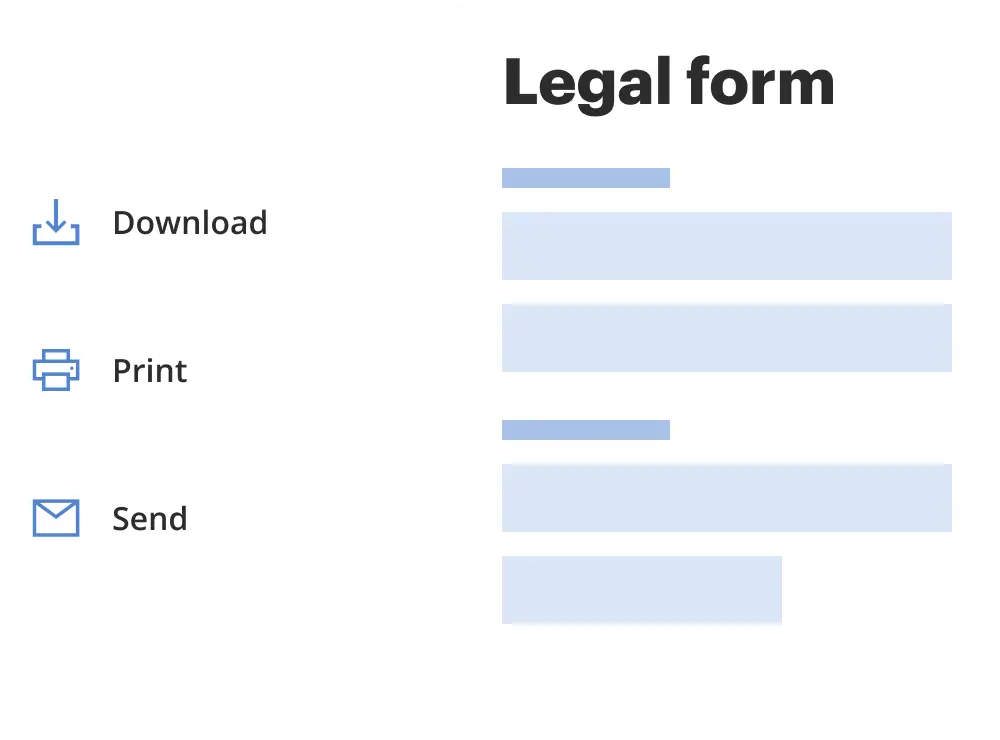
Download a copy, print it, send it by email, or mail it via USPS—whatever works best for your next step.
Sign and collect signatures with our SignNow integration. Send to multiple recipients, set reminders, and more. Go Premium to unlock E-Sign.
If this form requires notarization, complete it online through a secure video call—no need to meet a notary in person or wait for an appointment.
We protect your documents and personal data by following strict security and privacy standards.
Looking for another form?


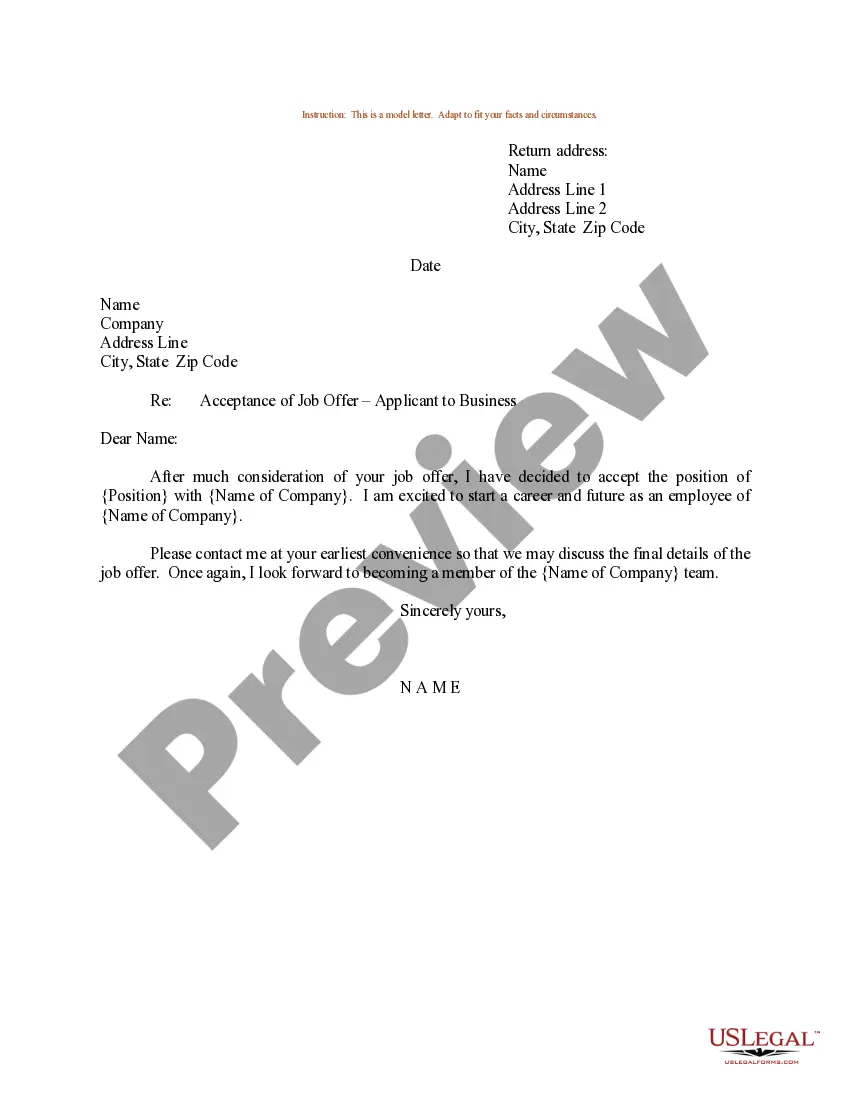






Form popularity
FAQ
Under federal law, the Medicaid program can indeed seek to attach the portion of the home that you retained ownership of after you die. For example, if your son and your daughter were joint tenants, a third of the value of the home would be fair game for the Medicaid recovery unit.
Ownership of real property must be considered when determining your Medicaid eligibility but does not necessarily keep you from receiving Medicaid. The Medicaid eligibility worker will need to see copies of the deeds and tax statements to evaluate the rules that apply in your situation.
Medicaid also considers many assets to be exempt (non-countable). Exemptions include personal belongings, household furnishings, an automobile, irrevocable burial trusts, and generally one's primary home.
There is no estate recovery if any of the following apply: There is a surviving spouse and the surviving spouse has not been a Medicaid member. The member is survived by a child who is blind or disabled. The member is survived by a child under the age 21.
There would be no problem with Medicaid and a jointly owned home in your state if a Medicaid recipient has an interest in a property equal to their financial contribution.
There is no estate recovery if any of the following apply: There is a surviving spouse and the surviving spouse has not been a Medicaid member. The member is survived by a child who is blind or disabled. The member is survived by a child under the age 21.
