Letter Recovery Document For Word In Nevada
Description
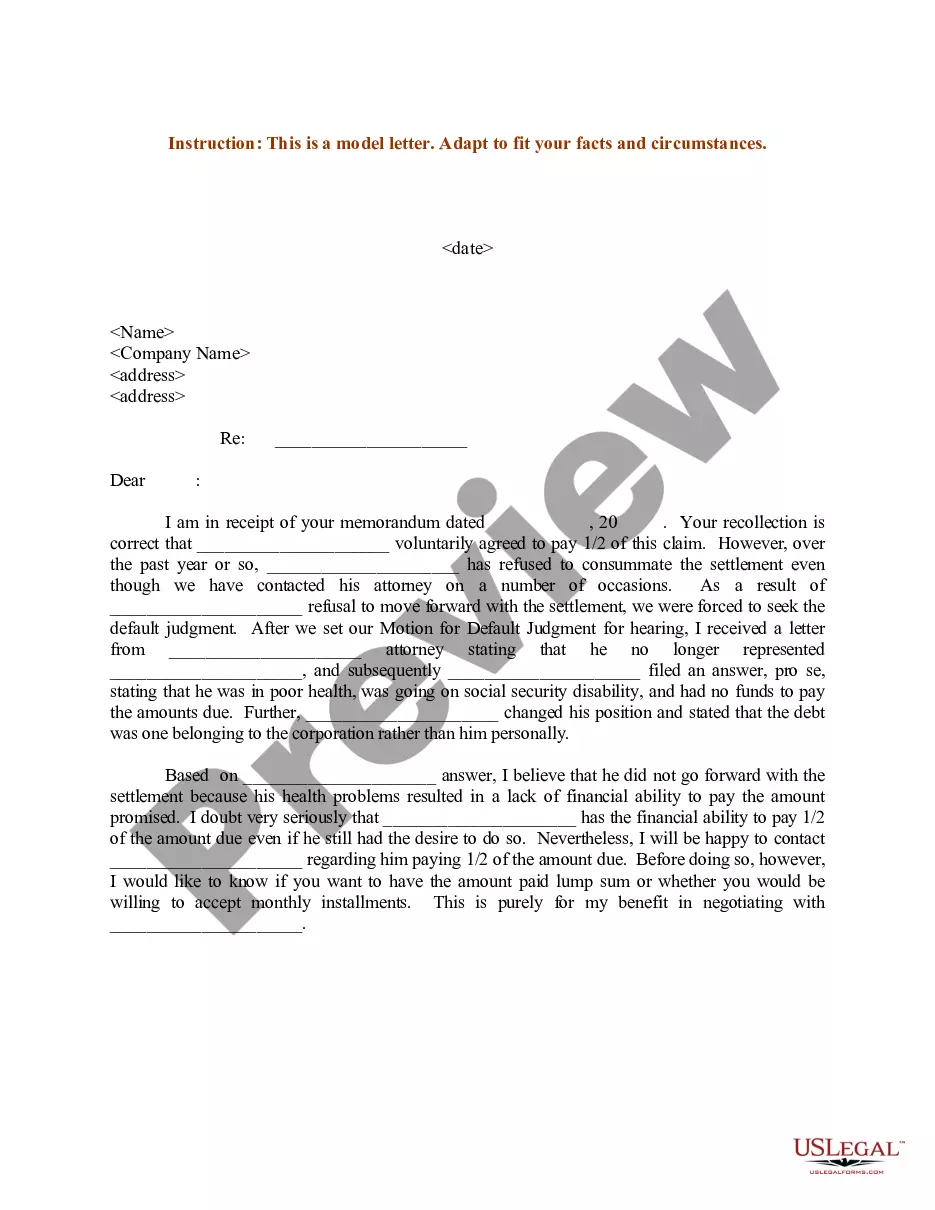
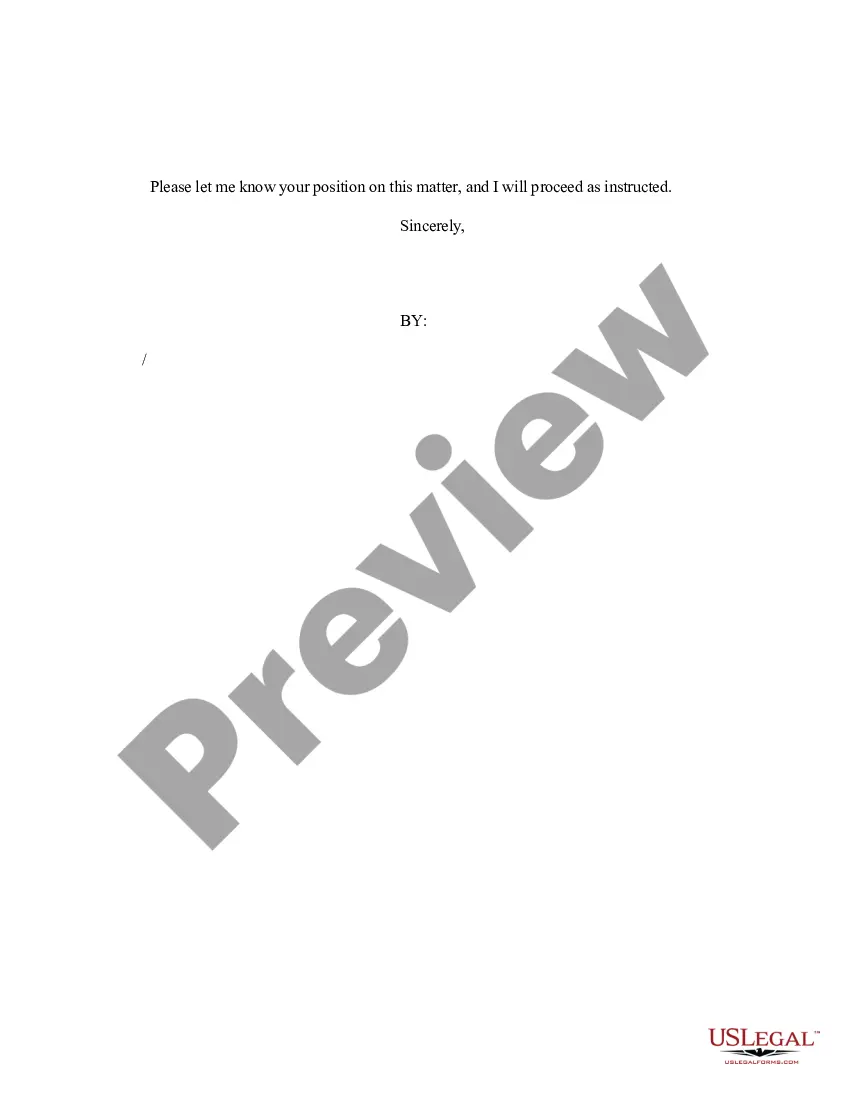


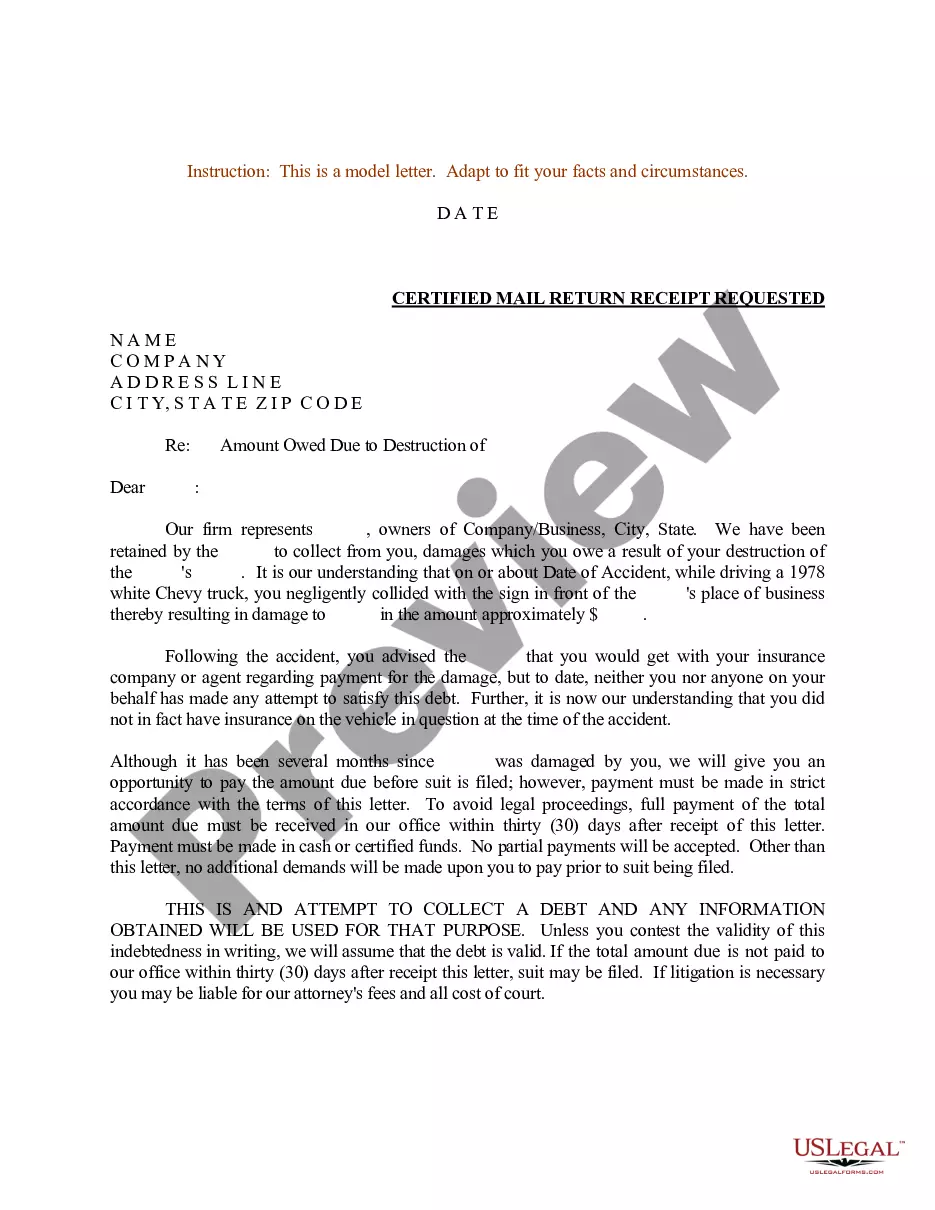

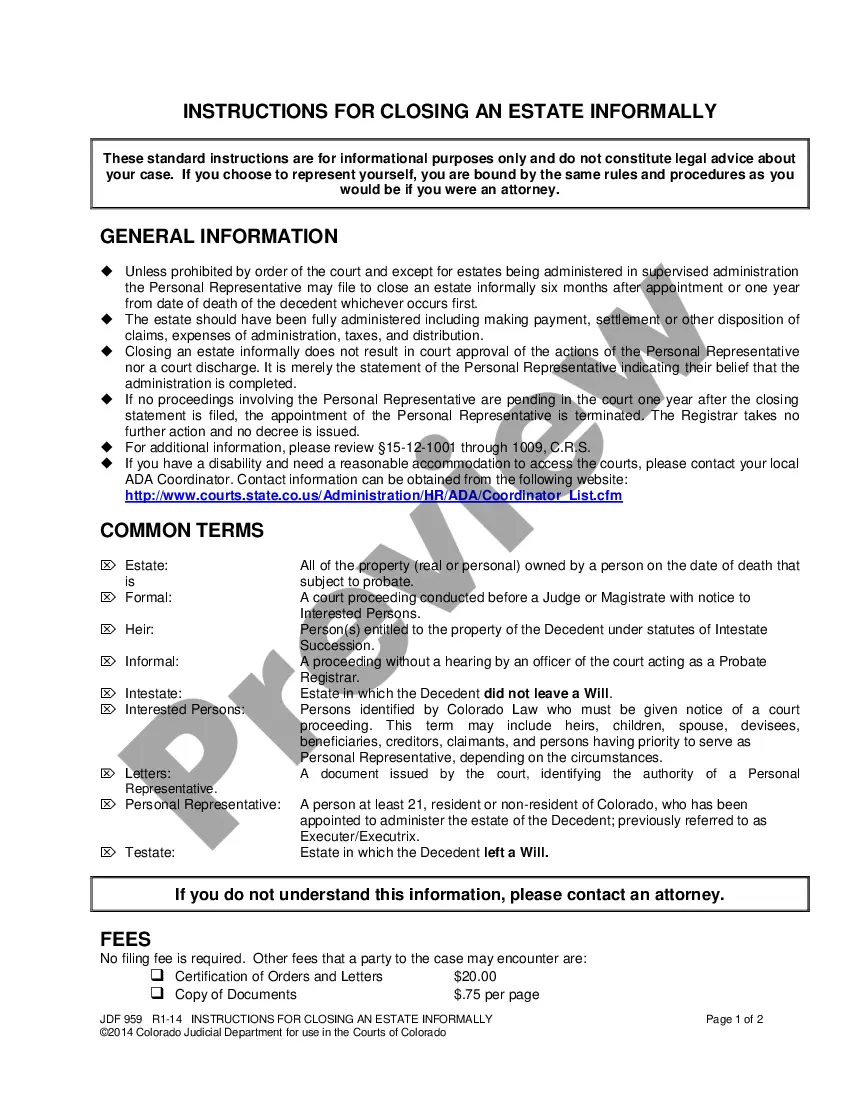
Get your form ready online
Our built-in tools help you complete, sign, share, and store your documents in one place.
Make edits, fill in missing information, and update formatting in US Legal Forms—just like you would in MS Word.
Download a copy, print it, send it by email, or mail it via USPS—whatever works best for your next step.
Sign and collect signatures with our SignNow integration. Send to multiple recipients, set reminders, and more. Go Premium to unlock E-Sign.
If this form requires notarization, complete it online through a secure video call—no need to meet a notary in person or wait for an appointment.
We protect your documents and personal data by following strict security and privacy standards.

Make edits, fill in missing information, and update formatting in US Legal Forms—just like you would in MS Word.

Download a copy, print it, send it by email, or mail it via USPS—whatever works best for your next step.

Sign and collect signatures with our SignNow integration. Send to multiple recipients, set reminders, and more. Go Premium to unlock E-Sign.

If this form requires notarization, complete it online through a secure video call—no need to meet a notary in person or wait for an appointment.

We protect your documents and personal data by following strict security and privacy standards.
Looking for another form?







Form popularity
FAQ
If a nonmovant shows by affidavit or declaration that, for specified reasons, it cannot present facts essential to justify its opposition, the court may: (1) defer considering the motion or deny it; (2) allow time to obtain affidavits or declarations or to take discovery; or (3) issue any other appropriate order.
Within 14 days after the service of the motion, the opposing party shall serve and file a written opposition thereto, together with a memorandum of points and authorities and supporting affidavits, if any, stating facts showing why the motion should be denied.
The court may, for good cause, issue an order to protect a party or person from annoyance, embarrassment, oppression, or undue burden or expense, including one or more of the following: (A) forbidding the disclosure or discovery; (B) specifying terms, including time and place or the allocation of expenses, for the ...
The papers must be served by a "disinterested person." This means someone who is not a party in the case, not interested in the outcome of the case, and who is at least 18 years old. Family members and significant others (boyfriends/girlfriends) cannot serve the documents, as this could raise questions with the court.
If you've saved the file Select File > Info. Under Manage Documents, select the file labeled (when I closed without saving). In the bar at the top of the file, select Restore to overwrite any previously saved versions. Tip: You can also compare versions by selecting Compare instead of Restore.
Recover via Google Account: If you previously enabled the SMS backup feature on your Android device, your Google account may have backed up your text messages. Open your Android phone settings. Click the "Google" option. Go to "Backup" and check if there is a backup of your text messages.
Resolution Click File > Options. Click Advanced. Under Editing options, clear both the Use the Insert key to control overtype mode and the Use overtype mode check boxes.
Go to File > Open. On the Open menu select Recover Text. Open the document.
In a Microsoft Word document, you can right-click then click “restore previous versions” to access a menu of all previous versions of that document and restore any version you want. Techie: Jordan L. Couch, GPSolo eReport Contributing Technology Editor, Palace Law, jordan@palacelaw.
Go to File > Info > Manage Document > Recover Unsaved Documents.
