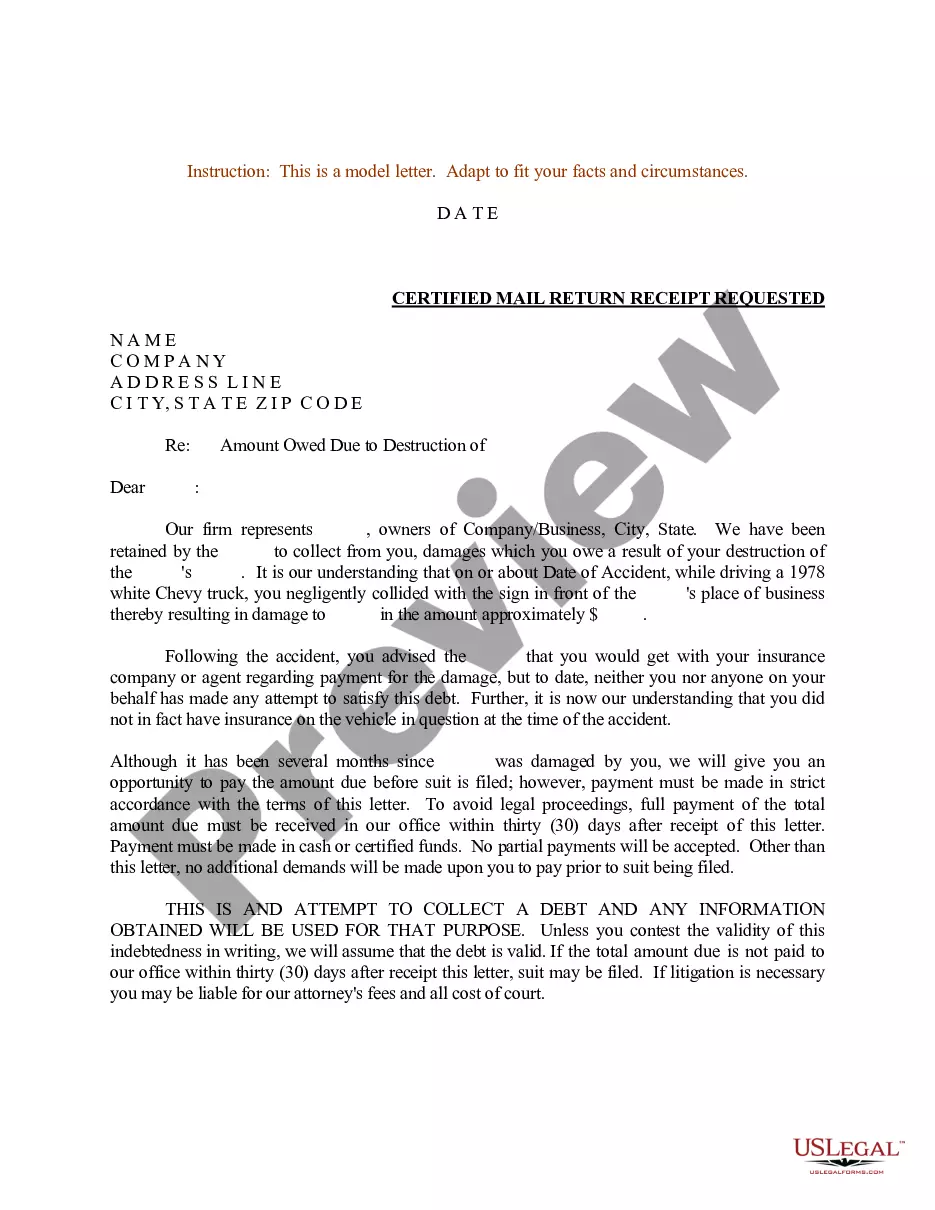
Recovery Letter For Payment In Massachusetts
Description





Get your form ready online
Our built-in tools help you complete, sign, share, and store your documents in one place.
Make edits, fill in missing information, and update formatting in US Legal Forms—just like you would in MS Word.
Download a copy, print it, send it by email, or mail it via USPS—whatever works best for your next step.
Sign and collect signatures with our SignNow integration. Send to multiple recipients, set reminders, and more. Go Premium to unlock E-Sign.
If this form requires notarization, complete it online through a secure video call—no need to meet a notary in person or wait for an appointment.
We protect your documents and personal data by following strict security and privacy standards.

Make edits, fill in missing information, and update formatting in US Legal Forms—just like you would in MS Word.

Download a copy, print it, send it by email, or mail it via USPS—whatever works best for your next step.

Sign and collect signatures with our SignNow integration. Send to multiple recipients, set reminders, and more. Go Premium to unlock E-Sign.

If this form requires notarization, complete it online through a secure video call—no need to meet a notary in person or wait for an appointment.

We protect your documents and personal data by following strict security and privacy standards.
Looking for another form?



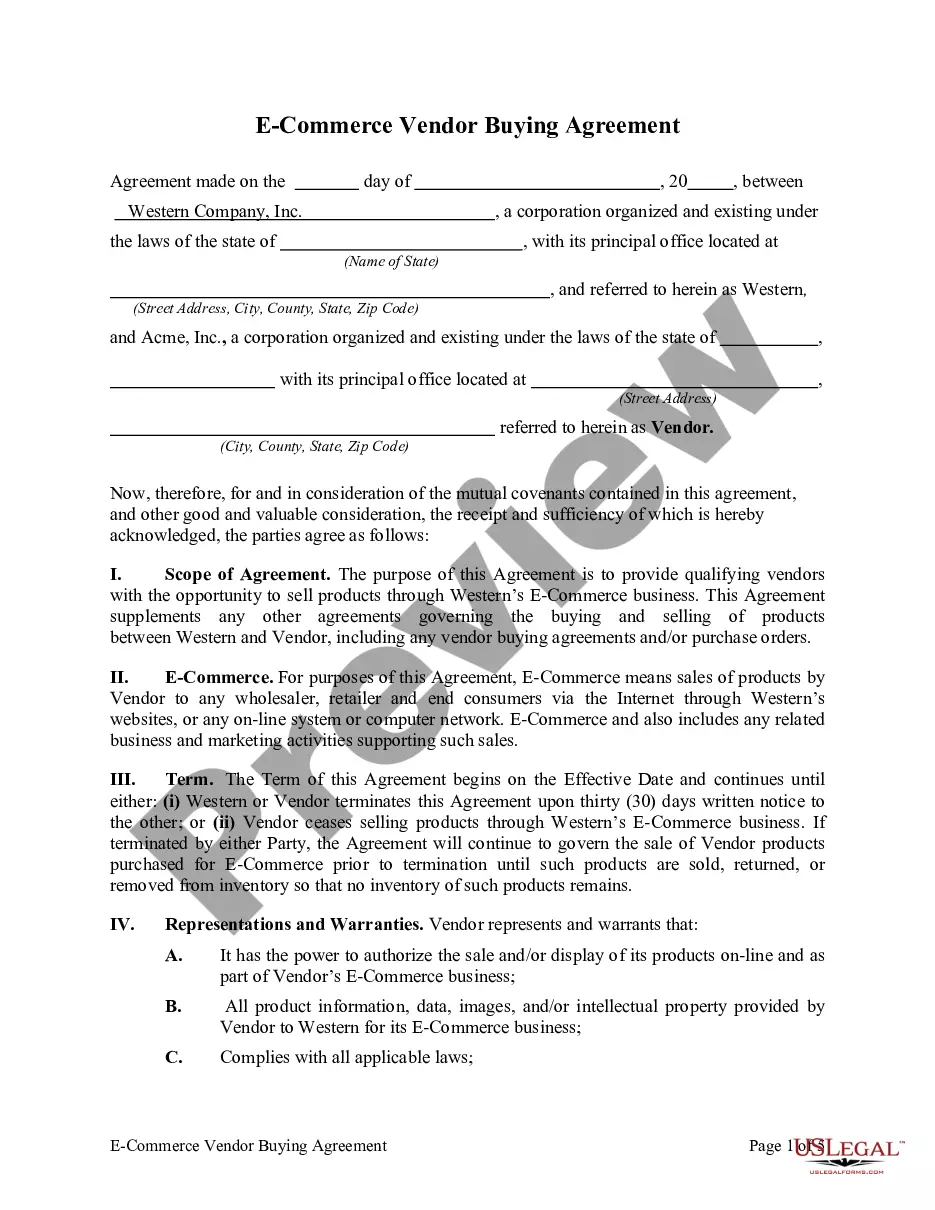






Form popularity
FAQ
The Attorney General's debt collection regulations prohibit: Calling you at home more than twice for each debt in any seven-day period, or more than twice for each debt in any 30-day period at some place other than your home, such as your place of work. Calling you at work if you have requested that they not call.
How to write a debt collection letter: Step by step guide Step 1: Use a professional format. Step 2: Write a clear subject line (if sending via email) ... Step 3: Address the recipient. Step 4: State the purpose of the letter. Step 5: Provide detailed information on the debt. Step 6: Include payment instructions.
Chapter 93A Demand Letter By Consumers The first step in filing a complaint under the Massachusetts Consumer Protection Law is to file a "demand letter" that complies with the specific rules set forth by the State Legislature.
An asset must be in an irrevocable trust for at least five years before you apply for MassHealth for long-term care for that asset to be protected – meaning it won't count as an asset when you apply and Medicaid Estate Recovery won't be able to access the asset in your trust after you pass away.
U.S. state and local government debt in Massachusetts 2000-2024. Published by Statista Research Department, . In the fiscal year of 2024, Massachusetts's state debt stood at about 81.38 billion U.S. dollars.
The new law will take effect and apply retroactively to the probate estates of MassHealth members who die after August 1, 2024. It reduces the scope of estate recovery to only what federal law requires which includes recovering the costs of nursing home care and home and community-based waiver services.
How to write a compensation letter Provide the date and recipient's contact information. Include a formal salutation. Write an introductory statement. Create a list of compensation items. Give the date the compensation becomes available. Explain the exceptions and additional compensation details. Close the letter.
To meet your legal obligations, include the following information in your 30 Day Demand Letter: Your full name and address. The description of the unfair or deceptive act or practice including all the unfair or deceptive practices claimed, the dates involved in the transaction, and any other important facts.
Filing a Chapter 93A Complaint in Massachusetts Be sent to the business at least thirty (30) days prior to the filing of an actual lawsuit; State that the claimant is a "consumer" - someone who engages in commerce for primarily personal, family, or household purposes; Identify the claimant's full name and address;
Present the facts Your description of damages may take up most of the body of the letter. Make sure your demand letter ends by affirming your willingness to pursue legal action if not satisfied. If you're the victim of negligence, you have every right to demand due compensation.
