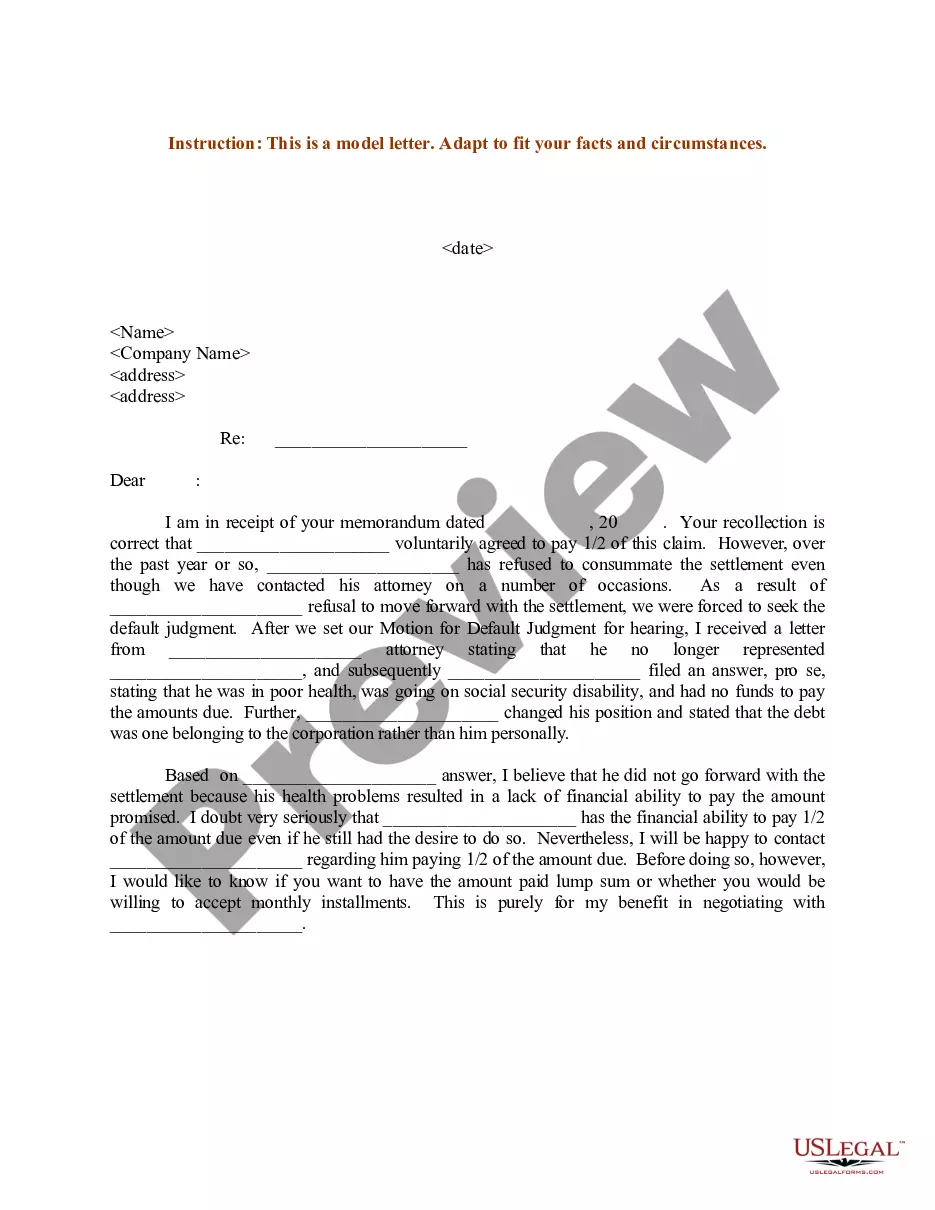
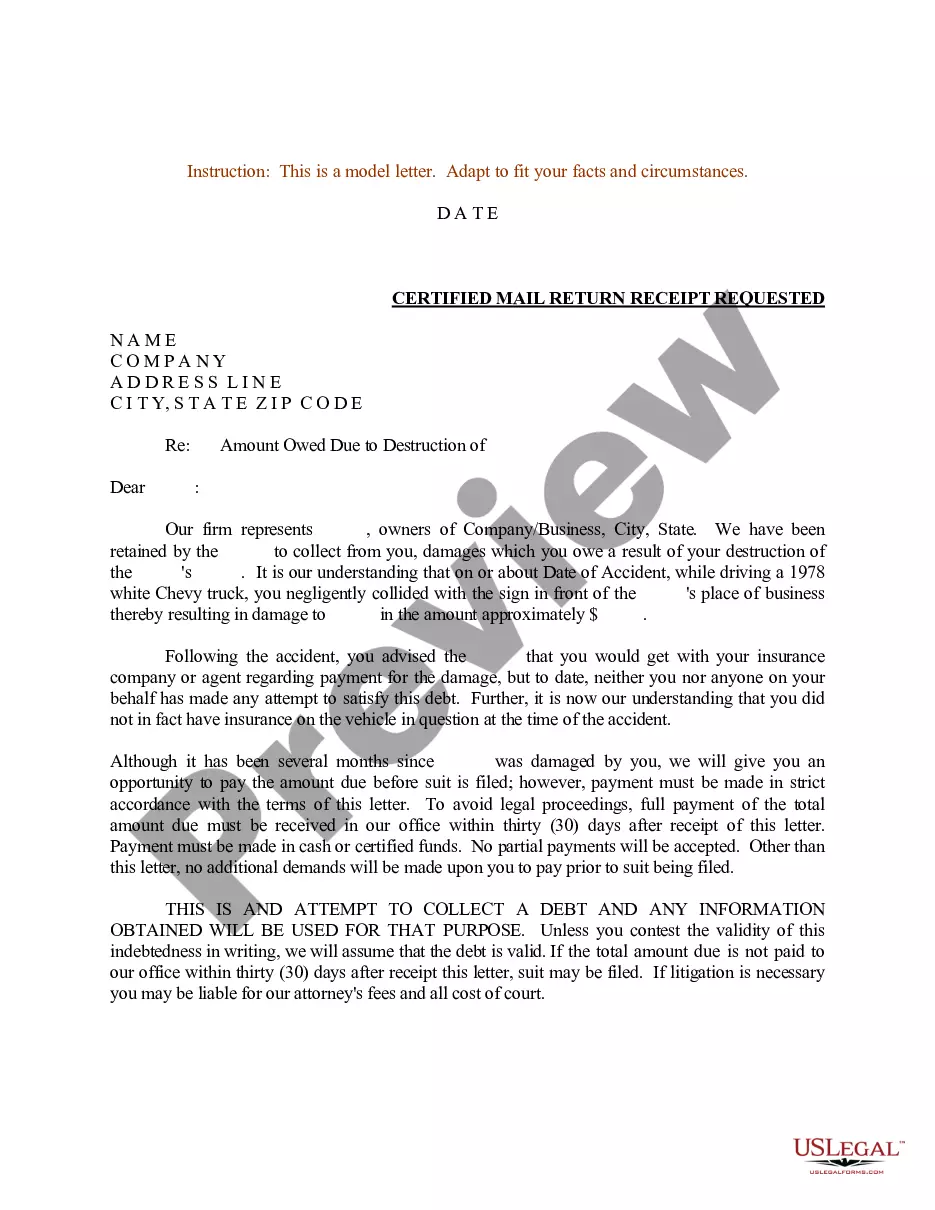
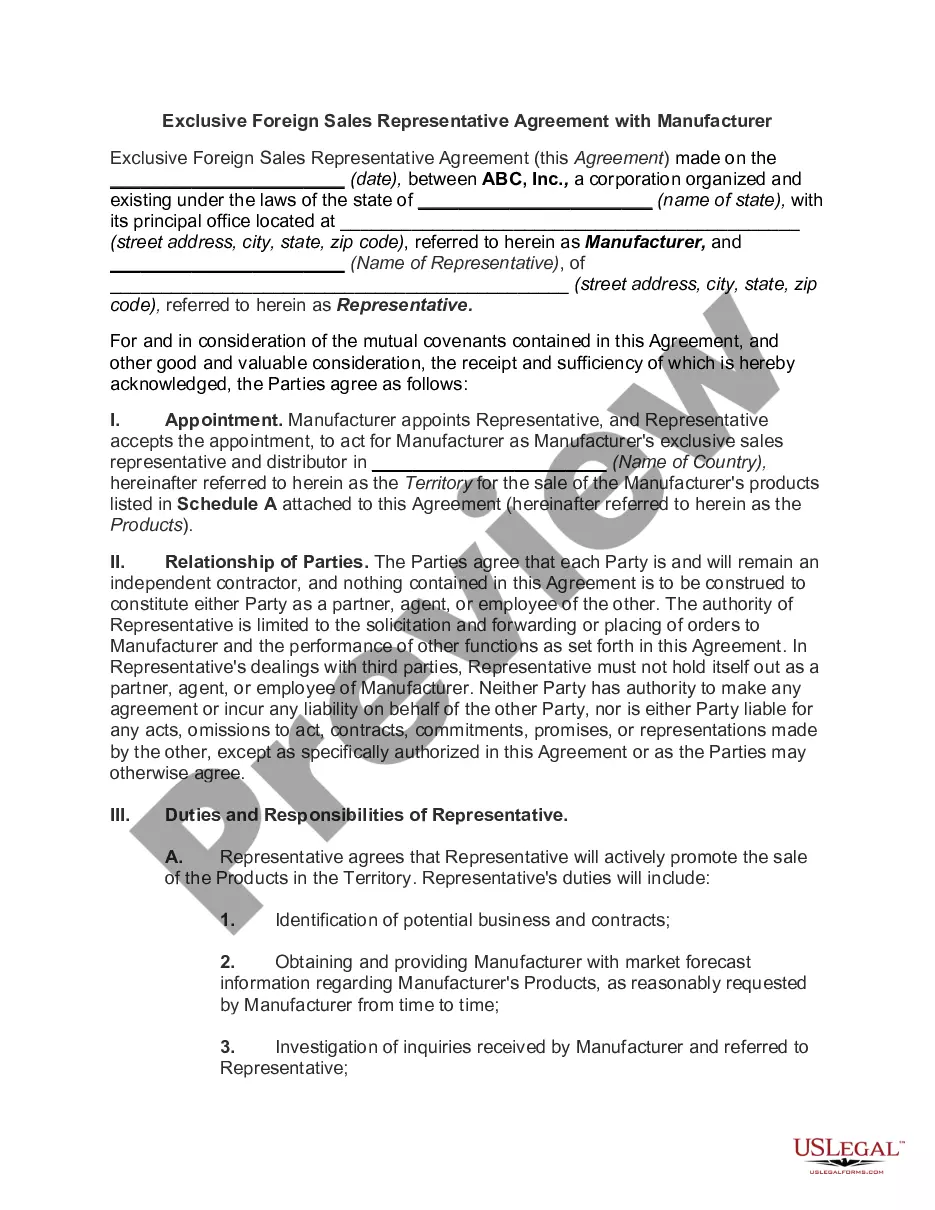
Letter For Recovery In Illinois
Description




Get your form ready online
Our built-in tools help you complete, sign, share, and store your documents in one place.
Make edits, fill in missing information, and update formatting in US Legal Forms—just like you would in MS Word.
Download a copy, print it, send it by email, or mail it via USPS—whatever works best for your next step.
Sign and collect signatures with our SignNow integration. Send to multiple recipients, set reminders, and more. Go Premium to unlock E-Sign.
If this form requires notarization, complete it online through a secure video call—no need to meet a notary in person or wait for an appointment.
We protect your documents and personal data by following strict security and privacy standards.

Make edits, fill in missing information, and update formatting in US Legal Forms—just like you would in MS Word.

Download a copy, print it, send it by email, or mail it via USPS—whatever works best for your next step.

Sign and collect signatures with our SignNow integration. Send to multiple recipients, set reminders, and more. Go Premium to unlock E-Sign.

If this form requires notarization, complete it online through a secure video call—no need to meet a notary in person or wait for an appointment.

We protect your documents and personal data by following strict security and privacy standards.
Looking for another form?









Form popularity
FAQ
The medically needy asset limit is $17,500 for an individual, as well as for a couple. 2) Asset Spend Down – Seniors who have assets over Medicaid's asset limit can reduce their countable assets by “spending down” extra assets on non-countable ones.
When you apply for Medicaid coverage for long-term care services, the state will look back to see if you or your spouse transferred assets for less than fair market value during the "look-back period." The look-back period is five years. The state will look at any assets transferred during that time.
The lookback period in 49 of the 50 states is five years and begins as of the date of the Medicaid application. However, in California, the lookback period is only 2.5 years (30 months). If Medicaid finds ineligible transactions, the applicant will be assessed a penalty.
To waive recovery, the heir or beneficiary must show that the recovery would cause them to become or remain eligible for programs such as Supplemental Security Income (SSI), Temporary Assistance for Needy Families (TANF) or Food Stamps (SNAP).
Can the state still take it? The state will not take physical possession of your property, however the home in a decedent's estate may have to be sold in order to satisfy the HFS' claim.
