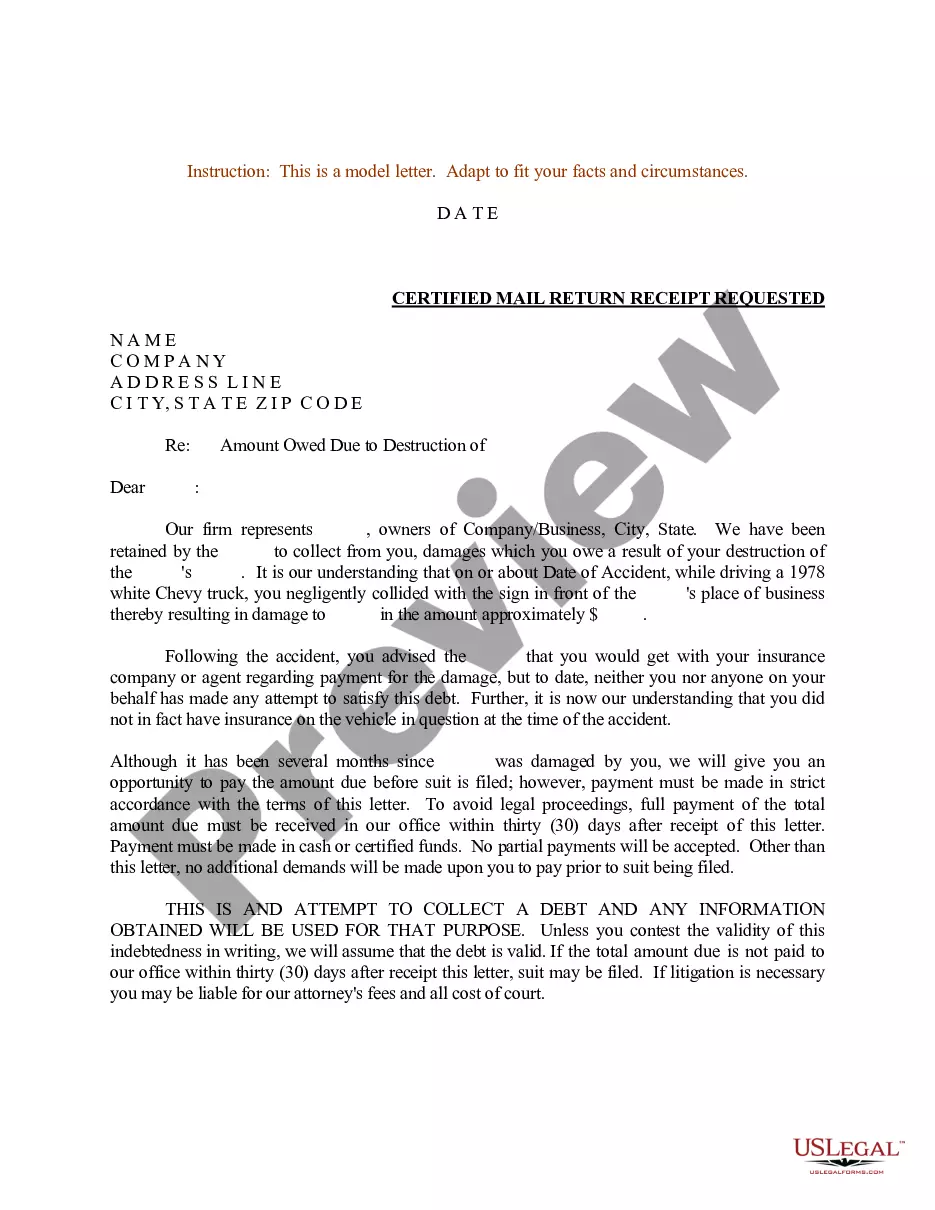
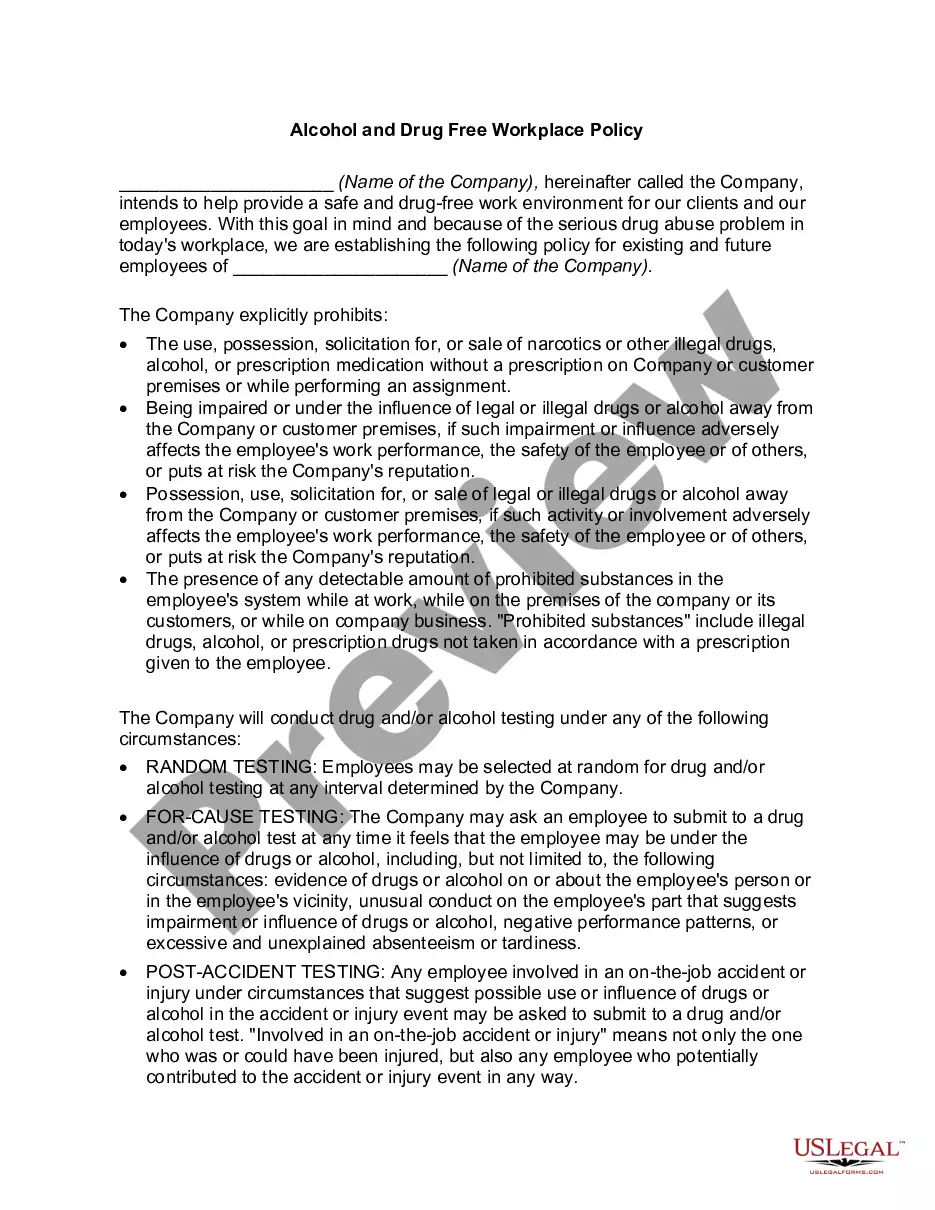
Letter For Recovery In Hennepin
Description





Get your form ready online
Our built-in tools help you complete, sign, share, and store your documents in one place.
Make edits, fill in missing information, and update formatting in US Legal Forms—just like you would in MS Word.
Download a copy, print it, send it by email, or mail it via USPS—whatever works best for your next step.
Sign and collect signatures with our SignNow integration. Send to multiple recipients, set reminders, and more. Go Premium to unlock E-Sign.
If this form requires notarization, complete it online through a secure video call—no need to meet a notary in person or wait for an appointment.
We protect your documents and personal data by following strict security and privacy standards.

Make edits, fill in missing information, and update formatting in US Legal Forms—just like you would in MS Word.

Download a copy, print it, send it by email, or mail it via USPS—whatever works best for your next step.

Sign and collect signatures with our SignNow integration. Send to multiple recipients, set reminders, and more. Go Premium to unlock E-Sign.

If this form requires notarization, complete it online through a secure video call—no need to meet a notary in person or wait for an appointment.

We protect your documents and personal data by following strict security and privacy standards.
Looking for another form?









Form popularity
FAQ
Unfortunately, you cannot just get letters testamentary automatically in Minnesota even if you were named as Personal Representative in the Will. A court must appoint someone to act as Personal Representative and to receive the letters testamentary.
Writ of recovery The writ notifies the occupant(s) to vacate and remove their property within 24 hours. Three days after presenting the writ to the sheriff's office, you may call us to schedule an eviction.
The writ grants authority for the sheriff or constable to physically remove the tenant and their property. However, the enforcement authority still has discretion and some flexibility. You could request the sheriff halt removal by filing an emergency stay of the writ and new motion to dismiss.
The Court Decision If the plaintiff wins, you may ask the judge for a writ of recovery (Minnesota Statute 504B. 361). A writ of recovery is a legal order commanding the defendant to vacate the premises identified in the complaint.
Minnesota Eviction Process Timeline Eviction Process StepsAverage Timeline Issuance and Serving of Rule for Possession At least one day - 7 days before the hearing Court Hearing and Judgment 5-14 days Issuance of Writ of Restitution Immediately Return of Rental Property 24 hours – 7 days1 more row •
Judgment for possession is entered, your landlord must file a writ of restitution to evict you. Your landlord must wait two days after the judgment is entered to file the writ. The writ becomes “live” or active three days after it is filed. Writs last for 75 days, so you can be evicted within that period.
Execution of the Writ of Recovery The personal property of the defendant may be removed and stored in a bonded warehouse at the expense of the plaintiff. The defendant has 60 days to redeem the stored property. If unclaimed after 60 days, the property may be sold at a public sale.
How to submit forms and documents and update your information Update information and upload documents to InfoKeep. Upload to MNbenefits. Fax to 612-288-2981. Mail to: Hennepin County Human Services Department. P.O. Box 107. Minneapolis, MN 55440.
The property owner (plaintiff) must file an eviction action complaint in housing court. The court will establish a court hearing date and issue a summons. The summons and complaint must be served by a neutral person at least 7 days before the court date.
