Letter For Recovery Debt In Florida
Description

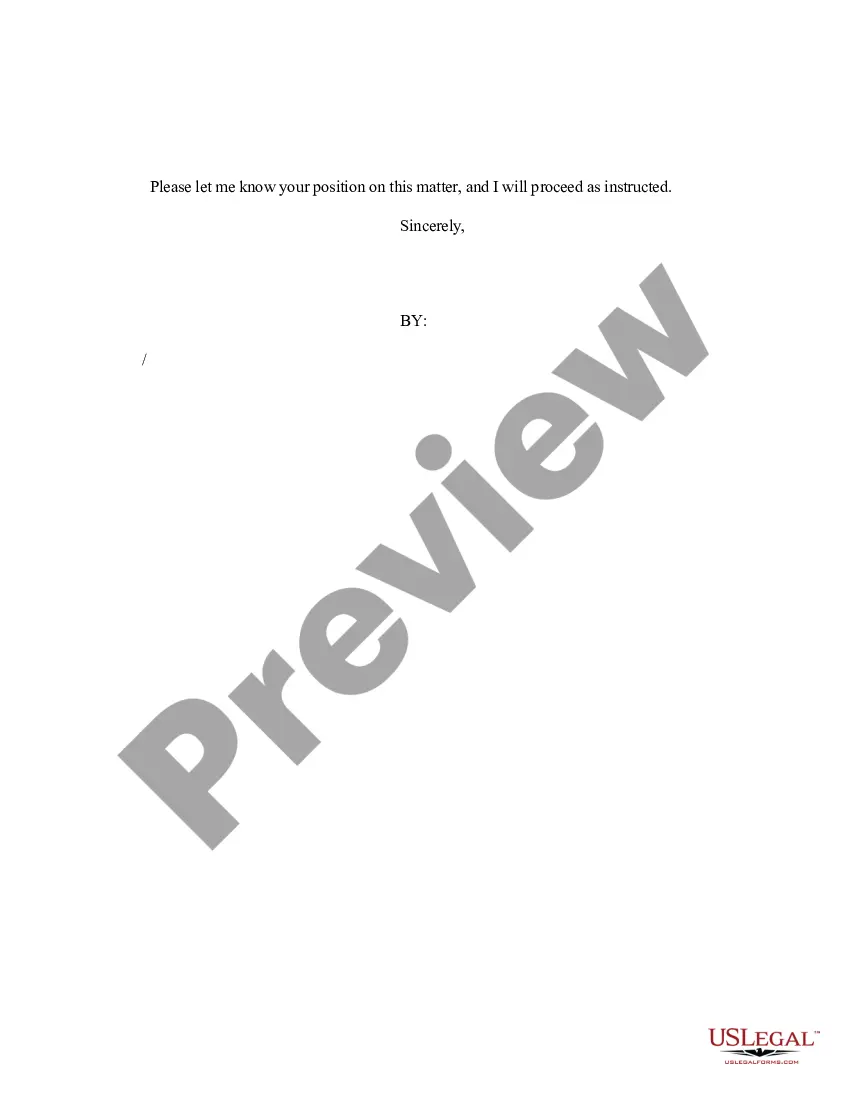


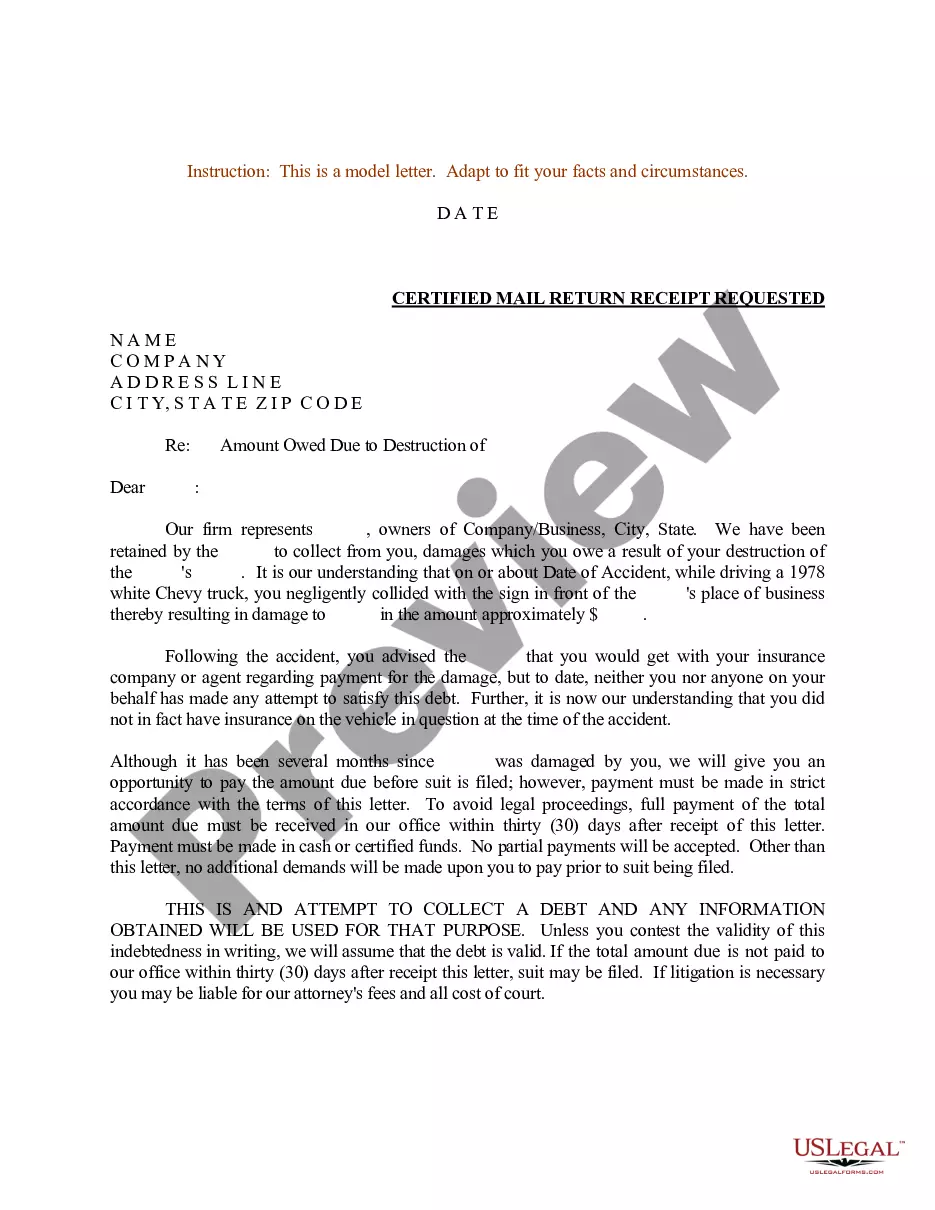

Get your form ready online
Our built-in tools help you complete, sign, share, and store your documents in one place.
Make edits, fill in missing information, and update formatting in US Legal Forms—just like you would in MS Word.
Download a copy, print it, send it by email, or mail it via USPS—whatever works best for your next step.
Sign and collect signatures with our SignNow integration. Send to multiple recipients, set reminders, and more. Go Premium to unlock E-Sign.
If this form requires notarization, complete it online through a secure video call—no need to meet a notary in person or wait for an appointment.
We protect your documents and personal data by following strict security and privacy standards.

Make edits, fill in missing information, and update formatting in US Legal Forms—just like you would in MS Word.

Download a copy, print it, send it by email, or mail it via USPS—whatever works best for your next step.

Sign and collect signatures with our SignNow integration. Send to multiple recipients, set reminders, and more. Go Premium to unlock E-Sign.

If this form requires notarization, complete it online through a secure video call—no need to meet a notary in person or wait for an appointment.

We protect your documents and personal data by following strict security and privacy standards.
Looking for another form?










Form popularity
FAQ
What a Debt Validation Letter Should Include A statement that the notice is coming from a debt collector. Your name and mailing information. The collection agency's name and mailing information. The name of the creditor (or creditors) you owe the debt to. The account number associated with the debt (if any)
Key Components to Include in a Debt Collection Letter Clear identification. Begin by clearly identifying the debtor, including their name, address, and relevant account information. Specific debt information. Payment options and due dates. Contact information. Call to Action. Legal considerations.
How to write a debt collection letter: Step by step guide Step 1: Use a professional format. Step 2: Write a clear subject line (if sending via email) ... Step 3: Address the recipient. Step 4: State the purpose of the letter. Step 5: Provide detailed information on the debt. Step 6: Include payment instructions.
The statute of limitations in Florida on debt is five years. This means that once the five-year timeline has expired, creditors can no longer file a lawsuit against the borrower to try and recover the debt. This is only true of debts that include a written agreement, though.
Unfortunately, my circumstances are unlikely to improve in the foreseeable future and I have no assets to sell to help clear my debt. I am therefore asking you to consider writing off my debt as I can see no way of ever repaying it. If you are unable to agree to this, please explain your reasons.
The statute of limitations for debt collection in Florida is generally five years from the date of the last payment or from the date on which the debt was incurred.
Under the Fair Credit Reporting Act (FCRA), most negative information, including unpaid credit card debt, must be removed from your credit report after seven years.
Sometimes, debts remain on your credit report longer than they should. If an old debt remains on your credit report after seven years, it's time to contact the credit bureau(s) and dispute the error. To file a dispute, contact each credit bureau that's incorrectly reporting the old debt by phone, mail or online.
Specifically, the rule states that a debt collector cannot: Make more than seven calls within a seven-day period to a consumer regarding a specific debt. Call a consumer within seven days after having a telephone conversation about that debt.
