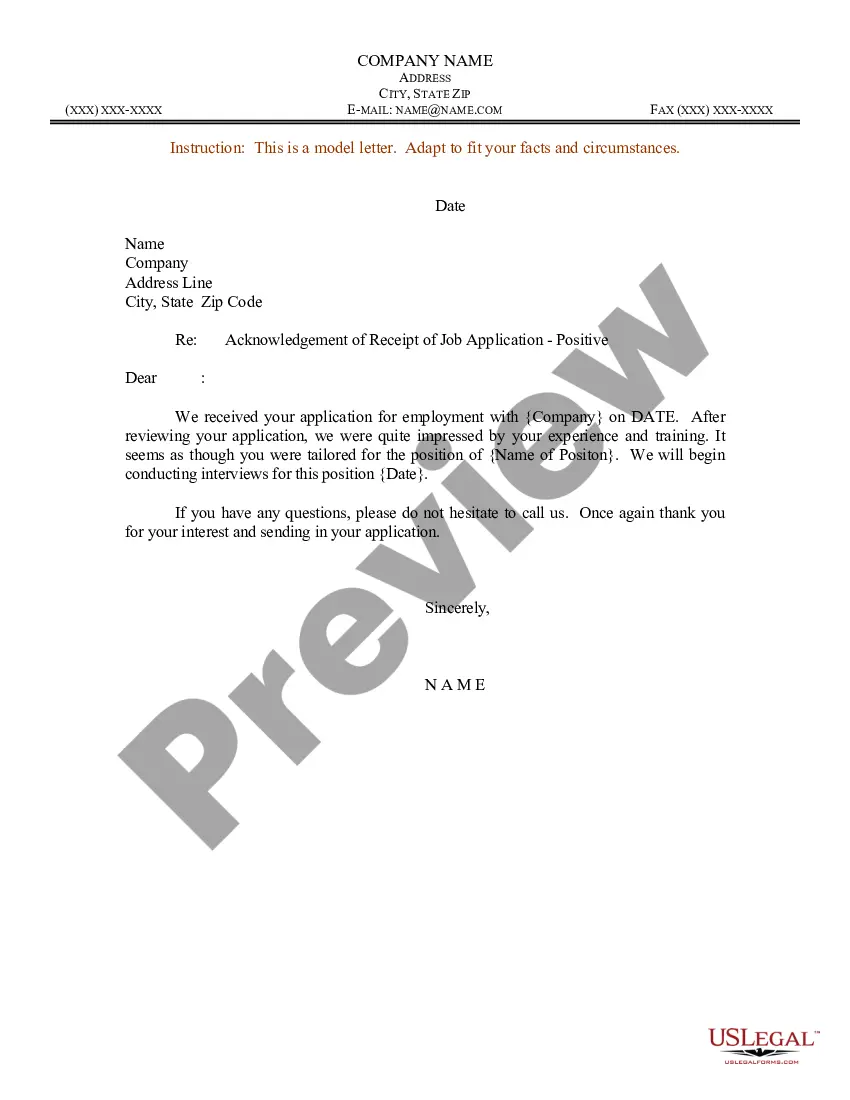
Sample Acknowledgement Receipt For Rental Payment In Los Angeles
Description




Get your form ready online
Our built-in tools help you complete, sign, share, and store your documents in one place.
Make edits, fill in missing information, and update formatting in US Legal Forms—just like you would in MS Word.
Download a copy, print it, send it by email, or mail it via USPS—whatever works best for your next step.
Sign and collect signatures with our SignNow integration. Send to multiple recipients, set reminders, and more. Go Premium to unlock E-Sign.
If this form requires notarization, complete it online through a secure video call—no need to meet a notary in person or wait for an appointment.
We protect your documents and personal data by following strict security and privacy standards.

Make edits, fill in missing information, and update formatting in US Legal Forms—just like you would in MS Word.

Download a copy, print it, send it by email, or mail it via USPS—whatever works best for your next step.

Sign and collect signatures with our SignNow integration. Send to multiple recipients, set reminders, and more. Go Premium to unlock E-Sign.

If this form requires notarization, complete it online through a secure video call—no need to meet a notary in person or wait for an appointment.

We protect your documents and personal data by following strict security and privacy standards.
Looking for another form?





Form popularity
FAQ
A rent receipt form should include the following: Tenant's name or business name. Property address. From: Property owner's name or property management company name. Contact information. Date. Receipt number. Monthly rent. Rent due date.
Be upfront and honest. Explain the situation clearly and take responsibility. Provide a specific date when you expect to have the rent payment. Offer to set up a payment plan if you won't have the full amount by the due date. Apologize for the late payment and
When writing a rent receipt, you should include: The date the payment was received. The tenant's full name. The full name of anyone else who made the payment on behalf of the tenant. The name of the landlord or property manager receiving the payment. The rental property address and unit number.
Starting January 1, 2025, the annual allowable rent increase in Los Angeles County will be linked to changes in the CPI. The increase is capped at 60% of the CPI's percentage change over the previous year. This adjustment ensures that rent increases reflect economic trends while protecting tenants from sudden hikes.
When writing a rent receipt, you should include: The date the payment was received. The tenant's full name. The full name of anyone else who made the payment on behalf of the tenant. The name of the landlord or property manager receiving the payment. The rental property address and unit number.
What to include on a receipt template Business information: The business name, address, contact details (e.g., phone number, email, website), business logo, and tax identification number (if applicable). Receipt information: The receipt number, transaction date, and transaction time (if relevant).
NOTICE REQUIREMENTS: State law requires landlords to provide a written notice prior to issuing a rent increase regardless if the property is rent controlled. Before increasing rent, landlords must first give a: 30-day written notice if the increase is 10% or less; or. 90-day written notice if the increase is over 10% ...
Steps To Writing a Complaint Letter to a Landlord Explain Your Complaint. Explain the Impact. Suggest a Solution. Attach Any Relevant Documentation. Include a Deadline to Respond.
Address your letter to your landlord, date it, and state the purpose of the letter. For example, you might say, “I am writing to notify you of my intent to terminate the lease agreement.” In the body of your letter, ask for any refundable deposits to be returned to you, and provide the landlord with your new address.