Judgement Lien Example In Texas
Description




Get your form ready online
Our built-in tools help you complete, sign, share, and store your documents in one place.
Make edits, fill in missing information, and update formatting in US Legal Forms—just like you would in MS Word.
Download a copy, print it, send it by email, or mail it via USPS—whatever works best for your next step.
Sign and collect signatures with our SignNow integration. Send to multiple recipients, set reminders, and more. Go Premium to unlock E-Sign.
If this form requires notarization, complete it online through a secure video call—no need to meet a notary in person or wait for an appointment.
We protect your documents and personal data by following strict security and privacy standards.

Make edits, fill in missing information, and update formatting in US Legal Forms—just like you would in MS Word.

Download a copy, print it, send it by email, or mail it via USPS—whatever works best for your next step.

Sign and collect signatures with our SignNow integration. Send to multiple recipients, set reminders, and more. Go Premium to unlock E-Sign.

If this form requires notarization, complete it online through a secure video call—no need to meet a notary in person or wait for an appointment.

We protect your documents and personal data by following strict security and privacy standards.
Looking for another form?





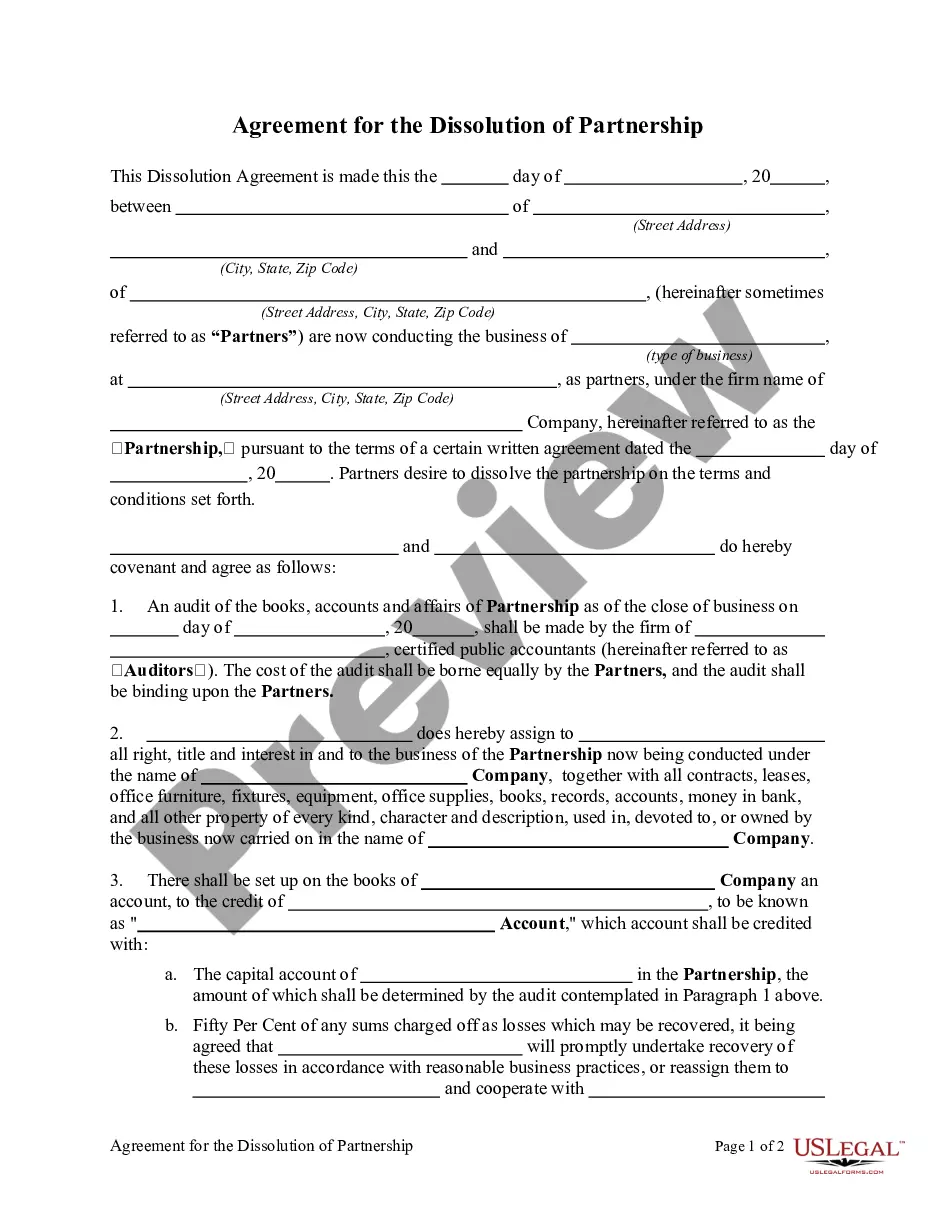


Form popularity
FAQ
Do judgments expire in Texas? Judgments awarded in Texas to a non-government creditor are generally valid for ten years but can be renewed for longer. If a judgment is not renewed, it will become dormant. A creditor can request to revive a dormant judgment to continue to try and collect the debt.
It shows up on your credit report as well as on any background checks. The judgment is considered a lien against your property, including any real estate that you have, in the state in which the judgment is filed.
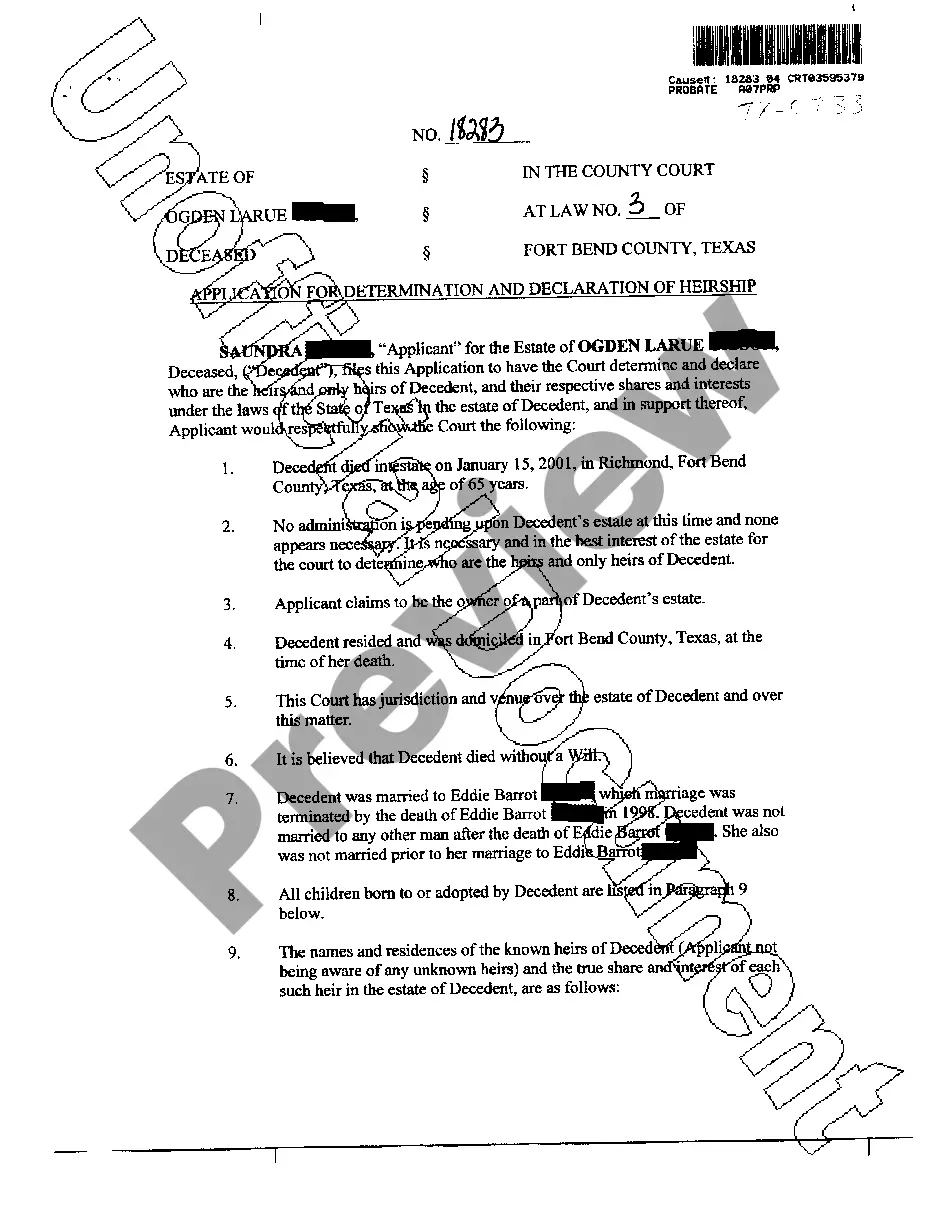
A judgment lien is a “debt-repayment security for one or more creditors when a court order places a claim on a debtor's property situated within the court's jurisdiction.” (Black's Law Dictionary, 11th ed.) The resources listed below are not exhaustive and may not include the most up-to-date information.
The plaintiff should make a written request for the clerk to enter a default judgment, and provide the clerk with an affidavit of the amount owed by the defendant and a proposed clerk's default judgment. Internal Procedures: All documents are forwarded to the docket clerk for processing within 24 hours.
Depending on whether your pleading was verified, or not, this can be as quick as a few days in cases where the clerk can enter default, or as long as a few weeks in the event a hearing is necessary in order to secure a default judgment.
Generally, to file a judgment lien, an abstract of judgment must be issued by the justice court. Some justice courts have a form available on their website to request an abstract of judgment.
The plaintiff should make a written request for the clerk to enter a default judgment, and provide the clerk with an affidavit of the amount owed by the defendant and a proposed clerk's default judgment. Internal Procedures: All documents are forwarded to the docket clerk for processing within 24 hours.
Four Steps to Filing a Lien in Texas Be Prepared on Every Job: Record Essential Information. Unfortunately, subcontractor nonpayment is common in the private commercial construction industry. Send a Pre-lien Notice. File a Mechanic's Lien Affidavit. 4. Mail a Notice to the Property Owner and General Contractor.
Generally, to file a judgment lien, an abstract of judgment must be issued by the justice court. Some justice courts have a form available on their website to request an abstract of judgment.
Do judgments expire in Texas? Judgments awarded in Texas to a non-government creditor are generally valid for ten years but can be renewed for longer. If a judgment is not renewed, it will become dormant.

