Judgment With Notice Of Entry In Tarrant
Description




Get your form ready online
Our built-in tools help you complete, sign, share, and store your documents in one place.
Make edits, fill in missing information, and update formatting in US Legal Forms—just like you would in MS Word.
Download a copy, print it, send it by email, or mail it via USPS—whatever works best for your next step.
Sign and collect signatures with our SignNow integration. Send to multiple recipients, set reminders, and more. Go Premium to unlock E-Sign.
If this form requires notarization, complete it online through a secure video call—no need to meet a notary in person or wait for an appointment.
We protect your documents and personal data by following strict security and privacy standards.

Make edits, fill in missing information, and update formatting in US Legal Forms—just like you would in MS Word.

Download a copy, print it, send it by email, or mail it via USPS—whatever works best for your next step.

Sign and collect signatures with our SignNow integration. Send to multiple recipients, set reminders, and more. Go Premium to unlock E-Sign.

If this form requires notarization, complete it online through a secure video call—no need to meet a notary in person or wait for an appointment.

We protect your documents and personal data by following strict security and privacy standards.
Looking for another form?




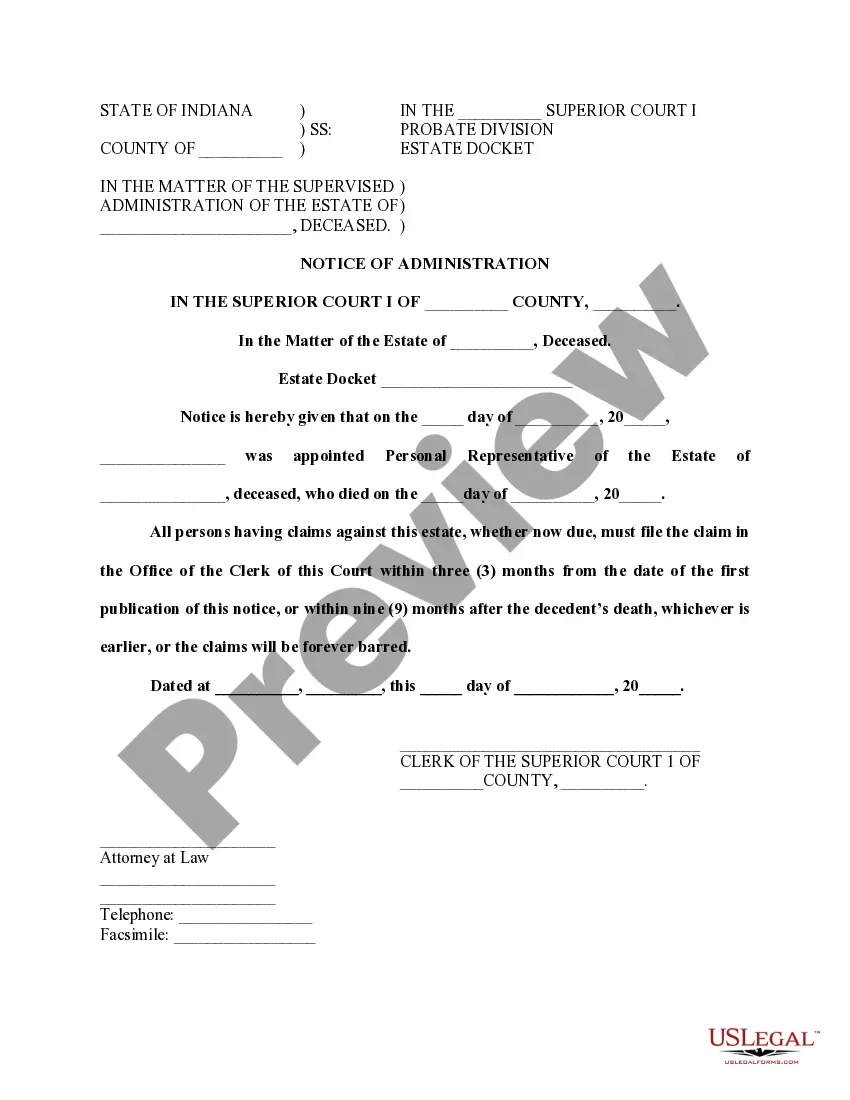

Form popularity
FAQ
A motion for judgment as a matter of law asks the court to enter a judgment based on the conclusion that no reasonable jury could reach a different conclusion. The motion is made before the case is submitted to the jury but after a party has been fully heard on the issue.
The Notice of Entry of Judgment (SC-130) is a court form that states the judge's decision. This form also tells you about your rights and lists the date the form was mailed to you. This date is very important. You have only 30 days from this date to file a motion to vacate the judgment or appeal the judge's decision.
When you receive the Notice of Entry of Judgment marked "filed," your case is complete. If you asked for a divorce (dissolution), the Notice will say the date your marriage or domestic partnership officially ends.
Enter a judgment means to make a final recording of the decision and the opinion, if the court made one. When the entry is complete depends on the jurisdiction, but entering a judgment usually either occurs after the decision is inserted into the docket or sent to a specified official.
Enter a judgment means to make a final recording of the decision and the opinion, if the court made one. When the entry is complete depends on the jurisdiction, but entering a judgment usually either occurs after the decision is inserted into the docket or sent to a specified official.
The Notice of Entry of Judgment (SC-130) is a court form that states the judge's decision. This form also tells you about your rights and lists the date the form was mailed to you. This date is very important. You have only 30 days from this date to file a motion to vacate the judgment or appeal the judge's decision.
A party who abandons any part of his claim or defense, as contained in the pleadings, may have that fact entered of record, so as to show that the matters therein were not tried.
On the date when judgment is entered, the clerk must serve on all parties a copy of the opinion—or the judgment, if no opinion was written—and a notice of the date when the judgment was entered.
As clerk of the three County Courts at Law, the County Clerk is responsible for the intake, processing and maintenance of civil cases with a jurisdictional limit up to $250,000; including debt, breach of contract, garnishments, temporary restraining orders, injunctions, automotive/personal injury cases and eminent ...
“Dismissed for want of prosecution” or DWOP means your case is dismissed by the judge because nothing has happened in your case for a while or you missed a hearing or trial (of which you had notice).

