Sample Letter To Collect Judgement Without Judgement In San Diego
Description




Get your form ready online
Our built-in tools help you complete, sign, share, and store your documents in one place.
Make edits, fill in missing information, and update formatting in US Legal Forms—just like you would in MS Word.
Download a copy, print it, send it by email, or mail it via USPS—whatever works best for your next step.
Sign and collect signatures with our SignNow integration. Send to multiple recipients, set reminders, and more. Go Premium to unlock E-Sign.
If this form requires notarization, complete it online through a secure video call—no need to meet a notary in person or wait for an appointment.
We protect your documents and personal data by following strict security and privacy standards.

Make edits, fill in missing information, and update formatting in US Legal Forms—just like you would in MS Word.

Download a copy, print it, send it by email, or mail it via USPS—whatever works best for your next step.

Sign and collect signatures with our SignNow integration. Send to multiple recipients, set reminders, and more. Go Premium to unlock E-Sign.

If this form requires notarization, complete it online through a secure video call—no need to meet a notary in person or wait for an appointment.

We protect your documents and personal data by following strict security and privacy standards.
Looking for another form?








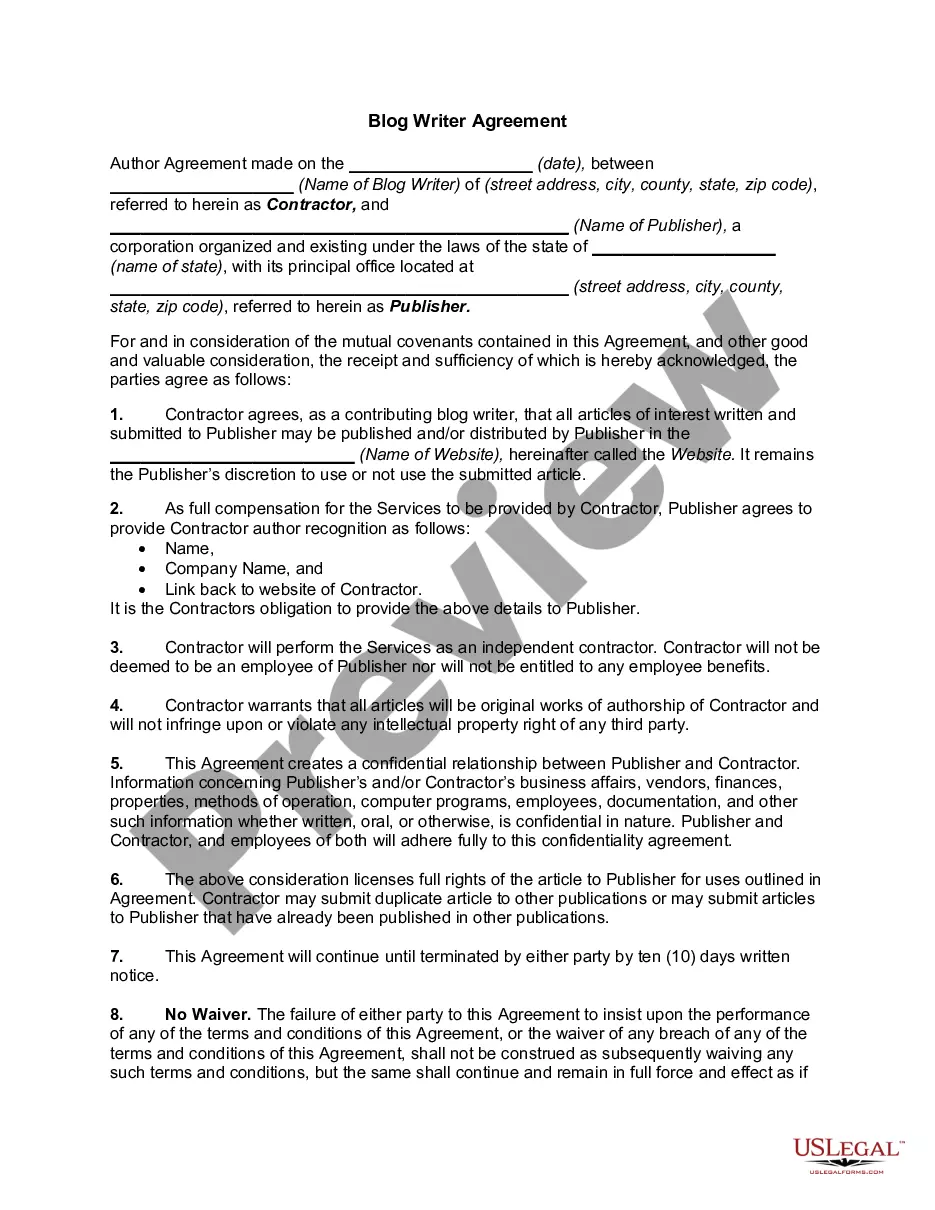
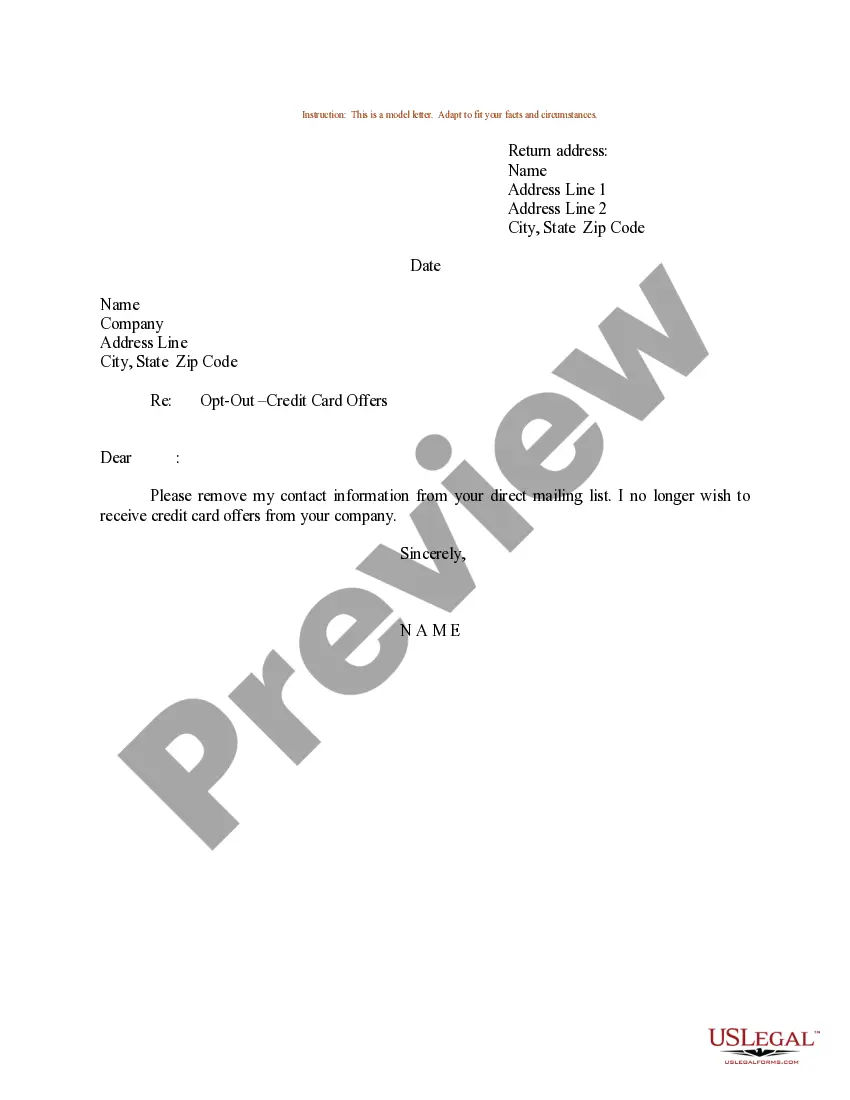
Form popularity
FAQ
Frequently Asked Questions (FAQ) Type your letter. Concisely review the main facts. Be polite. Write with your goal in mind. Ask for exactly what you want. Set a deadline. End the letter by stating you will promptly pursue legal remedies if the other party does not meet your demand. Make and keep copies.
Demand Letter Components Facts of the case. An outline of what happened. Statement of the issue. A brief description of the problem. Demand. The dollar amount or action necessary to resolve the case. Response deadline. The date by which the recipient must respond. Noncompliance consequences.
The basic process to set aside an order or judgment is similar. Figure out if you have a legal reason. You need to give the judge a legal reason why they should set aside the order or judgment. Fill out and file forms. Fill out and file forms with the court. Serve the other side. Go to the court date.
Frequently Asked Questions (FAQ) Type your letter. Concisely review the main facts. Be polite. Write with your goal in mind. Ask for exactly what you want. Set a deadline. End the letter by stating you will promptly pursue legal remedies if the other party does not meet your demand. Make and keep copies.
Depending on the defendant's financial situation, it can be very difficult to collect a judgment.
Collect together the name and address for your debtor, the amount due, the dates involved with your claim such as starting date of debt, and your supporting documentation usually your invoices and your statement. Use these facts to write a clear statement explaining the monies owed to you.
If you are trying to resolve a dispute, you may want to send a demand letter. You can write one yourself, but hiring an attorney will help you navigate legalities and show the recipient the seriousness of the matter.
Yes, there is no reason you cannot write a demand letter to be sent by email. Use multiple channels, including email, mail, fax, EDI and follow it up with a phone call to ensure they received it.
Demand Letter Components Facts of the case. An outline of what happened. Statement of the issue. A brief description of the problem. Demand. The dollar amount or action necessary to resolve the case. Response deadline. The date by which the recipient must respond. Noncompliance consequences.

