Judgment Note Form Foreign In Salt Lake
Description




Get your form ready online
Our built-in tools help you complete, sign, share, and store your documents in one place.
Make edits, fill in missing information, and update formatting in US Legal Forms—just like you would in MS Word.
Download a copy, print it, send it by email, or mail it via USPS—whatever works best for your next step.
Sign and collect signatures with our SignNow integration. Send to multiple recipients, set reminders, and more. Go Premium to unlock E-Sign.
If this form requires notarization, complete it online through a secure video call—no need to meet a notary in person or wait for an appointment.
We protect your documents and personal data by following strict security and privacy standards.

Make edits, fill in missing information, and update formatting in US Legal Forms—just like you would in MS Word.

Download a copy, print it, send it by email, or mail it via USPS—whatever works best for your next step.

Sign and collect signatures with our SignNow integration. Send to multiple recipients, set reminders, and more. Go Premium to unlock E-Sign.

If this form requires notarization, complete it online through a secure video call—no need to meet a notary in person or wait for an appointment.

We protect your documents and personal data by following strict security and privacy standards.
Looking for another form?








Form popularity
FAQ
Generally, a "foreign judgment" is one that is rendered in another state or country that is judicially distinct from the state where collection of the judgment is sought.
Yes. Foreign judgments are routinely recognized in the United States through statutes enacted in each state. The defenses to recognition are limited in these proceedings. This principle originated with the Supreme Court's 1895 decision in Hilton v.
Although there is no judgement enforcement treaty between most countries and the United States, normally US courts will enforce a validly entered foreign judgement. The US court will require that the US based judgement debtor was aware of the foreign proceedings.
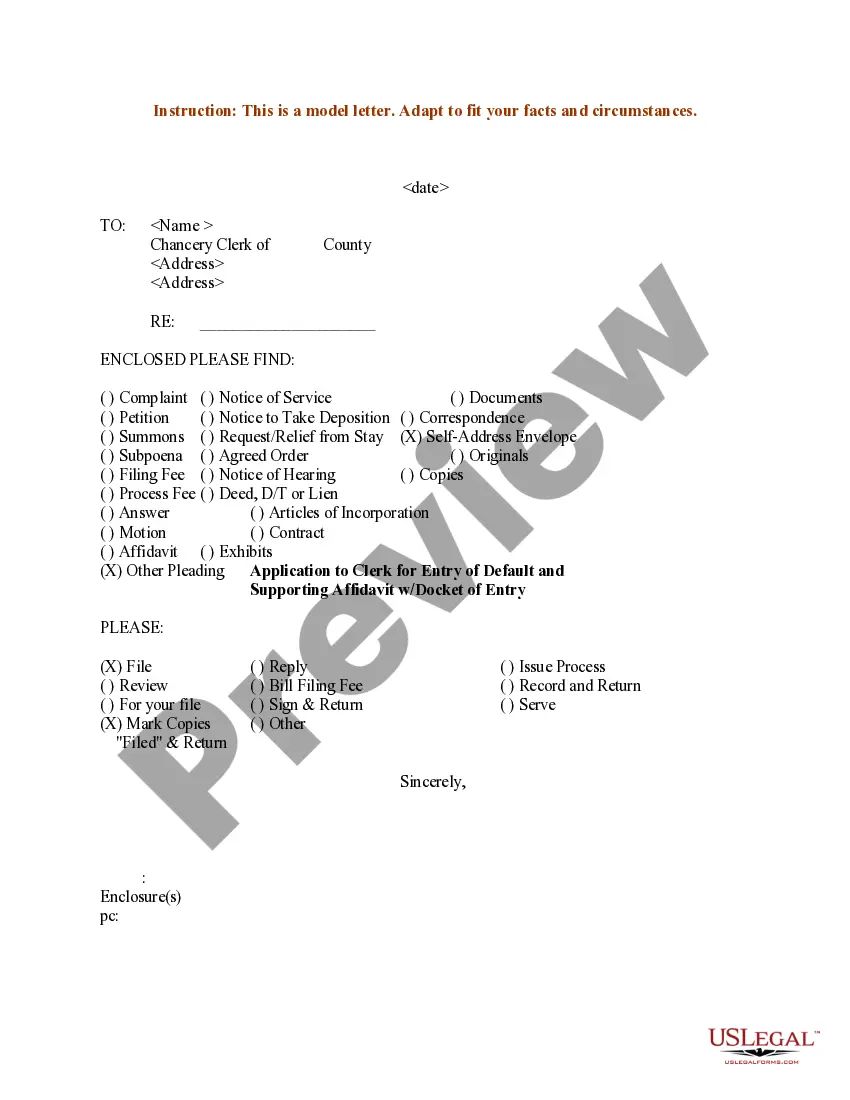
A copy of a foreign judgment authenticated in ance with an appropriate act of Congress or an appropriate act of Utah may be filed with the clerk of any district court in Utah. The clerk of the district court shall treat the foreign judgment in all respects as a judgment of a district court of Utah.
Enforcement of a Foreign Judgment in the U.S. Under U.S. law, an individual seeking to enforce a foreign judgment, decree or order in this country must file suit before a competent court. The court will determine whether to recognize and enforce the foreign judgment.
A foreign judgment is any judgment of a court of any other state in the United States in a civil action which was not obtained by default in appearance or by confession of judgment.
Under U.S. law, an individual seeking to enforce a foreign judgment, decree or order in this country must file suit before a competent court. The court will determine whether to recognize and enforce the foreign judgment.
Domesticating a foreign judgment in California to put it simply, is relocating a court ruling's jurisdiction. A judgment ruled, in the case under California law, can transfer from California's ruling jurisdiction to another. This process is domestication of a foreign judgment.
If a judgment is entered against the debtor in one state, but the debtor resides in another state or the debtor's assets are located in another state, then the creditor must transfer the judgment to that state.

