Notice Judgment Lien Form For Vehicle In Pima
Description




Get your form ready online
Our built-in tools help you complete, sign, share, and store your documents in one place.
Make edits, fill in missing information, and update formatting in US Legal Forms—just like you would in MS Word.
Download a copy, print it, send it by email, or mail it via USPS—whatever works best for your next step.
Sign and collect signatures with our SignNow integration. Send to multiple recipients, set reminders, and more. Go Premium to unlock E-Sign.
If this form requires notarization, complete it online through a secure video call—no need to meet a notary in person or wait for an appointment.
We protect your documents and personal data by following strict security and privacy standards.

Make edits, fill in missing information, and update formatting in US Legal Forms—just like you would in MS Word.

Download a copy, print it, send it by email, or mail it via USPS—whatever works best for your next step.

Sign and collect signatures with our SignNow integration. Send to multiple recipients, set reminders, and more. Go Premium to unlock E-Sign.

If this form requires notarization, complete it online through a secure video call—no need to meet a notary in person or wait for an appointment.

We protect your documents and personal data by following strict security and privacy standards.
Looking for another form?


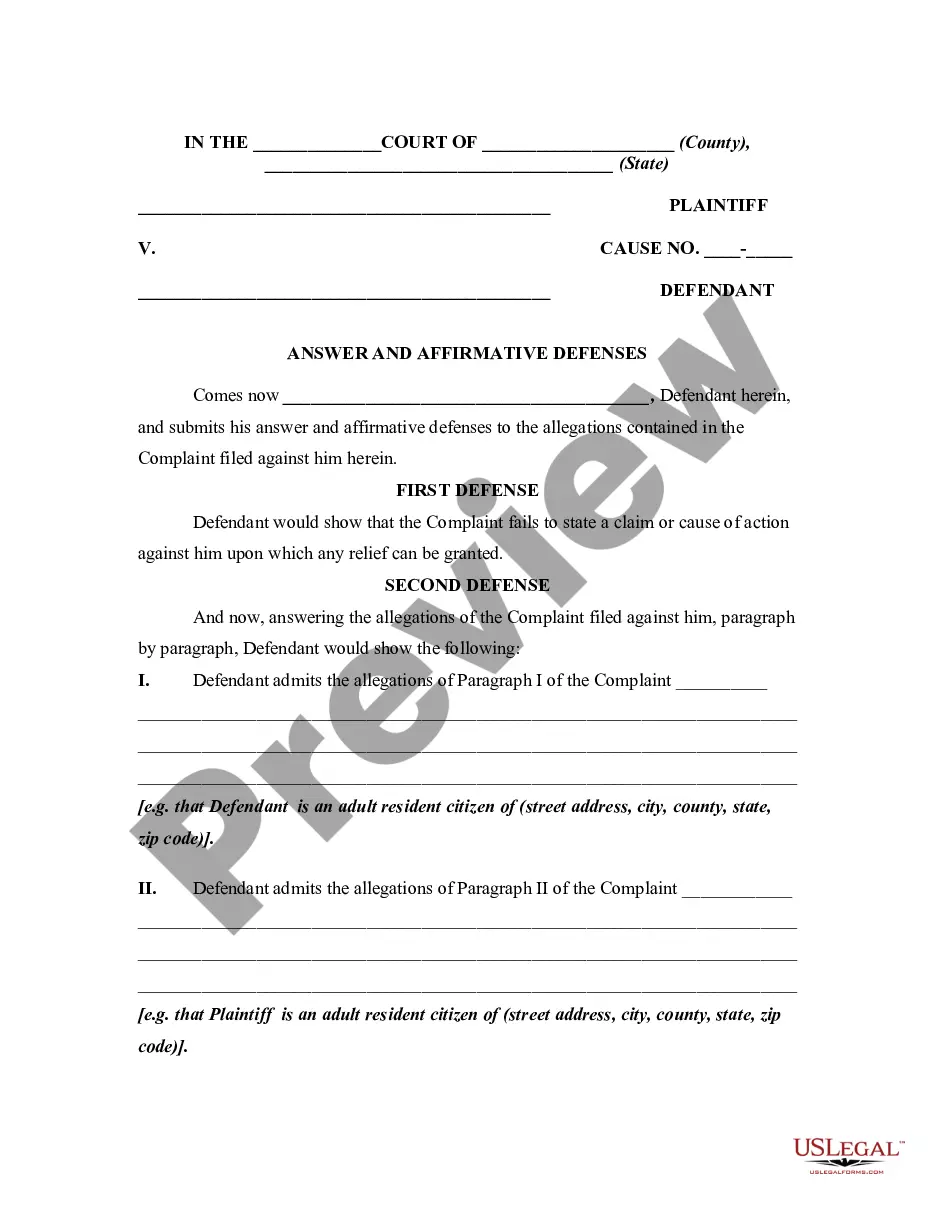
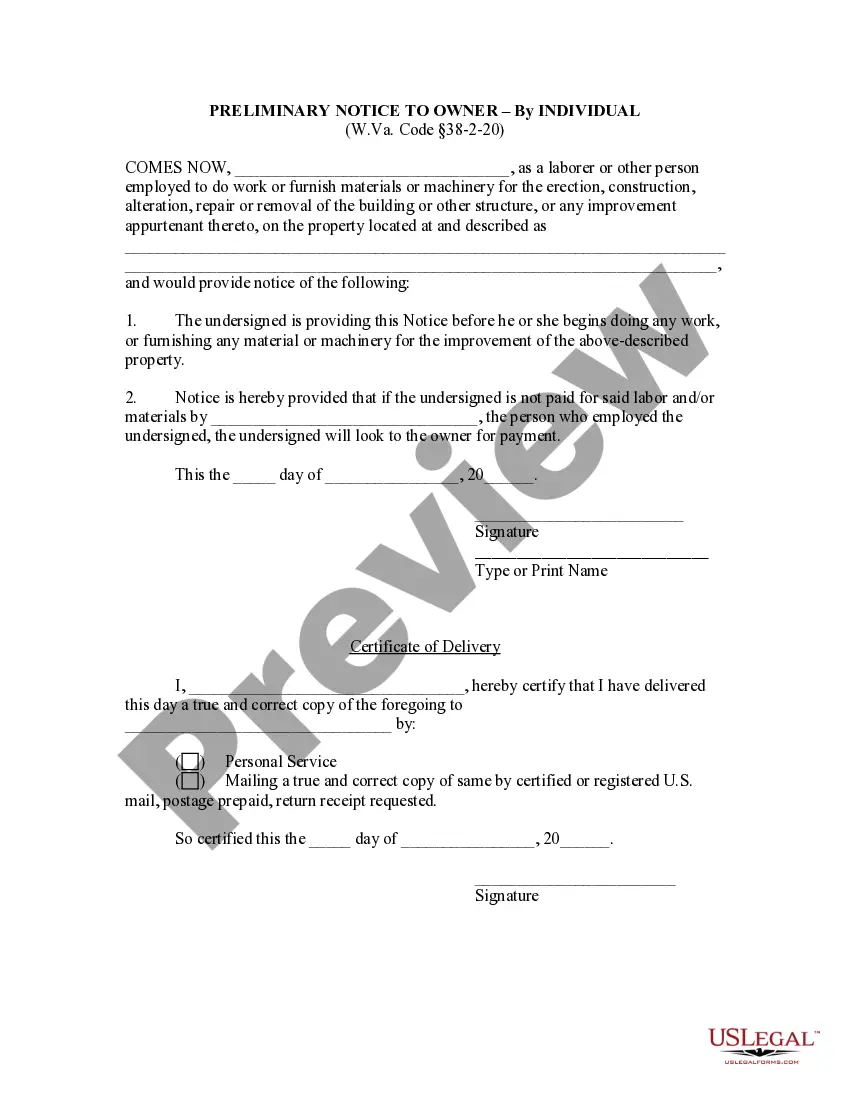

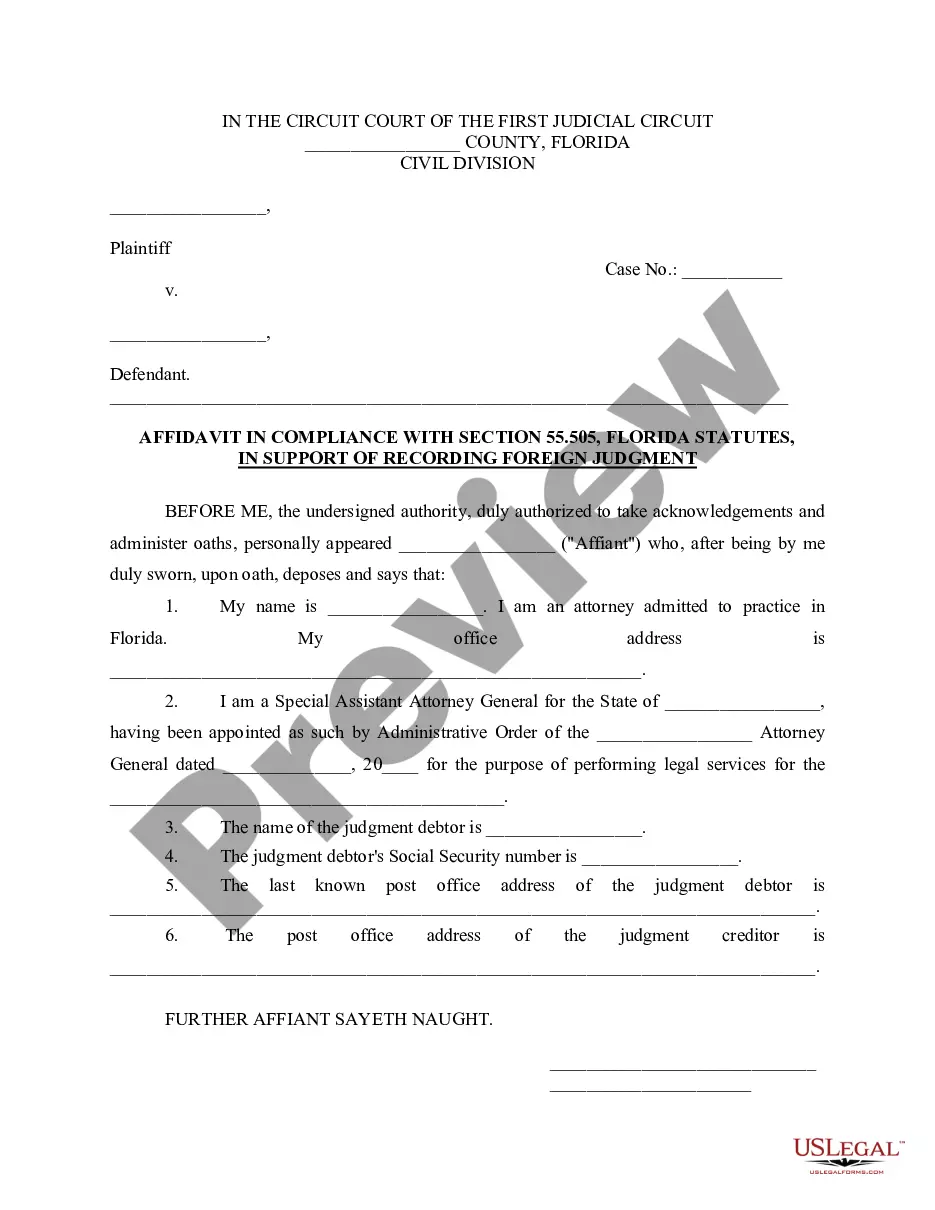




Form popularity
FAQ
Arizona Judgments are Enforceable for at Least Ten Years The ten years starts running from the when the Clerk of the Court enters in the judgment. This is important to understand because the date the Clerk of the Court enters the judgment can (and often is) different from the date the judge signed the judgment.
Except as provided in sections 33-729 and 33-730, from and after the time of recording as provided in section 33-961, a judgment shall become a lien for a period of ten years after the date it is given on all real property of the judgment debtor in the county in which the judgment is recorded, whether the property is ...
How does a creditor go about getting a judgment lien in Arizona? To attach the lien, the creditor files and records a judgment with the county recorder in any Arizona county where the debtor owns property now or where they may own property in the future.
Take the certified copy to the county Recorder's Office where the Judgment Debtor has real estate property. If the Judgment Debtor has property in different counties, you can record your judgment with each county. NOTE: Fees apply.
An execution or other process shall not be issued on a judgment after the expiration of ten years from the date of its entry unless the judgment is renewed by affidavit or process pursuant to section 12-1612 or an action is brought on it within ten years after the date of the entry of the judgment or of its renewal. C.
It depends but generally, no, a judgement should not be entered unless you have been served. After filing, a petitioner must also file a proof of service showing that you were properly served with the court. If you were not properly served, the judgement entered against you can be overturned.
How does a creditor go about getting a judgment lien in Arizona? To attach the lien, the creditor files and records a judgment with the county recorder in any Arizona county where the debtor owns property now or where they may own property in the future.
