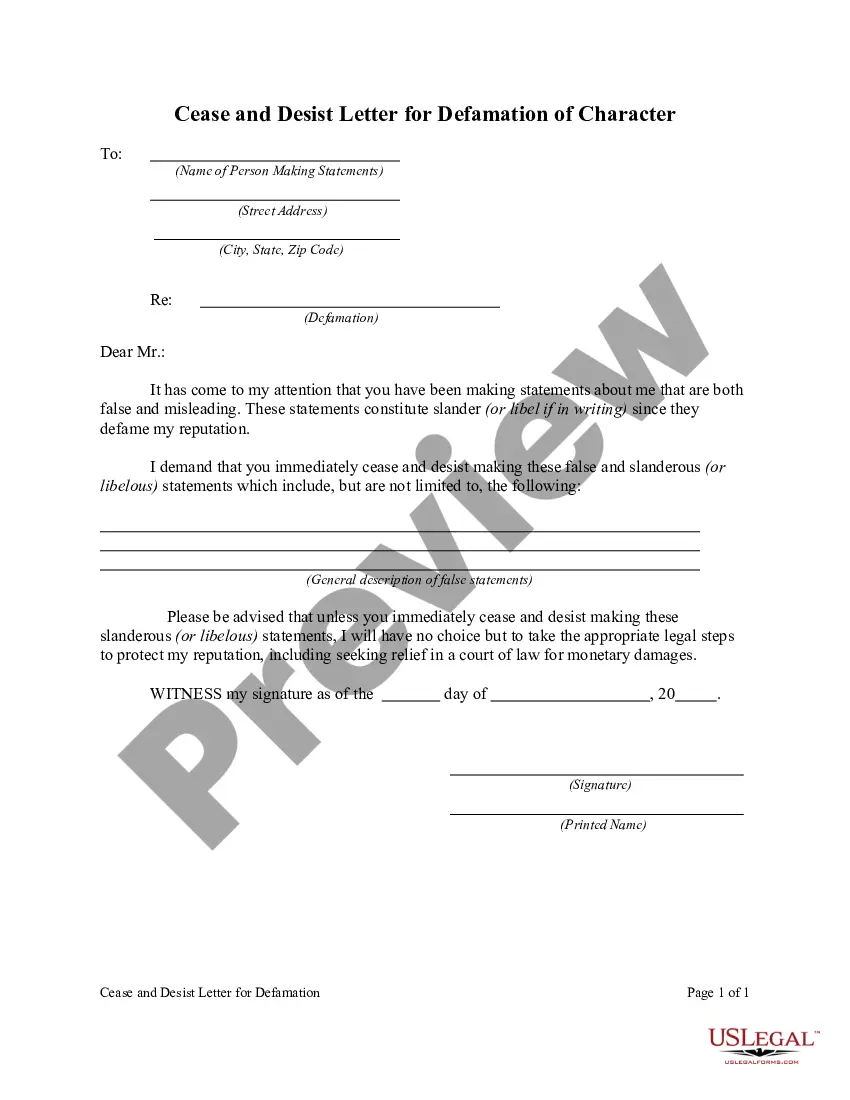
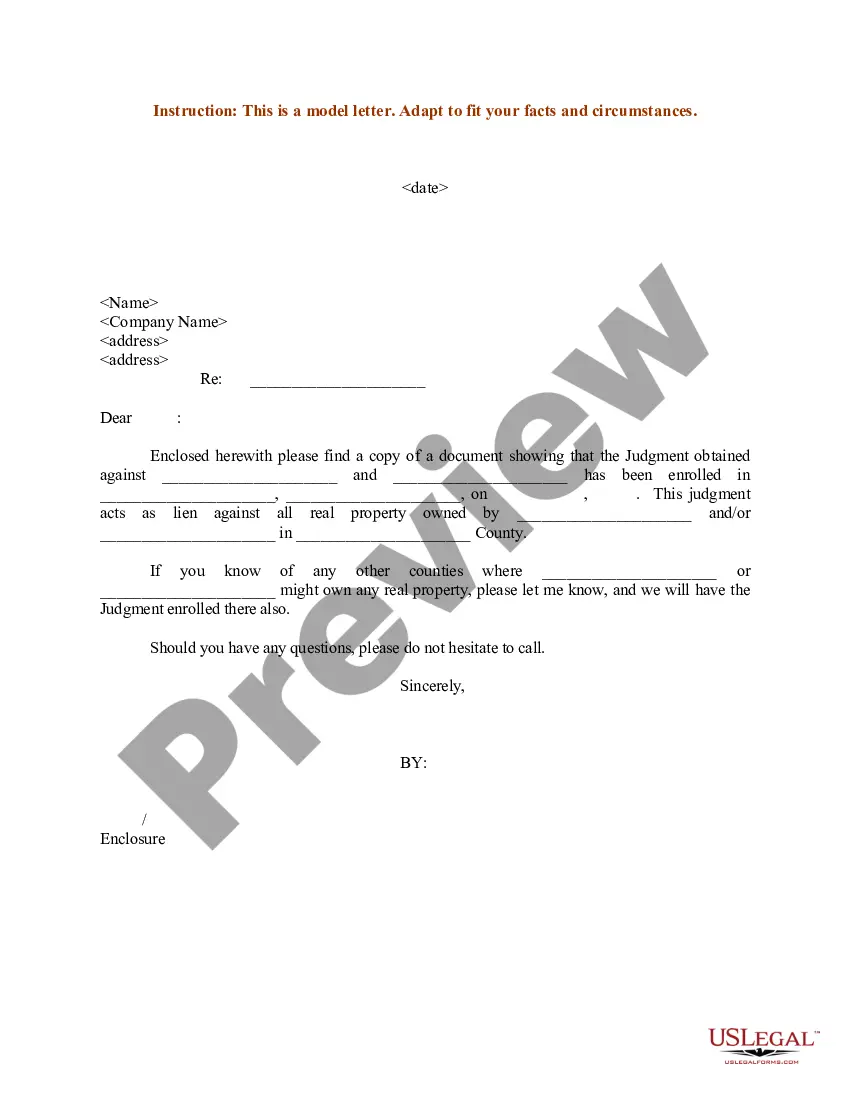
Notice Of Judgment Or Settlement In Pennsylvania
Description
Get your form ready online
Our built-in tools help you complete, sign, share, and store your documents in one place.
Make edits, fill in missing information, and update formatting in US Legal Forms—just like you would in MS Word.
Download a copy, print it, send it by email, or mail it via USPS—whatever works best for your next step.
Sign and collect signatures with our SignNow integration. Send to multiple recipients, set reminders, and more. Go Premium to unlock E-Sign.
If this form requires notarization, complete it online through a secure video call—no need to meet a notary in person or wait for an appointment.
We protect your documents and personal data by following strict security and privacy standards.

Make edits, fill in missing information, and update formatting in US Legal Forms—just like you would in MS Word.

Download a copy, print it, send it by email, or mail it via USPS—whatever works best for your next step.

Sign and collect signatures with our SignNow integration. Send to multiple recipients, set reminders, and more. Go Premium to unlock E-Sign.

If this form requires notarization, complete it online through a secure video call—no need to meet a notary in person or wait for an appointment.

We protect your documents and personal data by following strict security and privacy standards.
Looking for another form?


Form popularity
FAQ
Rule 236 governs the notice to be given by the prothonotary of the entry of an order or judgment.
For most kinds of debt, you cannot go to jail for leaving them unpaid. The only consequences will be in the form of potential lawsuits and other negative life consequences.
The Court may enter an order allowing the Sheriff to take other action against you, including, for example, directing the seizure or sale of your personal property, contents of your home or office, automobiles, non-publicly traded stocks and interests in partnerships and limited liability companies, seizure of rent or ...
Having a judgment filed against you brings with it a new level of debt collection. Thankfully, there are some things you can do to ease the pain. A judgment is nothing more than a decision by a court that has been entered into the public record.
File a praecipe for judgment, a dated copy of the 10 day notice, and a Pennsylvania Rule 236 form. If the debtor is an individual, you must file a notarized affidavit of nonmilitary service. File an original and a copy for each debtor with a Rule 236 form. Include a stamped envelope addressed to each debtor.
The Court may enter an order allowing the Sheriff to take other action against you, including, for example, directing the seizure or sale of your personal property, contents of your home or office, automobiles, non-publicly traded stocks and interests in partnerships and limited liability companies, seizure of rent or ...
File a praecipe for judgment, a dated copy of the 10 day notice, and a Pennsylvania Rule 236 form. If the debtor is an individual, you must file a notarized affidavit of nonmilitary service. File an original and a copy for each debtor with a Rule 236 form. Include a stamped envelope addressed to each debtor.
Can Personal Property Be Seized In A Pennsylvania Judgement? Judgments from Magisterial District Court and Court of Common Pleas. A plaintiff can seize tangible personal property which are items such as household furnishings, jewelry, and business and office equipment.
The most common ways you may find out that there are outstanding judgements against you in one of the following ways: letter in the mail or phone call from the collection attorneys; garnishee notice from your payroll department; freeze on your bank account; or.