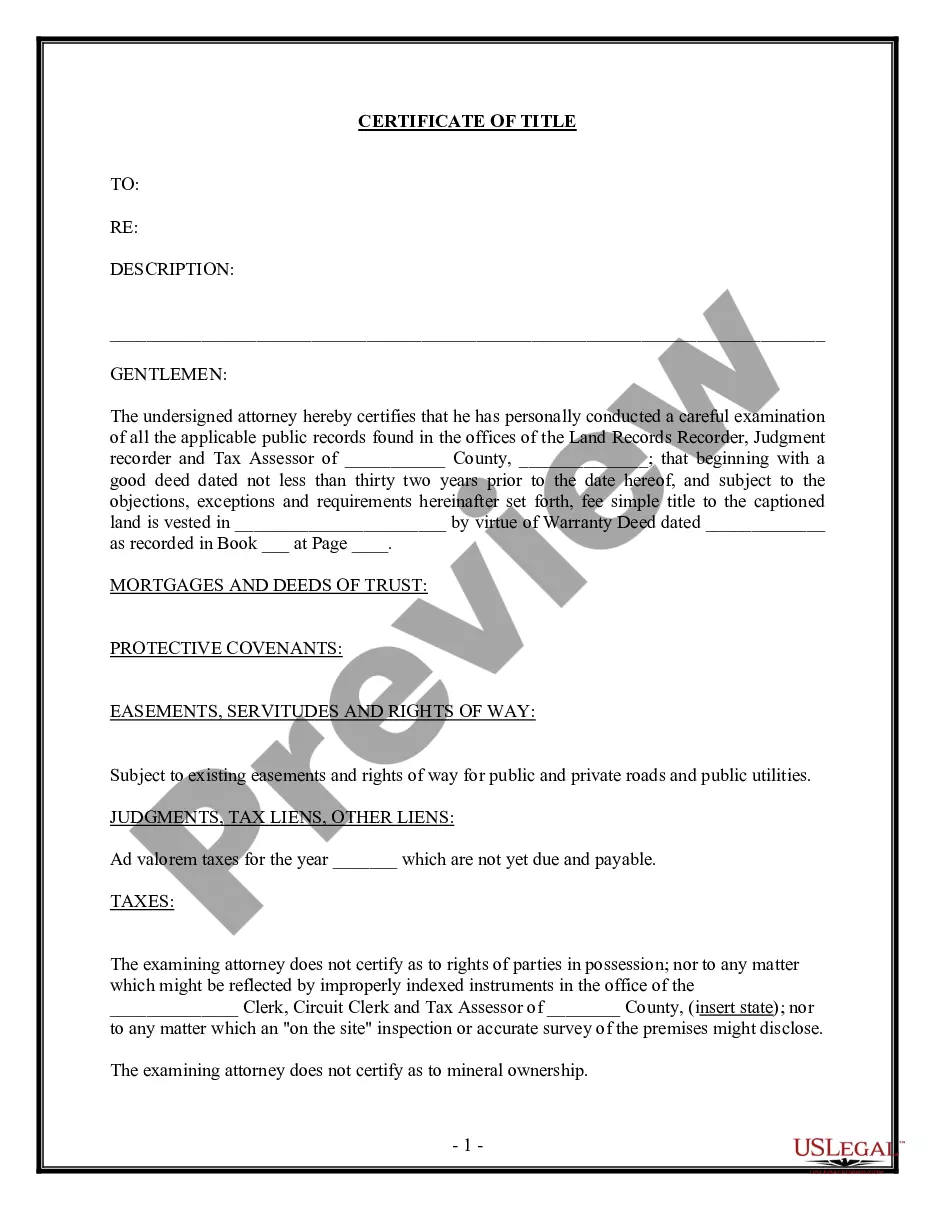
Judgment Against Property With Hindi In Orange
Description




Get your form ready online
Our built-in tools help you complete, sign, share, and store your documents in one place.
Make edits, fill in missing information, and update formatting in US Legal Forms—just like you would in MS Word.
Download a copy, print it, send it by email, or mail it via USPS—whatever works best for your next step.
Sign and collect signatures with our SignNow integration. Send to multiple recipients, set reminders, and more. Go Premium to unlock E-Sign.
If this form requires notarization, complete it online through a secure video call—no need to meet a notary in person or wait for an appointment.
We protect your documents and personal data by following strict security and privacy standards.

Make edits, fill in missing information, and update formatting in US Legal Forms—just like you would in MS Word.

Download a copy, print it, send it by email, or mail it via USPS—whatever works best for your next step.

Sign and collect signatures with our SignNow integration. Send to multiple recipients, set reminders, and more. Go Premium to unlock E-Sign.

If this form requires notarization, complete it online through a secure video call—no need to meet a notary in person or wait for an appointment.

We protect your documents and personal data by following strict security and privacy standards.
Looking for another form?





Form popularity
FAQ
Most creditors will file the release of judgment within 30-60 after you finish paying them. What if I need the judgment released immediately (“I'm supposed to close next week!”)? You can ask them to give you the release sooner. They might do it; they might not.
How Long Are Judgments Valid in New York? Judgments are valid for 20 years and may be extended once for an additional period of 10 years. To extend a judgment for an extra ten (10) years, the Judgment Creditor must make written application to the court that issued the original judgment.
A judgment is an official result of a lawsuit in court. If a debt collector sues you in court, the judge could award the creditor or debt collector a judgment against you.
In a debt collection lawsuit, a judgment is a court order that allows the debt collector to use stronger tools, like garnishment, to collect the debt. A judgment is an official result of a lawsuit in court.
The Notice of Entry of Judgment (SC-130) is a court form that states the judge's decision. This form also tells you about your rights and lists the date the form was mailed to you. This date is very important. You have only 30 days from this date to file a motion to vacate the judgment or appeal the judge's decision.
How Long Are Judgments Valid in New York? Judgments are valid for 20 years and may be extended once for an additional period of 10 years. To extend a judgment for an extra ten (10) years, the Judgment Creditor must make written application to the court that issued the original judgment.
Yes, a lien can be placed on a jointly owned home in New York, but it is attached only to the debtor-spouse's interest (share) in the property.
Most judgments (the court order saying what you're owed) expire in 10 years. This means you can't collect on it after 10 years. To avoid this, you can ask the court to renew it. A renewal lasts 10 years.
Judgements can become a first lien against a property. Lenders generally want to be first lien when it comes to mortgages. So yes, it will be deal breaker for most mortgage companies. I've seen mortgages get denied because of a $6000 judgement.
The Abstract of Judgment will place a lien on any property that is in the name of the judgment debtor. A simple rule of thumb is to record a lien in the county where the judgment debtor resides or does business. You must: Wait 30 days from the date of mailing of the Notice of Entry of Judgment.