Judgement Lien In Spanish In Orange
Description




Get your form ready online
Our built-in tools help you complete, sign, share, and store your documents in one place.
Make edits, fill in missing information, and update formatting in US Legal Forms—just like you would in MS Word.
Download a copy, print it, send it by email, or mail it via USPS—whatever works best for your next step.
Sign and collect signatures with our SignNow integration. Send to multiple recipients, set reminders, and more. Go Premium to unlock E-Sign.
If this form requires notarization, complete it online through a secure video call—no need to meet a notary in person or wait for an appointment.
We protect your documents and personal data by following strict security and privacy standards.

Make edits, fill in missing information, and update formatting in US Legal Forms—just like you would in MS Word.

Download a copy, print it, send it by email, or mail it via USPS—whatever works best for your next step.

Sign and collect signatures with our SignNow integration. Send to multiple recipients, set reminders, and more. Go Premium to unlock E-Sign.

If this form requires notarization, complete it online through a secure video call—no need to meet a notary in person or wait for an appointment.

We protect your documents and personal data by following strict security and privacy standards.
Looking for another form?

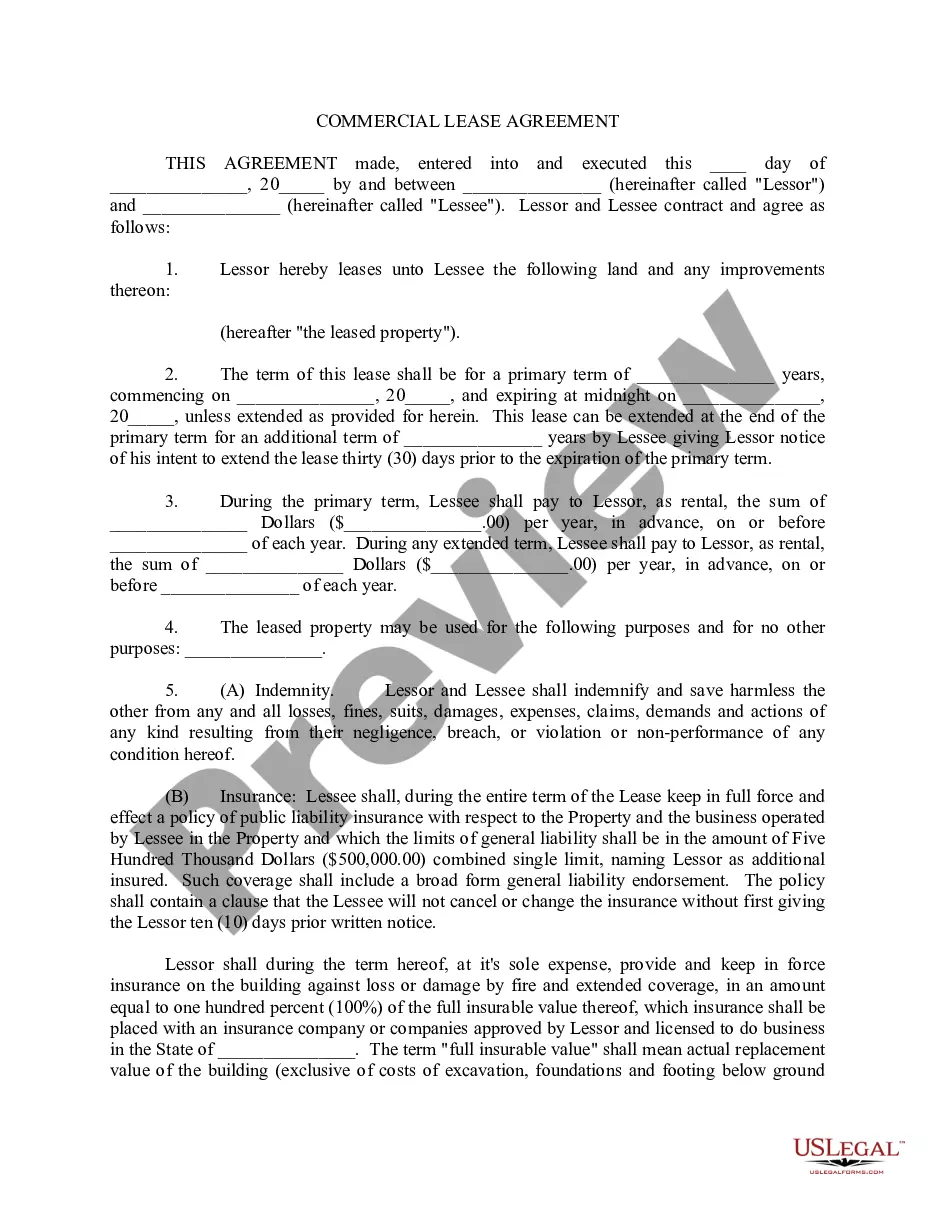


Form popularity
FAQ
What Do You Do When There Is A Judgment Lien On Your Property, But The Judgment Has Expired? Judgments have expiration dates. If they are not timely renewed, they expire. In CA that is 10 years.
A judgment lien expires after 5 years from the date it is recorded but may be rerecorded once for another period of 5 years not less than 120 days before the expiration of the initial judgment.
Judgments have expiration dates. If they are not timely renewed, they expire. In CA that is 10 years. However, when a judgment lien has been recorded against your property, it has no expiration date.
As further bad news, default judgments do not simply vanish. The lien of a default judgment lasts five years and may be easily and repeatedly revived and transferred to other counties or states.
Regardless of whether any payments are made, your judgment does not last forever. In Ohio, judgments go “dormant” in 5 years after the latter of: (a) when the judgment was issued, or (b) the last time it was used to create a lien, generate a seizure, obtain a garnishment order, or any other similar effort.
A judgment lien, sometimes referred to as an “abstract of judgment,” is an involuntary lien that is filed to give constructive notice and is to attach to the Judgment Debtor's property and/or assets.
What Do You Do When There Is A Judgment Lien On Your Property, But The Judgment Has Expired? Judgments have expiration dates. If they are not timely renewed, they expire. In CA that is 10 years.
Regardless of whether any payments are made, your judgment does not last forever. In Ohio, judgments go “dormant” in 5 years after the latter of: (a) when the judgment was issued, or (b) the last time it was used to create a lien, generate a seizure, obtain a garnishment order, or any other similar effort.
A judgment lien is a “debt-repayment security for one or more creditors when a court order places a claim on a debtor's property situated within the court's jurisdiction.” (Black's Law Dictionary, 11th ed.) The resources listed below are not exhaustive and may not include the most up-to-date information.
This means that although Ohio's statute of limitations for judgment enforcement is at least fifteen years, in reality the best practice is to act at least once every five years so that your judgment does not become dormant. Often judgments are against more than one judgment debtor.

