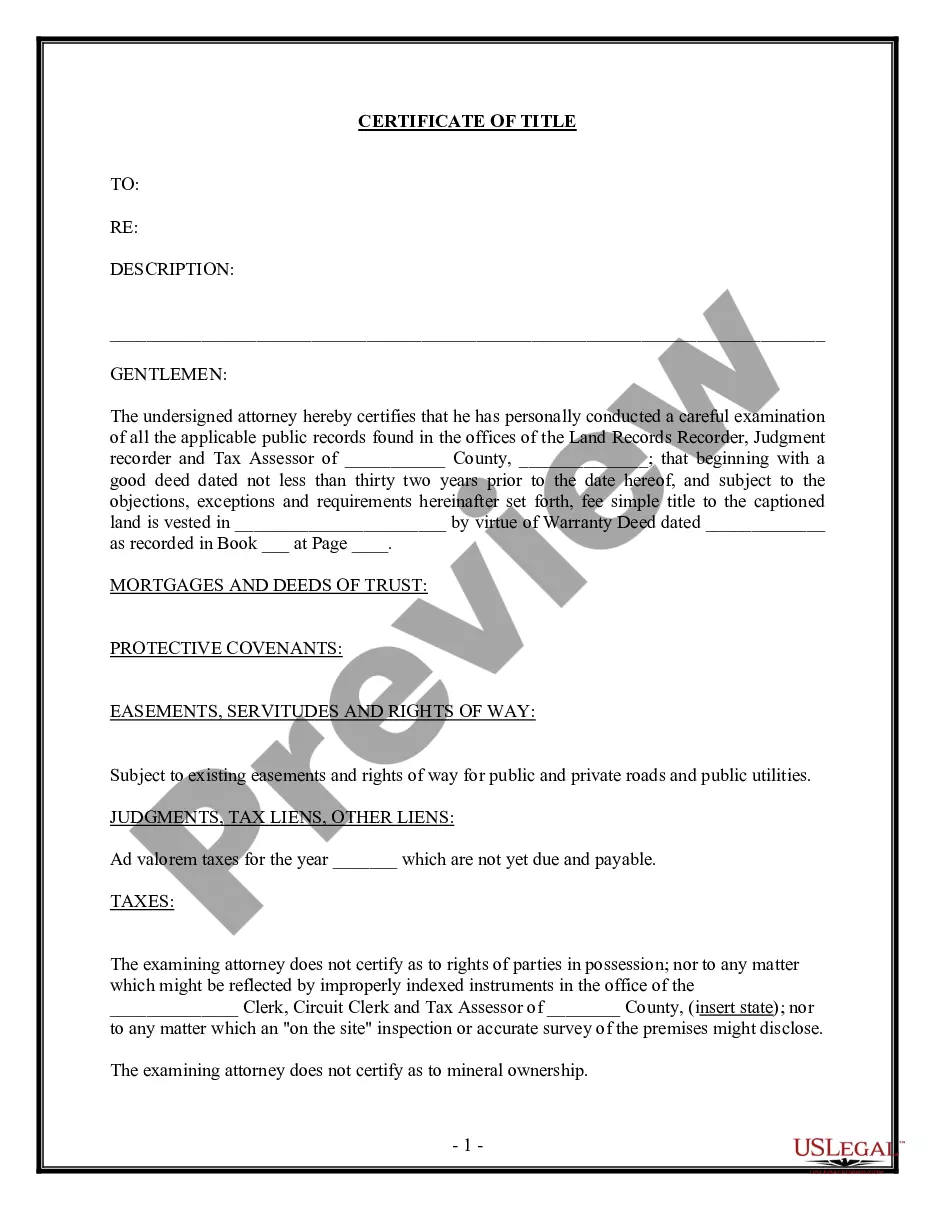
Judgment Against Property With No In Michigan
Description




Get your form ready online
Our built-in tools help you complete, sign, share, and store your documents in one place.
Make edits, fill in missing information, and update formatting in US Legal Forms—just like you would in MS Word.
Download a copy, print it, send it by email, or mail it via USPS—whatever works best for your next step.
Sign and collect signatures with our SignNow integration. Send to multiple recipients, set reminders, and more. Go Premium to unlock E-Sign.
If this form requires notarization, complete it online through a secure video call—no need to meet a notary in person or wait for an appointment.
We protect your documents and personal data by following strict security and privacy standards.

Make edits, fill in missing information, and update formatting in US Legal Forms—just like you would in MS Word.

Download a copy, print it, send it by email, or mail it via USPS—whatever works best for your next step.

Sign and collect signatures with our SignNow integration. Send to multiple recipients, set reminders, and more. Go Premium to unlock E-Sign.

If this form requires notarization, complete it online through a secure video call—no need to meet a notary in person or wait for an appointment.

We protect your documents and personal data by following strict security and privacy standards.
Looking for another form?










Form popularity
FAQ
A contractor, subcontractor, supplier, or laborer who provides an improvement to real property may acquire a construction lien under the Michigan Construction Lien Act (CLA).
A judgment creditor can file a lien with the court 22 days after the judgment is entered against the debtor, provided that the debtor has not appealed or moved to set the judgment aside. The lien is then sent to the register of deeds for recording in the county where the debtor lives.
Judgment liens may simply be filed and recorded by an attorney. There is no personal confrontation with the defendant and no personal property is seized. Service of the judgment lien on the judgment debtor is by certified mail if the judgment is less than $25,000.
2809. (1) Unless subsection (2) or (3) applies, a judgment lien expires 5 years after the date it is recorded. (2) Unless subsection (3) applies, if a judgment lien is rerecorded under subsection (4), the judgment lien expires 5 years after the date it is rerecorded.
Collect Before the Judgment Expires A judgment from a Small Claims case expires six years after it is issued. Most other judgments in Michigan expire 10 years after they are issued. You can renew a judgment before it expires by filing a motion to renew a judgment.
The concept of “nonexempt property” appears in the context of Chapter 7 bankruptcy proceedings and refers to property of the debtor's estate that does not qualify for a statutory exemption .