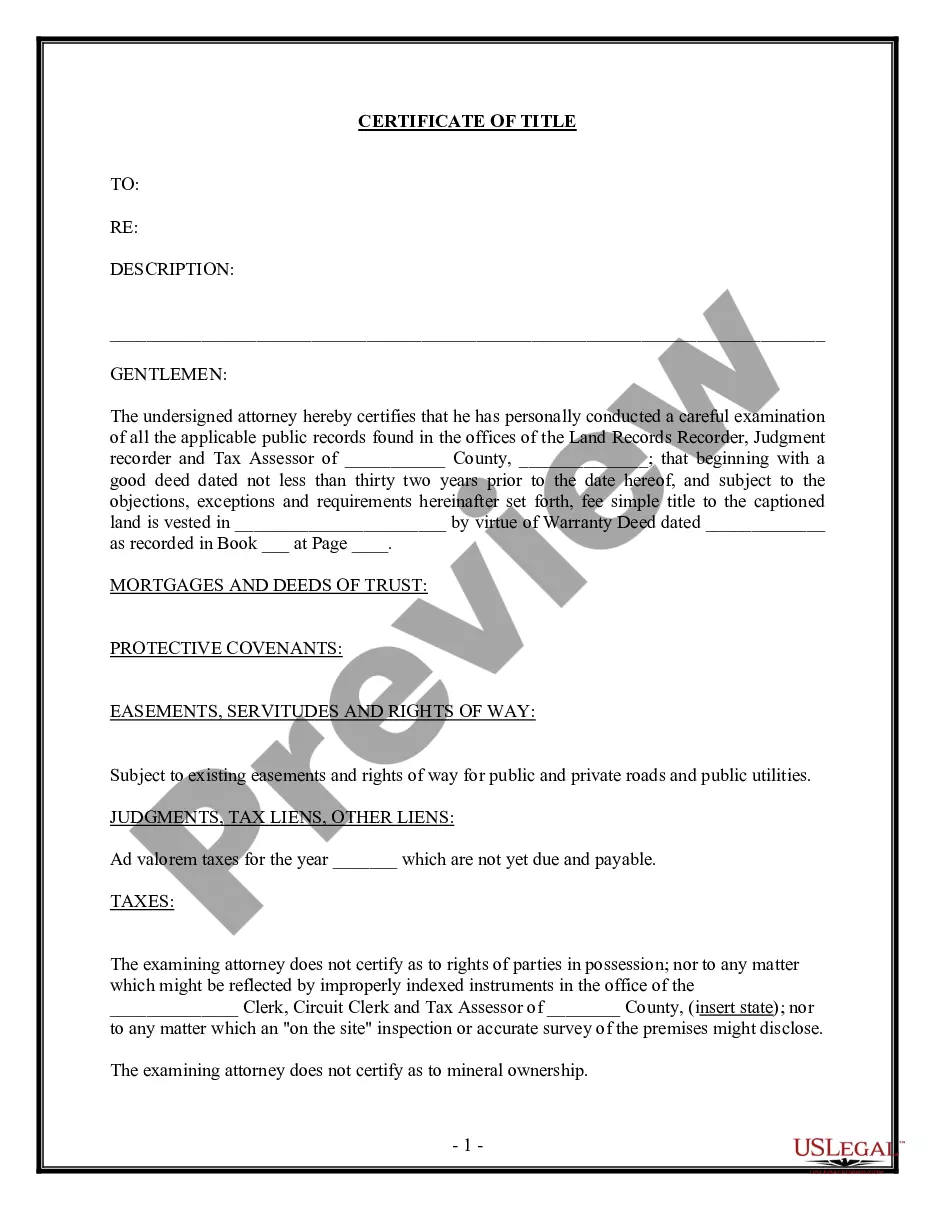
Judgment Against Property With Hindi In Massachusetts
Description




Get your form ready online
Our built-in tools help you complete, sign, share, and store your documents in one place.
Make edits, fill in missing information, and update formatting in US Legal Forms—just like you would in MS Word.
Download a copy, print it, send it by email, or mail it via USPS—whatever works best for your next step.
Sign and collect signatures with our SignNow integration. Send to multiple recipients, set reminders, and more. Go Premium to unlock E-Sign.
If this form requires notarization, complete it online through a secure video call—no need to meet a notary in person or wait for an appointment.
We protect your documents and personal data by following strict security and privacy standards.

Make edits, fill in missing information, and update formatting in US Legal Forms—just like you would in MS Word.

Download a copy, print it, send it by email, or mail it via USPS—whatever works best for your next step.

Sign and collect signatures with our SignNow integration. Send to multiple recipients, set reminders, and more. Go Premium to unlock E-Sign.

If this form requires notarization, complete it online through a secure video call—no need to meet a notary in person or wait for an appointment.

We protect your documents and personal data by following strict security and privacy standards.
Looking for another form?








Form popularity
FAQ
The Massachusetts Homestead Act is a law under which a homeowner is protected by an Estate of Homestead. A homestead estate provides limited protection of the value of the home, up to $1,000,000, against unsecured creditor claims.
If you lose a lawsuit in the United States and own property in Massachusetts, the creditor can attach and sell your property; even if you don't lose, if a Court determines that you are likely to lose, you could face an attachment.
How long does a judgment lien last in Massachusetts? A judgment lien in Massachusetts will remain attached to the debtor's property (even if the property changes hands) for 20 years (for liens on real estate) or 30 days (for liens on personal property).
Massachusetts law prohibits unfair, deceptive, and unreasonable debt-collection practices. The Attorney General has issued debt collection regulations that establish standards by defining unfair and deceptive acts and practices for the collection of debt from Massachusetts consumers.
Yes, a house can be sold with a lien on it, but the process involves additional steps to ensure a smooth transaction. The lien typically needs to be resolved before or during the sale to provide the buyer with a clear title. Buyers and lenders usually require assurance that the lien will not transfer with the property.
– Homestead Exemption: This exemption protects an individual's primary residence from being seized by creditors. In Massachusetts, the homestead exemption is $500,000 for most individuals, but it can be up to $1 million for certain individuals, such as those over the age of 62 or those with disabilities.
& Jud. Proc. §11-504(h) Yes Yes IRAs are exempt from any and all claims of creditors of the beneficiary or participant other than claims by the Department of Health and Mental Hygiene. Massachusetts Mass.
A copy of any foreign judgment, as long as it is verified, may be filed in a district court where the judgment debtor resides or has a place of business at the time of filing.
Statutes of Limitations for Each State (In Number of Years) StateWritten contractsOpen-ended accounts (including credit cards) Massachusetts 6 6 Michigan 6 6 Minnesota 6 6 Mississippi 3 347 more rows
How long does a judgment lien last in Massachusetts? A judgment lien in Massachusetts will remain attached to the debtor's property (even if the property changes hands) for 20 years (for liens on real estate) or 30 days (for liens on personal property).