Judgment Note Form For Tenant In Illinois
Description




Get your form ready online
Our built-in tools help you complete, sign, share, and store your documents in one place.
Make edits, fill in missing information, and update formatting in US Legal Forms—just like you would in MS Word.
Download a copy, print it, send it by email, or mail it via USPS—whatever works best for your next step.
Sign and collect signatures with our SignNow integration. Send to multiple recipients, set reminders, and more. Go Premium to unlock E-Sign.
If this form requires notarization, complete it online through a secure video call—no need to meet a notary in person or wait for an appointment.
We protect your documents and personal data by following strict security and privacy standards.

Make edits, fill in missing information, and update formatting in US Legal Forms—just like you would in MS Word.

Download a copy, print it, send it by email, or mail it via USPS—whatever works best for your next step.

Sign and collect signatures with our SignNow integration. Send to multiple recipients, set reminders, and more. Go Premium to unlock E-Sign.

If this form requires notarization, complete it online through a secure video call—no need to meet a notary in person or wait for an appointment.

We protect your documents and personal data by following strict security and privacy standards.
Looking for another form?

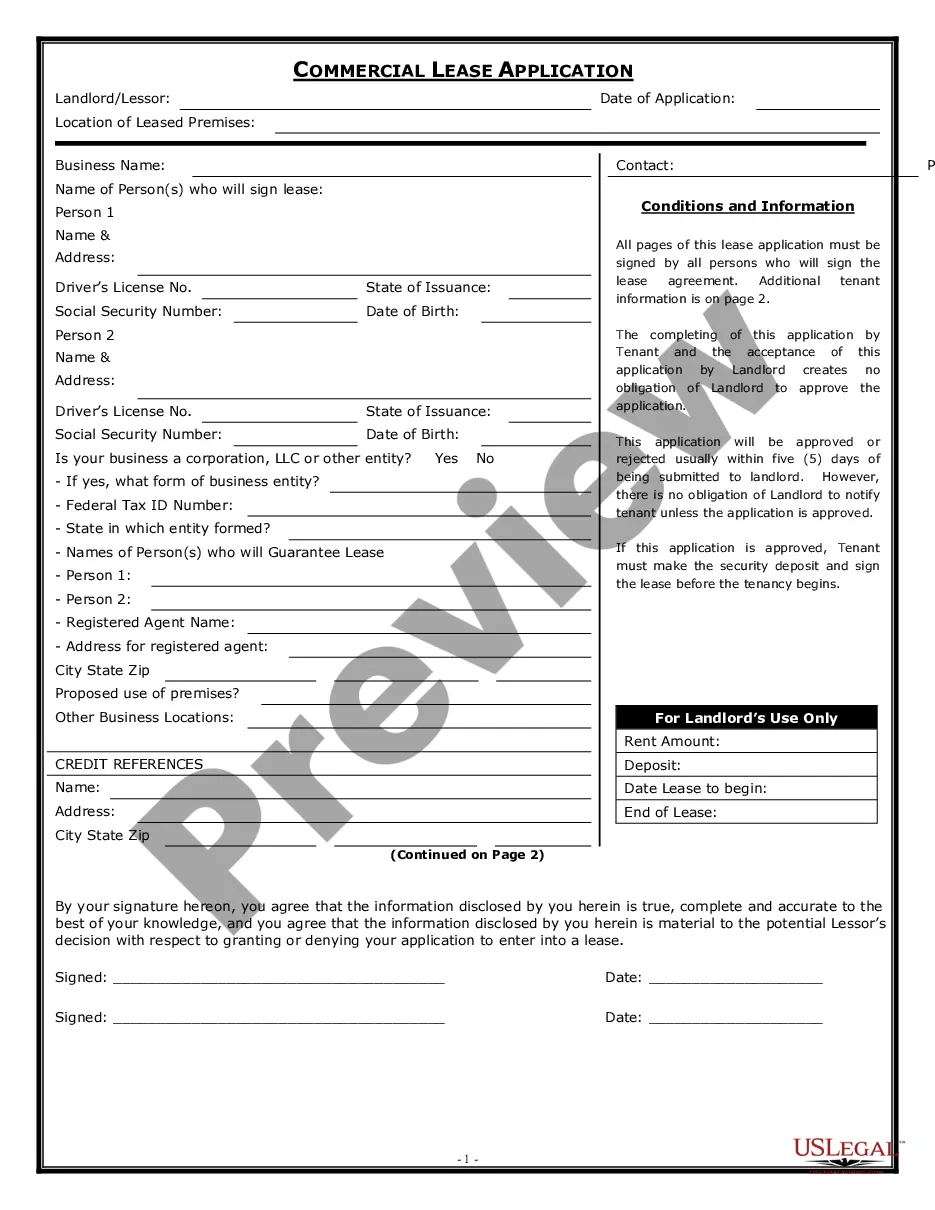




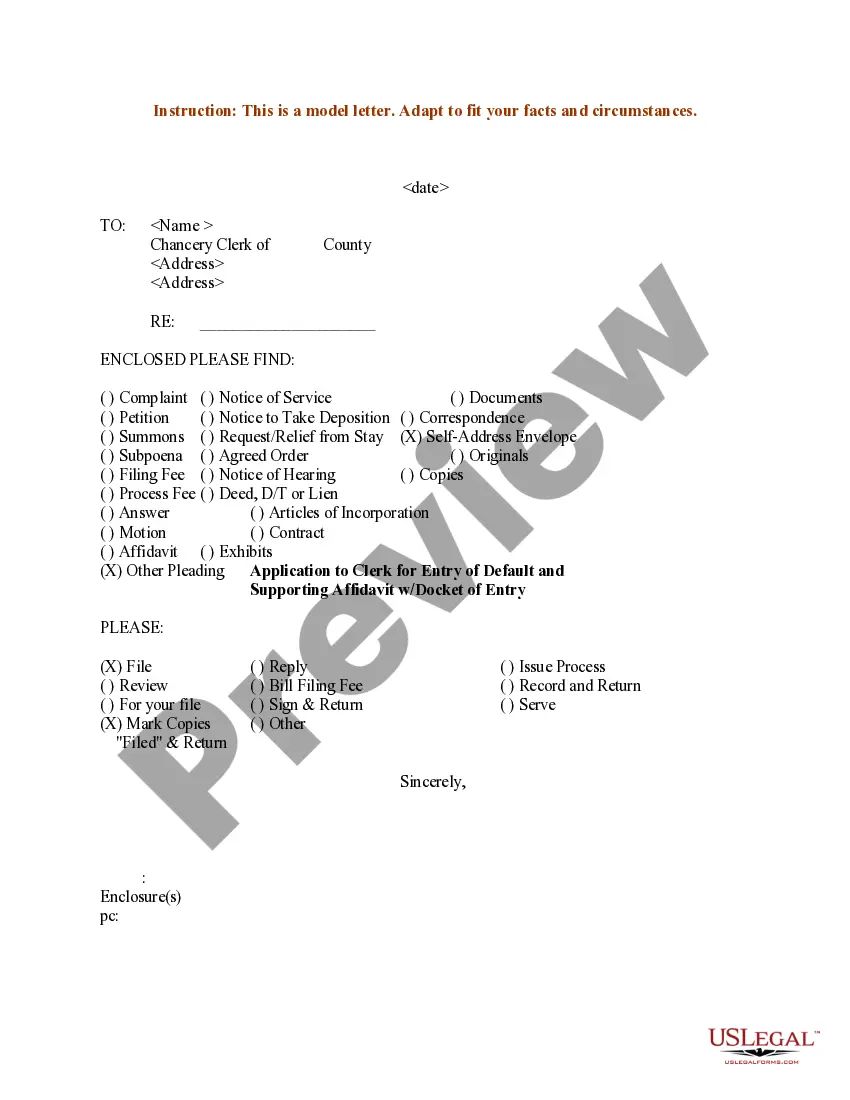

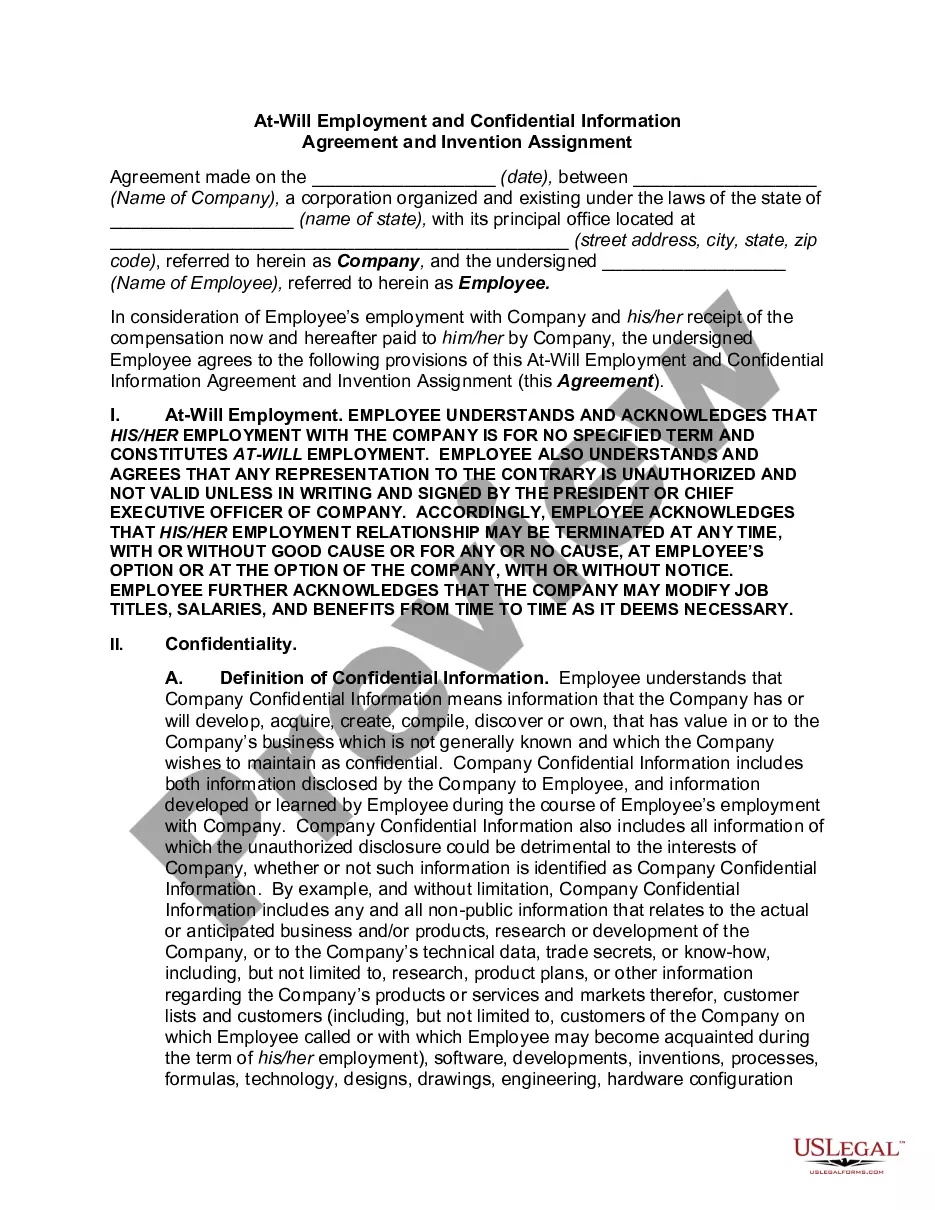

Form popularity
FAQ
How Can I Check If I Have Evictions on Record? Find Your State's Court Data System: Use your state's website to access the court data system. Search Your Name and Aliases: Enter your name and any aliases you have used to see if any evictions appear.
Eviction is a court process for removing tenants and other occupants from rental property. In Illinois, only the county sheriff can perform evictions. The county sheriff must have a valid court order to carry out an eviction. An occupant can take action to stop the eviction process at each step.
What If the Tenant's a No-Show? When tenants don't answer the complaint and don't appear on the court date, the landlord can request the court to enter a default judgment. A default judgment is an order by the court finding in favor of the landlord based solely on the fact that the tenants didn't respond.
It is illegal for a landlord to try to evict a tenant without a court order. This type of eviction is often referred to as a "self-help" or illegal eviction, and it can include such actions as changing the locks or shutting off utilities. (735 Ill. Comp.
Your landlord must notify you in writing that he/she intends to terminate the lease. If you are renting month-to-month, you are entitled to a 30-day written notice. Leases running year-to-year require a 60-day written notice. YOUR LANDLORD DOES NOT HAVE TO GIVE YOU ANY REASON FOR TERMINATING THE LEASE.
O Step 1: Serve the Defendants with written notice. o Step 2: Fill out and file an Eviction Complaint and Eviction Summons. o Step 3: Serve the Eviction Complaint and Eviction Summons on the Defendants. o Step 4: Go to court. o Step 5: Enforce the Eviction Order.
Eviction is a court process for removing tenants and other occupants from rental property. In Illinois, only the county sheriff can perform evictions. The county sheriff must have a valid court order to carry out an eviction. An occupant can take action to stop the eviction process at each step.
New York Eviction Time Estimates ActionDuration Maximum continuance 14 days Issuance of warrant of possession Unspecified Time to quit after writ is posted 14 days Total 1-5 months4 more rows •
Notice Requirements: Landlords in Delaware must provide proper notice before commencing an eviction, which includes a 5-day notice for unpaid rent or a 7-day notice for lease violations.

