Sample Letter To Collect Judgement For Bir In Georgia
Description




Get your form ready online
Our built-in tools help you complete, sign, share, and store your documents in one place.
Make edits, fill in missing information, and update formatting in US Legal Forms—just like you would in MS Word.
Download a copy, print it, send it by email, or mail it via USPS—whatever works best for your next step.
Sign and collect signatures with our SignNow integration. Send to multiple recipients, set reminders, and more. Go Premium to unlock E-Sign.
If this form requires notarization, complete it online through a secure video call—no need to meet a notary in person or wait for an appointment.
We protect your documents and personal data by following strict security and privacy standards.

Make edits, fill in missing information, and update formatting in US Legal Forms—just like you would in MS Word.

Download a copy, print it, send it by email, or mail it via USPS—whatever works best for your next step.

Sign and collect signatures with our SignNow integration. Send to multiple recipients, set reminders, and more. Go Premium to unlock E-Sign.

If this form requires notarization, complete it online through a secure video call—no need to meet a notary in person or wait for an appointment.

We protect your documents and personal data by following strict security and privacy standards.
Looking for another form?

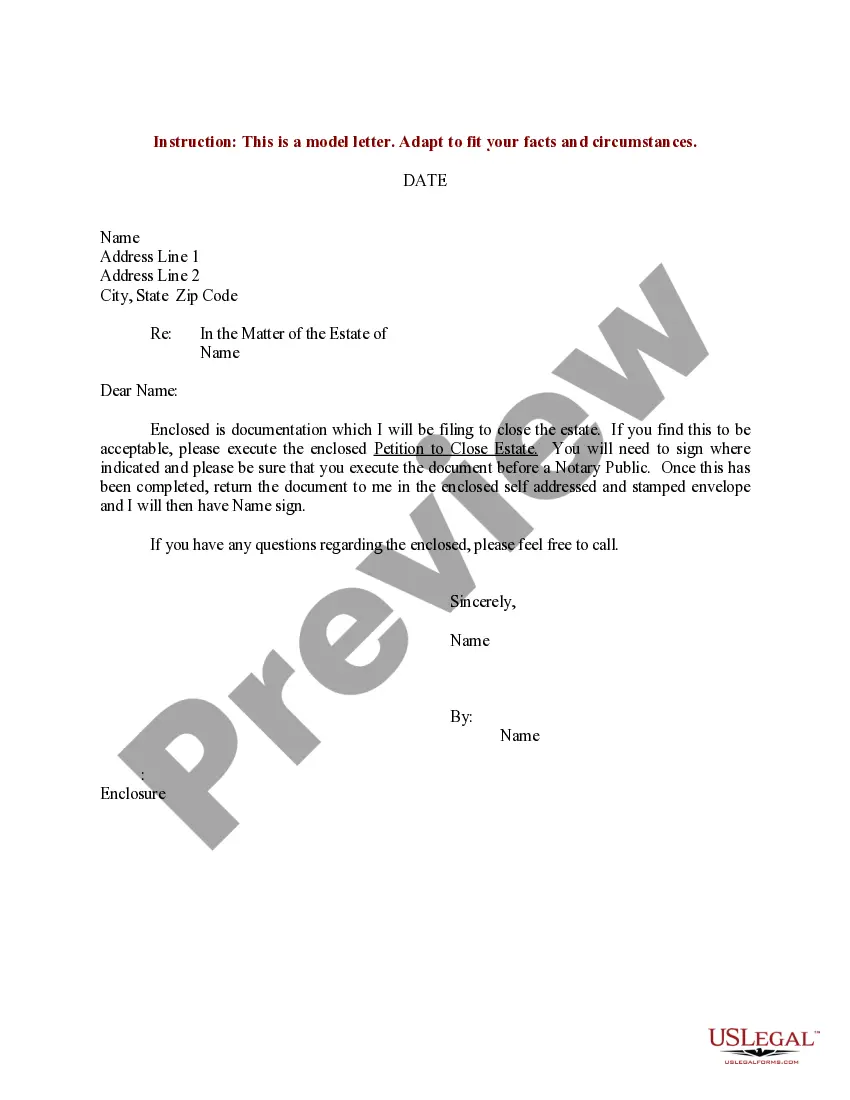


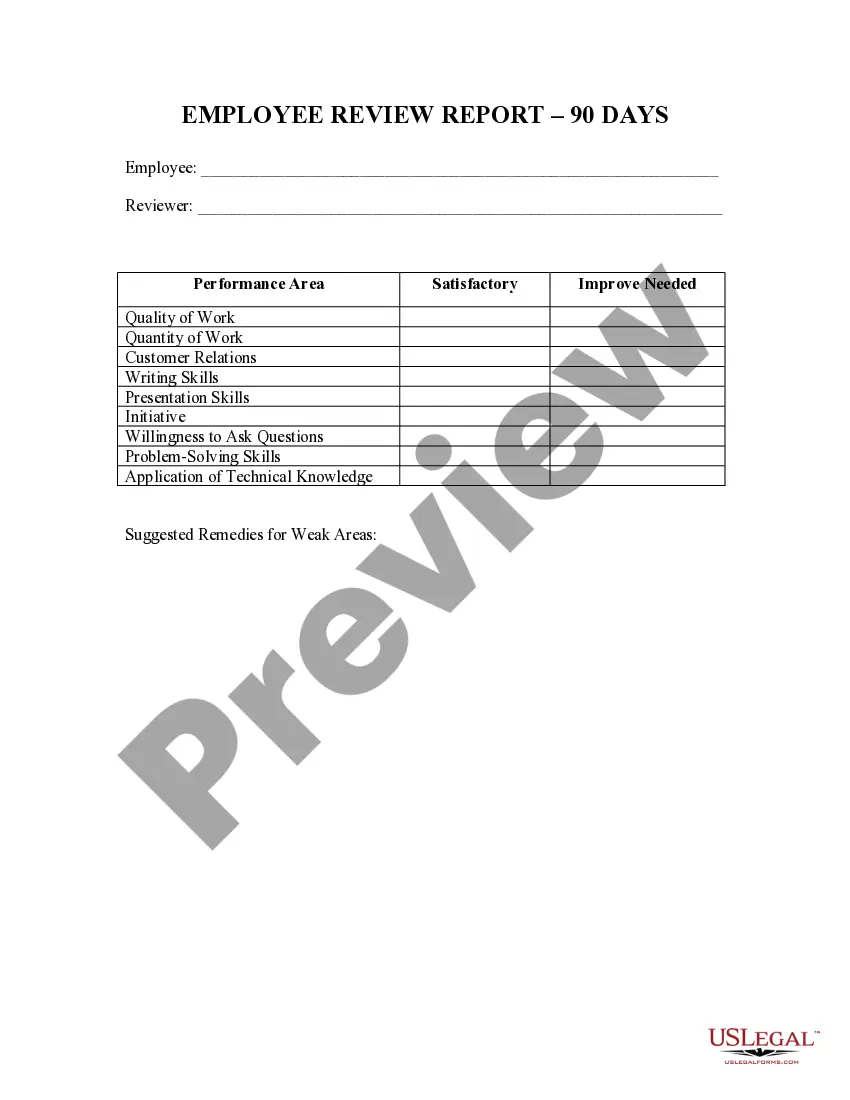
Form popularity
FAQ
``TO WHOM IT MAY CONCERN: This letter serves to inform you that I dispute the validity of this debt. I expect, as a result of my informing you of this dispute, that I will be mailed a copy of verification of this debt. I also request that you provide the name and address of the original creditor.
In fact, it's a bit of a misnomer because the creditor can sue you and get a judgment. But the creditor can't collect on the judgment. So, you can still have a judgment of record against you, but the creditor can't collect on it. However, most creditors won't bother to sue if they know that you're judgment proof.
Dear Creditor: Please provide me with verification of the debt which you state I owe. Please provide me with any records which are in your possession, including, but not limited to, all statements of each account, invoices, and any other documentation which I may have signed.
Some possible options to enforce an out-of-state judgment in California include the following: Levying the debtor's assets and personal belongings. Placing a lien on the debtor's property. Levying the debtor's bank account. Levying the debtor's vehicle. Garnishing the debtor's wages.
Regardless of how the judgment is obtained, there are three main options to consider in attempting to collect on the judgment. Filing a Garnishment. First, a party may pursue a garnishment. Recording a Writ of Fieri Facias. Conducting Post-Judgment Discovery.
The garnishment process often starts after a creditor gets a judgment in court against a debtor. If a creditor gets a judgment against you, the court will send a notice of a wage garnishment to you and to your employer. The notice tells your employer they must withhold a specific amount of your wages.
Include your full name, company name, and mailing address. Address the letter to your client by their full name. State the problem: Specify and provide proof of the debt in question. Reference the original contract or agreement that states the services the client owes you for.
It lasts for a period of 1,095 days and the appropriate sums will be deducted from the judgment debtor's wages on a 30-day recurring basis until the entire judgment amount is collected, or until the expiration of 180 days from the date of service, whichever event shall first occur.
How to fill out the Sample Judgment Proof Letter for Collection Agency? Enter your address at the top of the letter. Fill in the date of writing the letter. Provide the collection agency's name and address. State your income source ensuring it's protected from garnishment.

