Judgement Sample Example In Franklin
Description




Get your form ready online
Our built-in tools help you complete, sign, share, and store your documents in one place.
Make edits, fill in missing information, and update formatting in US Legal Forms—just like you would in MS Word.
Download a copy, print it, send it by email, or mail it via USPS—whatever works best for your next step.
Sign and collect signatures with our SignNow integration. Send to multiple recipients, set reminders, and more. Go Premium to unlock E-Sign.
If this form requires notarization, complete it online through a secure video call—no need to meet a notary in person or wait for an appointment.
We protect your documents and personal data by following strict security and privacy standards.

Make edits, fill in missing information, and update formatting in US Legal Forms—just like you would in MS Word.

Download a copy, print it, send it by email, or mail it via USPS—whatever works best for your next step.

Sign and collect signatures with our SignNow integration. Send to multiple recipients, set reminders, and more. Go Premium to unlock E-Sign.

If this form requires notarization, complete it online through a secure video call—no need to meet a notary in person or wait for an appointment.

We protect your documents and personal data by following strict security and privacy standards.
Looking for another form?

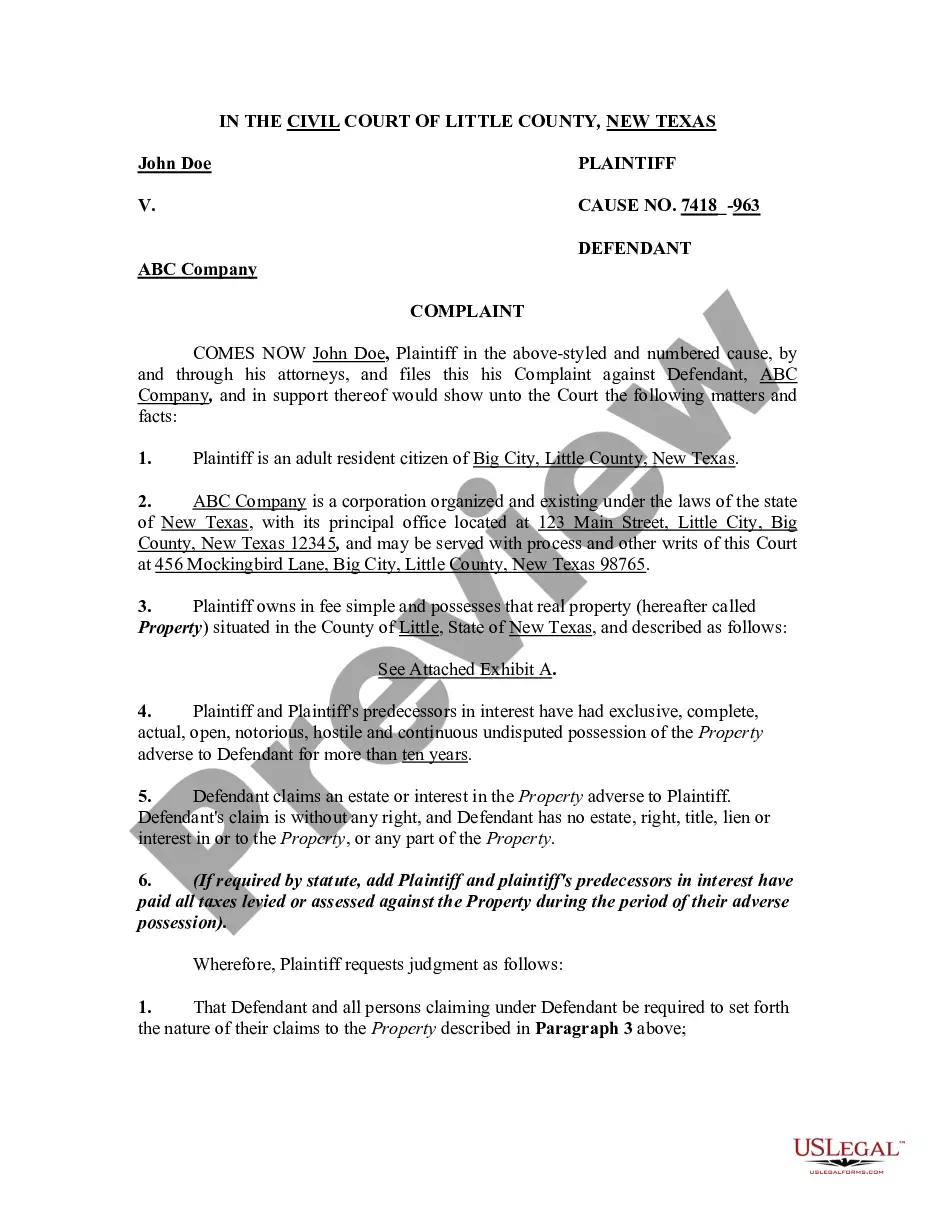
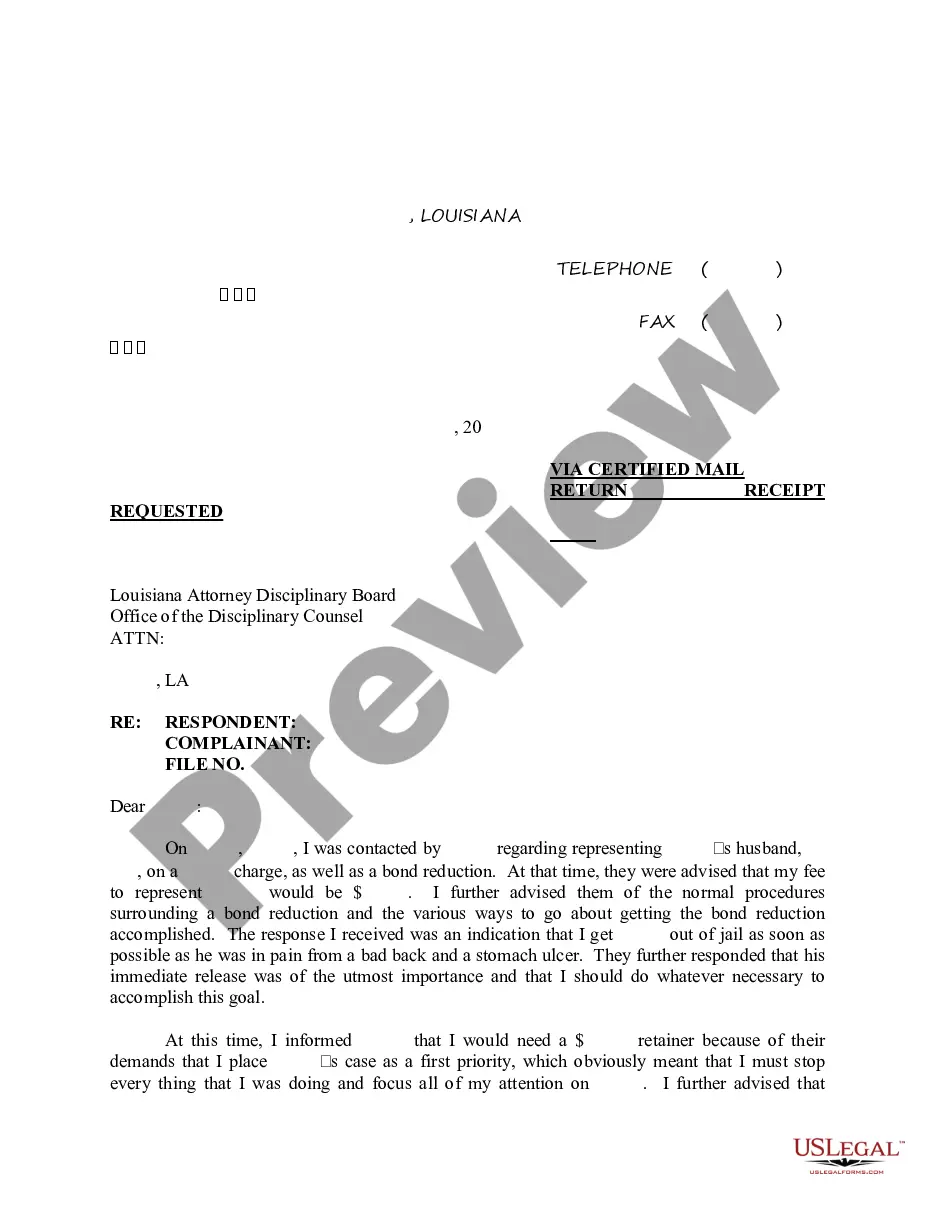

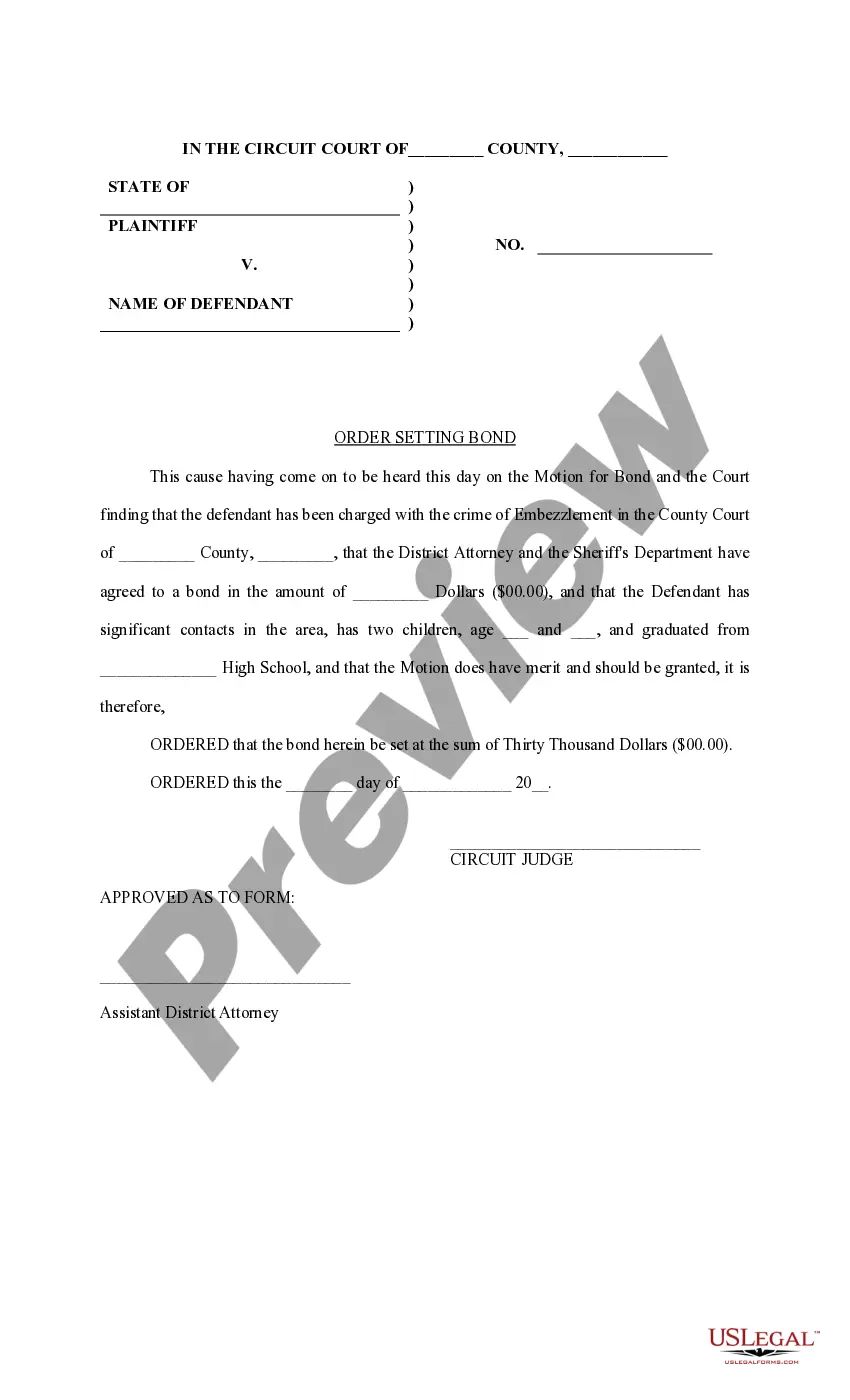





Form popularity
FAQ
The court may correct a clerical mistake or a mistake arising from oversight or omission whenever one is found in a judgment, order, or other part of the record. The court may do so on motion or on its own, with or without notice.
A: Rule 60 of the Rules of Civil Procedure authorizes a section 2255 movant to ask the court for relief from a judgment. Rule 60 differs from Rule 59 in that Rule 60 may be used after the 28 day timeframe for filing a Rule 59(e) motion has run.
60(B) provides in part: On motion and upon such terms as are just, the court may relieve a party or his legal representative from a final judgment, order or proceeding for the follow- ing reasons: (1) mistake, inadvertance, surprise or excusable neglect; (2) newly discovered evidence which by due diligence could not ...
The "Rule of 60" is a guideline often used in retirement plans, where an employee becomes eligible for a pension or early retirement benefits once their age combined with years of service equals 60. This rule aims to reward long-serving employees by allowing them to retire earlier with full or partial benefits.
On motion and upon such terms as are just, the court may relieve a party or his legal representative from a final judgment, order or proceeding for the following reasons: (1) mistake, inadvertence, surprise or excusable neglect; (2) newly discovered evidence which by due diligence could not have been discovered in time ...
Except for motions made during a hearing or during trial, motions are required to be in writing. They must also be filed in court and served on the opposing party's attorney (or the party if not represented by counsel). If the motion is contested, the opposing attorneys will also file papers opposing the motion.
A signed, written request for a continuance must be filed with the Clerk of Court's Civil Division at least ten (10) days before the court date.
Unlike certain criminal records, eviction filings usually cannot be taken off your record – see exceptions listed above. Your eviction case may have been dismissed (and the court record will show that) but the fact that it was filed will remain on your court record.
The 'Judgment Search' segment could be reached at , which encapsulates the features such as search by Bench, Case Type, Case Number, Year, Petitioner/ Respondent Name, Judge Name, Act, Section, Decision: From Date, To Date and Full Text Search.
Some courts have online access for judgments and other court records. If you know which court you were probably sued in, you might be able to track down the judgment that way. If you're looking for a judgment against you, it's usually going to be in the court of the county where you live.

