Sample Of Judgment Writing In Florida
Description




Get your form ready online
Our built-in tools help you complete, sign, share, and store your documents in one place.
Make edits, fill in missing information, and update formatting in US Legal Forms—just like you would in MS Word.
Download a copy, print it, send it by email, or mail it via USPS—whatever works best for your next step.
Sign and collect signatures with our SignNow integration. Send to multiple recipients, set reminders, and more. Go Premium to unlock E-Sign.
If this form requires notarization, complete it online through a secure video call—no need to meet a notary in person or wait for an appointment.
We protect your documents and personal data by following strict security and privacy standards.

Make edits, fill in missing information, and update formatting in US Legal Forms—just like you would in MS Word.

Download a copy, print it, send it by email, or mail it via USPS—whatever works best for your next step.

Sign and collect signatures with our SignNow integration. Send to multiple recipients, set reminders, and more. Go Premium to unlock E-Sign.

If this form requires notarization, complete it online through a secure video call—no need to meet a notary in person or wait for an appointment.

We protect your documents and personal data by following strict security and privacy standards.
Looking for another form?





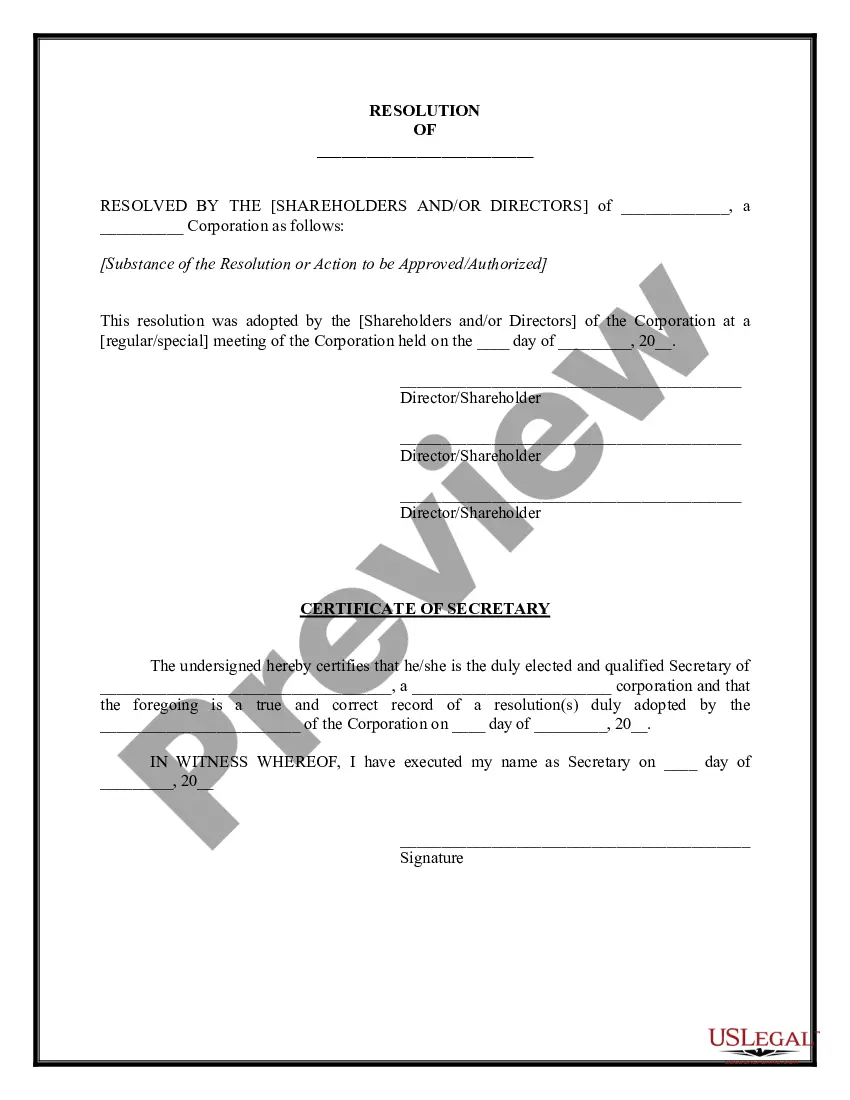
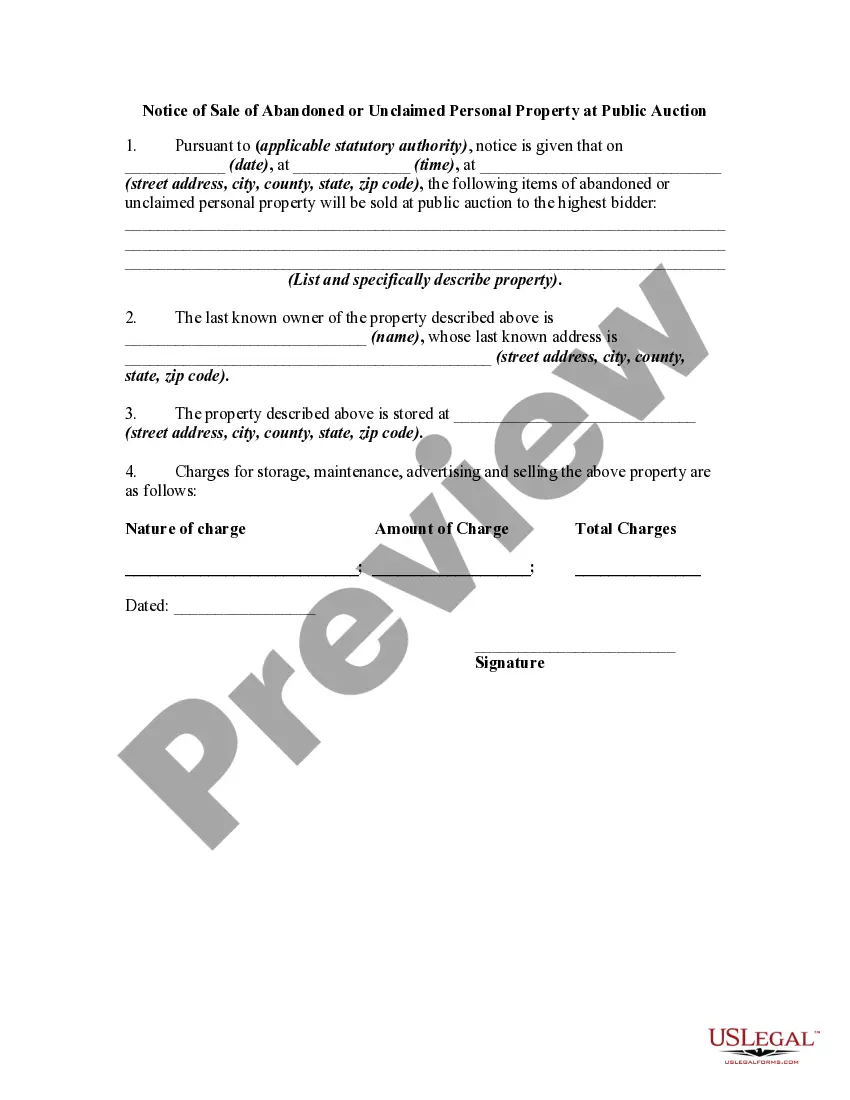



Form popularity
FAQ
“To plead a claim for declaratory relief in Florida, a plaintiff must plead facts to show: (1) there is a bona fide, actual, present practical need for the declaration; (2) that the declaration deals with a present, ascertained or ascertainable state of facts or present controversy; (3) that some right or privilege of ...
1) Understand the prompt/question. 2) Restate the Question in your answer. 3) Provide a general answer to prompt/question. 4) Go back into the text to find evidence of your answer. 5) Provide text evidence to support your answer. 6) Wrap up your response with the final piece of information to support your answer.
Your answer should include the court name, case name, case number, and your affirmative defenses. Print three copies of your answer. File one with the clerk's office and mail (or “serve”) one to the plaintiff or plaintiff's attorney. The plaintiff is the debt collector, creditor, or law firm suing you.
In some instances, a declaratory judgment is filed because the statute of limitations against a potential defendant may pass before the plaintiff incurs damage (for example, a malpractice statute applicable to a certified public accountant may be shorter than the time period the IRS has to assess a taxpayer for ...
A common summary of the rules for setting aside (excusing) a default is frequently quoted by Florida appellate courts: A party attempting to set aside a clerk's default must demonstrate excusable neglect, a meritorious defense, and due diligence in order for the trial court to vacate the default.
The original, with any attachments, goes to the Clerk of the Court where the lawsuit was filed. Look at the top of the summons to see if it was filed in the County or Circuit Civil Court. Once your original is filed, the court will keep you advised of all hearings so that you can continue with your defense.
Answering the lawsuit can be as simple as drafting a document and writing 'admit' or 'deny' or “without knowledge” in correlation to each numbered paragraph in the summons. Your answer to the lawsuit must address every allegation individually.
Your answer must be in writing and must be filed (received) on time with the Clerk of Courts at the Courthouse of the County listed at the top of the Summons (For example, Duval County Courthouse, etc.).
– The 2021 Rule required that the Motion for Summary Judgment (“MSJ”) be served at least 40 days before the hearing, with responses due 20 days before the hearing. No specific deadline for replies was set. – Under the 2025 amendment, the Rule eliminates any reference to a hearing.
Under amended Rule 1.510(c)(5), the nonmovant must serve a response that includes the nonmovant's supporting factual position, "no later than 60 days after service of the motion for summary judgment." The Supreme Court's opinion notes that this amendment "will help ensure adherence to the deadlines set forth in the ...

