Notice Judgment Lien Form With Decimals In Chicago
Description




Get your form ready online
Our built-in tools help you complete, sign, share, and store your documents in one place.
Make edits, fill in missing information, and update formatting in US Legal Forms—just like you would in MS Word.
Download a copy, print it, send it by email, or mail it via USPS—whatever works best for your next step.
Sign and collect signatures with our SignNow integration. Send to multiple recipients, set reminders, and more. Go Premium to unlock E-Sign.
If this form requires notarization, complete it online through a secure video call—no need to meet a notary in person or wait for an appointment.
We protect your documents and personal data by following strict security and privacy standards.

Make edits, fill in missing information, and update formatting in US Legal Forms—just like you would in MS Word.

Download a copy, print it, send it by email, or mail it via USPS—whatever works best for your next step.

Sign and collect signatures with our SignNow integration. Send to multiple recipients, set reminders, and more. Go Premium to unlock E-Sign.

If this form requires notarization, complete it online through a secure video call—no need to meet a notary in person or wait for an appointment.

We protect your documents and personal data by following strict security and privacy standards.
Looking for another form?



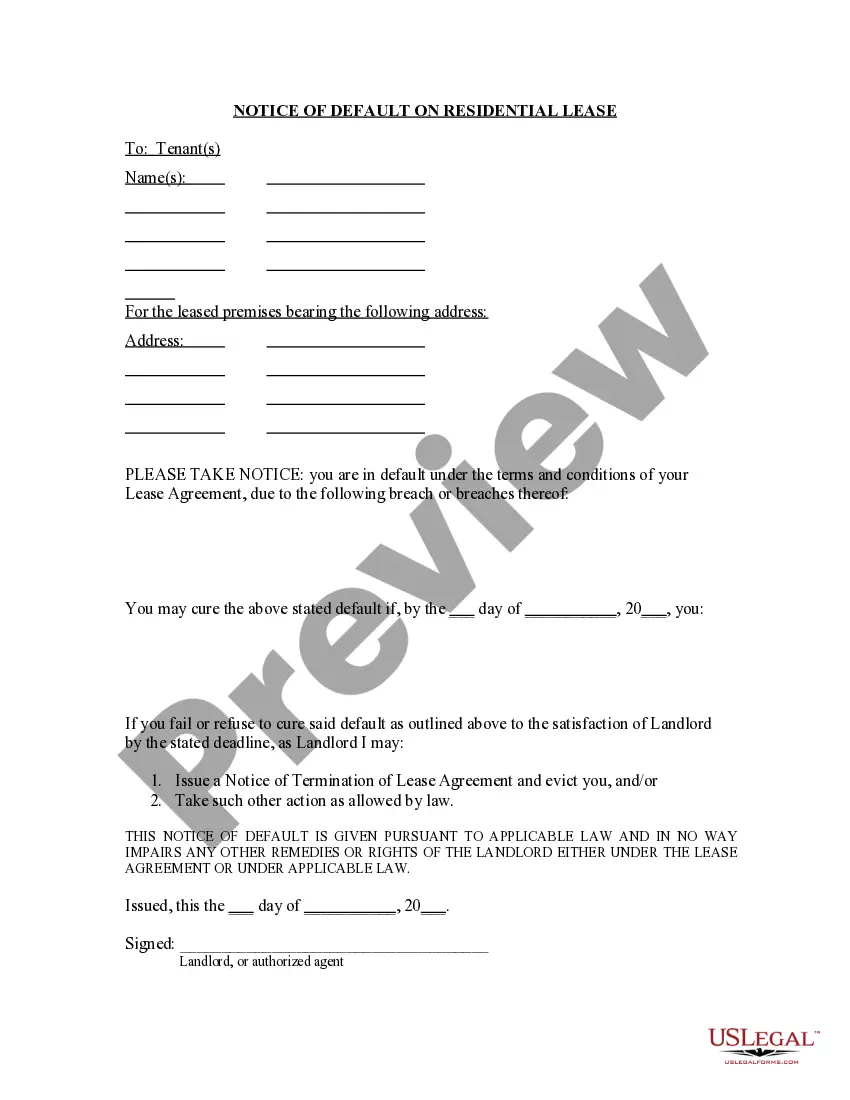



Form popularity
FAQ
A lien attaches to real estate that you own. In Illinois, a court judgment must first be recorded with the Recorder of Deeds in the county where the property is located. The creditor must record the judgment even if the property is located in the same county where the judgment was entered.
How does a creditor go about getting a judgment lien in Illinois? To attach a lien, if the debtor's property is located in the same county where the judgment was entered, the creditor files the judgment with the county recorder.
Enforcement proceedings (also known as collection actions) to collect judgments are governed primarily by 735 ILCS 5/2-1402. This statute provides three main tools for enforcing and collecting judgments: (1) the Citation to Discover Assets; (2) wage garnishment proceedings; and (3) non-wage garnishment proceedings.
Record the claim for lien with the county recorder within 4 months of the last date of furnishing. Send copy of recorded lien to the owner if the work was done on a single family owner occupied residence. File a lawsuit suit to enforce lien within 2 years of the last date of furnishing.
In Illinois, a judgment from an Illinois state court, or a federal court located in Illinois, becomes a lien on real property only after a transcript, certified copy, or memorandum of the judgment is recorded at the office of the county recorder in the county where the property is located.
Creditors typically acquire property liens through your voluntary consent. On the other hand, creditors get judgment liens after winning a lawsuit against you for a debt you owe.
The notice should be sent registered or certified mail return receipt requested with delivery restricted to the addressee, only. It can also be done by personal delivery – but it's important to generate some proof or documentation that the notice was properly delivered.
Illinois sets a rule that filing a mechanics lien must be at the latest within four months after the completion of work provided to be good against the owner, any lien claimants or subsequent owners.

