Judgment Against Property For Nri In Alameda
Description




Get your form ready online
Our built-in tools help you complete, sign, share, and store your documents in one place.
Make edits, fill in missing information, and update formatting in US Legal Forms—just like you would in MS Word.
Download a copy, print it, send it by email, or mail it via USPS—whatever works best for your next step.
Sign and collect signatures with our SignNow integration. Send to multiple recipients, set reminders, and more. Go Premium to unlock E-Sign.
If this form requires notarization, complete it online through a secure video call—no need to meet a notary in person or wait for an appointment.
We protect your documents and personal data by following strict security and privacy standards.

Make edits, fill in missing information, and update formatting in US Legal Forms—just like you would in MS Word.

Download a copy, print it, send it by email, or mail it via USPS—whatever works best for your next step.

Sign and collect signatures with our SignNow integration. Send to multiple recipients, set reminders, and more. Go Premium to unlock E-Sign.

If this form requires notarization, complete it online through a secure video call—no need to meet a notary in person or wait for an appointment.

We protect your documents and personal data by following strict security and privacy standards.
Looking for another form?
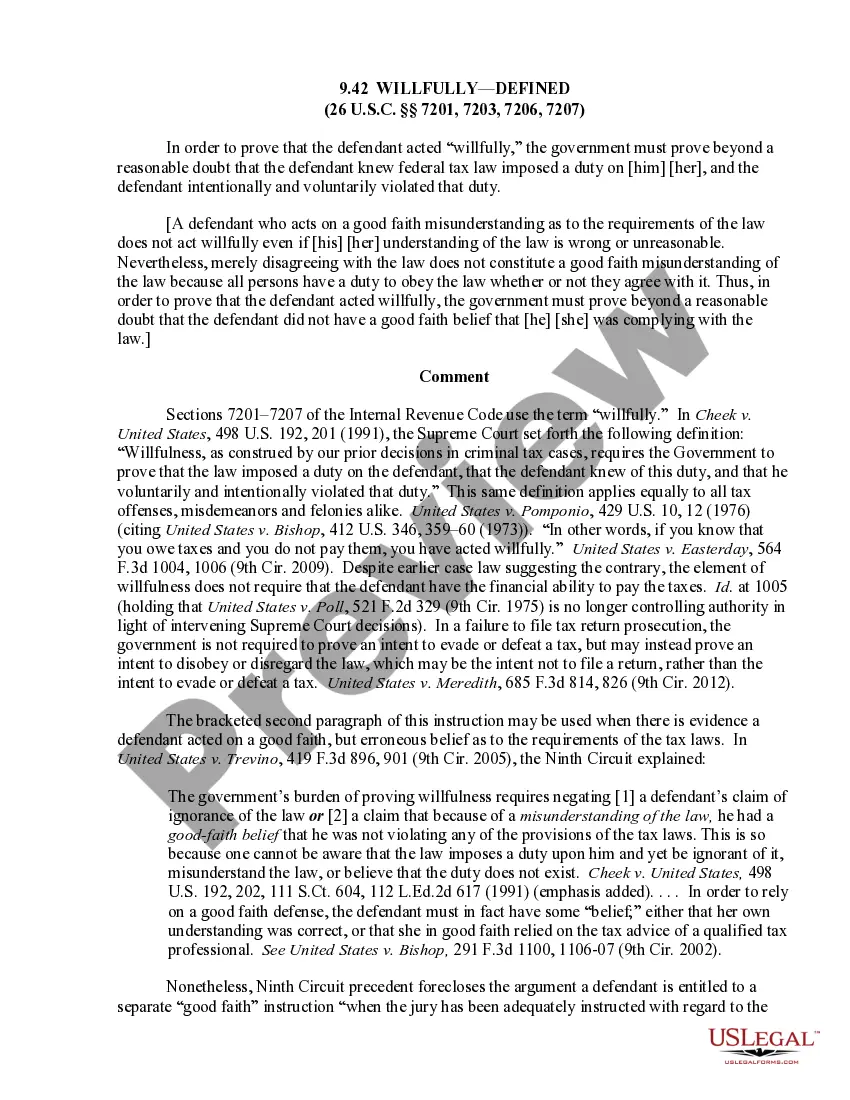

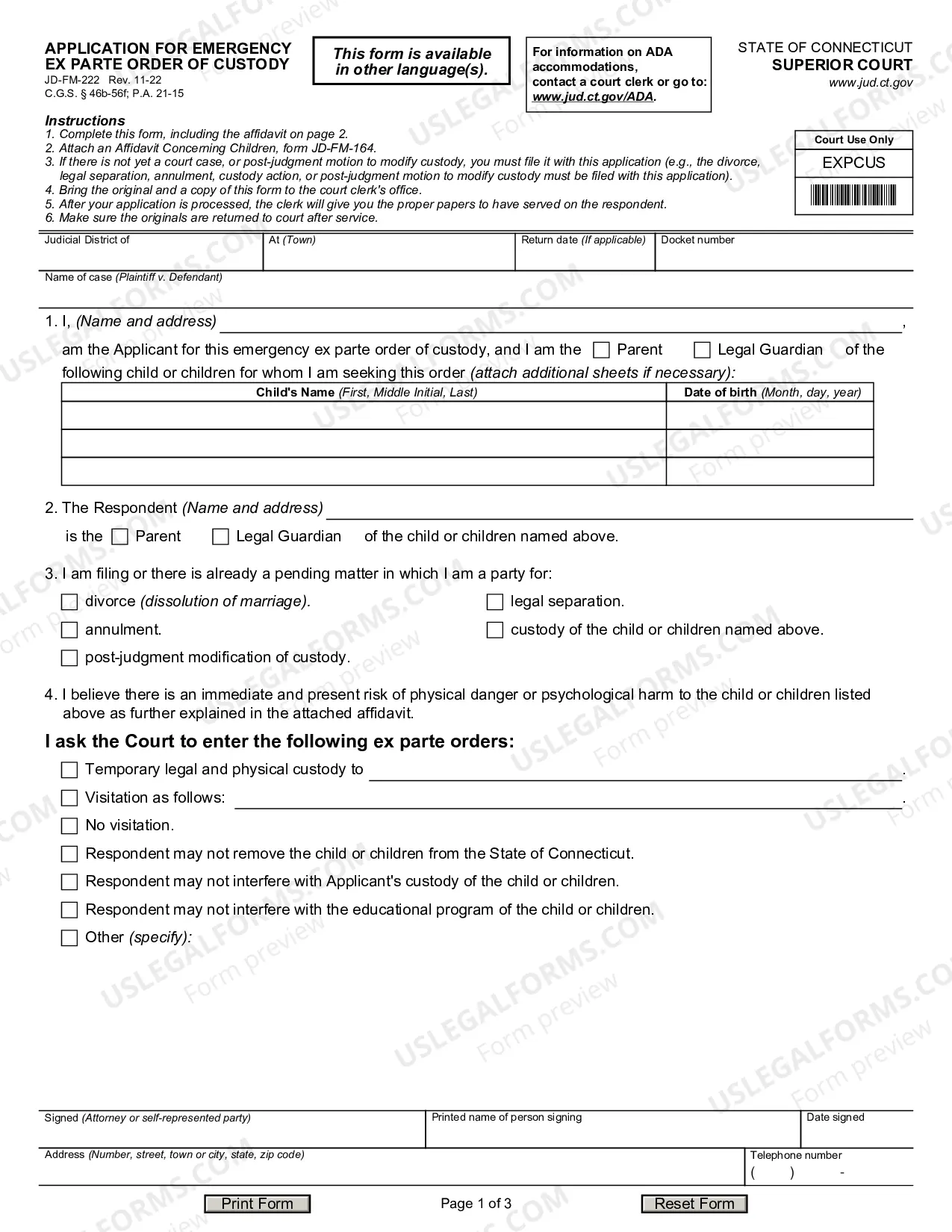



Form popularity
FAQ
Under California law, debt collectors have the right to place a lien on a person's home once they get a judgment. California law then lets the debt collector force the sale of a person's home to collect the judgment, even if that property is the debtor's only home.
Most judgments (the court order saying what you're owed) expire in 10 years. This means you can't collect on it after 10 years. To avoid this, you can ask the court to renew it. A renewal lasts 10 years.
A credit card provider cannot simply place and lien and take possession of your home. Instead, they first need to sue you for the unpaid credit card debt and receive a judgment in their favor. Once they have that judgment, they can move forward with claiming your assets, which involves putting a lien on your house.
A property owner can choose to place a lien on their property. A voluntary lien is a claim over the property that a homeowner agrees to give to a creditor as security for the payment of a debt. A mortgage lien is the most common type of voluntary real estate lien, also called a deed of trust lien in some states.
An involuntary lien can occur without your knowledge, depending on the circumstances. A creditor often places a judgment lien after suing you and winning the case.
To register a foreign judgment, one must file a new California lawsuit. If the California court recognizes the decision from the foreign court, it will issue an essentially identical judgment. Therefore, the California court does not have to rehash the substantive issues of the foreign lawsuit.
To do this, fill out an EJ-001 Abstract of Judgment form and take it to the clerk's office. After the clerk stamps it, record it at the County Recorder's Office in the county where the property is located. Place a lien on a business.
File a Motion with the Court: If a party fails to comply with the terms of the agreement, the other party can file a motion with the court under CCP Section 664.6. This motion requests the court to enforce the agreement as per its terms.
Most judgments (the court order saying what you're owed) expire in 10 years. This means you can't collect on it after 10 years. To avoid this, you can ask the court to renew it. A renewal lasts 10 years.
How to ask for a default Fill out request for default. Request for Entry of Default (form CIV-100) ... If ready, also fill out forms to ask for a judgement. Judgment (form JUD-100) ... Mail copies to the defendant. Make at least 2 copies of everything. File forms. Bring the Request for Default to the court clerk.

