Corporate Refusal Form Dental In Sacramento
Description
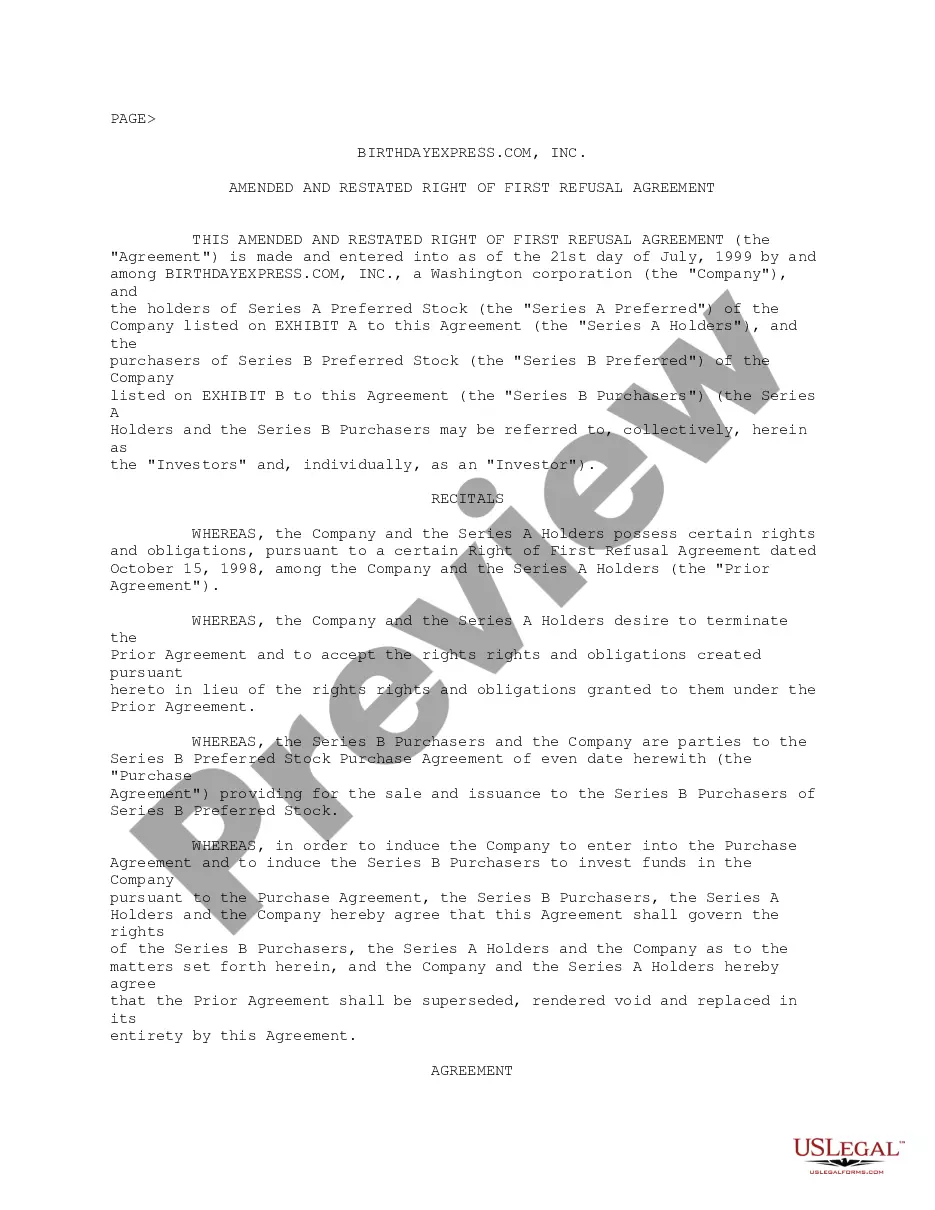
Get your form ready online
Our built-in tools help you complete, sign, share, and store your documents in one place.
Make edits, fill in missing information, and update formatting in US Legal Forms—just like you would in MS Word.
Download a copy, print it, send it by email, or mail it via USPS—whatever works best for your next step.
Sign and collect signatures with our SignNow integration. Send to multiple recipients, set reminders, and more. Go Premium to unlock E-Sign.
If this form requires notarization, complete it online through a secure video call—no need to meet a notary in person or wait for an appointment.
We protect your documents and personal data by following strict security and privacy standards.

Make edits, fill in missing information, and update formatting in US Legal Forms—just like you would in MS Word.

Download a copy, print it, send it by email, or mail it via USPS—whatever works best for your next step.

Sign and collect signatures with our SignNow integration. Send to multiple recipients, set reminders, and more. Go Premium to unlock E-Sign.

If this form requires notarization, complete it online through a secure video call—no need to meet a notary in person or wait for an appointment.

We protect your documents and personal data by following strict security and privacy standards.
Looking for another form?






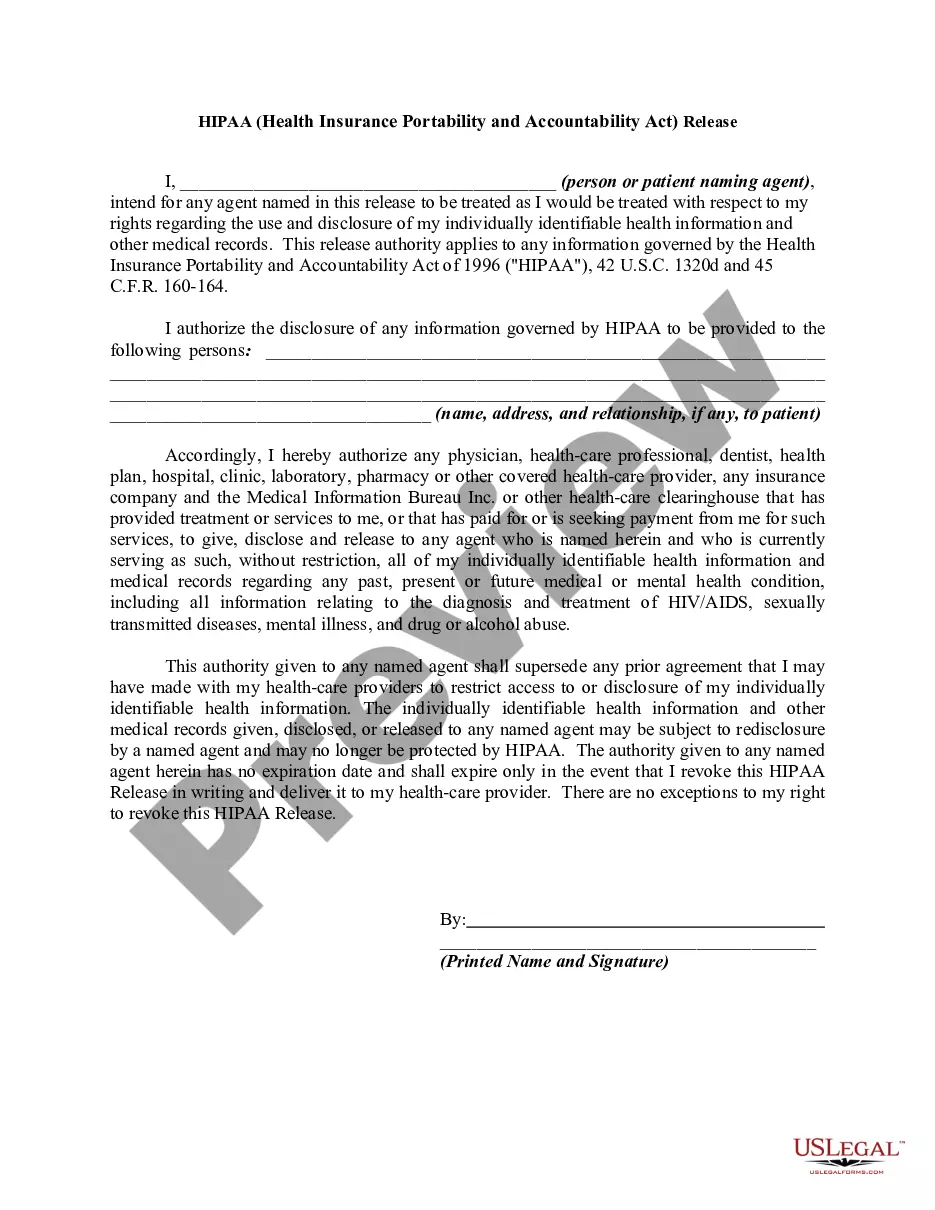


Form popularity
FAQ
I, ___________________________________________, hereby voluntarily consent to the rendering of such care, including diagnostic procedures, surgical and medical treatment and blood transfusions, by medical doctors, hospitals or their authorized designees, as may in their professional judgement be necessary to provide ...
Dental clearance is communication between a healthcare provider and a patient's dentist to validate that planned medical/surgical treatment is safe for the patient and to review the potential need for dental treatment before the medical/surgical treatment.
Views: The FP17PR form is the form a patient signs to consent to treatment. View an example FP17PR form on the NHS Dental Services website. An FP17PR form must be completed for each course of NHS dental treatment.
HIPAA Compliance. A patient consent form is a legal document used to obtain a patient's permission or consent for specific actions or procedures related to their healthcare. When dealing with protected health information (PHI), dental practices must evaluate patient consent practices to remain HIPAA compliant.
How do I format a consent letter? Start with a clear title, followed by the sender's contact information, date, recipient's contact information, a clear statement of consent, relevant details, and a signature.
Be Honest and Direct: Explain your reasons for wanting to refuse the treatment. You might say something like: - ``I've been thinking about the crown treatment, and I've decided I would like to withdraw my consent. I appreciate your recommendation, but I have some reservations.''
The consent form should describe if/when identifiable data will be destroyed and how such data will be protected and how it will be used or shared. Language - Consent forms should be written in the 2nd person (i.e., "you are") and in a language that is clear, concise, and understandable to the subject population.
Informed refusal may indicate that you and the patient have different values and expectations. Consider whether it would be best if that patient is dismissed from the practice and referred to another dentist. Example: the patient who refuses a radiograph you believe essential to proper diagnosis and treatment.
If they continue to refuse, you dismiss the patient. Issues such as a lost tooth due to periodontal issues stemming from consistent patient refusal of appropriate treatment is supervised neglect. No waiver will protect the office from that. You can rightly refuse to undertreat the patient.
Just as the patient has a right to refuse any treatment, the dentist has the right to refuse any treatment. As a practicing dentist, I will give the patient the options that I feel are viable, and if they aren't convinced, I will refer them. I have a lot more content patients that way.