Mississippi Marital Domestic Separation and Property Settlement Agreement no children
Overview of this form
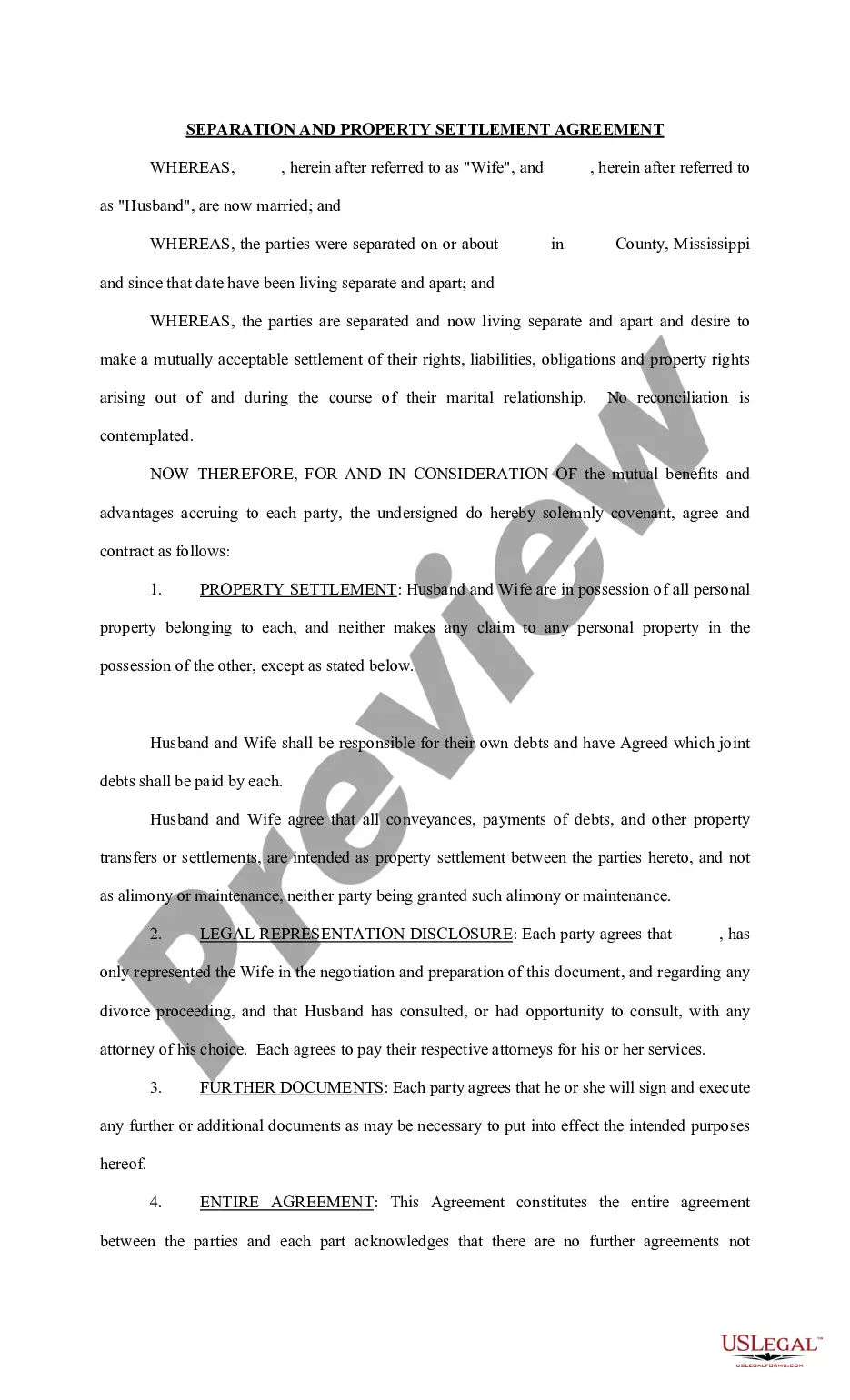
The Marital Domestic Separation and Property Settlement Agreement (No Children) is a legal document designed to formalize the division of assets and debts between spouses who are separating and do not have children. This agreement is distinct from similar forms used by couples with children, as it focuses solely on property settlement without addressing child custody or support issues. It lays out the terms agreed upon by both parties, ensuring a fair and mutual understanding prior to finalizing the divorce.
What’s included in this form
- Allocation of marital assets and debts between the parties.
- Clauses for signing and executing further necessary documents.
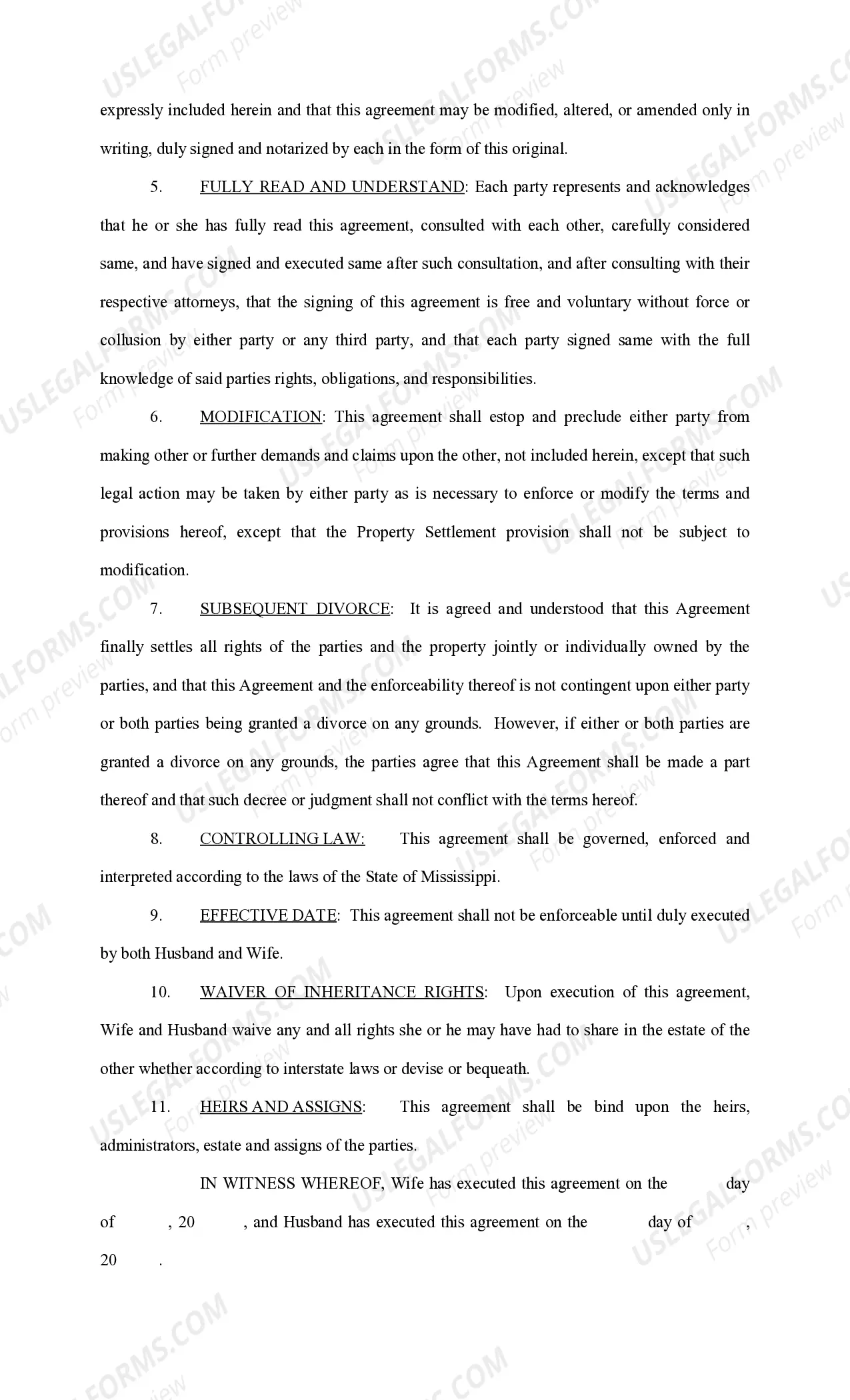
- Statement of the entire agreement and how it can be modified.
- Confirmation that both parties fully understand the agreement.
- Provisions related to inheritance rights and binding effects on heirs.
Situations where this form applies
This form should be used when a married couple decides to separate and finalize their property arrangements before obtaining a divorce, especially when no children are involved. It is particularly useful for couples who want to clearly define the distribution of their marital assets and liabilities, helping to prevent disputes in the future.
Who can use this document
- Couples who are married but want to separate without any children.
- Individuals looking to establish a legally binding agreement regarding the division of property.
- Parties who wish to reduce potential conflicts during the divorce process by formalizing their agreements.
How to complete this form
- Identify the parties involved in the agreement (spouses).
- Clearly state the mutual agreements regarding the division of property and debts.
- Review and confirm that both parties fully understand the terms outlined in the document.
- Sign and date the agreement in front of a notary (if required by local law).
- Ensure each party receives a copy of the signed agreement for their records.
Does this form need to be notarized?
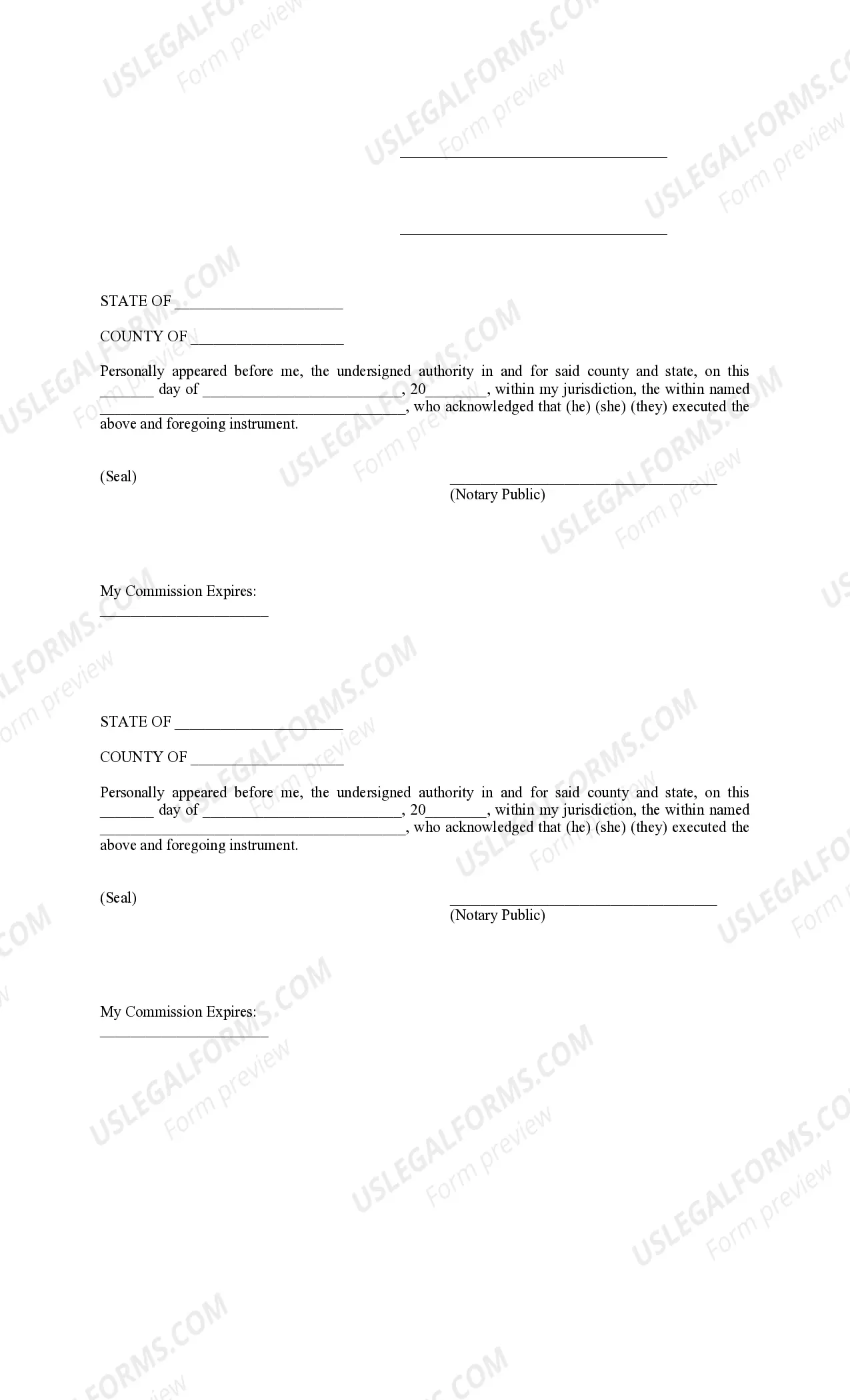
This form must be notarized to be legally valid. US Legal Forms provides secure online notarization powered by Notarize, allowing you to complete the process through a verified video call.
Get your form ready online
Our built-in tools help you complete, sign, share, and store your documents in one place.
Make edits, fill in missing information, and update formatting in US Legal Forms—just like you would in MS Word.
Download a copy, print it, send it by email, or mail it via USPS—whatever works best for your next step.
Sign and collect signatures with our SignNow integration. Send to multiple recipients, set reminders, and more. Go Premium to unlock E-Sign.
If this form requires notarization, complete it online through a secure video call—no need to meet a notary in person or wait for an appointment.
We protect your documents and personal data by following strict security and privacy standards.

Make edits, fill in missing information, and update formatting in US Legal Forms—just like you would in MS Word.

Download a copy, print it, send it by email, or mail it via USPS—whatever works best for your next step.

Sign and collect signatures with our SignNow integration. Send to multiple recipients, set reminders, and more. Go Premium to unlock E-Sign.

If this form requires notarization, complete it online through a secure video call—no need to meet a notary in person or wait for an appointment.

We protect your documents and personal data by following strict security and privacy standards.
Common mistakes to avoid
- Failing to include all assets and debts in the agreement.
- Not understanding the terms before signing.
- Neglecting to have the agreement notarized, if required.
- Assuming the agreement is flexible without written amendments.
Advantages of online completion
- Convenient access to up-to-date legal forms 24/7.
- Downloadable in multiple formats, allowing for easy editing and filling out.
- Ensures reliability by providing forms drafted by licensed attorneys.
- Saves time and resources by avoiding the need for in-person consultations.
Legal use & context
- This agreement settles all rights of the parties concerning property ownership.
- It is enforceable regardless of the divorce outcome, meaning it can remain valid even if the divorce proceedings are complicated.
- Should be clear about all terms to avoid future legal disputes.
What to keep in mind
- The agreement is essential for couples separating without children to settle property matters legally.
- It serves to protect both parties' rights and clarify asset division.
- Understanding and agreeing to the terms is crucial before signing.
Looking for another form?

Form popularity
FAQ
Some people wonder if they can save even more by money by writing their own settlement agreement and not seeking the help of a divorce attorney at all. While there is no legal requirement that you have a lawyer draft your settlement agreement, it is certainly a good idea to do so.
A fair settlement should include ample parenting time for each parent. An equitable visitation agreement may not give parents equal custodial time, but it should provide for frequent and continuing contact with each parent.
Make sure you have all of the basic information and divorce forms you need according to the divorce laws in your state. Make sure you have all of the personal information you need. Include a statement that you and the other party are in agreement with the contents of the document.
A detailed parenting-time scheduleincluding holidays! Specifics about support. Life insurance. Retirement accounts and how they will be divided. A plan for the sale of the house.
Mississippi does not recognize legal separation, so spouses who no longer wish to live together must file either divorce or Separate Maintenance. In Separate Maintenance, the court determines child custody, insurance, debts and the use of the home and vehicles.
#1. Start with the Basics. #2. Include the Details. #3. Confirm Your Agreement. #4. Identify and Divide Assets and Debts. #5. Create a Parenting Plan for Custody and Visitation. #6. Agree on Child Support and Spousal Support (Alimony) #7. Polishing Your Agreement. Conclusion.
You need to have your written agreement notarized. Make sure, when you sign the agreement, that you understand everything you are agreeing to. This type of agreement is often called a marital settlement agreement or MSA.
Marital Settlement Agreements, reached between the parties in writing and signed by the parties, become legally binding when approved by the court at the time of the final court hearing.Once approved by the court, such post judgment stipulations do become legally binding and enforceable between the parties.