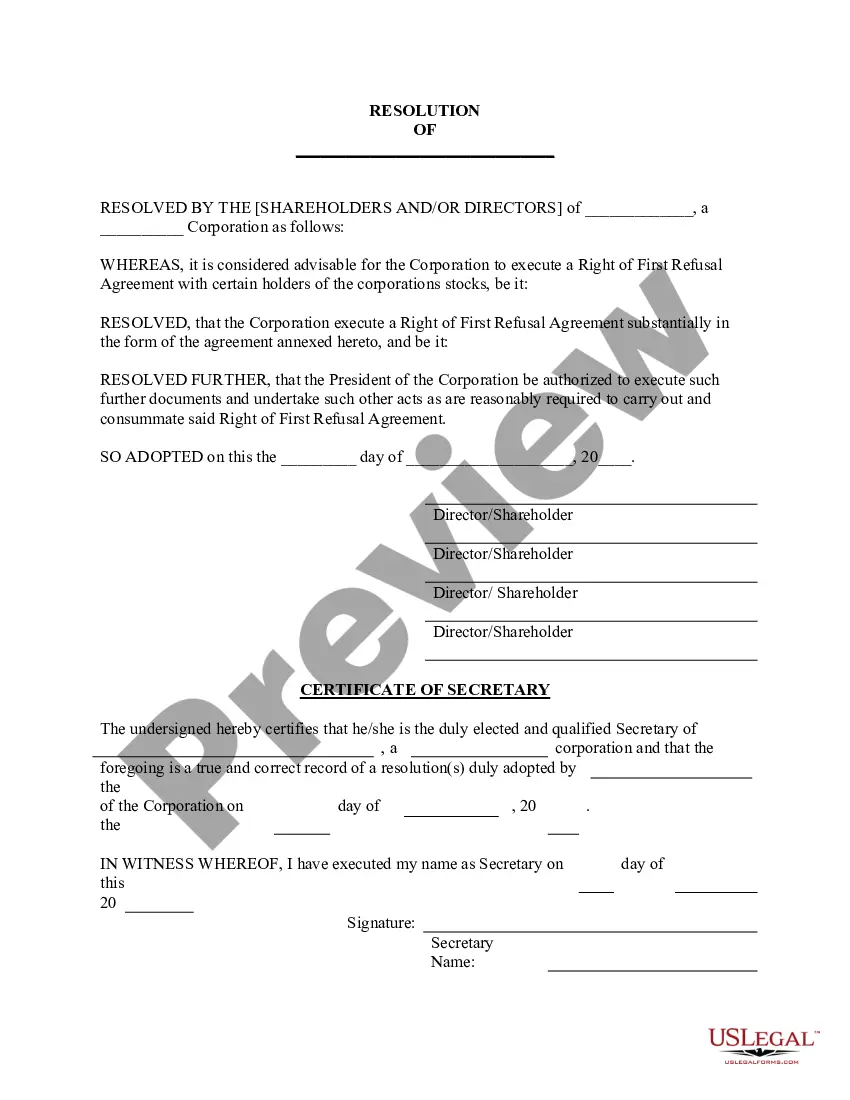
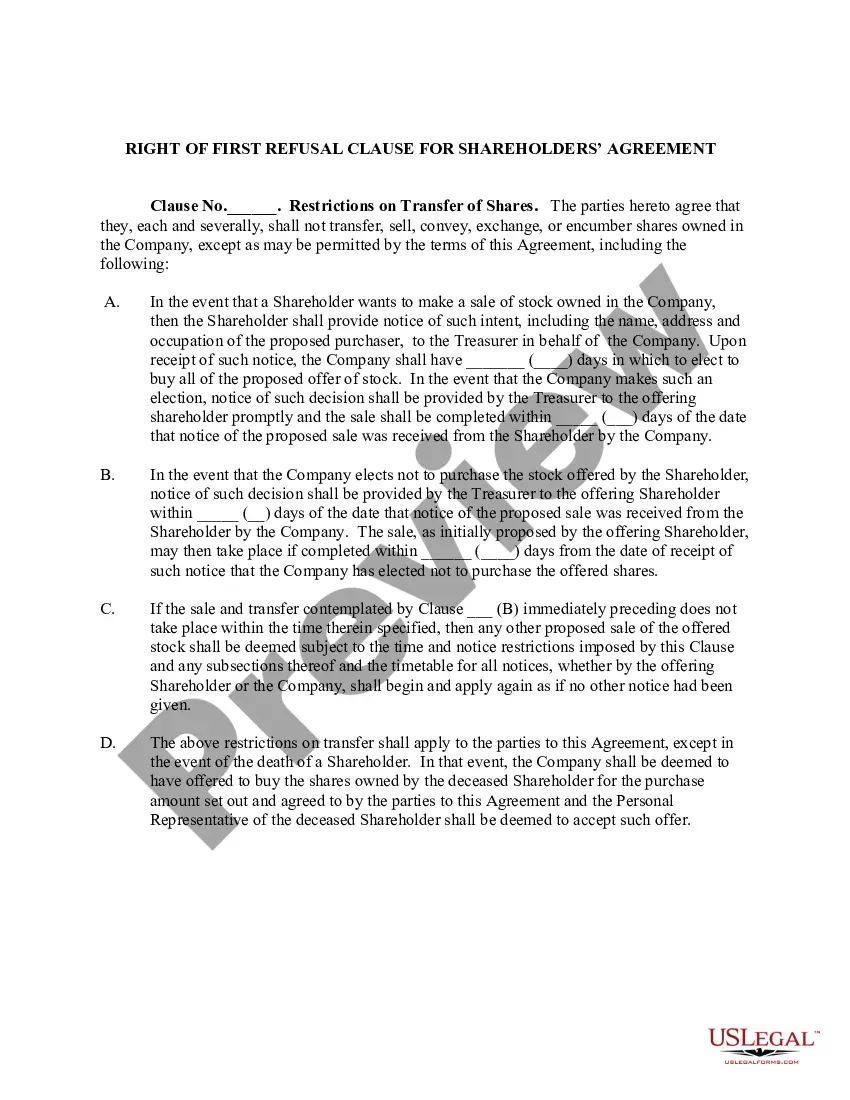
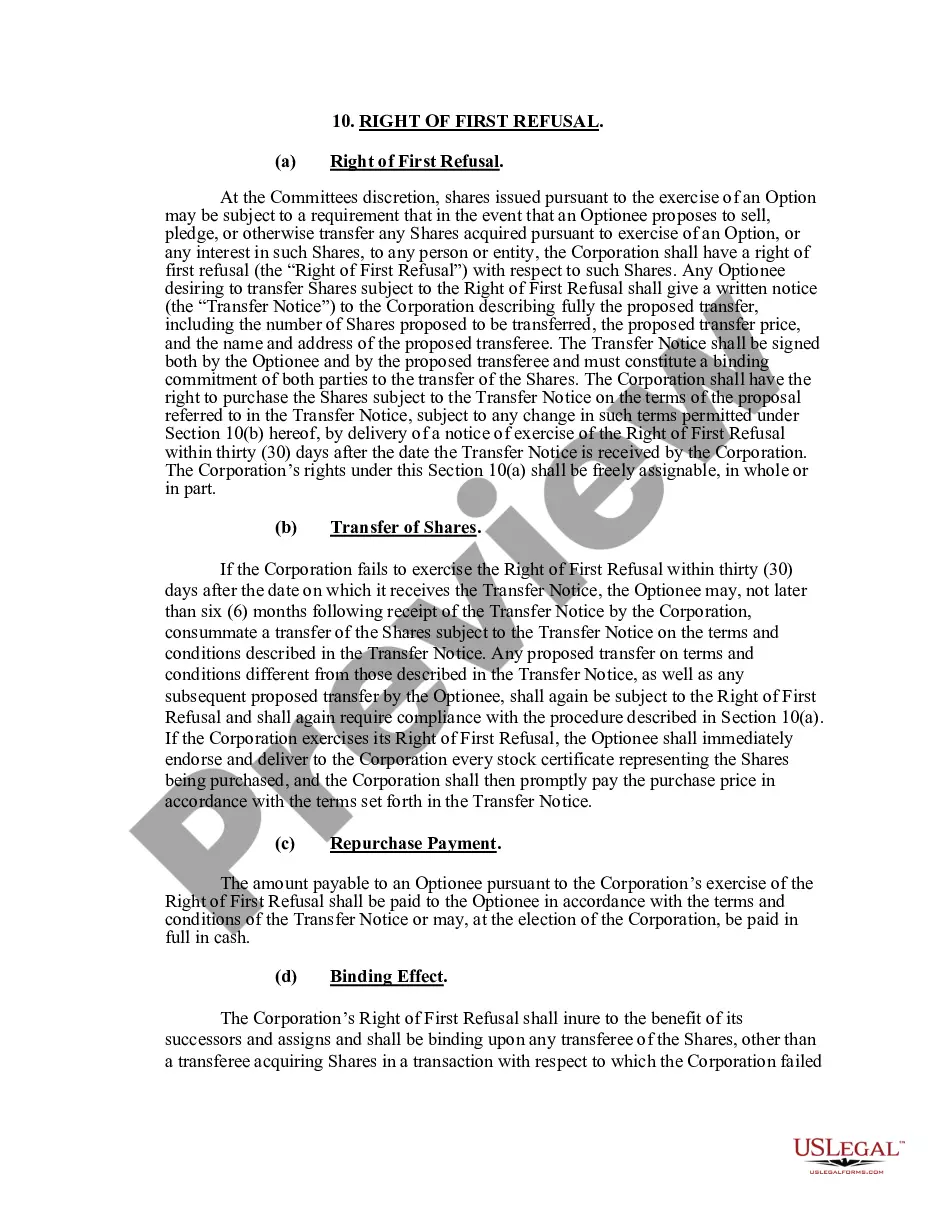
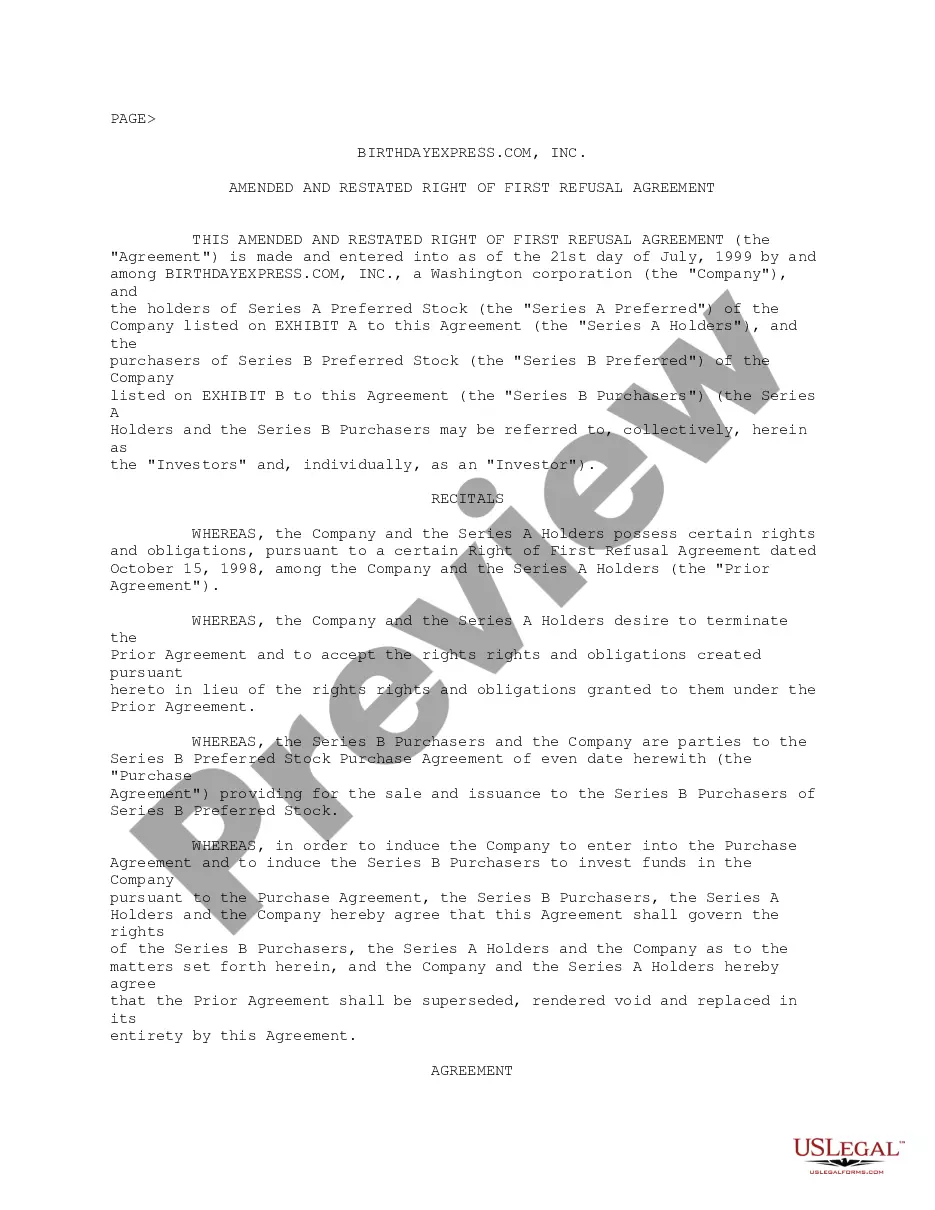
Corporate Refusal Within A Contract In Palm Beach
Description
Get your form ready online
Our built-in tools help you complete, sign, share, and store your documents in one place.
Make edits, fill in missing information, and update formatting in US Legal Forms—just like you would in MS Word.
Download a copy, print it, send it by email, or mail it via USPS—whatever works best for your next step.
Sign and collect signatures with our SignNow integration. Send to multiple recipients, set reminders, and more. Go Premium to unlock E-Sign.
If this form requires notarization, complete it online through a secure video call—no need to meet a notary in person or wait for an appointment.
We protect your documents and personal data by following strict security and privacy standards.

Make edits, fill in missing information, and update formatting in US Legal Forms—just like you would in MS Word.

Download a copy, print it, send it by email, or mail it via USPS—whatever works best for your next step.

Sign and collect signatures with our SignNow integration. Send to multiple recipients, set reminders, and more. Go Premium to unlock E-Sign.

If this form requires notarization, complete it online through a secure video call—no need to meet a notary in person or wait for an appointment.

We protect your documents and personal data by following strict security and privacy standards.
Looking for another form?






Form popularity
FAQ
Grounds for rescission: To seek rescission of a contract, the party must have valid legal bases. Common grounds for rescission in Florida may include fraud, misrepresentation, mistake, duress, undue influence, or other factors that render the contract voidable.
In a legally non-binding contract, it's important to make it clear that any party can terminate at any time. There should be no binding element or language used if you're creating an informal agreement.
It is common to argue all the defenses that are available to you, which might include one or more of the following reasons: In Writing. Some contracts, including those involving real property, are required to be in writing. Indefinite. Mistake. Lack of Capacity. Fraudulent Inducement. Unconscionable. Illegality. Duress.
By agreement: The parties agree to end the contract by agreement, with another contract. by breach of contract: The innocent party has a right of termination for breach of contract, when party does not deliver what was promised and is in repudiatory breach, or another agreed standard of breach.
If a contract is unfair or oppressive to one party in a way that suggests abuses during its formation, a court may find it unconscionable and refuse to enforce it.
Some Ways to Get Out Of A Contract Duress. Illegality (The contract in question is illegal. Undue Influence. Fraud. Mistake. Unconscionability (The contract is very one-sided and unfair.) Impossibility of performance. Frustration of purpose (A change in the conditions of the contract makes performance meaningless.)
Examples of an unfair term include: a term that permits one party (but not the other) to avoid or limit performance of the contract; a term that permits one party (but not the other) to terminate the contract; a term that penalises one party (but not the other) for a breach or termination of the contract.
Some Ways to Get Out Of A Contract Duress. Illegality (The contract in question is illegal. Undue Influence. Fraud. Mistake. Unconscionability (The contract is very one-sided and unfair.) Impossibility of performance. Frustration of purpose (A change in the conditions of the contract makes performance meaningless.)
A contract that is void is not legally enforceable and the parties thereto are not legally obligated to each other. Generally, contracts are void because the subject matter is not legal or one of the contracting parties does not have the competency to contract.