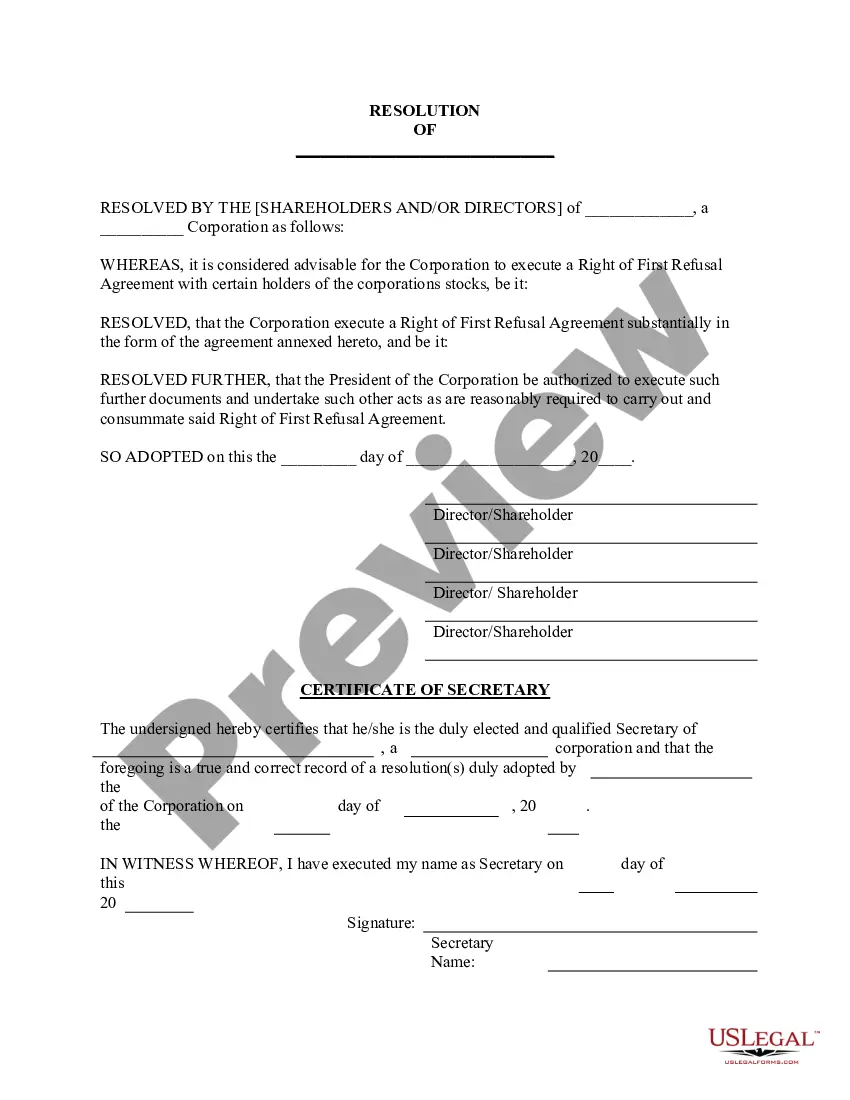
Corporate Refusal Within A Contract In Contra Costa
Description
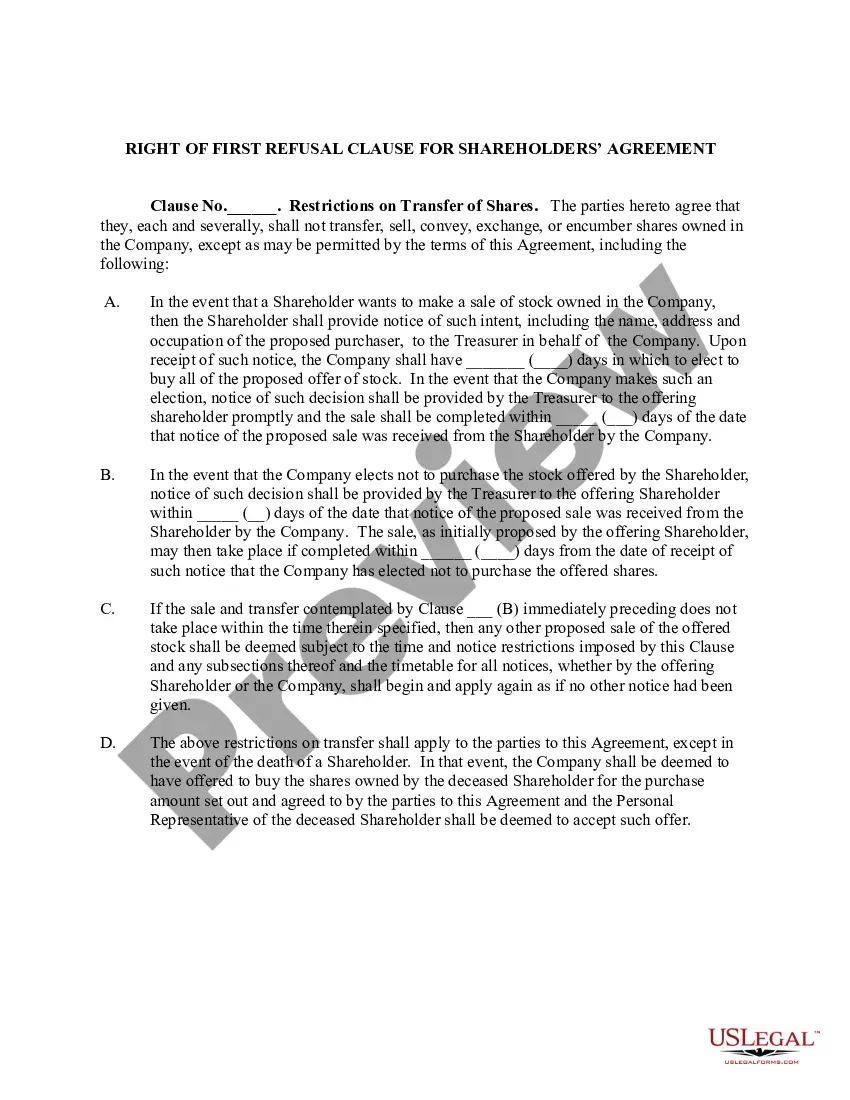
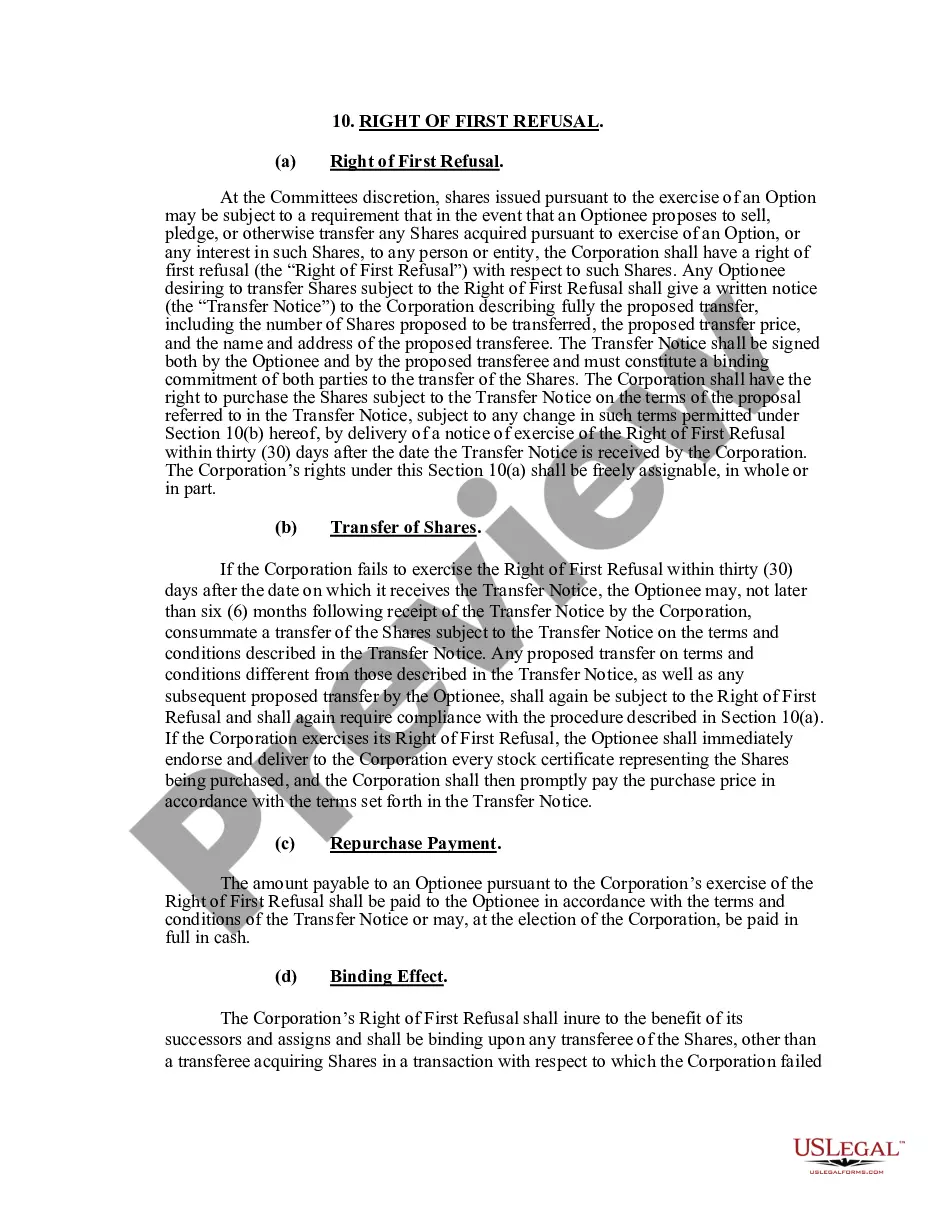
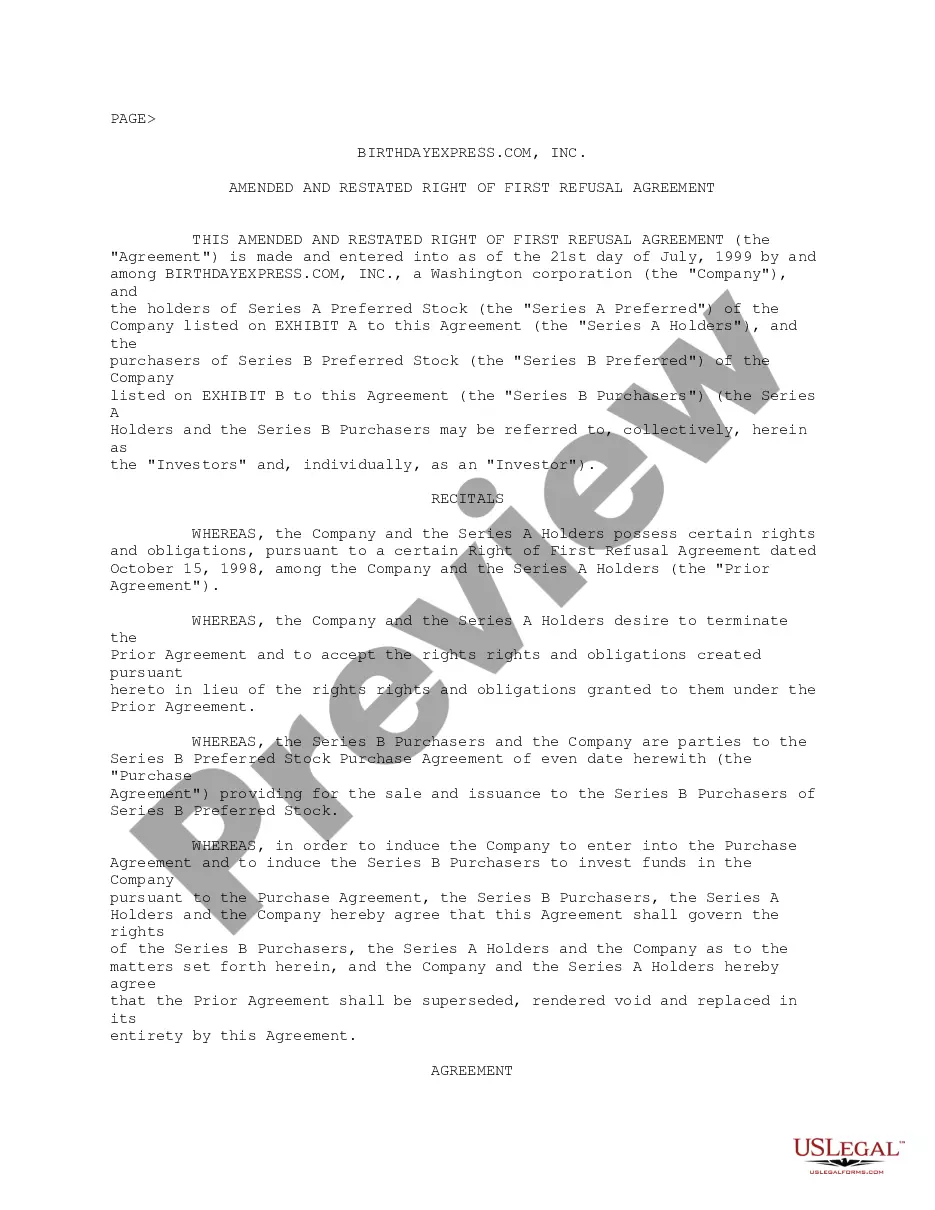
Get your form ready online
Our built-in tools help you complete, sign, share, and store your documents in one place.
Make edits, fill in missing information, and update formatting in US Legal Forms—just like you would in MS Word.
Download a copy, print it, send it by email, or mail it via USPS—whatever works best for your next step.
Sign and collect signatures with our SignNow integration. Send to multiple recipients, set reminders, and more. Go Premium to unlock E-Sign.
If this form requires notarization, complete it online through a secure video call—no need to meet a notary in person or wait for an appointment.
We protect your documents and personal data by following strict security and privacy standards.

Make edits, fill in missing information, and update formatting in US Legal Forms—just like you would in MS Word.

Download a copy, print it, send it by email, or mail it via USPS—whatever works best for your next step.

Sign and collect signatures with our SignNow integration. Send to multiple recipients, set reminders, and more. Go Premium to unlock E-Sign.

If this form requires notarization, complete it online through a secure video call—no need to meet a notary in person or wait for an appointment.

We protect your documents and personal data by following strict security and privacy standards.
Looking for another form?





Form popularity
FAQ
California doesn't necessarily require all businesses (of any structure) to obtain a license. While the state doesn't issue or require a business operating license, it regulates and requires licenses or permits for some business activities.
California Secretary of State (SOS) filing Limited partnerships, corporations, and limited liability companies (LLCs) are all legally required to register within California. Only sole proprietorships are exempt. To register your business, visit the California Secretary of State's business entity filings portal.
The County Ordinance requires that you obtain a license for conducting business within the unincorporated areas, - even if your business is located outside our limits or you have a business license from another city.
The County Ordinance requires that you obtain a license for conducting business within the unincorporated areas, - even if your business is located outside our limits or you have a business license from another city.
The following are steps on how to politely decline a business offer, including contracts, partnerships and services: Be sure of your decision. Respond promptly. Be professional. Express appreciation. Provide reasons. Consider offering a referral. Maintain communication. Seek legal counsel.
Different breaches have varying levels of severity and consequences. The four main types of breach of contract are as follows: Type 1: Minor (or partial) breach of contract. Type 2: Material breach of contract. Type 3: Fundamental (or actual) breach of contract. Type 4: Anticipatory breach of contract.
Breach of contract happens when one party to a valid contract fails to fulfill their side of the agreement.
An impasse occurs when both parties' negotiations reach a point where they feel neither compromise nor agreement is possible. The Taylor Law prohibits certain employees from being represented by a union.
In the event that the parties were unable to reach agreement of the terms and conditions thereto, the agreement provided for the matter to be referred to arbitration.
A breach of contract is when one party to the contract doesn't do what they agreed. Breach of contract happens when one party to a valid contract fails to fulfill their side of the agreement. If a party doesn't do what the contract says they must do, the other party can sue.